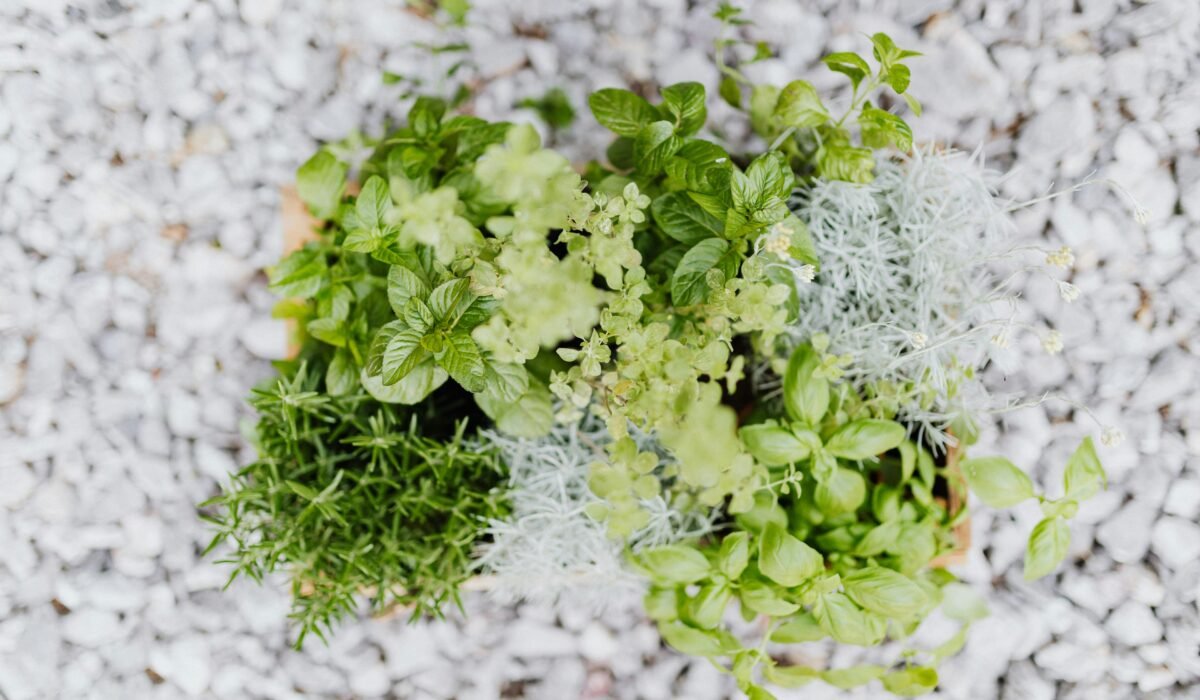
Dreaming of fresh herbs at your fingertips but worried about a “black thumb”? You’re not alone, and the good news is that growing the Best Herbs for Beginner Gardeners is incredibly achievable. Many aspiring green thumbs shy away from gardening, fearing complex care routines or inevitable plant failures, but herbs offer a forgiving and rewarding entry point into the world of homegrown goodness.
What Makes an Herb “Easy” for Beginner Gardeners?
When we talk about “easy” herbs, we’re looking for specific traits that minimize stress and maximize success for those just starting out. These aren’t just garden plants; they’re resilient culinary companions.
First and foremost, resilience is key. Easy herbs can bounce back from minor neglect, tolerate slight variations in watering, and aren’t overly picky about soil conditions. They thrive without constant fuss, making them ideal low maintenance herbs.
Secondly, adaptability matters. Many beginner-friendly herbs can grow happily in various settings, from a sunny outdoor patch to a windowsill pot. This flexibility means you don’t need a sprawling garden to start growing herbs.
Finally, fast growth and high yield are incredibly encouraging. Seeing your efforts quickly turn into usable produce is a powerful motivator. As expert gardener Eric Preston Stout notes, “When it comes to edible plants, herbs are the easiest to grow because they require the least amount of time, maintenance and room.” This makes starting an herb garden a rewarding experience.
The Best Herbs for Beginner Gardeners: Our Top Unkillable Picks
Ready to discover the true champions of your first herb garden? These are the varieties known for their forgiving nature and abundant harvests, proving that successful growing herbs is within everyone’s reach. These are truly the best herbs for beginner gardeners who want guaranteed success.
Basil: The Aromatic All-Star
Basil is arguably the most popular and easiest culinary herb to grow, thriving in warmth and sunshine. It’s fast-growing, producing fragrant leaves perfect for pesto, salads, and Italian dishes.
- Why it’s easy: Adaptable, quick to sprout from seed, and very forgiving with pruning. Many beginners report great success; one reviewer of a popular herb kit noted, “Everything popped up nice and quick and tasted delicious!”
- Care tips: Needs at least 6 hours of direct sun daily. Keep soil consistently moist but not waterlogged. Pinch off flower buds to encourage bushier growth.
Mint: The Vigorous Spreader
Mint is practically indestructible, growing with incredible vigor and offering a refreshing aroma. There are many varieties, from peppermint to spearmint, all perfect for teas, cocktails, and desserts.
- Why it’s easy: Extremely hardy and spreads aggressively, making it almost impossible to kill. It’s one of the most reliable perennial herbs.
- Care tips: Give it plenty of water and partial to full sun. Always grow mint in a container, as it will quickly take over your garden beds. This makes it an excellent choice for container gardening.
Rosemary: The Resilient Woody Wonder
Rosemary is a fragrant, woody perennial herb that adds a robust flavor to roasted meats, potatoes, and breads. It’s known for its drought tolerance once established.
- Why it’s easy: Very low maintenance once mature, preferring drier conditions. It’s a hardy perennial that can withstand neglect.
- Care tips: Needs full sun and well-draining soil. Allow the soil to dry out between waterings. It’s perfect for a sunny spot or a large pot.
Thyme: The Hardy Groundcover
Thyme is a delicate-looking but tough herb, offering earthy notes to savory dishes. It’s a fantastic groundcover and thrives in poor soil.
- Why it’s easy: Extremely drought-tolerant and rarely bothered by pests. It’s a robust perennial herb that asks for very little.
- Care tips: Requires full sun and excellent drainage. Don’t overwater. Thyme is a great choice for rock gardens or the edges of raised beds.
Oregano: The Mediterranean Marvel
Like mint, oregano is a prolific grower with a strong, pungent flavor essential for Mediterranean cuisine. It’s another aggressive spreader if not contained.
- Why it’s easy: Very forgiving and thrives in sunny, dry conditions, much like its native Mediterranean climate. It’s a resilient perennial.
- Care tips: Full sun and well-drained soil are a must. Consider growing it in a pot to manage its spreading habit, similar to mint.
Chives: The Oniony Delight
Chives offer a mild onion flavor, perfect for garnishing soups, salads, and eggs. They grow in attractive clumps and even produce edible purple flowers.
- Why it’s easy: Hardy, cold-tolerant, and grows back year after year as a perennial. They’re very low maintenance herbs.
- Care tips: Prefer full sun but tolerate partial shade. Keep soil moist. Chives are also noted as “real rogues” that spread everywhere if left unchecked, making container growing ideal.
Cilantro/Coriander: The Fast Finisher
While some find cilantro challenging because it “bolts” (goes to seed) quickly in warm weather, it’s incredibly fast to grow from seed, offering quick gratification.
- Why it’s easy: Rapid germination and growth mean you get a harvest quickly. It’s a great herb garden plant for beginners who want quick results.
- Care tips: Plant seeds directly in cool weather (spring or fall). Provide partial shade in warmer climates to slow bolting. Harvest outer leaves regularly.
Parsley: The Versatile Garnish
Parsley, in both curly and flat-leaf varieties, is a robust herb that adds freshness to almost any dish. It’s a biennial, meaning it grows for two years.
- Why it’s easy: Tolerates a range of light conditions, from full sun to partial shade, and provides continuous harvests.
- Care tips: Keep soil consistently moist. Harvest outer stems to encourage new growth. It’s happy in both garden beds and pots.
Easiest Herbs to Grow in Pots & Containers
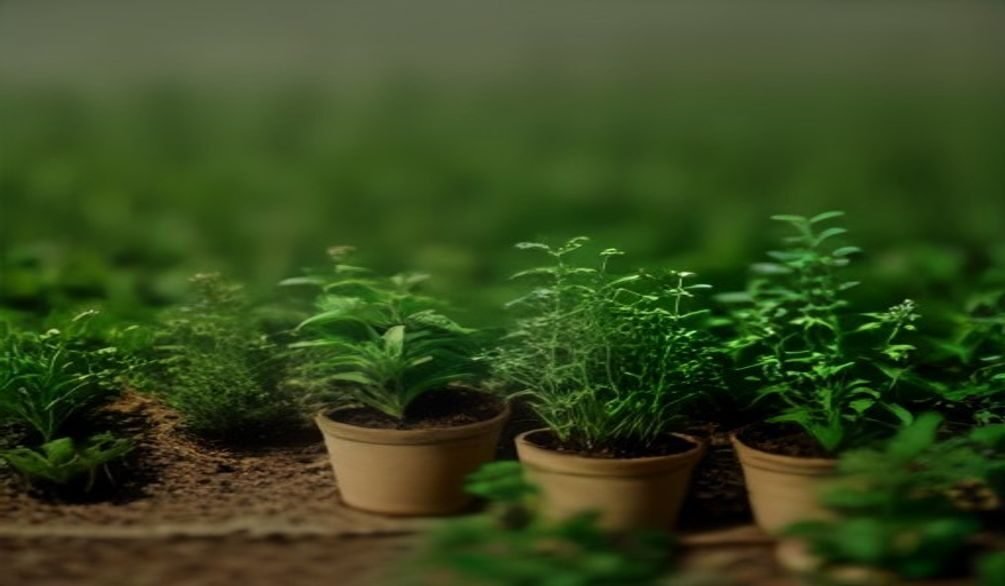
For those with limited space, or who want to control aggressive growers, container gardening is a fantastic solution. Many “best herbs for beginner gardeners” thrive in pots, making a vibrant balcony garden or patio display entirely possible. This is particularly true for those looking for container gardening success.
Herbs like mint, oregano, chives, and even basil are excellent choices for pots. Growing in containers allows you to manage soil conditions, move plants to optimal sunlight, and prevent vigorous herbs from taking over your garden beds. The UC Master Gardeners of Santa Clara County emphasize the importance of choosing a sunny location with well-drained soil, which containers naturally provide if you use a good potting mix.
What most people miss about container growing is the flexibility it offers. You can create a beginner friendly herb garden layout on a small patio, easily rotate plants, or even bring them indoors when the weather turns. This control makes success much more likely for new gardeners, and it’s why many choose this method for starting an herb garden for beginners.
Year-Round Indoor Herbs for Minimal Effort
Imagine fresh herbs even in the dead of winter! Growing indoor herbs allows for continuous harvests, and with the right picks, it requires surprisingly minimal effort. These are truly the easy herbs to grow indoors.
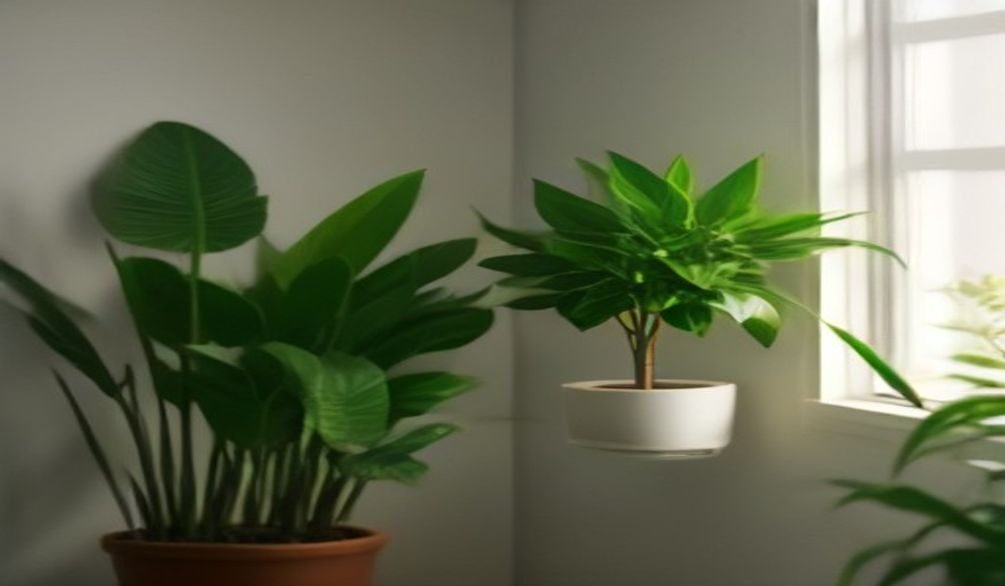
Basil, Mint, Chives, and Parsley are fantastic candidates for indoor growing. They adapt well to indoor conditions, provided they get enough light. A sunny south-facing window is often sufficient, but for guaranteed success and lush growth, consider supplementing with a grow light.
Modern solutions like the “Click and Grow Smart Garden 3” or “AeroGarden Harvest Elite 360” simplify indoor herb gardening even further. These systems offer self-watering features and integrated LED grow lights, creating an optimized environment. As UK-based gardener Jane Dobbs observes, “Indoor growing systems make plants healthier and stronger by eliminating soil-borne diseases and pests. You can basically tailor the environment to each plant’s needs.” This tailored environment ensures your indoor herbs flourish with minimal intervention.
Common Beginner Herb Problems & Simple Solutions
Even the most “unkillable” herbs can face a few hiccups, especially for beginner gardeners. Understanding common issues and simple solutions is a key part of successful herb care tips.
Overwatering vs. Underwatering
This is the most frequent challenge. Overwatering leads to yellowing leaves and root rot because roots can’t breathe. Underwatering causes wilting and crispy leaves. The solution is simple: stick your finger an inch or two into the soil. If it feels dry, water. If it’s moist, wait.
Leggy, Spindly Growth
If your herbs look stretched out with sparse leaves, they’re likely not getting enough light. This often happens with indoor herbs. Move them to a brighter spot or invest in a grow light to encourage compact, bushy growth. Regularly pruning herbs for bushier growth also helps.
Common Pests
Even easy herbs can attract aphids or spider mites. Don’t panic! A strong spray of water can dislodge many pests. For more persistent issues, use insecticidal soap or neem oil. For a deeper dive into natural solutions, check out our guide on Organic Pest Control for Indoor Plants.
Bolting (Cilantro, Basil)
When herbs like cilantro or basil “bolt,” they send up a flower stalk and produce seeds, often turning bitter. Harvest regularly and provide some afternoon shade in hot weather to delay bolting. Planting successive batches a few weeks apart ensures a continuous supply.
Beyond Cooking: Unexpected Uses for Your Easy Herbs
Your easy-to-grow herbs aren’t just for enhancing meals; they offer a surprising array of non-culinary benefits. Embracing these aromatic herbs can enrich your home and well-being.
- Aromatic & Home Fragrance: Rosemary and mint sprigs can be simmered in water on the stove to create a natural, refreshing air freshener. A simple bundle of dried lavender or rosemary makes a lovely sachet for drawers or closets.
- Herbal Teas & Infusions: Fresh mint leaves steeped in hot water make a soothing digestive tea. Oregano, known for its immune-boosting properties, can be brewed into a robust tea for wellness support.
- Natural Pest Deterrents: Certain herbs can actually help keep unwanted insects away. Planting basil near your patio can deter flies, while rosemary is known to repel mosquitoes. This makes them great companions in an organic garden.
- DIY Beauty & Wellness: Rosemary can be infused into apple cider vinegar for a hair rinse that promotes shine. Fresh basil leaves can be crushed and applied to insect bites to soothe irritation.
What most people miss is the sheer versatility. By expanding your view beyond the kitchen, you unlock a whole new world of enjoyment and practical uses for your thriving herb garden.
Budget-Friendly Tips for Starting Your Herb Garden
Starting an herb garden doesn’t have to break the bank. In fact, it can be an incredibly cost-effective hobby, especially given that 43% of people garden to grow food, and the average U.S. garden produces $600 worth of food. Even with economic uncertainties, gardening engagement is on the rise, with 49.5% of gardeners spending more money in 2025 than in 2024, according to Mike Reiber of Axiom Marketing. Here’s how to get started affordably:
- Start from Seed: Buying seed packets is significantly cheaper than purchasing established plants. Many easy herbs to grow indoors, like basil and cilantro, germinate quickly from seed. This is an excellent way to start an herb garden for beginners.
- Propagate from Cuttings: Herbs like mint, rosemary, and even basil can be easily rooted from cuttings taken from existing plants. Simply snip a 4-6 inch stem, remove the lower leaves, and place it in a glass of water until roots form.
- Repurpose Containers: Don’t buy new pots! Old coffee cans (with drainage holes added), plastic food containers, or even sturdy milk jugs can make excellent, free planters for your container gardening efforts.
- DIY Potting Mix: While a good quality potting mix is ideal, you can create your own by mixing garden soil with compost and perlite for better drainage. For perennial herbs, the UC Master Gardeners note they generally require no fertilization, saving on costs.
- Utilize Kitchen Scraps: You can regrow some herbs, like cilantro and basil, from their stems. Place the stem ends in water, and watch for new growth, then plant them in soil.
These strategies make starting your herb garden both accessible and rewarding, ensuring you get the most out of your efforts without significant upfront investment. A beginner friendly herb garden layout can be simple, functional, and beautiful without costing a fortune.
Frequently Asked Questions
What is the easiest herb to grow for beginners?
The easiest herb to grow for beginners is arguably mint, closely followed by basil and oregano. Mint is incredibly vigorous and almost impossible to kill, thriving with minimal fuss, although it does require containment to prevent aggressive spreading.
What herbs are easiest to grow in pots?
Many herbs thrive in pots, making container gardening ideal for beginners and small spaces. Mint, oregano, chives, rosemary, and basil are among the easiest to grow in pots, as they adapt well to confined root space and allow for easy mobility.
What herbs will grow indoors year-round with minimal effort?
For year-round indoor success with minimal effort, focus on herbs like mint, chives, basil, and parsley. These herbs generally tolerate indoor conditions well, especially when placed in a bright, sunny window or supplemented with an LED grow light for optimal growth.
What are the top 5 easiest herbs to grow?
The top 5 easiest herbs to grow for beginners are Mint, Basil, Oregano, Rosemary, and Chives. These selections are known for their resilience, adaptability, and relatively low maintenance requirements, making them ideal for new gardeners seeking quick success.
Starting your own herb garden doesn’t have to be daunting. With these “unkillable” picks and simple tips, you’re well on your way to enjoying fresh, homegrown flavors and the satisfaction of watching your plants thrive. Pick one or two from our list of the best herbs for beginner gardeners, grab some seeds or small plants, and start your rewarding herb gardening journey today!