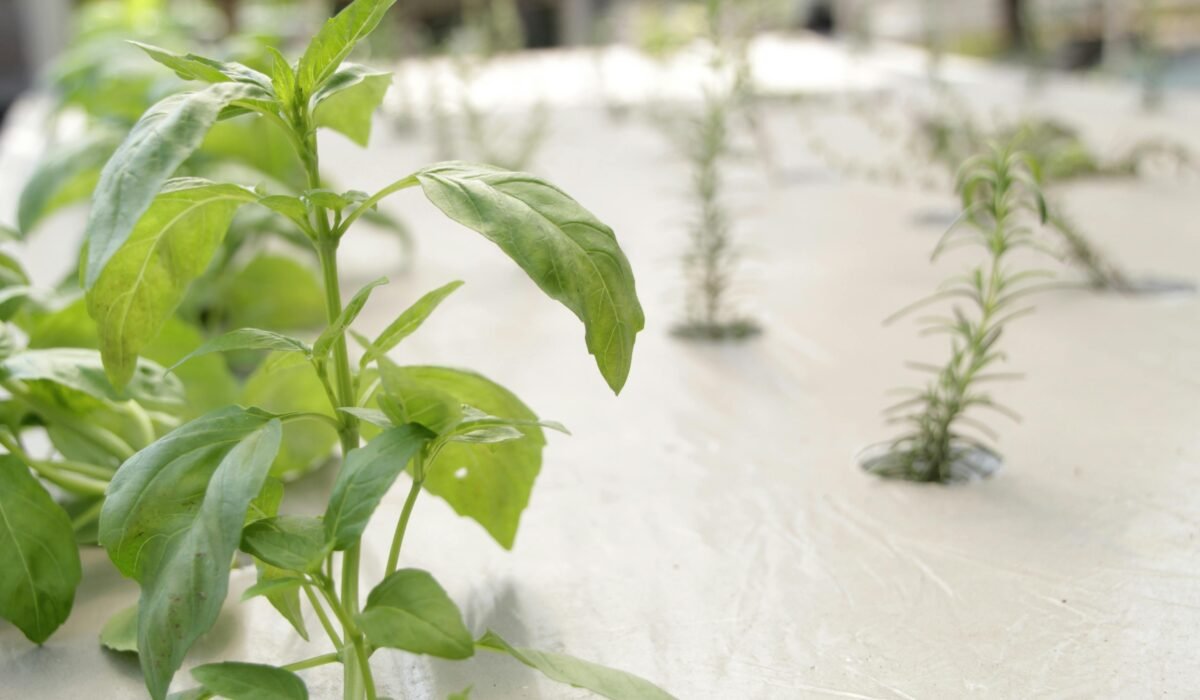
Are you dreaming of fresh, vibrant herbs available right in your kitchen, even if you lack a green thumb or outdoor space? Getting started with hydroponic herbs for beginners is not only achievable but immensely rewarding, transforming your approach to cooking and gardening. This comprehensive guide will walk you through everything you need to know to cultivate a thriving indoor herb garden without soil, delivering consistent flavor and surprising yields.
Why Choose Hydroponic Herbs for Your Home Garden?
Opting for hydroponic herbs offers a cascade of benefits that traditional soil gardening simply can’t match, especially for indoor gardening enthusiasts. One of the most compelling reasons is the incredible efficiency of water usage; hydroponic systems can use up to 90% less water than conventional methods, making them an eco-friendly choice. This significant reduction in water consumption is achieved because water is recirculated and delivered directly to the plant roots, minimizing evaporation and runoff.
Beyond water savings, hydroponics allows for faster growth rates and often higher yields. Plants receive a perfectly balanced nutrient solution directly, eliminating the need for roots to search for nutrients in soil. This optimized environment means your herbs grow quicker and more vigorously, providing a consistent supply for your culinary needs. As Sapphira Kyriacou from Hyjo points out, “Hydroponics allows us to maximise the use of space, perfect for those of us working with limited space. Vertical setups mean you can grow your own herbs in smaller areas.” This makes it an ideal solution for urban dwellers or anyone with limited growing areas.
Furthermore, hydroponic systems virtually eliminate soil-borne pests and diseases, simplifying pest control and reducing the need for pesticides. You gain precise control over your plants’ environment, from light to temperature to nutrients, which translates to healthier plants and more predictable harvests. The global hydroponics market is booming, projected to reach approximately USD 19.1 billion by 2034, highlighting the growing recognition of these advantages.
What Are the Easiest Hydroponic Herbs to Grow?
For anyone exploring hydroponic herbs for beginners, starting with the right plant choices is crucial for building confidence and ensuring success. The good news is that many popular culinary herbs thrive in soilless environments, making them perfect for your first hydroponic adventure. These plants generally have short growth cycles and adapt well to water-based systems.
Here are some of the easiest herbs to grow hydroponically, consistently cited by experts:
- Basil: A quintessential hydroponic herb, basil grows rapidly and vigorously. Look for compact varieties like Genovese basil from suppliers like Johnny Seeds.
- Mint: Known for its robust growth, mint varieties (including spearmint and peppermint) flourish in hydroponic systems. Be aware that mint can be very prolific!
- Chives: These oniony greens are simple to grow and provide continuous harvests.
- Cilantro: While sometimes tricky in soil due to bolting, cilantro can be successfully grown hydroponically with consistent moisture and cooler temperatures.
- Parsley: Both flat-leaf and curly parsley do well. Multi-seed pelleted parsley seeds can lead to bushier growth.
- Dill: A fast-growing herb that provides delicate feathery leaves.
- Oregano: Hardy and forgiving, oregano is an excellent choice for beginners.
- Thyme: Especially varieties like orangelo thyme from Rare Seeds, thyme adapts well to hydroponic conditions, though it might grow slightly slower than leafy greens.
What most people miss is that successful growth often comes down to matching the herb’s specific needs to the controlled environment. These herbs are forgiving enough that slight fluctuations in pH or nutrients won’t immediately spell disaster, making them ideal for learning the ropes of your new system.
Setting Up Your First Hydroponic Herb System: A Beginner’s Guide
Embarking on your DIY hydroponic herb garden might seem daunting, but it’s surprisingly straightforward with the right guidance. The key is understanding the basic components and choosing a system that fits your budget and commitment level. The home hydroponics market is projected to expand significantly, reaching USD 3.77 billion by 2030, reflecting the accessibility of these systems.
Choosing Your Hydroponic System
Several types of hydroponic systems are suitable for beginners, ranging from passive to more automated setups:
- Kratky Method: This passive system is arguably the simplest, requiring no pumps or electricity. You simply suspend the plant in a net pot above a nutrient solution in a container (like a mason jar). As the plant grows, it consumes the solution, and the air gap between the roots and the solution naturally provides oxygen. It’s perfect for individual herb plants and a great way to test the waters.
- Deep Water Culture (DWC): A step up from Kratky, DWC involves suspending plants over a reservoir of nutrient solution, with an air pump and air stone providing continuous oxygenation to the roots. Systems like the PowerGrow DWC Hydroponic Bucket Kit are beginner-friendly and effective.
- Wick Systems: Another passive method where a wick draws nutrient solution from a reservoir up into the growing medium around the plant roots. While simple, it’s less efficient for larger plants or those with high water demands.
- Automated Kits: Brands like AeroGarden Harvest 2.0, AeroGarden Bounty, and Click & Grow Smart Garden 9 offer all-in-one solutions with integrated grow lights, pumps, and pre-seeded seed pods. These are excellent for those who want convenience and guaranteed success without much fuss, often including herb pods for Italian basil, dill, or parsley.
Essential Components for Your Setup
Regardless of the system you choose, you’ll need a few core items:
- Hydroponic System: Whether DIY or a pre-made kit.
- Nutrient Solution: A balanced liquid fertilizer specifically designed for hydroponics, such as Fox Farm Grow Big Hydroponic plant food.
- Growing Medium: Inert media like rock wool (popular for rapid crop turnaround), coco coir, clay pellets (Hydroton), or perlite to support your plants.
- Water Source: Clean, filtered water is ideal.
- Grow Lights: Unless you have abundant natural light, full-spectrum LED grow lights are essential. LEDs secured a 31.2% share of the hydroponics equipment market in 2024 due to their energy efficiency and tailored light spectrums.
- pH Testing Kit: Crucial for monitoring and adjusting the pH levels of your nutrient solution.
- Seeds or Seedlings: High-quality seeds from suppliers like Johnny Seeds or Rare Seeds are recommended.
Once you have your components, the setup usually involves assembling the system, filling the reservoir with water and nutrient solution, and then planting your seeds or seedlings in the chosen growing media. Always follow the manufacturer’s instructions for pre-made kits or a reliable DIY guide for custom setups. For a deeper dive into optimizing your hydroponic garden, you might find our Troubleshooting Hydroponic Plant Problems: A Visual Guide helpful.
Mastering Hydroponic Herb Care: Nutrients, pH, and Light
Successfully growing hydroponic herbs for beginners hinges on understanding and managing three critical factors: nutrients, pH, and light. These elements are the lifeblood of your soilless garden, directly impacting the health and vigor of your plants.
Nutrient Solution Management
In hydroponics, your plants get all their essential minerals from the nutrient solution. This isn’t just plain water; it’s a carefully balanced cocktail of macro and micronutrients. You’ll need to regularly monitor the solution’s strength using a TDS (Total Dissolved Solids) or EC (Electrical Conductivity) meter and replenish it as needed, typically every 1-2 weeks. Always use hydroponic-specific fertilizers, as soil fertilizers are formulated differently and can harm your system. The trick is to avoid overfeeding, which can lead to nutrient burn, or underfeeding, which causes deficiencies.
Maintaining Optimal pH Levels
The pH level of your nutrient solution dictates how well your plants can absorb nutrients. Most herbs prefer a slightly acidic to neutral pH range, typically between 5.5 and 6.5. If the pH drifts too high or too low, certain nutrients become unavailable, leading to deficiencies even if they are present in the solution. Use a pH testing kit or digital meter regularly and adjust with pH Up or pH Down solutions. Consistency here is key; wild fluctuations stress the plants.
Providing Adequate Light
Light is the engine of photosynthesis, and in an indoor hydroponic garden, you’re responsible for providing it. While a sunny window might suffice for some herbs, supplemental grow lights are almost always necessary for robust growth. Full-spectrum LED grow lights are highly recommended because they are energy-efficient and can be tailored to provide the optimal light spectrum for plant growth. Most herbs require 12-16 hours of light per day, followed by a dark period for respiration. Position your grow lights correctly to prevent scorching (too close) or leggy growth (too far away).
Beyond these core elements, regular pruning is also vital for encouraging bushier growth and preventing your herbs from becoming leggy. You can learn more about this in our Pruning Herbs for Bushier Growth: The Ultimate Guide.
Common Problems and Troubleshooting for Hydroponic Herbs
Even with the best intentions, every gardener, especially those new to hydroponic systems, will encounter challenges. Understanding common problems and how to troubleshoot them is a hallmark of an expert grower. Addressing these issues promptly can save your harvest.
Nutrient Deficiencies and Excesses
Visual cues are your best friends here. Yellowing leaves often indicate a nitrogen deficiency, while purple stems might signal phosphorus issues. Brown leaf edges can point to potassium deficiency or nutrient burn from too strong a solution. The solution is to monitor your EC/TDS and pH levels religiously. If you suspect a deficiency, check your pH first, as an imbalanced pH prevents nutrient uptake even if the nutrients are present. If pH is correct, adjust your nutrient solution strength gradually. Always flush your system with fresh, pH-balanced water every few weeks to prevent nutrient buildup.
Root Rot
This is a common and often fatal issue in hydroponics, characterized by brown, slimy, foul-smelling roots. Root rot is caused by a lack of oxygen around the roots, often due to insufficient aeration in DWC systems or stagnant water in passive systems. To prevent it, ensure your air pump and air stone are working effectively, providing ample oxygen to the nutrient solution. For Kratky systems, ensure a sufficient air gap between the water line and the net pot. If caught early, you can sometimes save plants by pruning affected roots, sterilizing the system, and replacing the nutrient solution with a fresh, oxygenated batch. Consider adding beneficial microbes to your solution as a preventative measure.
Algae Growth
Green slime forming on your growing medium or reservoir walls is algae. While not directly harmful to plants in small amounts, algae compete for nutrients and oxygen, and can clog pumps. Algae thrive on light and nutrients. The best prevention is to block all light from reaching your nutrient solution and growing medium. Use opaque containers, reservoir covers, and cover any exposed media. If algae appear, manually remove it and ensure light is completely blocked.
pH Fluctuations
Unstable pH can wreak havoc on nutrient uptake. Sudden drops or spikes often indicate an issue with your water source (e.g., tap water with high alkalinity), plant health (sick plants can alter pH), or an imbalanced nutrient solution. Regular monitoring (daily or every other day) is essential. Adjust pH gradually using pH Up or pH Down, waiting a few hours before retesting. If fluctuations persist, consider a reverse osmosis filter for your water or a more buffered nutrient formula.
In practice, many problems can be traced back to inconsistent monitoring. A few minutes each day checking your system can prevent hours of troubleshooting later.
Do Hydroponic Herbs Taste Better? Exploring Flavor & Nutrition
The question of whether hydroponic herbs taste better is a common one, and the answer often leans towards a resounding “yes” for many enthusiasts. Rise Gardens suggests that hydroponically grown herbs are “often described as having a brighter, more vibrant flavor than soil-grown counterparts because they are harvested at peak freshness rather than days after being picked.” This immediate consumption after harvest means less flavor degradation.
The controlled environment of hydroponics plays a significant role in developing a superior flavor profile. Consistent nutrient delivery ensures that plants aren’t stressed by nutrient deficiencies or excesses, which can impact the production of essential oils and aromatic compounds that give herbs their distinctive taste and aroma. For instance, basil grown hydroponically often boasts a more intense, peppery, and sweet flavor compared to its soil-grown equivalent, which can sometimes be milder due to environmental stressors.
When it comes to nutrition, research indicates potential benefits. A University of Nevada, Reno study found “significantly higher levels of vitamin C, vitamin E and total polyphenolic compounds” in hydroponically grown strawberries compared to soil-grown strawberries. While more research is needed specifically on herbs, this suggests that the optimized nutrient delivery in hydroponic systems could enhance the nutritional content of produce. The ability to control the plant’s environment allows growers to fine-tune conditions to potentially maximize beneficial compounds, leading to healthier and more flavorful harvests.
Hydroponic Herbs vs. Soil: Which is Healthier and More Sustainable?
When comparing hydroponic herbs to their soil-grown counterparts, the debate often centers on health benefits and environmental sustainability. Both methods have their merits, but hydroponics offers distinct advantages in specific areas, especially for modern indoor gardening.
Healthier for the Plant and Consumer?
For the plant, hydroponics provides an optimized, stress-free environment. Roots don’t have to struggle to find water or nutrients, as everything is delivered directly and consistently. This can lead to faster growth and potentially higher concentrations of certain vitamins and antioxidants, as demonstrated by the University of Nevada, Reno research on strawberries. Furthermore, the absence of soil means a significantly reduced risk of soil-borne diseases and pests, which often translates to fewer, if any, pesticides being used. This makes hydroponic herbs a very clean and often safer choice for consumption.
However, it’s worth noting that the specific nutritional content can vary based on the nutrient solution, light conditions, and plant variety. A well-managed soil garden can also produce incredibly healthy and flavorful herbs. The key differentiator is the *control* hydroponics offers over these factors.
Sustainability: A Clear Winner?
From a sustainability standpoint, hydroponic systems present compelling arguments. The most significant advantage is water usage; hydroponic systems use between 80% to 95% less water than traditional soil agriculture. This is a critical factor in regions facing water scarcity. Additionally, vertical farming setups common in hydroponics allow for maximum space utilization, meaning more food can be grown in smaller areas, reducing the land footprint. This also minimizes the need for long-distance transportation, lowering carbon emissions associated with food distribution.
However, hydroponics does have an energy footprint, primarily from grow lights and pumps. The increasing efficiency of LED grow lights (which secured a 31.2% market share in 2024) helps mitigate this, making hydroponic systems increasingly energy-efficient. While traditional soil farming often relies on heavy machinery and vast tracts of land, it can also be highly sustainable when organic and regenerative practices are employed. The choice often comes down to context: for urban, indoor gardening, or areas with limited water, hydroponics is often the more sustainable choice.
Is Growing Hydroponic Herbs Cost-Effective? An ROI Analysis
Considering the initial investment, many beginners wonder if growing hydroponic herbs is truly cost-effective in the long run. The short answer is yes, particularly when you factor in the consistent supply of fresh, high-quality herbs and the potential for significant savings over time. It’s an investment that pays off for the discerning home chef.
Initial Investment: DIY vs. Kits
The upfront cost can vary widely. A simple DIY hydroponic herb garden using the Kratky method with mason jars, seeds, and basic nutrients might cost as little as $30-$50. A beginner-friendly DWC system like the PowerGrow kit could range from $70-$150. For convenience, automated systems like the AeroGarden Harvest 2.0 or Click & Grow Smart Garden 3 typically start from $100-$200, often including seed pods and grow lights. Your investment choice depends on your budget and desired level of automation.
Ongoing Expenses
The main ongoing costs include nutrient solution, replacement seed pods (if using an automated kit), and electricity for grow lights and pumps. Nutrient solutions are relatively inexpensive per batch, and a good bottle can last months. Electricity costs for LED grow lights are surprisingly low, especially for smaller herb setups, thanks to their energy efficiency. For example, running a small LED grow light for 12-16 hours a day would add only a few dollars to your monthly electricity bill.
Long-Term Savings and ROI
The return on investment (ROI) becomes clear when you compare the cost of buying fresh herbs from the grocery store. A small bunch of fresh basil can cost $3-$5, and it often wilts before you use it all. With a hydroponic system, you have a continuous supply of fresh herbs, ready for harvest at peak freshness. Over a year, these savings can easily add up, offsetting your initial investment. For example, if you save $10-$15 per month by not buying herbs, you could recoup a $150 system cost in 10-15 months. After that, it’s pure savings and the priceless convenience of having gourmet herbs at your fingertips. Furthermore, the ability to control quality and avoid pesticides adds intangible value that goes beyond monetary savings.
Frequently Asked Questions
What herbs grow best hydroponically?
Many popular culinary herbs thrive hydroponically, especially those with compact growth and fast cycles. Basil, mint, chives, cilantro, parsley, dill, oregano, and thyme are consistently excellent choices for beginners due to their adaptability and robust growth in soilless systems.
Do hydroponic herbs taste better?
Many growers find that hydroponic herbs have a brighter, more vibrant flavor compared to soil-grown counterparts. This is often attributed to being harvested at peak freshness and the consistent, optimized nutrient delivery that prevents stress and encourages the development of essential oils and aromatic compounds.
How often do you water hydroponic herbs?
In hydroponic systems, you don’t “water” in the traditional sense; instead, you maintain and replenish the nutrient solution in the reservoir. For most systems, this involves checking the solution level daily and topping it off with fresh, pH-balanced water, and completely changing the nutrient solution every 1-2 weeks to prevent nutrient depletion and buildup.
Is growing herbs hydroponically worth it?
Yes, growing herbs hydroponically is highly worth it for many home gardeners, offering significant long-term benefits despite the initial investment. You gain year-round access to fresh, high-quality herbs, save money on grocery store purchases over time, and enjoy the satisfaction of a sustainable, low-maintenance indoor garden.
Embarking on your journey with hydroponic herbs for beginners opens up a world of fresh flavors and sustainable gardening right in your home. By understanding the basics of system setup, nutrient management, and common troubleshooting, you can cultivate a thriving indoor garden that consistently delivers vibrant, healthy herbs. Start small, learn as you grow, and soon you’ll be enjoying the unparalleled taste and convenience of your own hydroponic harvest.