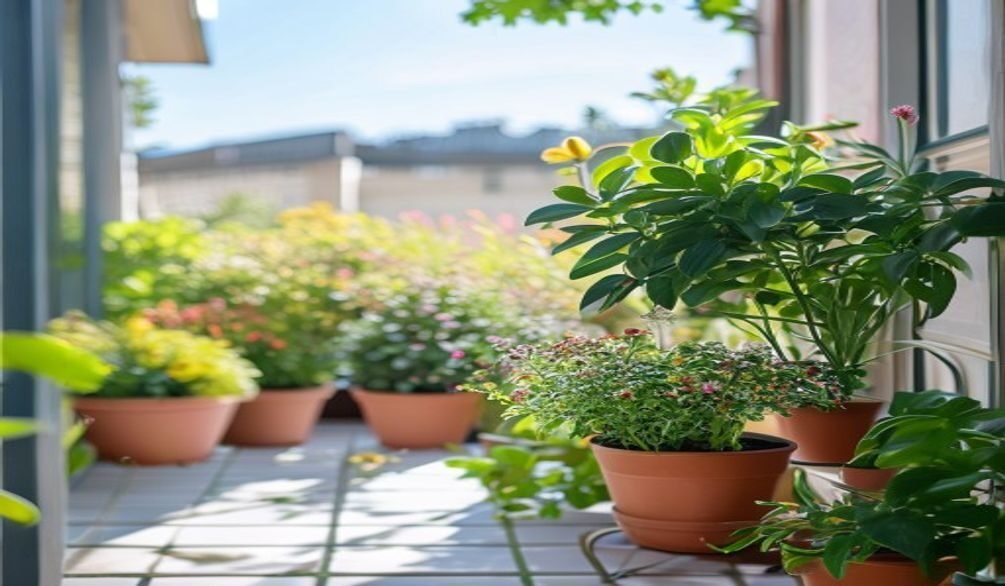
Are you concerned about your precious plants and pots tumbling from your urban oasis? When it comes to securing balcony plants and pots, urban gardeners face unique challenges, from unpredictable wind gusts to strict weight limits. This comprehensive guide will equip you with practical, actionable strategies to protect your balcony garden, ensuring both its beauty and the safety of everyone below.
Why Balcony Garden Safety is Crucial for Urban Spaces
Living in a bustling city often means your garden is elevated, bringing a unique set of safety considerations. Unlike ground-level gardens, a balcony garden introduces risks like falling objects, structural strain, and amplified weather conditions. Neglecting proper urban garden safety can lead to property damage or, worse, serious injury.
The rise of urban gardening, with a record 64% of respondents in a 2026 study planning to expand their gardens, highlights the increasing need for this crucial information. More plants mean more potential hazards if not managed correctly. What most people miss is how much these factors are intensified in high-rise environments.
Understanding Urban Microclimates and Weight Limitations
Urban balconies aren’t just windy; they’re often wind tunnels. Balconies can experience wind speeds 20-50% higher than ground level due to air currents funneling between tall structures. This phenomenon significantly increases the risk of how to keep pots from blowing over on balcony.
Equally critical is understanding your apartment balcony plant weight limit. Most residential balconies are designed to support approximately 40–60 pounds per square foot of distributed live load. Large planters, especially when filled with wet soil, can weigh 80–150 pounds each, quickly straining these limits, as detailed by Coohom. Exceeding this can compromise your balcony’s structural integrity, making safety an absolute priority.
How to Secure Balcony Plants and Pots from Wind
Wind is arguably the biggest threat to balcony plants, capable of toppling pots and damaging delicate foliage. To effectively protect your green space, you need a multi-faceted approach that considers both the containers and the plants themselves. The short answer is to create barriers and choose resilient elements.
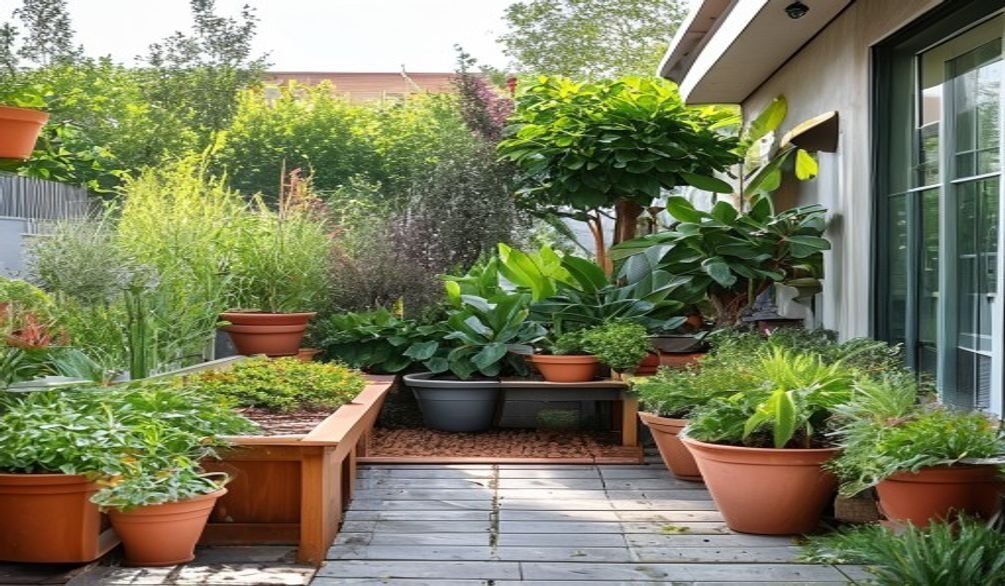
One effective strategy is to create windbreaks. Consider using sturdy screens, trellises with climbing plants, or even strategically placed furniture to deflect strong gusts. Grouping smaller pots together also offers mutual protection, reducing the surface area exposed to direct wind.
Choosing Windproof Plant Pots and Resilient Plants
When selecting containers, opt for windproof plant pots that are heavy-bottomed or designed for stability. Materials like terracotta (when filled with soil) or concrete can offer more inherent stability than lightweight plastic. However, remember weight limits when choosing heavier options.
For your plants, focus on best wind resistant plants that naturally tolerate gusty conditions. Plants with flexible stems and smaller leaves tend to fare better. As researcher Barry Gardiner observed, “The majority of the common garden plants have a higher degree of resilience than what they seem to be, and their strength lies not in their rigidity, but rather in flexibility.” Consider compact shrubs, succulents, or grasses that can sway without snapping.
DIY Anchoring Solutions for Every Balcony Railing
No matter your balcony’s design, there’s a DIY balcony plant security solution to keep your pots firmly in place. The key is to assess your railing type and choose an appropriate, non-damaging method for securing balcony plants and pots. You don’t need to be a construction expert to make your garden safer.
For metal bar railings, cable ties for pots are an urban gardener’s best friend. They are inexpensive, strong, and easy to apply, allowing you to fasten pots directly to the bars. Make sure to use UV-stabilized cable ties for longevity in sunlight.
Anchoring Techniques for Diverse Railing Types
Here are practical DIY anchoring solutions tailored to common balcony railing types:
- Metal Bar Railings:
- Cable Ties: Loop heavy-duty, UV-resistant cable ties through drainage holes or around the pot’s base, then firmly attach them to the vertical or horizontal railing bars. This method is incredibly versatile.
- S-Hooks and Chain: For hanging baskets or smaller pots with built-in hangers, use sturdy S-hooks directly over the railing. For added security, you can link pots together with a lightweight chain or strong fishing line, creating a unified, less-likely-to-topple unit.
- Glass Panel Railings:
- Adhesive Hooks & Cable Ties: As demonstrated by “17m2 Garden” on YouTube, strong outdoor adhesive hooks can be applied to the glass (check for compatibility and residue-free removal). Then, use cable ties through these hooks to secure pots.
- Weighted Bases: For larger, freestanding pots, place heavy decorative stones or bricks inside the pot (below the soil level) to lower its center of gravity. This is a non-invasive way to add stability without attaching to the glass.
- Solid Concrete or Brick Walls/Railings:
- Wall Anchors: For a permanent solution, use masonry screws and wall anchors to install hooks or brackets. This is ideal for balcony railing planters secure against the wall itself. Always ensure you have permission and proper tools for drilling into structural elements.
- Heavy Duty Balcony Plant Hangers: Install robust hangers directly into the wall. These can support heavier pots and provide a secure, elevated display.
In practice, combining methods often yields the best results. For example, a heavy pot on a metal railing can be further secured with cable ties, giving it a nearly immovable base.
Managing Balcony Weight Limits for Plant Safety
Understanding and respecting your balcony’s weight capacity is paramount for safety. Overloading a balcony can lead to structural damage, making it a critical aspect of securing balcony plants and pots. It’s not just about the number of pots, but their combined weight when full of wet soil.
As Sandy Burkholder, an Extension Master Gardener, advises, “Most building safety codes require balconies to support 60 pounds per square foot. If weight is a concern, stick to smaller pots and choose plastic containers rather than clay or ceramic.” This expert insight underscores the importance of mindful planning.
Calculating and Reducing Balcony Load
The average balcony can support 40-60 pounds per square foot. Consider that a single large planter, when filled with wet soil, can weigh 80-150 pounds. This means just a few large pots can quickly exceed the limit for a concentrated area. Does wet soil affect balcony planter weight limits? Absolutely. Wet soil is significantly heavier than dry soil, adding substantial hidden weight.
To manage your balcony’s load, distribute weight evenly across the entire surface rather than concentrating heavy items in one spot. Opt for lightweight planters made from fiberglass, resin, or fabric grow bags. These materials drastically reduce the tare weight of your containers, leaving more capacity for soil and plants. You can also incorporate soil amendments like perlite or vermiculite to lighten the overall soil mix without compromising plant health. For more on managing water and weight, explore Waterproofing Terrace Garden Tips.
Choosing the Safest Containers for Your Balcony Garden
The choice of container impacts not only your garden’s aesthetics but also its safety and stability. The safest containers for balcony gardens are those that balance weight, durability, and the ability to be secured. It’s about finding the right material for the right purpose.
While heavy terracotta pots offer stability against wind, their weight can quickly become an issue for balcony limits. Conversely, very lightweight plastic pots might be easy on your balcony’s load but are highly susceptible to blowing over in strong gusts if not anchored.
Material Matters: Balancing Weight and Stability
For optimal safety, consider these container types:
- Fiberglass and Resin Planters: These are excellent lightweight planters that mimic the look of heavier materials like stone or ceramic. They are durable, weather-resistant, and significantly reduce the overall load on your balcony.
- Fabric Grow Bags: Exceptionally lightweight and breathable, fabric grow bags are perfect for vegetables and herbs. They prevent root circling and are easy to move, making them ideal for flexible garden designs and weight management.
- Aluminum or COR-TEN Steel Planters: While heavier than plastic or fabric, these materials offer extreme durability and can withstand drilled holes for bolting or more robust anchoring solutions if your balcony structure allows. They are a good choice for situations requiring maximum stability where weight is less of a concern.
- Self-Watering Planters: These can help manage soil moisture, indirectly reducing the impact of wet soil weight fluctuations, although the water itself adds weight.
Ultimately, the best wind resistant plants thrive in containers that are either inherently stable or securely fastened, regardless of their material. Always prioritize stability, especially for taller plants.
Beyond Anchoring: Advanced Balcony Plant Security Strategies
While anchoring pots is fundamental, truly comprehensive balcony plant security involves a more holistic approach. This includes strategic plant selection, robust plant support structures, and even leveraging technology to mitigate risks. It’s about creating a resilient ecosystem, not just a collection of pots.
One often-overlooked aspect is the microclimate created by your specific balcony. Understanding wind patterns, sun exposure, and even temperature fluctuations can inform smarter planting and security decisions. For example, protecting plants from the extremes of your balcony’s unique environment often prevents them from becoming unstable in the first place.
Integrating Smart Monitoring and Support Systems
Advanced strategies for securing balcony plants and pots include:
- Strategic Plant Grouping: Arrange plants in clusters, with taller, more flexible plants in the center and shorter, sturdier plants around the perimeter. This creates a natural windbreak and mutual support system.
- Robust Plant Support Structures: For climbing plants or those prone to becoming top-heavy, utilize stakes, arbors, trellises, or moss poles. Products like A.M. Leonard’s “Container Stabilizer” made from UV-stabilized galvanized steel can link container plants for enhanced support, preventing individual pots from toppling.
- Smart Monitoring Systems: While not a direct anchoring solution, smart sensors for wind speed, soil moisture, and temperature can indirectly contribute to safety. By alerting you to extreme conditions, you can take preventative action, such as bringing in delicate plants or adding extra anchors, before a hazard occurs. This proactive approach is a game-changer for urban gardeners.
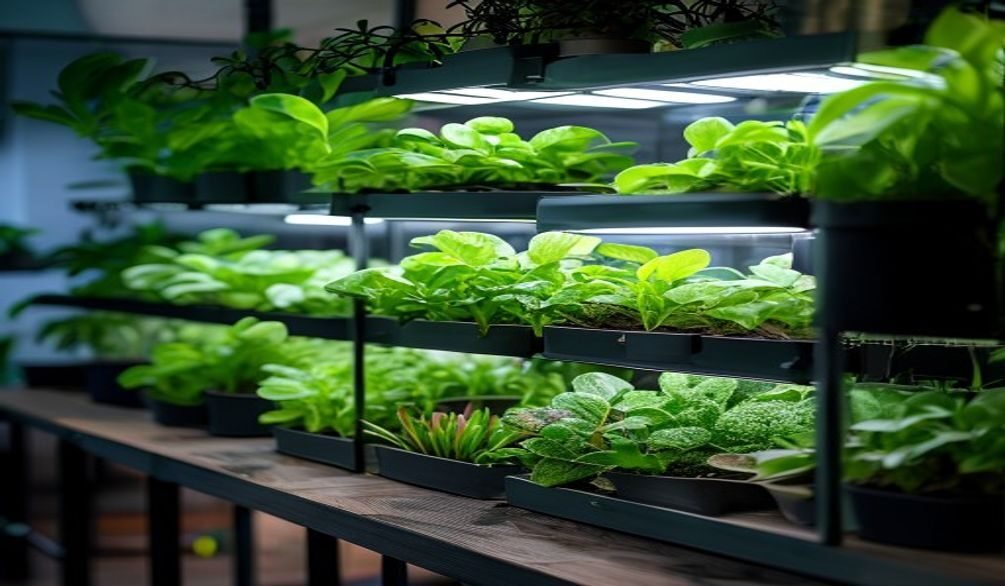
- Vertical Gardening Systems: For smaller spaces or to reduce floor load, consider vertical gardens. These systems often come with integrated mounting hardware, making them inherently secure against walls or railings, though you’ll still need to ensure the wall attachment itself is robust. For tips on optimizing light for such setups, see Optimizing Light for Your Vertical Garden.
By thinking beyond just tying down pots, you build a more secure and sustainable balcony garden that can withstand urban challenges.
Essential Safety Tips for a Secure Urban Balcony Garden
Maintaining a safe and thriving urban balcony garden requires ongoing vigilance and adherence to best practices. It’s an active process, not a one-time fix. Prioritizing urban garden safety ensures your green space remains a source of joy, not a potential hazard.
What most people miss is that even the most well-secured garden needs regular checks. Weather conditions change, materials degrade, and plants grow, all of which can affect stability. A quick monthly inspection can prevent many problems.
Ongoing Maintenance and Vigilance
Here are essential safety tips for your secure urban balcony garden:
- Regularly Inspect Anchors: Check heavy duty balcony plant hangers, cable ties, and other securing devices for wear, rust, or damage, especially after strong winds or storms. Replace anything compromised immediately.
- Monitor Plant Growth: As plants grow larger, they can become top-heavy or act as a sail in the wind. Prune them back as needed or provide additional plant support structures to maintain stability.
- Be Mindful of Watering: Remember that wet soil significantly increases pot weight. Water plants judiciously and ensure good drainage to prevent waterlogging, which adds unnecessary load.
- Keep Pathways Clear: As Holmes Murphy and SKS Construction advise, “Keep the balcony clear: Keeping your balcony clear of clutter can help significantly reduce the risk of falls.” Ensure plants and pots don’t obstruct emergency exits or walking paths.
- Understand Your Lease/Building Rules: Some apartment complexes have specific rules regarding balcony decorations, weight limits, or what can be attached to railings. Always check these before making significant changes.
- Consider Fire Safety: Keep combustible materials, including dry leaves or highly flammable planters, away from heat sources or open flames. The California Department of Forestry and Fire Protection (CAL FIRE) provides guidance on defensible space, which can be adapted to balcony safety by ensuring adequate clearance.
By integrating these tips into your routine, you can confidently enjoy your beautiful, secure urban balcony garden for years to come.
Frequently Asked Questions
How do you secure outdoor pots from wind?
To secure outdoor pots from wind, choose heavy-bottomed or weighted containers, group pots together to create a windbreak, and use anchoring solutions like cable ties or specialized clamps to fasten them to railings or walls. Strategic placement against a sturdy wall or behind furniture can also significantly reduce wind exposure.
How do you anchor a plant pot?
You can anchor a plant pot using several methods depending on your balcony setup. Common techniques include threading UV-resistant cable ties through drainage holes and securing them to railings, using heavy-duty plant hangers attached to structural elements, or adding internal weights like rocks or bricks to the bottom of the pot before adding soil.
How much weight can a balcony hold with plants?
Most residential balconies are designed to support 40–60 pounds per square foot of distributed weight. It’s crucial to consider the combined weight of your pots, wet soil, and plants, as a single large planter can weigh over 100 pounds. Always distribute weight evenly and avoid concentrating heavy items in one small area to prevent exceeding the balcony’s capacity.
What are the safest containers for balcony gardens?
The safest containers for balcony gardens are typically lightweight yet durable materials like fiberglass, resin, or fabric grow bags, which minimize the overall load on your balcony. While heavier materials like terracotta offer more inherent stability, they must be used cautiously to avoid exceeding weight limits. Ultimately, a container’s safety depends on its material, design, and how securely it is anchored.
By implementing these expert strategies, you can transform your urban balcony into a secure, thriving garden sanctuary. Taking proactive steps for securing balcony plants and pots not only protects your beloved greenery but also ensures the safety and peace of mind for everyone. Start applying these actionable tips today to build a resilient and beautiful outdoor space that stands strong against urban challenges.