Are you struggling to keep your flower garden vibrant and blooming, wondering if you’re giving your precious plants too much or too little to drink? Crafting a thriving floral display begins with mastering the art of watering, and this comprehensive Flower Garden Watering Guide will equip you with the essential knowledge to ensure your blooms reach their peak potential without wasting a drop.
How Often Should You Water Your Flower Garden?
The short answer is: it depends, but generally, less often and more deeply is the key to a robust root system. Light, daily watering creates shallow roots, making plants vulnerable to drought, as University of Missouri Extension horticulturist Tom Fowler advises. Instead, aim for deep, infrequent watering that encourages roots to grow further down, seeking moisture 6-8 inches below the surface.
For most established flower gardens, this translates to watering two to three times a week, delivering about an inch of water each time. However, several factors influence this frequency, including soil type, weather conditions, and the specific needs of your plants. Sandy soils drain quickly and may need more frequent watering, while clay soils retain moisture longer.
How Often to Water Newly Planted Flowers
Newly planted flowers, whether from seed or starts, have undeveloped root systems and require more consistent moisture. For the first few weeks, it’s crucial to keep the soil consistently moist but not waterlogged. This often means watering daily or every other day, especially during warm weather, until you see signs of new growth and establishment. Gradually reduce the frequency as the plants settle in, transitioning to the deeper, less frequent schedule.
Watering Flowers in Hot Weather
During periods of high heat or drought, your garden’s water demands will naturally increase. Watering flowers in hot weather often requires adjusting your schedule to provide more frequent or longer watering sessions. Watch for signs of wilting, even in the morning, which indicates severe stress. Consider providing extra shade for delicate plants or increasing your watering frequency to every other day, ensuring the soil moisture reaches deep into the root zone.
What is the Best Time of Day to Water Flowers?
The consensus among horticultural experts is clear: morning watering is superior. The Royal Horticultural Society (RHS) suggests that “Watering early in the morning is the best time. There will be less evaporation, and plants can use the water through the day.” This allows the water to soak in before the sun’s intensity peaks, minimizing evaporation and ensuring plants have a full reservoir for the day’s heat.
Watering in the morning also allows any water that splashes onto foliage to dry quickly. If you water at night, leaves stay wet longer, creating an ideal environment for fungal diseases to thrive, as noted by Tom Fowler. This simple shift in your watering techniques can significantly reduce disease pressure in your flower beds.
How to Know When Your Flower Garden Needs Water?
Accurately assessing soil moisture is paramount to preventing both underwatering and overwatering. What most people miss is that visual cues like wilting can be misleading; by the time a plant visibly wilts, it’s already under significant stress. Instead, focus on checking the soil itself.
The Finger Test
The simplest and most reliable method for checking soil moisture is the finger test. Push your finger about 2-3 inches into the soil near your plants. If it feels dry at that depth, it’s time to water. If it feels cool and moist, you can likely wait another day or two.
Observing Plant Cues: Underwatering vs. Overwatering Symptoms
While the finger test is primary, understanding specific plant cues can offer additional insights. Underwatering symptoms often include wilting, stunted growth, dry and crispy leaf edges, and flowers that drop prematurely. The plant looks generally parched and lifeless.
Conversely, overwatering signs can sometimes mimic underwatering, as both deprive roots of oxygen. Look for yellowing leaves, soft and mushy stems, stunted growth despite ample water, and a general lack of vigor. Overwatering causes 65% of houseplant deaths, highlighting its destructive potential for outdoor plants too. If the soil consistently smells sour or moldy, that’s a strong indicator of too much moisture.
Best Watering Methods for Flower Beds & Containers
Choosing the right watering method ensures water reaches where it’s needed most: the root zone, minimizing waste and promoting healthy growth. Sprinklers are one of the least efficient ways to water, according to the RHS, often losing significant amounts to evaporation and runoff.
Drip Irrigation for Flower Beds
For established flower beds, drip irrigation is arguably the most efficient and effective method. These systems deliver water slowly and directly to the plant’s base, precisely targeting the root zone watering without wetting foliage. Drip irrigation systems can save 30% to 50% less water than sprinklers, with some sources claiming up to 80% savings compared to traditional methods. Brands like Rain Bird offer user-friendly drip irrigation kits, making drip irrigation for flower beds DIY projects accessible for home gardeners.
Watering Cans & Wands
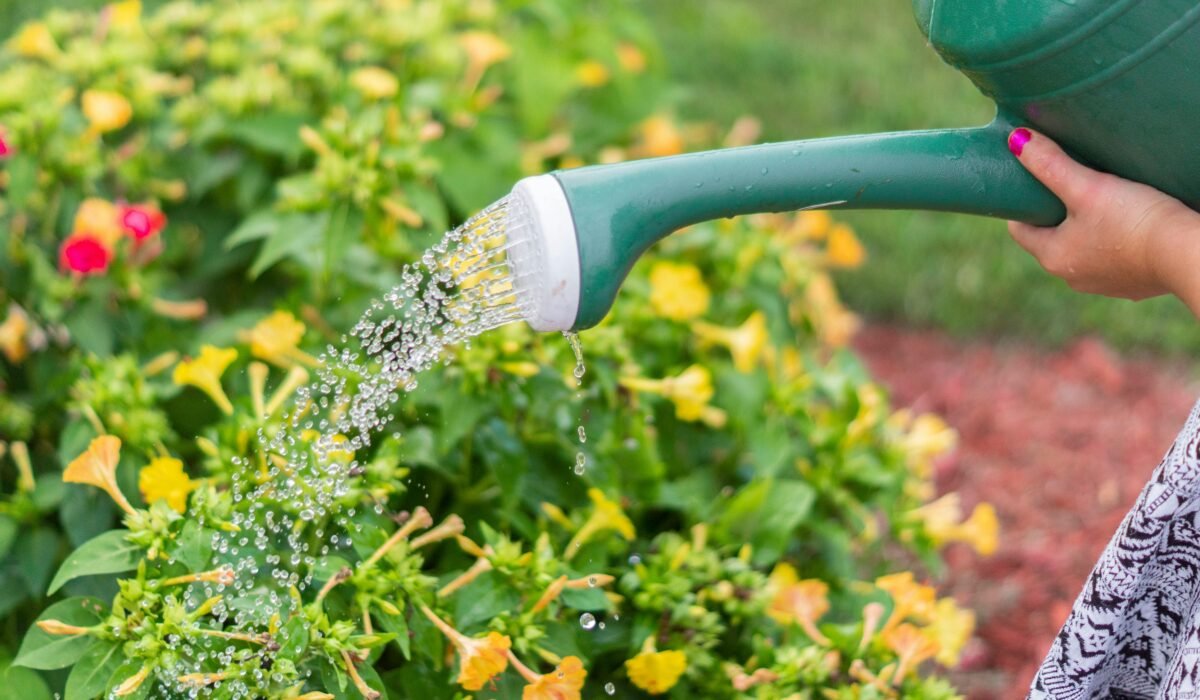
For smaller beds, containers, or delicate flowers, a watering can or a watering wand provides precision and control. The RHS notes that “Watering cans are the most water-efficient method and give you the most control.” Watering wands, like those from Dramm or Orbit, extend your reach and allow you to deliver water gently at the soil level, reducing strain on your back and preventing damage to tender blooms.
Self-Watering Containers & Spikes
For potted flowers and hanging baskets, self-watering containers or plant waterer spikes (e.g., Hydrospike line) can be a game-changer. These systems provide a consistent supply of moisture, drawing water from a reservoir as needed. They are excellent for maintaining steady soil moisture, especially when you’re away or in hot, dry conditions.
Watering Specific Flower Types & Microclimates
Understanding plant-specific needs is crucial for a truly thriving garden. A blanket watering schedule rarely works perfectly for every plant. Consider the origins of your flowers; a desert-native succulent will have vastly different water requirements than a bog-loving iris.
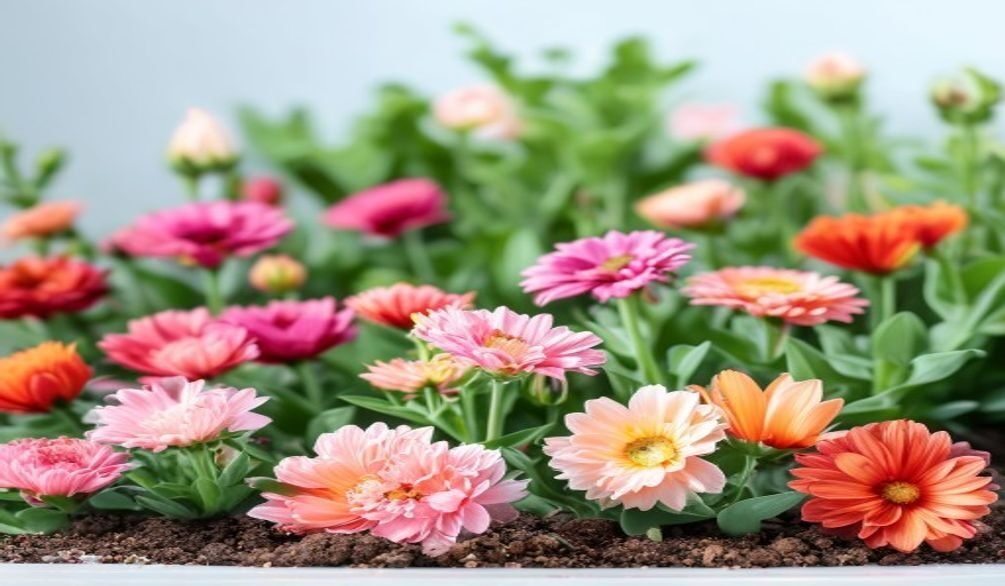
For example, drought-tolerant perennials like Coneflowers (Echinacea) or Sedum thrive with less frequent, deep watering once established. Water-loving annuals such as Impatiens or Petunias, especially when planted in containers, will demand more consistent moisture, often daily in hot weather.
Adjusting for Garden Microclimates
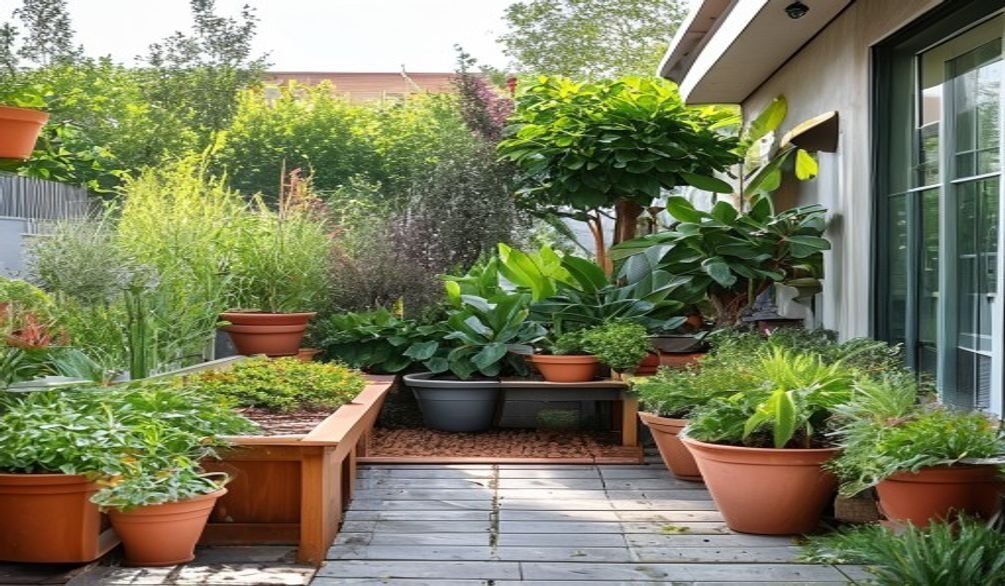
Your garden isn’t uniform; it has microclimates. Sunny spots will dry out faster than shady areas, and plants near heat-retaining walls or pavement will need more frequent watering. Similarly, plants in containers dry out much quicker than those in in-ground beds, often requiring daily attention during peak growing season. Consider your specific garden soil type as well; heavy clay soils retain water longer than sandy loams.
A good practice is to group plants with similar water needs together. This makes irrigation more efficient and prevents over or underwatering specific plants within the same bed.
Leveraging Smart Watering Technology for Efficiency
In an era where water conservation is increasingly critical, integrating smart technology into your flower garden watering routine offers unparalleled efficiency and convenience. The global garden watering systems market is growing, driven by the rising adoption of smart irrigation systems.
Automatic flower garden watering system options range from simple timers to sophisticated, AI-powered controllers. Basic timers ensure consistent watering, preventing forgotten sessions or overwatering. More advanced systems, like the Rachio 3 Smart Sprinkler Controller or Orbit B-hyve, connect to local weather data, adjusting schedules based on rainfall, temperature, and humidity. This prevents unnecessary watering after a storm, saving thousands of gallons of water.
Modern AI-powered irrigation systems, especially those with soil moisture sensors, can reduce water usage by an additional 15-30% beyond basic drip irrigation. Smart irrigation controllers can save approximately 15,000 gallons of water per home annually. The OtO Smart Sprinkler, for instance, is praised for eliminating guesswork in watering frequencies and volumes, adapting to specific yard shapes and weather conditions.
While the initial investment for these systems can be higher, the long-term water savings and the health of your garden often provide a significant return on investment (ROI), especially with water costs rising by more than 7% annually.
Advanced Water Conservation Strategies for Flower Gardens
With outdoor water use making up more than 30% of total household water, and up to 75% in drought-prone states, adopting advanced water conservation strategies is not just eco-friendly, it’s essential. This is particularly true in regions facing persistent drought conditions, such as the 26% of the United States impacted by drought in 2025.
- Mulching for Moisture Retention: A 2-4 inch layer of organic mulch (wood chips, straw, shredded leaves) around your plants significantly reduces evaporation, moderates soil temperature, and suppresses weeds that compete for water. This simple step can drastically cut down your watering needs.
- Soil Amendment: Improve your soil’s water-holding capacity by incorporating plenty of organic matter like compost. As horticultural expert Melinda Myers recommends, amending soil with organic products such as wool pellets can hold more water than soil and reduce the need for water by up to 25%. Healthy soil acts like a sponge, retaining moisture for longer periods.
- Rainwater Harvesting: Install rain barrels to collect rainwater from your roof. This free, chemical-free water is excellent for your plants and reduces your reliance on municipal water sources.
- Xeriscaping & Drought-Tolerant Plants: For areas frequently affected by drought, consider designing garden sections with xeriscaping principles. Choose native plants and other drought-tolerant species that are naturally adapted to low water conditions.
- Greywater Reuse (for ornamental plants): In some regions, carefully designed greywater systems can divert water from sinks or showers (without harsh chemicals) to irrigate ornamental plants. While this is a more advanced technique, it offers significant water saving tips for flower gardens.
As Dr. Kelly Kopp, a plant scientist at Utah State University, highlights, “30–60% of irrigation water is wasted due to leaks, broken heads, and poor scheduling.” Implementing these strategies helps combat such waste.
Common Flower Garden Watering Mistakes to Avoid
Even with the best intentions, gardeners often fall prey to common missteps that can hinder their flower garden’s health and vibrancy. Avoiding these pitfalls is as important as understanding proper watering techniques.
- Shallow, Frequent Watering: This is perhaps the most common mistake. As mentioned, it encourages weak, shallow root systems that are highly susceptible to stress during dry spells. Always aim for deep, less frequent watering.
- Watering Foliage Instead of Roots: Spraying water over leaves, especially in the evening, creates a humid environment perfect for fungal diseases. Always direct your water stream to the base of the plant, focusing on the root zone watering. “Do not spray water on leaves. Try to water only in the root zone,” advises Tom Fowler from the University of Missouri Extension.
- Ignoring Soil Type & Drainage: Different soils have different water retention abilities. Watering heavy clay soil the same way you water sandy soil will lead to either root rot or parched plants. Understand your soil and adjust your watering schedule accordingly.
- Inconsistent Watering: Plants thrive on consistency. Erratic watering – long dry spells followed by sudden deluges – stresses plants and can lead to issues like blossom end rot in some flowering plants or fruit-bearing varieties.
- Relying Solely on a Schedule: While a schedule provides a good starting point, always check the soil before watering. Weather changes, plant growth, and even recent rainfall can alter your garden’s water needs. Your Flower Garden Watering Guide should always be flexible.
Frequently Asked Questions
How often should I water my flower garden?
For most established flower gardens, aim for deep watering 2-3 times a week, delivering about an inch of water each time. However, factors like soil type, weather, and specific plant needs mean you should always check the soil moisture before watering.
What is the best time of day to water flowers?
The best time to water flowers is early in the morning. This minimizes water loss due to evaporation and allows foliage to dry before nightfall, significantly reducing the risk of fungal diseases.
How do you know when flowers need water?
The most reliable method is the finger test: push your finger 2-3 inches into the soil. If it feels dry at that depth, it’s time to water. Wilting can be a late sign of stress, so proactive soil checks are best.
Is it better to water flowers deeply or lightly?
It is always better to water flowers deeply rather than lightly. Deep watering encourages roots to grow further down into the soil, creating a more robust and drought-resistant plant, while light watering promotes shallow, vulnerable root systems.
Mastering the art of flower garden watering is a journey of observation and adaptation, transforming your garden into a vibrant, water-efficient oasis. By applying these essential tips, understanding your plants’ unique needs, and embracing smart watering solutions, you’re well on your way to cultivating the most breathtaking blooms you’ve ever imagined. Start implementing these strategies today and watch your garden flourish!