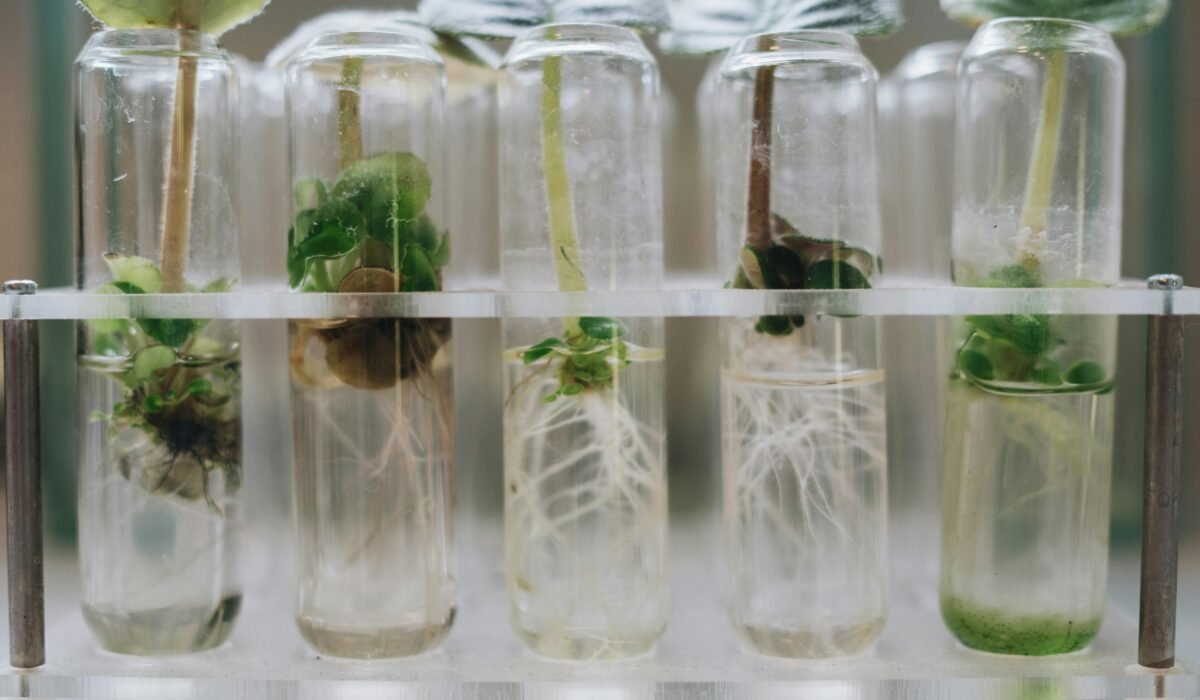
Ever wondered why your thriving hydroponic plants suddenly look stressed, despite perfect lighting and nutrients? The answer often lies in understanding hydroponic pH levels explained, a critical factor that dictates nutrient availability and overall plant health. Mastering pH balance isn’t just about measurement; it’s about unlocking your system’s full potential for vigorous growth and abundant yields. This comprehensive guide will demystify pH, reveal its profound impact, and equip you with advanced strategies to maintain a stable, optimal root environment.
What is pH and Why is it Crucial for Hydroponic Growth?
pH stands for “potential of hydrogen,” and it’s a measure of how acidic or alkaline a solution is. The pH scale ranges from 0 to 14, where 7 is neutral, values below 7 are acidic, and values above 7 are alkaline (or basic). What many people miss is that this scale is logarithmic; a pH of 4, for example, is 10 times more acidic than a pH of 5.
In hydroponics, where plants grow without soil, the nutrient solution directly bathes the roots, making its pH balance paramount. This pH level directly impacts the solubility and availability of essential nutrients. As Emerald Harvest states, “Maintaining the proper pH is crucial in hydroponic systems, as it not only directly influences nutrient availability, but also impacts plant growth and productivity.”
If the nutrient solution’s pH is off, even if all the necessary elements are present, your plants simply can’t absorb them. This leads to deficiencies, stunted growth, and ultimately, reduced yields. Oklahoma State University Extension emphasizes that the nutrient solution’s pH influences nutrient availability, recommending it be maintained between 5 to 6 to ensure the root environment stays between 6 to 6.5, which is where nutrients are most readily available.
What is the Ideal pH Range for Hydroponics (and Specific Crops)?
For most hydroponic crops, the optimal pH range is slightly acidic, generally falling between 5.5 and 6.5. This window ensures the broadest spectrum of nutrients remains available for plant uptake. However, some commercial growers narrow this to 5.8 to 6.0 for enhanced nutrient availability and reduced adjustment frequency, often simplifying management across large systems.
The ideal pH isn’t a one-size-fits-all number; different crops have unique preferences. For instance, studies on lettuce in NFT systems (2020) found maximum yield between pH 6.0 and 6.2, while cucumbers showed best growth at pH 5.65. Understanding these specific crop pH needs is key to maximizing growth:
- Leafy greens (Lettuce, Spinach): 5.5 – 6.0
- Tomatoes and Peppers: 5.5 – 6.5
- Strawberries: 5.5 – 6.0
- Cannabis: Optimal range is slightly narrower at 5.8–6.3, with seedlings preferring around 6.0 and mature plants benefiting from 5.8.
- Basil: While one study showed it tolerated pH 4.0 without yield reduction, it generally thrives between 5.5-6.5.
A hydroponic pH chart tailored to your specific plants is an invaluable tool, ensuring you hit the sweet spot for nutrient absorption. A 2018 study even demonstrated that a pH of 5.0–7.0 resulted in higher germination rates compared to more extreme acidic or alkaline conditions, underscoring the importance of early pH management.
What Happens When Hydroponic pH is Too High or Too Low?
When your hydroponic pH levels drift outside the optimal range, your plants suffer from what’s known as nutrient lockout. This isn’t a shortage of nutrients in the solution, but rather a chemical reaction that makes them unavailable for plant uptake. It’s like having a fridge full of food but no way to open the door.
If pH drops below 5.5, essential macronutrients like calcium, magnesium, and phosphorus become less accessible, leading to deficiencies. Conversely, some micronutrients, such as manganese and iron, can become overly soluble at very low pH levels, reaching toxic concentrations that harm plants. A 2021 study dramatically illustrated this, showing that reducing nutrient solution pH from 5.5 to 4.5 resulted in a 62% reduction in aboveground biomass, stunted growth, and severely inhibited root development.
On the other hand, when pH rises above 6.5, crucial micronutrients like iron, manganese, and zinc precipitate out of the solution. This means they solidify and become insoluble, making them impossible for roots to absorb. Iron, in particular, is highly sensitive and can significantly precipitate out of solution above pH 7.3, leading to severe iron deficiencies. As NoSoilSolutions.com aptly puts it, “Outside that window, key nutrients ‘lock out’, causing yellowing leaves, stunted growth, and reduced yields.”
How to Measure and Adjust Hydroponic pH Levels Effectively
Regular monitoring and precise adjustments are fundamental to maintaining healthy hydroponic pH levels. You can’t manage what you don’t measure, and consistency is key.
Measuring pH: Tools and Techniques
The most common and accurate way to measure pH in hydroponics is with a reliable pH meter. These devices provide digital readings, offering precision far beyond basic test strips. Given that pH levels can fluctuate daily, especially for sensitive crops, testing every 1-2 days (or even daily) is essential.
When selecting a pH meter, consider accuracy, durability, and features like automatic temperature compensation. Some of the best pH meter for hydroponics options include:
- Bluelab pH Pen: A favorite for small to mid-scale growers, known for accuracy and IP67 waterproofing.
- Apera Instruments AI311 PH60: Often described as “lab-grade” for home use, offering high accuracy (±0.01 pH).
- Milwaukee MW102 pH/Temperature Meter: A robust choice for larger commercial systems, offering stable calibration.
- Hanna Instruments: Offers a range of precision laboratory-grade pH pens and combination meters.
Always calibrate your pH meter regularly according to the manufacturer’s instructions, typically using buffer solutions of known pH (e.g., pH 4.0 and pH 7.0). This ensures your readings are accurate and reliable.
Adjusting pH: Solutions and Best Practices
Once you’ve measured your pH and identified a need for adjustment, you’ll use specific pH adjusters. These come in “pH Up” (alkaline) and “pH Down” (acidic) solutions. The goal is to make small, gradual adjustments to avoid shocking your plants.
- Prepare your solution: Always mix your nutrient solution and allow it to stabilize for a few minutes before testing and adjusting pH.
- Add adjusters slowly: Add very small amounts of pH Up (e.g., potassium hydroxide) or pH Down (e.g., phosphoric acid) to your reservoir. General Hydroponics pH Up and pH Down are industry staples, while brands like Atlas Scientific offer formulations designed for predictable reactions.
- Mix thoroughly: Stir the nutrient solution well after each addition to ensure even distribution.
- Re-test: Wait a few minutes for the solution to stabilize, then re-test the pH. Repeat the process until you reach your desired optimal pH range.
When considering how to lower pH in hydroponics naturally, some growers explore methods like adding fulvic or humic acids, though chemical adjusters offer more precise control. Always wear appropriate safety gear, like gloves and eye protection, when handling concentrated pH adjusters.
Advanced Troubleshooting: What Causes pH Fluctuations and How to Stabilize Them
Persistent pH fluctuations can be frustrating, signaling deeper issues beyond simple nutrient uptake. While plant activity is a primary driver—roots absorb ions, altering the solution’s balance—other factors often contribute to chronic pH drift and impact hydroponic nutrient solution pH stability.
One common culprit is your water source. High alkalinity in your tap water, often due to dissolved bicarbonates, can cause a chronic upward pH creep that’s difficult to manage. Filtering your water with reverse osmosis (RO) can provide a neutral starting point, making pH management significantly easier. Another factor can be specific nutrient interactions; for example, nitrogen in the form of ammonium tends to lower pH, while nitrate raises it. An imbalance in your nutrient formulation can subtly push pH in one direction.
What most people miss is the potential role of microbial activity. While beneficial microbes can enhance nutrient uptake, an imbalance or specific strains can metabolize compounds in the nutrient solution, producing acidic or alkaline byproducts that cause sudden, unexplained pH drops or rises. Regularly cleaning your reservoir and ensuring proper oxygenation can help maintain a healthy microbial balance.
For growers seeking ultimate stability, automated pH control systems are a game-changer. Products like the Growee Smart pH Controller or systems from Autogrow and Hanna continuously monitor pH and automatically dose pH Up or Down solutions to maintain the set point. While these systems represent an investment (often between $500 and $4,000), they offer unparalleled precision and peace of mind, freeing you from constant manual adjustments. According to Oklahoma State University Extension, precise pH management is critical for nutrient availability, underscoring the value of such systems.
Nutrient Lockout Symptoms: Identifying Issues at pH Extremes
Identifying pH lockout hydroponics symptoms goes beyond general yellowing leaves. Different pH extremes lead to specific nutrient deficiencies or toxicities, each with distinct visual cues. Recognizing these symptoms quickly allows for targeted adjustments and minimizes plant stress.
Symptoms of Low pH (Acidic Conditions – typically below 5.5)
At very low pH, key macronutrients become less available, and some micronutrients can become toxic. This severely impacts plant health, as evidenced by a 2021 study showing a 62% reduction in biomass at pH 4.5.
- Calcium (Ca): Young leaves become distorted or stunted, showing tip burn or necrosis. Blossom end rot in fruiting plants.
- Magnesium (Mg): Interveinal chlorosis (yellowing between veins) on older leaves, with veins remaining green. Leaves may curl upwards.
- Phosphorus (P): Stunted growth, dark green or purplish discoloration on leaves (especially undersides). Delayed flowering/fruiting.
- Potassium (K): Yellowing or browning along leaf margins (edges) of older leaves, often appearing scorched.
- Manganese (Mn) & Iron (Fe) Toxicity: While low pH makes these more available, excessively low pH can lead to toxicity, causing bronze or brown spots on leaves, and general stunted growth.
Symptoms of High pH (Alkaline Conditions – typically above 6.5)
High pH locks out crucial micronutrients, making them insoluble. This is a very common issue, especially with hard water sources. As Bugbee (2003) recommended pH between 5.5 to 5.8 for optimized nutrient availability, anything significantly above that will cause issues.
- Iron (Fe): The most common high pH deficiency. Causes bright yellowing (chlorosis) of new growth and young leaves, while veins often remain green.
- Manganese (Mn): Similar to iron, but typically appears as interveinal chlorosis on younger leaves, sometimes with small necrotic spots.
- Zinc (Zn): Stunted growth, small leaves, and sometimes chlorosis between veins on new growth. Leaves may appear rosette-like.
- Boron (B): Stunted growth of shoot tips, thick, brittle leaves, and sometimes discoloration.
- Copper (Cu): Wilting of new shoots, dark green leaves, and sometimes stunted growth.
When you see these specific symptoms, always check your pH first. Addressing the pH imbalance is the primary solution, allowing the plant to then absorb the necessary nutrients from the solution that was already present.
The Role of Buffering Agents in Hydroponic pH Stability
Maintaining a stable pH isn’t just about reacting to fluctuations; it’s about proactively building resilience into your system. This is where buffering agents come in. Buffers are substances that resist changes in pH when small amounts of acid or base are added to a solution. In hydroponics, they help prevent dramatic swings, keeping your nutrient solution within the optimal pH range for longer periods.
Common buffers used in hydroponic systems include compounds like calcium carbonate, magnesium sulfate, and potassium bicarbonate. These work by reacting with excess hydrogen or hydroxide ions, neutralizing them and thus stabilizing the pH. For instance, calcium carbonate can slowly dissolve to release carbonate ions that absorb excess acidity. The careful selection and application of these agents can significantly improve pH balance in your reservoir.
The type of inert growing media you use can also influence pH stability. Rockwool, for example, is naturally alkaline and can initially raise pH, requiring careful pre-treatment or more frequent pH Down adjustments. Coco coir, on the other hand, is generally more pH-neutral but can have its own buffering capacity depending on its processing. Understanding these interactions allows you to build inherent buffering capacity into your system from the start, minimizing the need for constant manual intervention. For a deeper dive into sustainable hydroponics and automated pH control, research like that published in ASHS Journals offers valuable insights into system design.
Frequently Asked Questions
What is the ideal pH for hydroponics?
The ideal pH for most hydroponic crops falls within a slightly acidic range of 5.5 to 6.5, with many growers targeting 5.8 to 6.0 for optimal nutrient availability. This range ensures that essential macro and micronutrients remain soluble and accessible for plant uptake.
What happens if pH is too high in hydroponics?
If pH is too high (typically above 6.5), essential micronutrients like iron, manganese, and zinc become insoluble and unavailable to plants, leading to nutrient lockout. This often manifests as yellowing of new growth (iron deficiency) or stunted plant development, even if the nutrients are present in the solution.
What happens if pH is too low in hydroponics?
When pH is too low (typically below 5.5), nutrients such as calcium, magnesium, and phosphorus become less available, causing deficiencies. Additionally, some micronutrients like manganese and iron can become overly soluble, leading to potential toxicity that harms plant roots and foliage.
How often should I check pH in hydroponics?
You should check your hydroponic pH levels frequently, ideally every 1-2 days. For highly sensitive crops or during critical growth stages, daily checks are recommended. Regular monitoring allows you to catch and correct pH shifts before they negatively impact plant health and growth.
Mastering the intricacies of hydroponic pH levels explained in this guide is a non-negotiable step for any serious grower. By diligently monitoring, understanding the nuances of adjustment, and implementing advanced stabilization techniques, you’ll ensure your plants always have access to the nutrients they need. Take control of your pH today and witness the dramatic improvements in your garden’s health and productivity. Your thriving hydroponic system awaits!