Are you struggling to keep your vegetable garden thriving, wondering if your plants are getting enough to drink or perhaps too much? Mastering watering vegetable garden best practices is the cornerstone of a healthy, productive harvest, ensuring your thirsty plants receive precisely what they need to flourish.
Why Smart Watering is Essential for Your Vegetable Garden
Proper watering isn’t just about wetting the soil; it’s about delivering life-sustaining moisture efficiently and effectively to your plants’ roots. Without a strategic approach, your garden can suffer from nutrient leaching, disease, and stunted growth, directly impacting your harvest.
What most people miss is the sheer amount of water wasted through inefficient methods. An estimated 50% of water used for irrigation is wasted due to evaporation, wind, or runoff, according to research. This translates to billions of gallons lost daily, making water conservation tips not just good for your garden, but for the planet too.
The Impact of Poor Watering on Plant Health
In practice, inconsistent or incorrect watering can lead to a cascade of problems. Overwatering suffocates roots by depriving them of oxygen, a condition known as hypoxia, as noted by the University of California Agriculture. Conversely, underwatering causes plant cells to lose turgor pressure, leading to wilting, as explained by Purdue University.
Beyond immediate wilting or root rot, poor watering can stress plants, making them more susceptible to pests and diseases. It can also lead to issues like blossom end rot in tomatoes, a common problem linked to inconsistent soil moisture levels.
How Much and When: The Ideal Watering Schedule for Vegetables
Determining the ideal garden watering schedule for vegetables involves understanding both quantity and timing. There’s no one-size-fits-all answer, but general guidelines can help you establish a routine that keeps your plants perfectly hydrated.
The short answer is to aim for deep, infrequent watering rather than shallow, frequent sprinkles. This encourages roots to grow deeper, making plants more resilient to dry spells. You’re aiming to moisten the soil to a depth of 6-8 inches for most vegetable plants.
Timing is Everything for Efficient Hydration
The best time to water your vegetable garden is typically early morning. This allows the water to soak in before the midday sun intensifies, minimizing evaporation and giving plants time to absorb moisture before the heat of the day. Shawn Jadrnicek, a Virginia Cooperative Extension agent, advises watering with sprinklers when dew is already on leaves (overnight, finishing before 5 a.m.) to prevent fungal diseases, though for drip irrigation, watering when the sun is shining is fine since leaves don’t get wet.
Avoid watering in the late evening, especially with overhead methods, as wet foliage overnight can promote fungal diseases. If your plants show signs of wilting in hot weather, a quick, targeted drink can help them recover, but make it an exception, not the rule.
Assessing Soil Moisture Levels
To know how much water your vegetable garden needs, feel the soil. Stick your finger 2-3 inches deep into the soil; if it feels dry, it’s time to water. Soil moisture meters are also excellent tools for precise readings, helping you avoid both signs of overwatering and underwatering vegetables.
For sandy, well-drained soil, you may need to water twice a week, while heavier clay or loamy soils rich in organic matter might only need watering once a week, as highlighted by the University of Minnesota Extension. This demonstrates how crucial your specific soil type is to your watering strategy.
Best Watering Practices for a Healthy Vegetable Garden
Beyond timing and quantity, the method you use to deliver water significantly impacts its effectiveness and your garden’s health. Prioritizing direct root zone application and water conservation tips ensures every drop counts.
One genuine insight here is that while hand watering remains popular, used by 86.28% of respondents in a recent April 2025 survey, it’s often not the most efficient. It’s easy to under- or overwater when hand watering, and it takes considerable time.
Deep and Targeted Watering
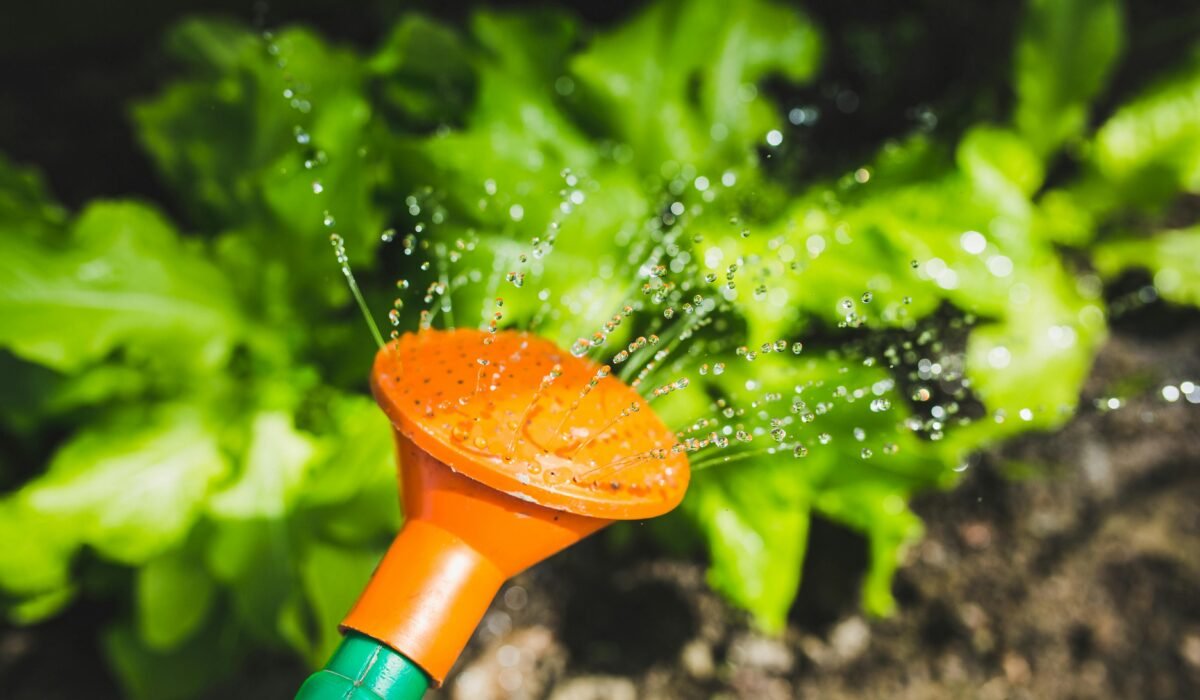
Always aim to water the root zone, not the foliage. This prevents diseases and ensures water reaches where it’s most needed. Watering wands are useful for targeted hand watering, especially for containers or specific plants.
Deep watering encourages robust root systems. Instead of a quick splash, let water slowly penetrate the soil. This can mean watering for a longer duration but less frequently, allowing the water to soak down to the lower roots.
Mulch Benefits for Moisture Retention
Applying a layer of organic mulch around your vegetable plants is one of the simplest yet most effective water-saving tips for gardens. Mulch significantly reduces evaporation from the soil surface, suppresses weeds that compete for water, and moderates soil temperature.
Excellent mulch materials include wood chips, straw, shredded leaves, compost, grass clippings, and newspaper. A 2-4 inch layer can dramatically reduce your garden’s water needs, keeping soil moisture levels consistent and protecting delicate roots.
Understanding and Hydrating Your Thirstiest Vegetable Plants
Not all vegetables have the same water requirements; some are simply thirstier than others due to their growth habit, leaf surface area, or fruiting cycles. Recognizing these thirsty plant varieties is key to providing tailored care.
The common mistake is treating all plants equally. While a general watering schedule is a good starting point, adjusting for individual plant needs will elevate your gardening success.
Identifying Thirsty Plant Varieties
Certain vegetables are notorious for their high water demand. These include:
- Squash, Cucumbers, and Pumpkins: Their large, thin leaves transpire a lot of water quickly, making them prone to drying out fast, especially during fruiting.
- Tomatoes and Peppers: While they don’t like perpetually wet feet, consistent moisture is crucial for preventing issues like blossom end rot. Overhead watering can also lead to blight.
- Beans and Corn: These crops have higher water demand during critical growth stages like blooming, tasseling, and silking.
- Lettuce and Leafy Greens: These shallow-rooted plants wilt dramatically in dry, hot weather and may need daily watering during heatwaves to stay crisp.
For plants like these, closely monitoring soil moisture levels and being prepared to offer supplemental water is essential, especially when watering vegetables in hot weather.
Less Thirsty and Drought-Tolerant Options
On the other end of the spectrum, some vegetables are more drought-tolerant. Cabbage, collards, and broccoli, with their thick leaves, don’t dry out as quickly. Horehound is an example of a very drought-tolerant herb that needs water no more than once a week.
Understanding these differences allows you to group plants with similar needs together, making your watering more efficient and preventing common plant wilting causes due to mismatched hydration.
Advanced Irrigation & Water-Saving Techniques
To truly optimize your watering strategy and embrace sustainable gardening, consider advanced irrigation and water-saving methods. These techniques not only conserve water but also provide more consistent, efficient irrigation for your plants.
Here’s the thing: while hand watering has its place, embracing technology and smart practices can save you time, money, and precious water resources in the long run.
Drip Irrigation Setup and Benefits
Drip irrigation systems are the gold standard for efficient irrigation. They deliver water directly to the plant’s root zone, losing minimal water to evaporation and wind drift. The University of Florida/IFAS Gardening Solutions states these systems are the most efficient form of irrigation.
Research shows drip irrigation can reduce water usage by up to 60-70% compared to sprinklers, achieving an efficiency rate of around 90%. Setting up a drip irrigation vegetable garden setup involves emitters placed near individual plants, connected by tubing. Brands like MIXC, Rain Bird, Flantor, and DripWorks offer excellent kits for various garden sizes and needs.
Soaker Hoses and Rain Barrel Collection
Soaker hoses offer a simpler, inexpensive alternative, slowly seeping water into the soil along their length, reducing runoff and delivering water directly to roots. They are an effective irrigation setup for many garden layouts.
Rain barrel collection is another powerful water conservation tip. A single 55-gallon rain barrel can save up to 1,300 gallons of water per year, collecting fresh, chlorine-free water for your garden. This not only reduces your water bill but also provides plants with natural rainfall.
Smart Irrigation and Automation Troubleshooting
Integrating smart garden technology, such as WaterSense labeled irrigation controllers, can save the average family nearly 9,000 gallons of water annually by tailoring schedules to local weather. These systems often use sensors to monitor soil moisture levels and adjust watering accordingly.
Common troubleshooting for automated drip systems includes clog prevention (using filters), pressure regulation (to ensure even distribution), and monitoring battery life for timers. Regular checks for leaks or disconnected emitters are vital for maintaining efficient irrigation.
Solving Common Vegetable Garden Watering Problems
Even with the best intentions, gardeners encounter watering challenges. Recognizing and addressing these issues promptly can save your plants and your harvest. It’s about being observant and knowing the signs.
One common issue is confusing symptoms of overwatering with underwatering, as both can lead to wilting. The key is to check the soil moisture levels before acting.
Recognizing Signs of Overwatering and Underwatering
- Signs of Underwatering:
- Wilting: Leaves droop and feel crisp.
- Stunted Growth: Plants are smaller than expected.
- Yellowing Lower Leaves: Older leaves turn yellow and drop.
- Dry Soil: Soil feels dry several inches down.
- Blossom End Rot: Especially on tomatoes, caused by inconsistent moisture.
- Signs of Overwatering:
- Wilting (with wet soil): Leaves may droop but feel soft, not crisp.
- Yellowing Leaves: Often starting from the bottom, but leaves may look pale and unhealthy.
- Edema: Water-soaked spots or blisters on leaves.
- Root Rot: Foul-smelling, mushy roots.
- Algae Growth: Green film on the soil surface.
For severely underwatered plants, provide a slow, deep watering. For overwatered plants, stop watering immediately and improve drainage if possible. You can find more comprehensive help for stressed plants in our guide Why Are My Seedlings Wilting? Causes, Cures & Prevention.
Preventing Runoff and Uneven Distribution
Runoff occurs when water is applied faster than the soil can absorb it, wasting water and potentially eroding topsoil. To prevent this, water slowly or apply water in short bursts, allowing each application to soak in before the next.
Uneven distribution, especially with drip irrigation, can be caused by clogged emitters or improper pressure. Regularly inspect your drip irrigation setup, clean emitters, and ensure your system has a pressure regulator if needed to deliver consistent watering to all plants.
Adapting Your Watering Strategy to Climate and Soil
Your local climate and garden soil type are significant factors that dictate how often and how much you need to water. A truly effective watering strategy is always flexible and responsive to these environmental conditions.
What most people often overlook is that a static watering schedule rarely works. Your garden’s needs can change dramatically from week to week, or even day to day, based on weather patterns.
Watering for Different Climate Zones
- Arid Climates: Expect higher evaporation rates and intense sun. Here, efficient irrigation like drip systems and heavy mulching are absolutely critical. Watering vegetables in hot weather will be a daily consideration.
- Humid Climates: While rainfall may be more frequent, high humidity can still lead to quick surface drying, yet also increase disease risk with overhead watering. Focus on deep, root-zone watering and ensure good air circulation.
- Temperate Climates: These often have more moderate conditions, but seasonal variations are pronounced. Adjust your garden watering schedule by plant needs and monitor rainfall with a rain gauge.
Understanding your specific gardening zone and microclimate helps you predict water needs more accurately.
Soil Type and Water Retention
The composition of your soil fundamentally affects its water-holding capacity.
- Sandy Soils: Drain quickly and retain less water. They require more frequent watering, but in smaller amounts, to prevent water from leaching past the root zone.
- Clay Soils: Hold water well but can become waterlogged if overwatered, leading to poor drainage and root issues. Water less frequently but deeply, allowing the soil to dry out slightly between waterings.
- Loamy Soils: An ideal balance, offering good drainage and water retention. These soils are generally the most forgiving, requiring consistent but not excessive watering.
Incorporating organic matter like compost can improve water retention in sandy soils and enhance drainage in clay soils, benefiting overall soil moisture levels and plant health.
Frequently Asked Questions
How often should I water my vegetable garden?
The frequency of watering your vegetable garden depends on several factors, including soil type, climate, and plant needs. Generally, aim for deep, infrequent watering, checking the soil moisture levels 2-3 inches deep; if it feels dry, it’s time to water.
What is the best way to water a vegetable garden?
The best way to water a vegetable garden is directly at the root zone, minimizing water on foliage to prevent disease and reduce evaporation. Drip irrigation systems and soaker hoses are highly efficient methods, delivering water precisely where plants need it most.
When should I water my vegetable garden?
The ideal time to water your vegetable garden is in the early morning. This allows water to soak in before the sun causes significant evaporation, and ensures foliage dries out before nightfall, reducing the risk of fungal diseases.
How much water does a vegetable garden need per week?
Most vegetable gardens require about 1 inch of water per week, whether from rainfall or irrigation, to moisten the soil to a depth of 6-8 inches. However, this can vary based on plant maturity, weather conditions, and soil type, so always monitor your garden’s specific needs.
By implementing these watering vegetable garden best practices, you’re not just watering plants; you’re cultivating resilience, promoting abundant harvests, and practicing responsible water stewardship. Start observing your plants and soil more closely, adapt your approach, and watch your garden thrive like never before.