Are you wondering which green companions can truly thrive in your steamy sanctuary? Selecting the right indoor plants for bathroom humidity can transform a functional space into a lush, vibrant oasis, but it requires knowing which species genuinely appreciate the unique environment. This guide will walk you through choosing, caring for, and even designing with plants that will flourish in your bathroom, turning it into a thriving green haven.
Why Do Indoor Plants Thrive in Bathroom Humidity?
The secret lies in their origins: many popular houseplants are tropical bathroom plants. These species naturally hail from rainforests and other humid environments, making your bathroom’s steamy conditions feel just like home. The consistent moisture in the air, especially after a hot shower, mimics their native habitats, allowing them to absorb water not just through their roots but also through their leaves and aerial roots, as noted by plant education leader Paris Lalicata from The Sill.
Beyond simply surviving, plants in humid bathrooms often exhibit more vigorous growth and healthier foliage. This is because high humidity reduces the rate of transpiration, meaning plants lose less water through their leaves, which can be particularly beneficial for plants prone to crispy leaf edges in drier indoor settings. What most people miss is that this isn’t just a one-way street; plants also contribute to the room’s ecosystem.
In fact, new research from the University of Surrey, published in February 2026, indicates that indoor plants can significantly raise indoor humidity, boost thermal comfort, and even make spaces feel up to two degrees cooler. Professor Prashant Kumar, lead author of the study, highlights that “indoor greening can make a meaningful difference… to how buildings cope with heat, humidity and pollutants.” This means your chosen high humidity plants are actively working to create a more balanced environment.
Top Indoor Plants for Bathroom Humidity: Our Picks
When selecting indoor plants for bathroom humidity, you’ll find a wide array of choices that adore the moisture. These plants aren’t just survivors; they actively flourish, offering lush greenery and often air-purifying benefits. Here are some of our top recommendations:
- Boston Fern (Nephrolepis exaltata): These classic high humidity plants absolutely adore moisture, absorbing it through their fronds. Their delicate, feathery appearance adds a spa-like feel. Just be sure to provide good air circulation to prevent fungal issues.
- Peace Lily (Spathiphyllum): Known for their elegant white blooms and glossy green leaves, Peace Lilies are excellent for humid environments. They are also powerful air purifiers and can even humidify air by 10-15% in a 50m³ room with five plants.
- Pothos (Epipremnum aureum): Incredibly versatile and forgiving, Pothos thrives in humidity and can tolerate various light conditions. Its trailing vines make it perfect for shelves or hanging bathroom plants, adding a cascade of greenery.
- Spider Plant (Chlorophytum comosum): A true workhorse, Spider Plants are among the best for increasing indoor humidity and are renowned for removing toxins like carbon monoxide and formaldehyde, according to NASA research from the 80s. They’re also super easy to propagate.
- Monstera (Monstera deliciosa): With their iconic split leaves, Monsteras bring a dramatic, tropical vibe. They thrive in consistent humidity and bright, indirect light, making them a stunning focal point in larger bathrooms.
- Orchids: Many orchid varieties, particularly Phalaenopsis, thrive in high humidity, taking up water through their aerial roots and leaves. Their exquisite flowers add a touch of luxury.
Plants That Absorb Moisture in Bathroom
Some plants are particularly adept at handling excess moisture, acting as natural dehumidifiers. While not a replacement for proper ventilation, these can help balance the environment. Plants that absorb moisture in bathroom environments include Peace Lilies, Boston Ferns, and Spider Plants. Philodendron domesticum, for instance, has been shown to reduce mold spores by 60% in humid indoor environments over seven days, making it a great choice for mold reducing plants.
Plants for Low Light & Windowless Bathrooms
Not every bathroom is blessed with abundant natural light. For those with minimal or no windows, selecting the right indoor plants for bathroom humidity requires focusing on species that are highly tolerant of low light conditions. The good news is, many humidity-loving plants are also surprisingly adaptable to dimmer settings.
- Snake Plant (Sansevieria trifasciata): Often lauded as nearly indestructible, Snake Plants are perfect for windowless bathrooms. They require very little light and are incredibly forgiving of neglect, making them ideal low-maintenance indoor plants for your humid bathroom.
- ZZ Plant (Zamioculcas zamiifolia): The ZZ Plant is another champion of low-light conditions, thriving even in remarkably dim spaces. Its glossy, dark green leaves add a sophisticated touch and it stores water in its rhizomes, meaning it can handle infrequent watering.
- Heartleaf Philodendron (Philodendron hederaceum): Horticulturist Lindsay Pangborn notes that the heartleaf philodendron is “one of the most forgiving plants as it can tolerate neglect of all sorts, including being an indoor low-light plant and inconsistent watering.” This makes it an excellent choice for low light high humidity bathroom plants, especially as a hanging bathroom plant.
- Cast Iron Plant (Aspidistra elatior): As its name suggests, this plant is incredibly tough and can endure very low light, poor air quality, and infrequent watering. It’s an understated but reliable choice for challenging spots.
For the best plants for windowless bathroom, remember that while these plants tolerate low light, they will always appreciate any indirect light they can get. Consider rotating them occasionally to a brighter room or supplementing with a small grow light if you notice signs of etiolation (stretching towards light).
Beyond Plants: Managing Bathroom Humidity for Optimal Plant Health
While indoor plants for bathroom humidity love moisture, true success lies in understanding and actively managing the environment. What most people miss is that consistent, balanced humidity is key, not just extreme dampness. This holistic approach ensures your plants don’t just survive but genuinely thrive.
Start by understanding your bathroom’s actual humidity levels. A cheap hygrometer is an invaluable tool for this, helping you confirm that your bathroom maintains the ideal range of 50-70% humidity. Bathroom design expert Rikki Fothergill emphasizes the importance of managing moisture year-round: “houseplants are simple yet effective accessories that help to balance that airflow within the space.”
Beyond plant selection, consider these strategies for effective plant humidity management:
- Ventilation is Key: Always use your exhaust fan during and after showers to prevent excessive condensation and stagnant air. This prevents waterlogging and reduces the risk of fungal issues.
- Grouping Plants: Plants release moisture through transpiration. Grouping several high humidity plants together can create a localized microclimate that benefits all of them.
- Pebble Trays: For plants that need an extra boost, place their pots on a tray filled with pebbles and water. Ensure the pot isn’t sitting directly in the water to prevent root rot, but the evaporating water will increase local humidity.
- Strategic Placement: Place plants where they can benefit from shower steam without being directly drenched. Ferns, for example, love the mist but dislike constant water on their fronds.
Remember, the goal is to create a stable environment. Wild fluctuations in humidity can stress plants, even those that love moisture. Consistent management is crucial for long-term plant health.
Advanced Care & Troubleshooting for Humid Bathroom Plants
Caring for indoor plants for bathroom humidity goes beyond basic watering and light. The unique conditions of a bathroom—high moisture, often fluctuating temperatures, and sometimes limited air circulation—present specific challenges that require a tailored approach to bathroom plant care. Approximately 28% of houseplants are discarded annually due to pests and diseases, highlighting the need for advanced care guidance.
Watering in a Humid Environment
This is where many plant parents go wrong. Because plants in a humid bathroom absorb some moisture from the air, their soil may dry out slower than plants in other rooms. Overwatering is a common mistake. Always check the soil moisture before watering. Stick your finger about an inch or two into the soil; if it feels damp, wait. Self-watering planters can be helpful for maintaining consistent moisture without overdoing it. For more general watering tips, refer to our guide on Watering Vegetable Garden Best Practices, as principles of checking soil moisture apply universally.
Preventing Fungal Issues and Pests
High humidity, combined with poor air circulation, creates an ideal breeding ground for fungal diseases like powdery mildew, especially on plants like Boston Ferns. To prevent preventing fungal issues:
- Ensure good ventilation by using exhaust fans.
- Space plants adequately to allow airflow around their foliage.
- Avoid letting water sit on leaves for extended periods.
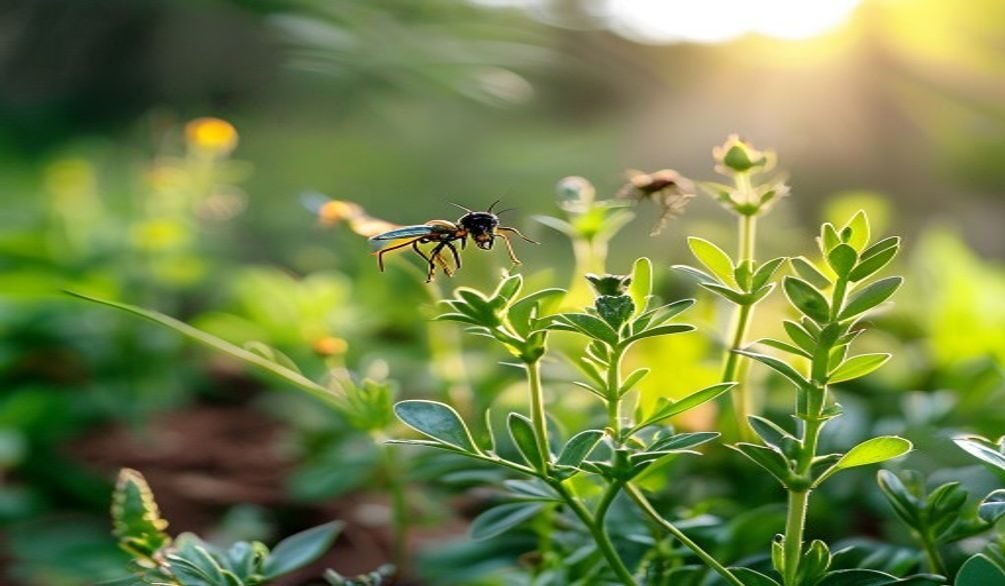
Damp conditions can also attract pests such as fungus gnats (which thrive in moist soil) and spider mites (which ironically can appear in high humidity if air circulation is poor). Regularly inspect your plants for any signs of pests. If you spot them, act quickly. Our article on Herb Garden Pests & Diseases: A Guide offers valuable insights into identification and organic control methods that can be adapted for bathroom plants.
Finally, consider your potting mix. A well-draining mix is critical to prevent waterlogging. You might even explore DIY Indoor Plant Potting Mixes to create a custom blend that suits your bathroom’s conditions and your specific plants.
Designing Your Green Oasis: Aesthetic Integration for Bathroom Plants
Beyond their biological benefits, indoor plants for bathroom humidity offer immense aesthetic value, transforming a utilitarian space into a serene retreat. Thoughtful placement and selection can enhance any bathroom style, creating a truly green oasis. This is where bathroom plant aesthetics come into play.
Maximizing Space and Style
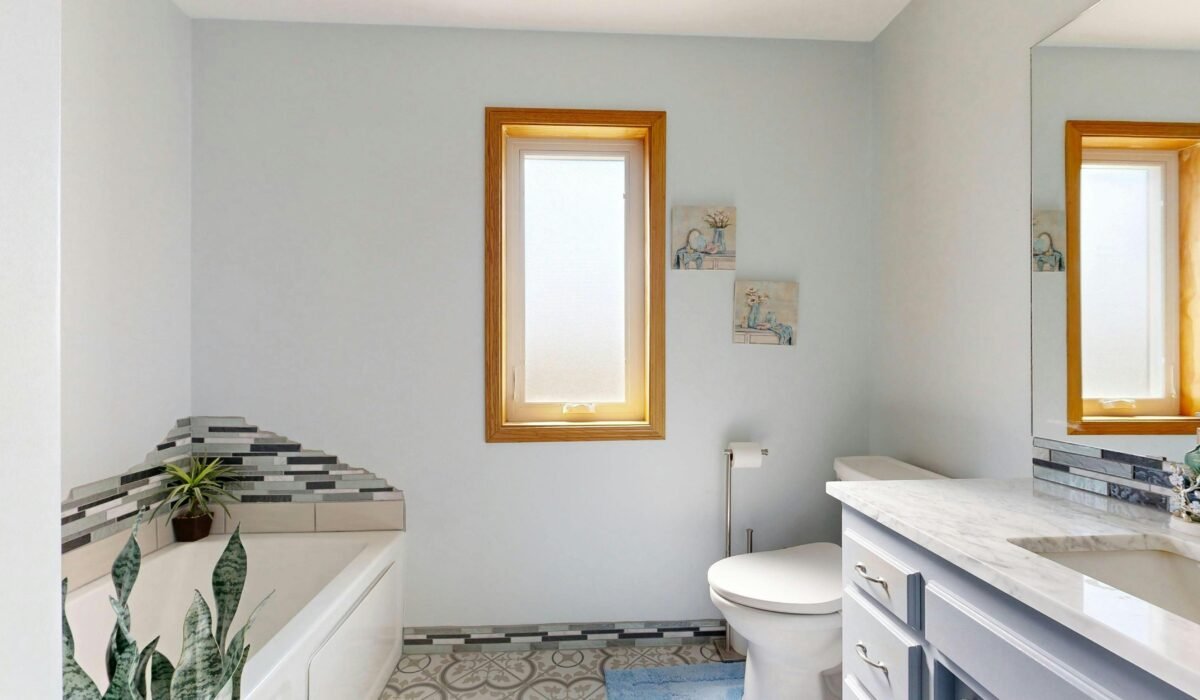
Consider the size and layout of your bathroom. For small bathrooms with showers, narrow pots for upright plants like Snake Plants or small potted Orchids work beautifully without cluttering precious counter space. For larger bathrooms, a Monstera or a Rubber Plant can become a stunning focal point, bringing a touch of the tropics indoors.
Hanging plants for bathroom humidity are an excellent solution, especially where counter space is limited. Annette Gutierrez of Potted, a Los Angeles plant store, notes that “Hanging plants are great in the bathroom where counter space is at a premium, and since most houseplants are tropicals, they love the humidity.” Pothos, Philodendrons, and Spider Plants are perfect for hanging baskets or trailing from shelves above toilets or vanities. Tension rods or ceiling hooks offer versatile installation options.
Coordinating with Bathroom Aesthetics
The choice of planters and plant varieties can complement your bathroom’s existing decor:
- Minimalist: Opt for simple, clean-lined ceramic pots and architectural plants like Snake Plants or ZZ Plants.
- Spa-like: Delicate ferns, elegant Peace Lilies, or exotic orchids in muted, natural-toned planters enhance a tranquil, soothing ambiance.
- Tropical: Bold-leaved Calatheas or Monsteras, paired with vibrant pots or natural wood elements, will amplify a lush, jungle-inspired feel.
Don’t be afraid to mix textures and heights. A tall Snake Plant next to a trailing Pothos creates visual interest. The goal is to integrate these living elements seamlessly, making your bathroom feel more inviting and connected to nature.
Low-Maintenance Indoor Plants for Your Humid Bathroom
Even with the unique conditions of a bathroom, you don’t need a green thumb to enjoy the benefits of lush greenery. Many indoor plants for bathroom humidity are remarkably forgiving, making them ideal for busy individuals or beginner plant parents. These low-maintenance indoor plants for your humid bathroom thrive on a bit of neglect, perfectly suited for the often-forgotten corner of the home.
Here are some top picks that offer maximum impact with minimal effort:
- Snake Plant (Sansevieria trifasciata): Already mentioned for low light, it’s also incredibly drought-tolerant. You can forget to water it for weeks, and it will still stand tall.
- ZZ Plant (Zamioculcas zamiifolia): Similar to the Snake Plant, the ZZ Plant is resilient against infrequent watering and low light. Its waxy leaves mean it loses less water to evaporation.
- Pothos (Epipremnum aureum): Extremely adaptable to various light and watering schedules. It’s forgiving if you miss a watering and will often “tell” you it’s thirsty by slightly drooping leaves, bouncing back quickly after a drink.
- Spider Plant (Chlorophytum comosum): These plants are not only easy to care for but also proliferate, producing “spiderettes” that can be easily propagated. They tolerate a range of conditions and are generally pest-resistant.
- Cast Iron Plant (Aspidistra elatior): Its name is no exaggeration; this plant can withstand significant neglect, including inconsistent watering and very low light. It’s a slow grower but incredibly reliable.
The key to success with these plants is to avoid overwatering, especially given the bathroom’s humidity. Err on the side of caution and let the soil dry out significantly between waterings. These choices prove that creating a vibrant, green bathroom doesn’t have to be a demanding task; it can be a rewarding and surprisingly effortless addition to your home.
Frequently Asked Questions
What plants are good for a humid bathroom?
Many tropical plants thrive in a humid bathroom environment, mimicking their natural habitat. Excellent choices include Boston Ferns, Peace Lilies, Pothos, Spider Plants, and various types of Philodendrons, all of which appreciate the consistent moisture in the air.
What plants absorb the most moisture in a bathroom?
Plants like Peace Lilies, Boston Ferns, and Spider Plants are known for their ability to absorb moisture from the air, contributing to humidity regulation. Specific varieties such as Philodendron domesticum have also been shown to actively reduce mold spores in humid indoor environments.
What plants can live in a bathroom with no windows?
For bathrooms lacking natural light, opt for highly tolerant, low-light plants. Snake Plants, ZZ Plants, and Heartleaf Philodendrons are exceptional choices that can not only survive but often thrive in windowless conditions, making them ideal for challenging spaces.
What are the best low maintenance plants for a bathroom?
The best low-maintenance options for a humid bathroom include Snake Plants, ZZ Plants, Pothos, and Spider Plants. These varieties are forgiving of inconsistent watering and a range of light conditions, making them perfect for busy individuals or beginner plant enthusiasts.
Bringing indoor plants for bathroom humidity into your home is more than just decorating; it’s about creating a harmonious ecosystem where both you and your plants can flourish. By understanding their needs for moisture, light, and proper care, you can transform your bathroom into a vibrant, health-boosting sanctuary. Start your green journey today and watch your bathroom come alive with lush, thriving greenery!