Learning how to start organic seeds empowers you to cultivate robust, chemical-free plants right from the very beginning, laying the foundation for a healthier garden and more nutritious produce. Many gardeners seek to avoid synthetic pesticides and fertilizers, and this comprehensive guide provides the practical steps and expert insights you need to successfully grow strong, organic seedlings naturally.
Why Choose Organic Seed Starting?
Opting for organic seed starting is more than a trend; it’s a commitment to environmental health and personal well-being. This approach ensures your plants begin their lives free from synthetic chemicals, aligning with sustainable gardening practices. The demand for organic produce and its foundational elements, like organic seeds, continues to grow, with the global organic seed varieties market projected to reach USD 9.6 billion by 2034.
Choosing organic seeds offers numerous benefits of organic seeds for gardening that extend beyond your immediate harvest. These seeds are produced without synthetic pesticides or genetically modified organisms (GMOs), meaning your plants will develop a natural resilience from day one. The USDA organic regulations mandate that organic producers must use organic seeds unless equivalent organic varieties are not commercially available, underscoring their importance in certified organic agriculture.
What most people miss is that organically grown plants often demonstrate greater resilience. Studies, such as Rodale Institute’s Farming Systems Trial, show that organic crops, particularly corn, can achieve 31% higher yields than conventional crops during drought years. This inherent hardiness translates into stronger, more adaptable plants for your home garden, contributing to the overall benefits of growing organic plants.
What Supplies Do You Need for Organic Seed Starting?
Embarking on organic seed starting for beginners requires a few essential organic seed starting supplies to ensure your seedlings get the best possible start. Having the right tools makes the process smoother and significantly increases your chances of success. Gathering these items before you begin will prevent interruptions and allow you to focus on the delicate task of planting.
Here’s a breakdown of the key supplies you’ll need:
- Organic Seeds: Always choose certified organic seeds from reputable suppliers. Look for brands like Johnny’s Selected Seeds, High Mowing Organic Seeds, Baker Creek Heirloom Seeds, Territorial Seed Company, Fedco Seeds, and Hudson Valley Seed Company. These companies prioritize ethical seed solutions and often offer heirloom vs organic seeds, giving you a wide selection.
- Seed Starting Trays: Reusable plastic trays, peat pots, or soil blocks are excellent choices. Ensure they have drainage holes to prevent waterlogging.
- Propagation Domes: These clear covers fit over your seed trays, creating a humid microclimate that is crucial for seed germination.
- Seedling Heat Mats: Placing trays on seedling heat mats beneath propagation domes provides consistent warmth to the soil, significantly improving germination rates for many plant varieties.
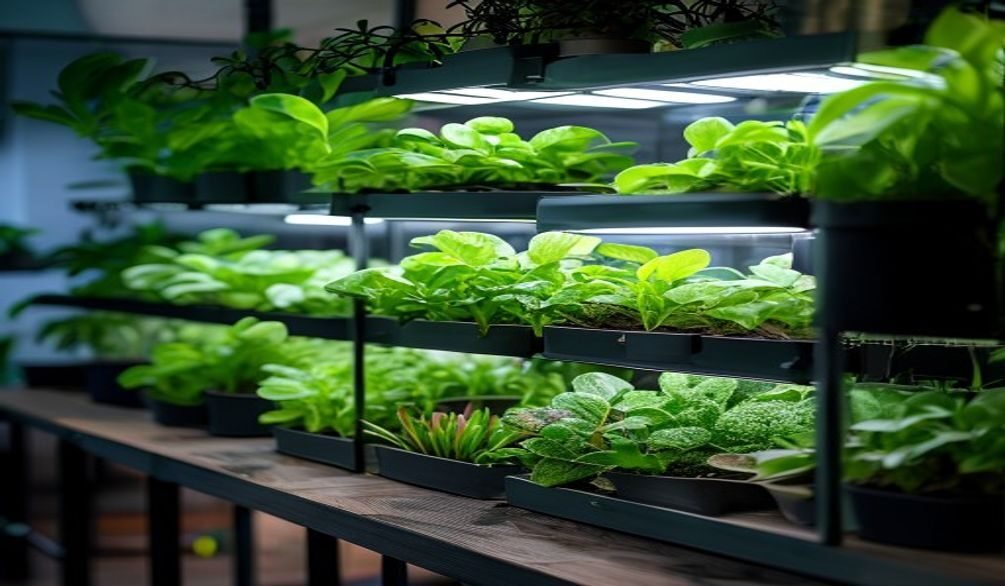
- Grow Lights for Seedlings: Once seeds sprout, they need ample light to prevent them from becoming leggy. LED full-spectrum grow lights are highly efficient and provide the necessary light spectrum for strong, compact growth.
- Watering Can or Spray Bottle: A gentle watering method is critical to avoid disturbing delicate seeds and seedlings.
- Labels and Markers: Keep track of your varieties and planting dates with clear labels.
In practice, investing in good quality, reusable supplies pays off over time, reducing waste and ensuring reliable performance season after season.
What is the Best Organic Seed Starting Mix?
The foundation of strong, healthy organic seedlings lies in the quality of your growing medium. Many new gardeners ask, “What soil do you use for organic seed starting?” The short answer is: a specialized organic seed starting mix, not garden soil or regular potting mix. Do organic seeds need special soil? Yes, they thrive in a mix designed for their specific needs.
A high-quality organic seed starting mix is lightweight, fine-textured, and sterile, providing the perfect environment for tiny roots to emerge. Farmer Nick of Espoma Organic emphasizes that “The foundation of strong seedlings begins with the right soil… a high-quality organic seed starting mix… is specifically designed to be lightweight, allowing roots to spread easily while providing essential nutrients to support those first delicate sprouts.” This means it holds moisture well without becoming waterlogged, which is crucial for preventing common seedling diseases.
You can definitely start seeds with organic potting mix, but choose one specifically labeled for seed starting. Popular and well-regarded organic seed starting mixes include Burpee Organic Seed Starting Mix, Espoma Organic Seed Starter, Purple Cow Organics Seed Starting Mix, and PRO-MIX Organic Seed Starting Mix. These commercial options are convenient and reliable, often containing beneficial microbes that support early plant development.
DIY Organic Seed Starting Mix Recipe
For those who prefer a hands-on approach or want to control ingredients, creating your own diy organic seed starting mix recipe is a rewarding option. This allows you to tailor the mix to your specific needs and can be more cost-effective.
Here’s a simple recipe to get you started:
- 2 parts Coir or Peat Moss: Provides excellent water retention and aeration. If using peat, ensure it’s sustainably sourced.
- 1 part Perlite or Vermiculite: Improves drainage and aeration, preventing compaction.
- 1 part Compost: A high-quality, fine-sifted organic compost introduces essential nutrients and beneficial microorganisms, crucial for organic growth.
- Optional: A sprinkle of organic slow-release fertilizer or kelp meal for an extra nutrient boost.
Thoroughly mix all ingredients, then moisten the blend until it’s damp but not soggy, like a wrung-out sponge. This homemade mix provides a nutrient-rich, well-draining environment for your emerging organic seedlings.
How to Plant Your Organic Seeds for Success
Once you have your organic seed starting supplies and chosen the best organic seed starting mix, it’s time for the exciting part: planting your seeds. Proper planting techniques are vital for successful germination and the development of strong, healthy seedlings. Pay close attention to seed depth and spacing to give each tiny plant the best chance to thrive.
Follow these steps for optimal results:
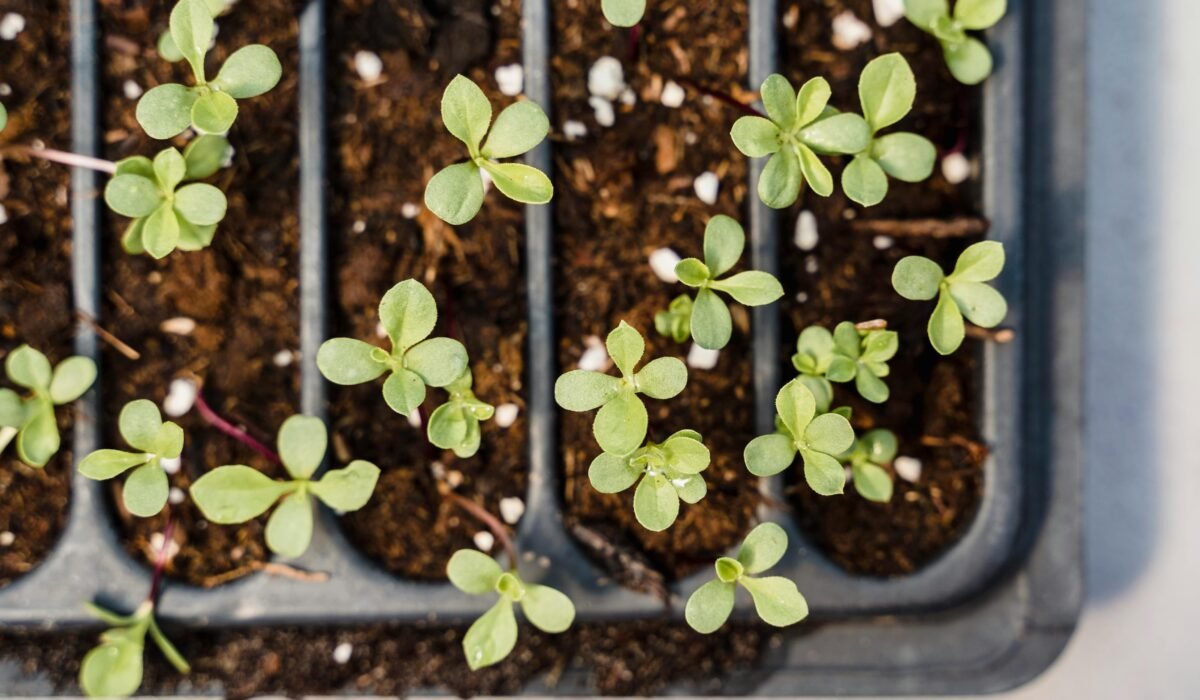
- Prepare Your Trays: Fill your chosen seed trays or pots with the moistened organic seed starting mix, gently tamping it down to remove large air pockets. Leave about half an inch of space from the rim.
- Planting Depth: A general rule of thumb for how to plant organic seeds is to plant them at a depth of about twice their diameter. Very tiny seeds, like lettuce or basil, can often be surface-sown and lightly covered with a thin layer of vermiculite or mix. Always refer to your seed packet for specific instructions.
- Spacing: Sow seeds thinly to avoid overcrowding. If using trays with individual cells, plant 1-2 seeds per cell. If broadcasting in an open tray, aim for a half-inch to an inch between seeds. Overcrowding leads to weak, leggy seedlings competing for light and nutrients, which is a common challenge for organic gardening for beginners indoors.
- Gently Water: After planting, water gently using a fine spray bottle or by bottom-watering (placing the tray in a shallow pan of water until the surface is moist). This prevents dislodging the seeds.
- Cover and Warm: Place propagation domes over your trays to maintain humidity. If using, position your seedling heat mats underneath the trays to provide consistent warmth for germination.
- Label Clearly: Don’t forget to label each tray or cell with the plant name and planting date. This is crucial for tracking growth and planning your garden.
A genuine insight here: always read your seed packets thoroughly. They contain specific instructions for that particular variety, including germination times, ideal temperatures, and planting depths, which can vary significantly.
Caring for Organic Seedlings: Light, Water & Temperature
Once your organic seeds have germinated, the next critical phase involves providing the right environmental conditions to encourage robust growth. Proper organic seedling care tips for light, water, and temperature are paramount to developing strong, transplant-ready plants. Getting these elements right is key to preventing common issues like leggy growth or damping-off.
Optimizing Light for Seedlings
Light is arguably the most crucial factor after germination. Seedlings need intense, direct light for 12-16 hours a day. Without sufficient light, seedlings will stretch and become “leggy,” meaning they develop long, weak stems as they reach for light. This makes them vulnerable to snapping and less resilient when transplanted.
For starting seeds indoors organically, grow lights for seedlings are essential. Full-spectrum LED lights are highly recommended because they mimic natural sunlight and are energy-efficient. Position your grow lights just a few inches above the tops of your seedlings, adjusting the height as they grow. This ensures they receive adequate intensity without burning.
Watering Best Practices for Organic Seedlings
Watering vegetable garden plants, especially seedlings, requires a delicate touch. The goal is to keep the organic seed starting mix consistently moist but never waterlogged. Overwatering is a common killer of young seedlings, leading to root rot and diseases like damping-off.
Water from the bottom when possible, by placing your seed trays in a shallow basin of water for 10-15 minutes, allowing the mix to absorb moisture through the drainage holes. Once the surface is moist, remove the trays and let them drain. If watering from the top, use a gentle stream or spray bottle to avoid disturbing the delicate roots and soil structure. Aim for watering every 1-2 days, but always check the soil moisture first – it should feel slightly dry to the touch on the surface before rewatering.
Maintaining Ideal Temperature
Temperature plays a significant role in seedling development. While seedling heat mats are excellent for germination, once seeds sprout, most seedlings prefer slightly cooler ambient temperatures, typically between 60-70°F (15-21°C). Cooler temperatures can help prevent leggy growth and encourage stronger root development. However, avoid drastic temperature fluctuations, which can stress young plants. A consistent environment promotes steady, healthy growth.
Troubleshooting Common Organic Seedling Problems
Even with the best intentions and organic practices, gardeners sometimes encounter challenges with their seedlings. Addressing these issues with organic solutions is crucial for maintaining the integrity of your garden. Understanding the root cause of problems can help you act quickly and effectively. If you find your seedlings wilting, for example, it’s often a sign of either too much or too little water.
Preventing Damping-Off Organically
Damping-off is a common fungal disease that causes young seedlings to suddenly collapse at the soil line. It’s often caused by overly wet conditions, poor air circulation, or contaminated soil. To prevent damping off organically:
- Sterilize Equipment: Always use clean seed trays and tools, washing them with a dilute bleach solution or hydrogen peroxide between uses.
- Proper Airflow: Remove propagation domes once most seeds have germinated. Use a small fan to gently circulate air around your seedlings for a few hours a day.
- Optimal Watering: Avoid overwatering, and ensure excellent drainage. Water from the bottom whenever possible.
- Cinnamon Dust: A light dusting of ground cinnamon on the soil surface can act as a natural fungicide.
Managing Nutrient Deficiencies in Organic Mixes
Organic seed starting mixes, especially those without synthetic fertilizers, might have less immediately available nutrients. If your seedlings show signs of yellowing leaves or stunted growth after their first true leaves appear, they might need a gentle nutrient boost.
Consider using a diluted organic liquid fertilizer, such as fish emulsion or compost tea, at half strength. Apply it every 1-2 weeks after the seedlings have developed their first set of true leaves. This provides the necessary nourishment without overwhelming their delicate systems.
Natural Pest Control for Organic Seedlings
Organic seedlings can occasionally attract pests like fungus gnats, especially in moist environments. These tiny flies lay eggs in the soil, and their larvae can feed on seedling roots.
- Reduce Moisture: Allow the top layer of soil to dry out slightly between waterings, as fungus gnats thrive in wet conditions.
- Sticky Traps: Yellow sticky traps placed near your seedlings will catch adult gnats, reducing their population.
- Beneficial Nematodes: Introducing beneficial nematodes (microscopic worms that prey on gnat larvae) into the soil can be an effective biological control.
- Neem Oil Spray: A diluted neem oil solution can be used as a preventative or treatment for various pests, ensuring your organic seedlings remain pest-free.
The key to organic troubleshooting is observation and early intervention. Small problems can quickly escalate if left unaddressed.
Cost-Benefit of Organic Seed Starting: Is it Worth It?
Many gardeners ponder the initial investment when considering how to start organic seeds. While the upfront cost of organic seeds and specialized organic seed starting supplies might seem higher than conventional options, the long-term benefits and overall value make it a worthwhile endeavor. It’s not just about immediate savings, but about investing in your garden’s future and your family’s health.
Let’s break down the cost-benefit of organic seed starting:
- Initial Costs: Organic seeds typically cost slightly more due to the stringent certification process and often smaller-scale production. Organic seed starting mixes and specialized tools like seedling heat mats and grow lights also represent an initial outlay.
- Long-Term Savings: By starting your own seeds, you can save significant money compared to buying mature plant starts from a nursery. A single packet of organic seeds can yield dozens of plants for the cost of one or two nursery starts.
- Improved Soil Health: Organic practices contribute to healthier soil ecosystems over time. This reduces the need for costly chemical inputs and creates a more resilient garden environment.
- Resilient Plants: Organically started plants, especially those from open-pollinated or heirloom varieties, often exhibit greater genetic diversity and adaptability. As seen in Rodale Institute’s trials, organic systems can even outperform conventional ones in challenging conditions like drought, yielding more robust plants that require less intervention later on.
- Higher Nutritional Value: While research is ongoing, many studies suggest organically grown produce can have higher levels of certain vitamins, minerals, and antioxidants. This means your homegrown organic vegetables are not just fresh, but potentially more nourishing.
- Potential for Seed Saving: If you choose open-pollinated organic seeds, you can save seeds from your healthiest plants for future seasons, creating a truly self-sustaining and free seed supply. This drastically reduces future costs.
The real return on investment in organic seed starting is not just financial; it’s in the enhanced flavor, peace of mind, environmental stewardship, and the profound satisfaction of growing your own healthy, natural food.
Integrating Organic Seed Starting into Your Holistic Garden
Organic seed starting is not an isolated activity; it’s the very first step in cultivating a thriving, holistic organic garden. By nurturing strong, healthy organic seedlings from the outset, you contribute significantly to the overall health and resilience of your entire garden ecosystem. This approach fosters a natural balance that reduces the need for external interventions.
Healthy, organically started seedlings are inherently more robust and better equipped to withstand pests and diseases once transplanted into the garden. They integrate more seamlessly into the existing soil food web, contributing to soil vitality and long-term fertility. This foundational strength supports the principles of organic chemical-free herb garden or vegetable beds.
Consider how your organic seed starting choices impact future seasons. If you choose heirloom vs organic seeds that are open-pollinated, you open the door to seed saving. Rosie Lerner, retired Purdue University consumer horticulture specialist, advises gardeners to “buy quality seed from a reliable dealer” but also cautions against saving seeds from hybrid varieties, as they may not remain true to the original plant. Saving seeds from open-pollinated organic plants allows you to adapt varieties to your specific microclimate over time, creating a truly resilient garden.
Integrating organic seed starting also involves planning for crop rotation and companion planting, even at the seedling stage. Understanding where your seedlings will eventually go helps you cultivate a diverse, healthy garden that thrives naturally. The Organic Seed Alliance actively works to advance ethical seed solutions, fostering diverse varieties and climate resilience, which perfectly aligns with building a holistic garden from the ground up.
Frequently Asked Questions
What is the best way to start organic seeds?
The best way to start organic seeds involves using certified organic seeds, a high-quality organic seed starting mix, and providing optimal conditions for light, water, and temperature. This includes using propagation domes, potentially a seedling heat mat for germination, and full-spectrum grow lights once sprouts emerge to ensure strong, non-leggy growth. Following specific instructions on seed packets for depth and spacing is also crucial for success.
What soil do you use for organic seed starting?
For organic seed starting, you should use a specialized organic seed starting mix, not regular garden soil or potting mix. These mixes are fine-textured, lightweight, sterile, and designed to provide excellent drainage and moisture retention, which is ideal for delicate seedlings. Popular brands include Espoma Organic Seed Starter or Burpee Organic Seed Starting Mix, or you can create your own DIY organic seed starting mix recipe with ingredients like coir, perlite, and fine compost.
Do organic seeds need special soil?
Yes, organic seeds benefit greatly from special soil designed for seed starting. While they can germinate in various mediums, a high-quality organic seed starting mix provides the sterile, lightweight, and nutrient-balanced environment tiny seedlings need to thrive without competition or disease. This specialized mix ensures proper aeration and moisture levels, which are critical for preventing issues like damping-off and promoting strong root development.
Can you start seeds with organic potting mix?
You can start seeds with an organic potting mix, but it’s important to choose one specifically formulated and labeled for “seed starting.” Regular organic potting mixes can be too coarse, heavy, or nutrient-dense for delicate seedlings, potentially hindering germination and promoting disease. A dedicated organic seed starting mix is typically finer, lighter, and has a lower nutrient content, which is ideal for the initial stages of growth.
Mastering how to start organic seeds is a rewarding journey that connects you deeply with your garden’s life cycle. By following these expert guidelines and embracing organic principles from the very beginning, you’re not just growing plants; you’re cultivating a healthier ecosystem and a more sustainable future. Start your organic seeds today and watch your garden flourish with natural vitality.