Are you wondering how to give your vegetable garden the best possible chance at a bountiful harvest? Mastering the art of Fertilizing Your Vegetable Garden is crucial for healthy plants and abundant produce. This comprehensive guide will illuminate when and what to feed your plants, transforming your garden into a thriving, productive space.
Why is Fertilizing Your Vegetable Garden Essential?
Just like humans need a balanced diet to thrive, your vegetable plants require specific nutrients to grow strong, resist disease, and produce delicious yields. While soil naturally contains some nutrients, continuous cropping depletes these vital resources, making supplemental feeding a necessity for most successful gardens.
As the Virginia Cooperative Extension (VCE) emphasizes, “Proper fertilization is essential for productive home vegetable gardens.” Without adequate nutrition, plants can become stunted, leaves may yellow, and fruit production can severely diminish. This is why understanding and implementing a thoughtful fertilization strategy is a cornerstone of effective gardening.
The sheer number of gardeners today underscores this need: 55% of American households garden, a figure that surged with 18.3 million new gardeners during the COVID-19 pandemic. These millions are all seeking ways to maximize their harvest, and proper feeding is a primary lever.
Understanding NPK Ratios and Essential Plant Nutrients
When you look at a fertilizer bag, you’ll notice three prominent numbers, like 10-10-10 or 5-10-5. These are the NPK ratios explained, representing the percentage by weight of Nitrogen (N), Phosphorus (P), and Potassium (K) in the product. Each of these primary macronutrients plays a distinct, critical role in plant development.
As the VCE succinctly puts it, “Nitrogen is for leafy top growth; phosphorus is for root and fruit production; and potassium is for cold hardiness, disease resistance, and general durability.” Beyond these big three, plants also need secondary nutrients like calcium and magnesium, and micronutrients such as iron and zinc, albeit in smaller quantities.
The Importance of Soil Testing
Before you even think about buying fertilizer, the single most impactful step you can take is a soil test for your vegetable garden. This inexpensive test provides a precise snapshot of your soil’s current nutrient levels and pH, removing all guesswork. Knowing what your soil already has prevents over-application and ensures you only add what’s truly needed.
You can purchase home soil testing kits, but for the most accurate results, consider sending a sample to your local extension office or a university lab. This will give you specific recommendations tailored to your garden, making your fertilization efforts much more efficient and environmentally responsible.
When to Fertilize Your Vegetable Garden: Timing is Key
Knowing when to fertilize your vegetable garden is just as important as knowing what to use. The timing of nutrient application directly impacts how effectively plants can absorb and utilize them. Generally, vegetables benefit from initial fertilization at planting and subsequent feedings throughout their growth cycle, especially during periods of rapid development or fruit production.
A smart vegetable garden fertilization schedule often begins with incorporating amendments into the soil before planting. This foundational feeding provides a steady supply of nutrients as young plants establish themselves. Post-planting, supplemental feeding, often called side-dressing, is usually applied around the base of plants or between rows.
Growth Stage Fertilization
Different growth stages demand different nutrient priorities. Young seedlings and leafy greens, for instance, crave nitrogen for robust vegetative growth. Fruiting plants like tomatoes, peppers, and squash, however, require more phosphorus and potassium as they begin to flower and set fruit. This targeted approach ensures nutrients are available when plants need them most.
Many gardeners opt for a slow release fertilizer at planting time, which provides a gradual, consistent supply of nutrients over several weeks or months. This reduces the need for frequent applications and minimizes the risk of nutrient runoff, making it a sustainable choice.
Choosing the Best Fertilizers for Your Vegetable Garden
The market offers a vast array of options, making it challenging to pinpoint the best fertilizers for your vegetable garden. Your choice often comes down to personal preference, gardening philosophy (organic vs. conventional), and the specific needs identified by your soil test.
Oregon State University Extension Service points out a key fact: “Plants do not differentiate between nutrients from organic and chemical fertilizers; the form absorbed by plant roots from both sources is identical.” The real difference lies in how those nutrients become available to the plant and their impact on soil health.
Organic Options for Thriving Gardens
For those prioritizing soil health and sustainable practices, exploring organic vegetable fertilizer is a natural choice. These fertilizers, derived from natural sources, often improve soil structure and foster beneficial microbial activity over time. Some popular and effective options include:
- Jobe’s Organics Granular Fertilizer and Jobe’s Organics Vegetable & Tomato Fertilizer Spikes: These are excellent slow-release options, often made with feather meal and bone meal.
- Down to Earth Organic Vegetable Fertilizer: Known for its all-natural ingredients, including fish bone meal and kelp, providing a balanced nutrient profile.
- Dr. Earth Organic 5 Tomato, Vegetable & Herb Fertilizer: Features kelp, alfalfa meal, and fish bone meal, along with beneficial soil microbes to enhance nutrient uptake.
- Espoma Garden-Tone (or plant-specific lines like Tomato-Tone): A highly recommended organic choice derived from natural ingredients like bone meal, poultry manure, and alfalfa meal.
You can also consider homemade vegetable fertilizer options like compost tea or worm castings, which contribute to both plant nutrition and soil vitality. These solutions are often cost-effective and align perfectly with organic gardening principles.
Synthetic & Slow-Release Solutions
Synthetic fertilizers offer readily available nutrients, often with precise NPK ratios. For busy gardeners seeking convenience, polymer-coated slow-release synthetic fertilizers like Osmocote Smart-Release Plant Food (15-9-12) are popular. They deliver nutrients consistently over 5-6 months, reducing the frequency of application.
While effective, it’s crucial to use synthetic fertilizers judiciously. Joseph Heckman, Extension Specialist in Soil Fertility at Rutgers NJAES, warns, “Organic fertilizers are safe if used properly, but overapplication can pollute water supplies just as overapplication of inorganic fertilizers.” Responsible application is always paramount.
Tailoring Fertilization for Specific Vegetable Types
General advice is a good starting point, but truly maximizing your harvest means understanding plant specific fertilizer needs. Different vegetables are “heavy feeders,” “moderate feeders,” or “light feeders,” and their nutrient demands shift throughout their life cycle.
For example, corn is a notoriously heavy nitrogen feeder, often benefiting from nitrogen fertilization every 4 weeks during its active growth. Leafy greens like spinach and lettuce also thrive with a nitrogen boost, promoting lush foliage. Fruiting plants such as tomatoes, peppers, and eggplants, once established, require more phosphorus for robust flowering and potassium for fruit development and disease resistance. If you’re growing tomatoes, understanding their specific needs can help prevent issues like Early Blight.
Root crops like carrots, radishes, and beets, on the other hand, need less nitrogen to prevent excessive top growth at the expense of root development. Instead, they appreciate balanced nutrients with a slight emphasis on phosphorus for strong root formation. Understanding these nuances helps you apply nutrients precisely where they’ll do the most good.
Common Fertilizing Mistakes to Avoid for a Bountiful Harvest
Even with the best intentions, it’s easy to make fertilizing errors that can harm your plants rather than help them. Recognizing these pitfalls is key to a truly bountiful harvest.
- Over-fertilization: This is perhaps the most common mistake. Too much fertilizer can lead to excessive foliage with little to no fruit production, a phenomenon known as “nutrient lockout in plants” if pH is affected. It can also cause fertilizer burn, where salts in the fertilizer draw water out of plant roots, leading to wilting and browning. Look for over-fertilization signs like stunted growth, burnt leaf tips, or wilting.
- Applying Granular Fertilizer to Wet Leaves: Granular fertilizers can stick to wet foliage and cause burns as they dissolve. Always apply granular products to dry leaves and then water them in thoroughly to wash the nutrients down to the roots.
- Ignoring Soil Test Results: Guessing what your soil needs can lead to an imbalance, adding nutrients already present in abundance or missing critical deficiencies. A proper soil test is your roadmap.
- Incorrect Timing: Fertilizing at the wrong growth stage, or too late in the season, can be ineffective or even detrimental. For instance, a heavy nitrogen application late in the season for fruiting plants can encourage leafy growth instead of ripening fruit.
- Improper pH: Even if all the nutrients are present, plants can’t absorb them if the soil pH is too high or too low. This is another form of nutrient lockout in plants, where nutrients are chemically bound and unavailable. A soil test will reveal your pH, allowing you to amend it if necessary.
By being mindful of these common errors, you can ensure your efforts in Fertilizing Your Vegetable Garden genuinely contribute to its success.
Sustainable Soil Health: Beyond Basic Fertilizing
True gardening expertise extends beyond simply adding nutrients; it involves fostering a vibrant, living soil ecosystem. This “soil-first approach” builds long-term fertility and resilience, reducing the reliance on external inputs over time. It’s about creating a healthy home for your plants, not just feeding them.
Embracing sustainable gardening practices means prioritizing the health of your soil’s microbiome. This often involves incorporating diverse organic matter, utilizing cover crops in off-seasons, and minimizing soil disturbance to protect beneficial organisms. These actions naturally enhance nutrient cycling and availability.
The Power of Compost and Organic Matter
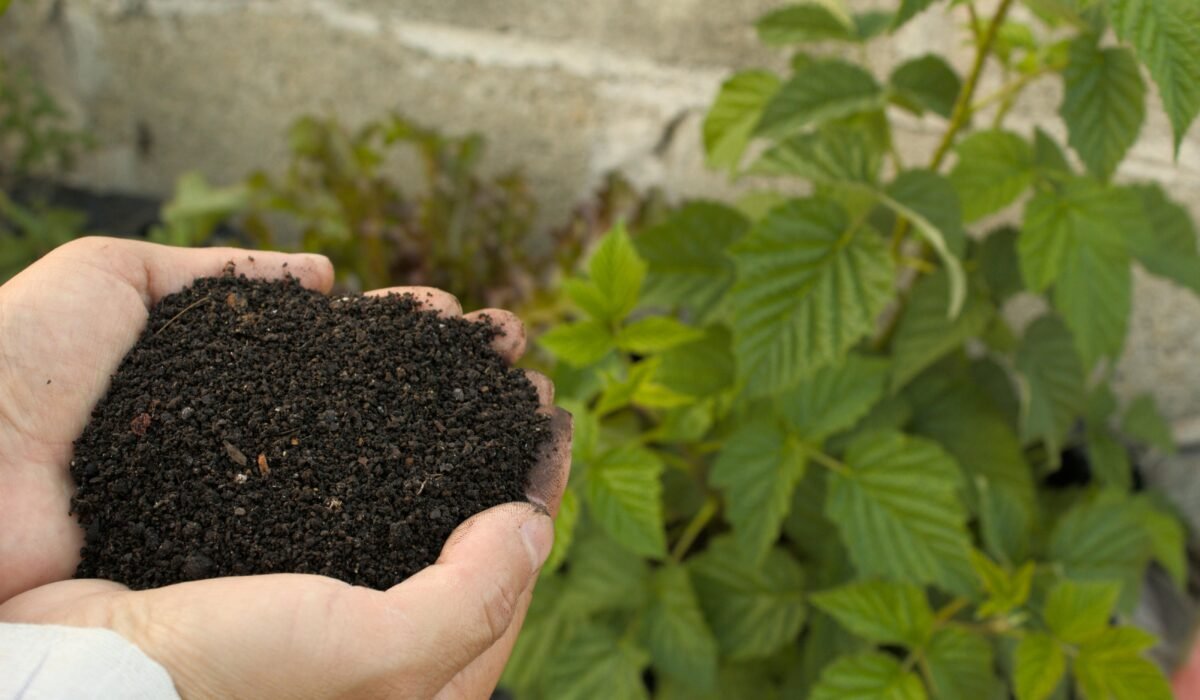
The foundation of sustainable soil health is the consistent addition of organic matter. Compost and well-rotted manure are invaluable vegetable garden soil amendments, improving soil structure, water retention, and providing a slow, steady release of nutrients. Worm castings are another fantastic option, rich in major and minor nutrients and beneficial microbes.
Regularly amending your soil with these materials helps build a robust soil food web, where microorganisms break down organic matter into forms plants can easily absorb. This natural process is far more complex and beneficial than simply applying synthetic nutrients.
Exploring Compost Tea
For an extra boost of beneficial organisms, consider using compost tea. Made by steeping finished compost in water, compost tea benefits plants by increasing growth, suppressing disease, and adding a diverse array of microbes to the soil. Nicky Schauder of Permaculture Gardens, in a SSARE Producer Grant project, noted, “The goal is to show that aerated compost tea can result in the same or improved yields as commercial fertilizer applications.”
When making compost tea, ensure proper aeration to prevent the growth of anaerobic bacteria, which can be harmful. A simple air pump, like those used for aquariums, can keep the brew oxygenated. For more on creating thriving garden environments, explore sustainable terrace garden design tips.
Frequently Asked Questions
What is the best fertilizer to use for a vegetable garden?
The best fertilizer for a vegetable garden depends on your soil test results and the specific needs of your plants. For most home gardeners, a balanced organic vegetable fertilizer like Espoma Garden-Tone or Dr. Earth’s Organic 5, combined with regular compost amendments, provides excellent, slow-release nutrition. These options feed both your plants and the vital soil microbiome.
How often should I fertilize my vegetable garden?
Generally, you should fertilize your vegetable garden at planting time and then once or twice more during the growing season, especially for heavy feeders or fruiting plants. The exact frequency depends on the fertilizer type (slow-release vs. quick-release liquid), your soil’s fertility, and the specific needs of the vegetables you are growing. A soil test provides the best guidance for a tailored vegetable garden fertilization schedule.
What is a good natural fertilizer for vegetables?
Excellent natural fertilizers for vegetables include well-rotted compost, which improves soil structure and provides a slow nutrient release, and organic granular fertilizers like those from Jobe’s Organics or Down to Earth. Liquid options like fish emulsion or compost tea also offer quick, natural boosts of nutrients and beneficial microbes. These choices support both plant health and long-term soil vitality.
What is the best NPK for vegetables?
The “best NPK for vegetables” varies significantly based on growth stage and specific plant needs. For general garden use, a balanced NPK ratio like 5-5-5 or 10-10-10 is often recommended. However, young leafy greens benefit from higher nitrogen (e.g., 10-5-5), while fruiting plants like tomatoes prefer more phosphorus and potassium during flowering and fruiting (e.g., 5-10-10). Always consult your soil test and specific plant requirements.
Mastering the art of Fertilizing Your Vegetable Garden is an ongoing journey of observation and learning, but it’s one that promises incredibly rewarding results. By understanding your soil, timing your applications wisely, and choosing the right nutrients, you’re not just feeding plants; you’re cultivating a thriving ecosystem. Take these insights to your garden, apply them thoughtfully, and watch your plants flourish, delivering a harvest beyond your wildest expectations.