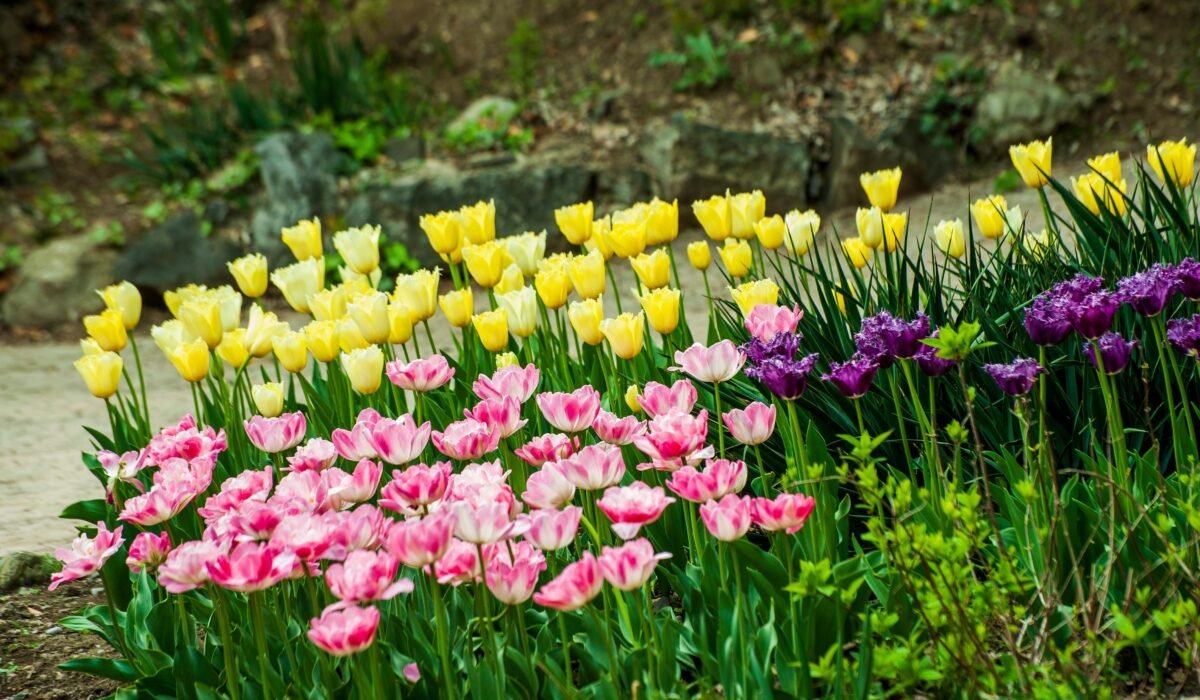
Ever wondered how to transform your garden from a collection of plants into a cohesive, stunning masterpiece? Learning how to choose garden color palette is the secret to achieving that professional, harmonious look that truly elevates your outdoor space. This expert guide will walk you through the essential principles of color theory and practical plant selection, ensuring your garden’s visual impact is exactly what you envision.
What is a Garden Color Palette and Why Does it Matter?
A garden color palette refers to the carefully selected range of hues used in your planting scheme, encompassing not just flowers but also foliage, hardscaping, and even garden structures. It’s essentially the visual language of your outdoor space, dictating its overall feel and aesthetic appeal. Think of it as painting a picture, but with living, growing elements.
This deliberate choice of garden design colors is crucial because it directly influences the mood and perception of your garden. A well-chosen palette creates cohesion, guides the eye, and can evoke specific emotions, from vibrant joy to serene tranquility. What most people miss is that a thoughtful color palette transforms a collection of plants into a unified, artistic statement, enhancing the entire property’s curb appeal and your personal enjoyment.
How to Choose Your Garden’s Color Palette: A Step-by-Step Guide
Embarking on the journey to define your garden’s visual identity begins with a clear, systematic approach. Here’s how to choose garden color palette effectively, ensuring every plant selection contributes to your desired outcome.
Assess Your Space and Style
Before diving into specific flower combinations, take a moment to observe your existing environment. Consider your home’s architectural style and exterior color, as these elements form the backdrop for your garden. Your personal preference and the desired mood for your garden—whether it’s lively, calming, or dramatic—should also guide your initial choices. For example, a modern home might suit a minimalist palette, while a cottage garden thrives with abundant, varied hues.
Understand the Color Wheel
The color wheel is your most powerful tool in garden design. It visually organizes colors into primary (red, blue, yellow), secondary (orange, green, purple), and tertiary hues, showing their relationships. Grasping basic color theory allows you to predict how different flower colors will interact and what visual impact they will create. This fundamental understanding is key to unlocking stunning garden color schemes.
Select a Dominant Color
Every compelling garden palette usually starts with a dominant color or a small group of colors that sets the tone. This could be your favorite color, a hue that complements your home, or a color that thrives in your local environment. Once you establish this anchor, building the rest of your palette becomes much simpler, providing a focal point for your garden design principles.
Choose Complementary or Harmonizing Hues
With your dominant color in mind, consult the color wheel to select additional hues. You might opt for complementary colors for high contrast and energy, or analogous schemes for a softer, more blended look. This step involves experimenting with different flower color combinations to see what truly resonates with your vision. In practice, I find that even just two or three well-chosen colors can create a much stronger statement than a chaotic mix.
Consider Seasonal Changes
A truly dynamic garden color palette evolves throughout the year. Think about bloom times and foliage changes across seasons. Plan for continuous color by selecting plants that flower at different points, ensuring your garden remains vibrant from spring through fall. This often means incorporating perennials, annuals, and even shrubs with interesting leaf colors or fall foliage.
Understanding Garden Color Schemes: The Best Combinations for Flowers
Once you grasp the basics of the color wheel, you can apply specific garden color schemes to achieve various effects. These established principles help you craft intentional and beautiful flower combinations.
Monochromatic Garden Schemes
A monochromatic garden utilizes various shades, tints, and tones of a single color. For example, a blue monochromatic scheme might feature sky blue delphiniums, deep indigo salvias, and pale lavender asters. This approach creates a sophisticated, calming, and cohesive visual impact, often appearing larger and more unified. The key here is varying textures and plant forms to prevent monotony, as noted by the Royal Horticultural Society in their design guides.
Analogous Schemes
Analogous schemes use colors that sit next to each other on the color wheel, such as yellow, orange, and red, or blue, green, and purple. These combinations are inherently harmonious and create a smooth, flowing transition that is very pleasing to the eye. They evoke a sense of calm and unity, making them excellent choices for creating serene garden spaces. Imagine a border flowing from soft yellow marigolds to vibrant orange calendulas and deep red zinnias.
Complementary Color Schemes
Complementary colors are directly opposite each other on the color wheel, like red and green, blue and orange, or yellow and purple. These pairings offer the highest contrast and create a vibrant, energetic feel. They demand attention and can make individual plants truly pop. For instance, pairing brilliant orange California poppies with deep blue delphiniums creates an electrifying display. While visually striking, use complementary colors judiciously to avoid an overwhelming effect.
Triadic and Tetradic Schemes
For the more adventurous gardener, triadic schemes use three colors equally spaced on the color wheel (e.g., red, yellow, blue), while tetradic schemes use four colors. These offer rich, complex flower combinations and high visual interest, but require careful balancing to prevent visual clutter. The trick is to let one color dominate, with the others acting as accents, maintaining a sense of order amidst the vibrancy. For example, a triadic scheme could feature bold red petunias, sunny yellow marigolds, and deep blue lobelia.
Here are some popular flower combinations based on these schemes:
- Monochromatic (White): White hydrangeas, white impatiens, white petunias, variegated hostas.
- Analogous (Warm): Orange rudbeckia, yellow coreopsis, red salvia.
- Complementary (Classic): Purple verbena with yellow calendula, or blue delphinium with orange lilies.
- Triadic (Primary): Red geraniums, blue salvia, yellow pansies.
Warm vs. Cool Colors: Shaping Your Garden’s Mood and Perception
Understanding the distinction between warm cool colors is fundamental to masterful garden design. Warm colors, like reds, oranges, and yellows, are often associated with energy, passion, and excitement. They tend to “advance” visually, meaning they draw the eye closer and make a space feel more intimate and vibrant. Think of a fiery bed of red salvias and orange marigolds – it feels immediate and lively.
Conversely, cool colors such as blues, purples, and greens evoke feelings of calm, serenity, and spaciousness. They tend to “recede” visually, creating an illusion of distance and making a garden appear larger and more tranquil. A border filled with lavender, blue hydrangeas, and various green hostas creates a peaceful, expansive retreat. The short answer is, warm colors bring energy, while cool colors bring calm and depth to your garden’s mood and perception.
Beyond Aesthetics: What Colors Make a Garden Look Bigger?
If you’re working with a smaller outdoor space, strategic use of color can dramatically alter its perceived size. The principle is simple: cool colors recede, and warm colors advance. Therefore, to make a garden look bigger, you should primarily use cool colors.
Blues, purples, and soft greens are excellent choices because they create an optical illusion of depth and distance. Planting lighter shades of these cool colors at the furthest points of your garden enhances this effect, making the boundaries seem to stretch further away. For example, a backdrop of pale blue delphiniums or lavender can make a small border feel much deeper. What most people miss is that incorporating plants with fine textures alongside these cool colors further enhances the illusion of space, as intricate details also contribute to perceived distance.
Selecting Flowers for Your Chosen Color Palette: Practical Tips
Once your ideal garden color schemes are mapped out, the real fun begins: choosing the actual plants! This phase moves beyond pure color theory into the practicalities of plant selection, ensuring your vision thrives.
Research Plant Selection
Color is just one aspect; successful planting also depends on matching plants to your garden’s conditions. Always research a plant’s specific needs for light, soil type, and moisture. Consider its mature size and growth habit to ensure it fits comfortably within your design without overcrowding. A vibrant flower combination won’t look good if the plants aren’t healthy and thriving, which often means ensuring proper nutrition; sometimes, a good basic garden fertilizer can make all the difference.
Consider Foliage and Texture
Don’t just think about flower colors. Foliage offers a vast spectrum of greens, silvers, purples, and even reds, providing continuous color and texture even when flowers aren’t blooming. Variegated leaves, interesting shapes, and different textures (e.g., feathery ferns next to broad hosta leaves) add depth and interest. Green is a powerful neutral that allows other colors to pop, acting as a resting place for the eye.
Use White and Green as Unifiers
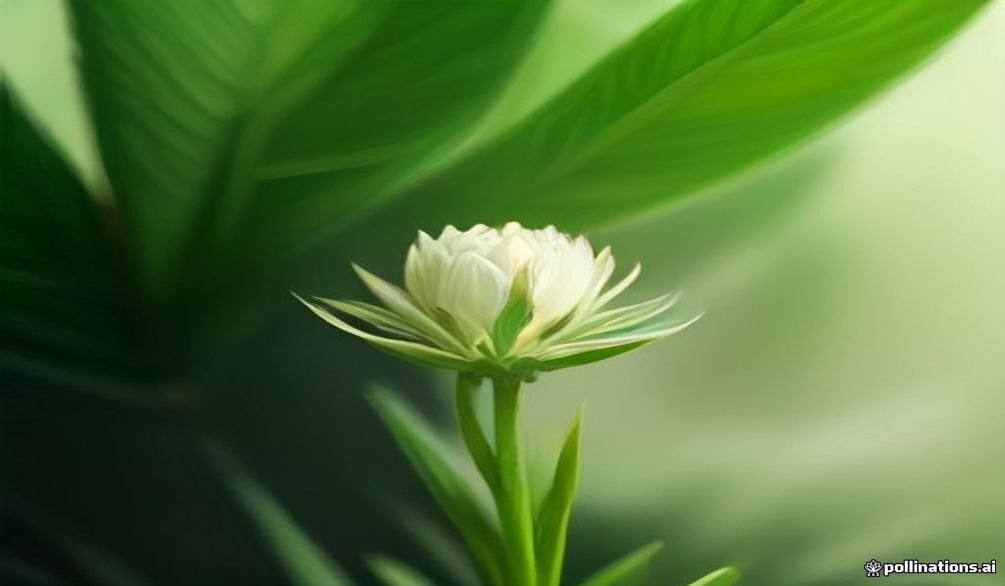
White flowers and green foliage are invaluable for tying together disparate colors in a complex palette. White acts as a neutralizer, providing a visual break and allowing the eye to reset, making other colors appear more vibrant. Green, in its myriad shades, naturally unifies the entire composition, creating a lush backdrop against which your chosen flower combinations can truly shine. They are perfect for softening transitions between bolder hues.
Groupings for Impact
Planting flowers in drifts or groups of three, five, or more of the same variety creates a much stronger visual impact than scattering single plants. This mass planting approach ensures your chosen colors register clearly from a distance and prevents a “dotty” appearance. Large blocks of color contribute significantly to the overall coherence of your plant color palette.
Test Your Ideas
Before committing to a large-scale planting, try out your color ideas in smaller sections or even in containers. This allows you to observe how colors interact in your garden’s specific light conditions throughout the day and across seasons. It’s a low-risk way to refine your choices and ensures you love the final flower combinations. For perennials, remember that dividing perennial flowers can help propagate your favorites once you’ve settled on a winning scheme.
Designing for Success: Common Mistakes to Avoid
Even with a solid grasp of color theory and plant selection, certain pitfalls can derail your garden’s aesthetic. Being aware of these common mistakes will help you design a truly successful and harmonious space.
Overlooking the Context
One frequent error is designing a garden in isolation, without considering its surroundings. Your garden isn’t just a standalone entity; it’s an extension of your home and the broader landscape. Always factor in the color of your house, fences, existing trees, and even neighboring gardens. A palette that clashes with these elements will never feel truly integrated or appealing.
Too Many Colors
While a diverse garden is wonderful, a garden with too many colors can quickly become chaotic and visually exhausting. This often happens when a gardener falls in love with individual plants without considering how they will interact as a whole. Aim for a cohesive plant color palette, even if it means limiting your dominant hues to a select few, allowing for greater clarity and impact.
Ignoring Bloom Times
A beautiful design on paper means little if all your chosen flowers bloom at the same time, leaving large gaps of greenery for the rest of the season. A common mistake is not planning for continuous interest. Ensure you select a variety of plants with staggered bloom times to maintain consistent color and visual appeal throughout the growing season.
Forgetting Foliage
Many gardeners focus solely on flower color and overlook the immense contribution of foliage. Leaves come in an astonishing array of greens, silvers, bronzes, and purples, offering texture and color even when flowers are absent. Ignoring foliage means missing out on year-round interest and valuable opportunities to enhance your garden design colors and overall cohesion.
Not Considering Light Conditions
Colors appear differently under various light conditions. A vibrant red might look muted in shade, while a pale blue could wash out in full sun. Always observe your garden throughout the day to understand how light affects your chosen hues. Planting a bright orange in a shady spot, for instance, might diminish its intensity, making it less effective than intended.
Frequently Asked Questions
How do I choose a color palette for my garden?
To choose a color palette for your garden, start by considering your personal style and the mood you want to create. Then, use a color wheel to understand how colors interact, selecting a dominant color and building out complementary or analogous schemes. Always consider your home’s existing colors and the specific light conditions of your garden space.
What are the best color combinations for flowers?
The “best” color combinations depend on your desired effect, but popular and effective options include monochromatic schemes (various shades of one color for sophistication), analogous schemes (colors next to each other on the color wheel for harmony), and complementary schemes (opposite colors for high contrast and vibrancy). Classic pairings like purple and yellow, or blue and orange, always make a strong visual impact.
How do you choose a garden color scheme?
Choosing a garden color scheme involves a few key steps: assess your garden’s existing elements and your personal preferences, consult the color wheel to understand relationships, decide on a dominant color, and then select harmonizing or contrasting hues. Remember to account for seasonal changes and the specific light conditions in your garden to ensure continuous beauty.
What colors make a garden look bigger?
Cool colors such as blues, purples, and soft greens are excellent for making a garden look bigger. These colors tend to recede visually, creating an illusion of depth and distance. Planting lighter shades of these cool colors at the back of your garden, combined with fine-textured plants, will enhance this expansive effect, making small spaces feel more open and spacious.
Mastering how to choose garden color palette is a transformative skill that elevates your outdoor space from ordinary to extraordinary. By understanding color theory, embracing deliberate plant selection, and avoiding common pitfalls, you can create a garden that not only thrives but also reflects your unique vision. Don’t be afraid to experiment and observe; your garden is a living canvas waiting for your artistic touch. Start designing your dream garden today, one vibrant hue at a time!