Seeing your beloved indoor plants develop discolored, spotted, or crispy leaves can be disheartening, prompting you to immediately ask, “What’s wrong?” Learning to diagnose indoor plant leaf problems visually is the first crucial step to saving your green companions. This comprehensive guide will equip you with the knowledge to identify common symptoms and understand their underlying causes, transforming you into a confident plant problem-solver.
What’s Wrong With My Plant Leaves? Start Your Visual Diagnosis
When you notice your houseplant isn’t looking its best, the first question that springs to mind is often, “What is wrong with my plant leaves?” The good news is that your plant is usually communicating its distress through visible plant symptoms. Just like a cough in humans, leaf discoloration or changes are often a clear signal that something needs attention, but rarely a definitive diagnosis on their own.
Dr. Carrie Harmon, an extension specialist at the University of Florida, insightfully notes that “Yellow leaves are to houseplants what coughing is to humans.” This means a single symptom might have multiple causes. Your job is to become a plant detective, observing carefully to determine if the issue is environmental (abiotic) or biological (biotic), as abiotic issues are far more common in houseplants than actual diseases.
Developing a keen eye for subtle changes is key to effective troubleshooting. A thorough visual inspection, combined with an understanding of basic plant needs, forms the foundation of any good plant health guide. Don’t just look at the problem leaf; examine the entire plant, its pot, and its environment.
How to Visually Diagnose Indoor Plant Leaf Problems
To effectively diagnose indoor plant leaf problems, you need a systematic approach. Start by examining the entire plant, not just the affected leaves. This helps you identify patterns in leaf discoloration or damage that point to a specific issue.
Here’s a practical step-by-step process for a visual diagnosis:
- Examine the Whole Plant: Look at both old and new growth. Are symptoms localized to one area, or spread throughout? This can indicate whether it’s a systemic issue or a localized problem like a pest infestation.
- Check the Soil: Dr. Harmon advises investigating soil moisture first. “If the soil is dry and crumbly, water the poor thing. If it’s wet and soggy, gently pull the plant out of the pot and look and see if the roots are white, or if they’re brown or black.” Healthy roots are firm and white; mushy, dark roots are signs of trouble.
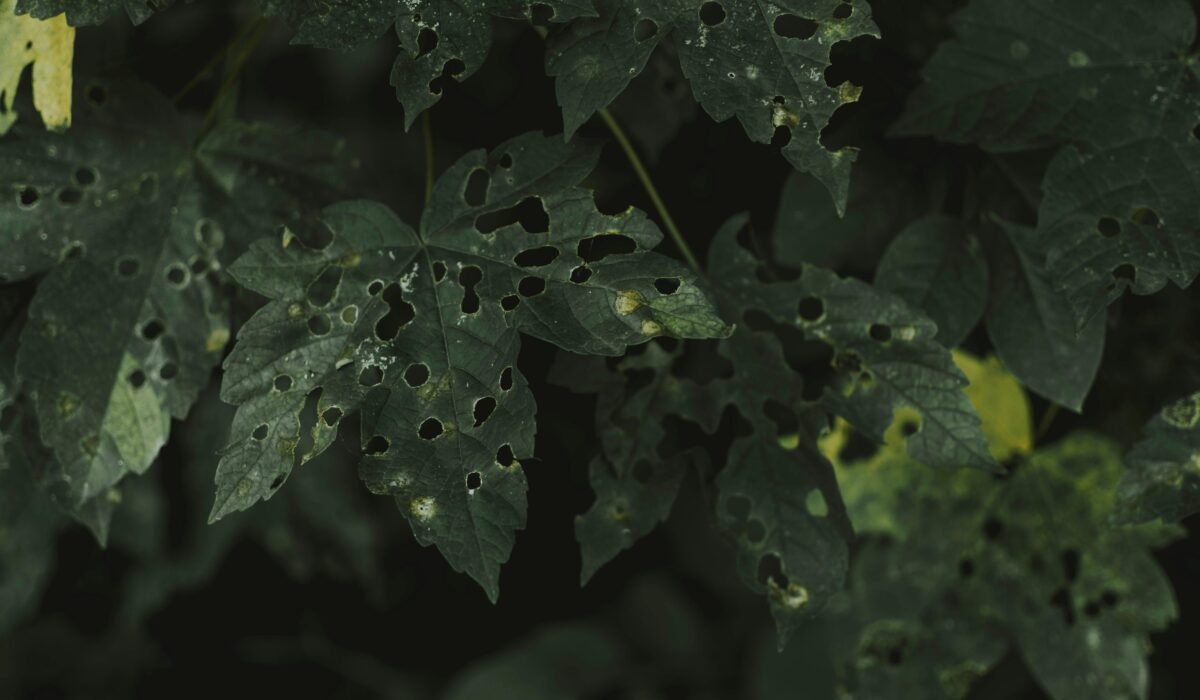
- Inspect Leaf Surfaces: Look at both the top and underside of leaves. Use a magnifying glass if necessary to spot tiny pests or unusual textures. Are there sticky residues, holes, or webbing?
- Review Environmental Factors: Consider recent changes in light, temperature, humidity, or watering schedule. Have you moved the plant? Is it near a drafty window or a heat vent? These factors are often overlooked but critical in identifying the root cause.
The challenge with many issues is that symptoms can overlap. For instance, both overwatering and underwatering can lead to yellow leaves. This is where a clear troubleshooting flow, combining visual cues with environmental context and checking the roots, becomes essential for accurate houseplant care tips.
Yellow Leaves on Indoor Plants: Causes & Solutions
When you see yellow leaves on indoor plants, it’s a common stress signal, and understanding the various yellow leaves on indoor plants causes is crucial for effective treatment. This symptom is rarely a definitive diagnosis on its own, but rather a starting point for further investigation. The location and pattern of yellowing offer important clues.
Overwatering Symptoms & Root Rot
One of the most frequent culprits for yellowing leaves is overwatering, which often leads to root rot. According to a “Houseplant Mortality Report 2026,” root rot is the #1 killer of houseplants, accounting for 10.3% of cases, with overwatering contributing to 14.9% of preventable deaths. If your plant’s soil feels constantly soggy and the yellowing leaves are soft, mushy, or accompanied by brown tips, you’re likely seeing overwatering symptoms.
This happens because waterlogged soil deprives roots of oxygen, causing them to rot and prevent nutrient uptake. Gently pulling the plant from its pot to inspect the roots for dark, soft, or mushy textures will confirm root rot signs. The solution is to allow the soil to dry out between waterings and consider repotting into fresh, well-draining soil, potentially in a pot with better drainage. You might also find our guide on When and How to Repot Indoor Plants helpful here.
Nutrient Deficiency & Other Causes
Yellowing can also signal a nutrient deficiency. If older leaves turn uniformly yellow, it could be a lack of nitrogen. If yellowing appears between the veins (interveinal chlorosis) while the veins remain green, it might indicate an iron or magnesium deficiency, often seen in new growth first. While less common in houseplants with regular fertilization, it’s a possibility if your plant hasn’t been fed in a long time.
Other causes include insufficient light (leaves yellowing on the side away from the window), sudden temperature changes, or even just old age (lower leaves naturally yellow and drop). In practice, always check soil moisture and light conditions first, as these are the most common environmental stressors. For more on plant nutrition, see our Basic Garden Fertilizers: Essential Guide for Beginners.
Brown & Crispy Leaves: Why Your Plant is Struggling
When your plant leaves turn brown and crispy, it’s a clear cry for help, indicating stress from a lack of moisture or adverse environmental conditions. Many plant owners ask, “Why are my plant leaves turning brown and crispy?” The short answer usually points to insufficient water or humidity.
Underwatering & Low Humidity
The most common reason for brown, crispy leaves, often starting at the tips or edges, is underwatering. If the soil is bone dry and hard, your plant isn’t getting enough water to maintain turgor pressure in its cells, leading to dehydration and tissue death. The solution here is straightforward: provide a thorough watering, ensuring water drains from the bottom of the pot, and establish a consistent watering schedule.
Another significant factor is low humidity. Research led by the University of Surrey, published in “Building and Environment” in February 2026, highlights that houseplants can raise indoor humidity, underscoring the importance of maintaining plant health for overall well-being. If your home’s air is dry, especially during winter months with heating, plants transpire more water, leading to crispy edges even if the soil is moist. Increasing humidity with a pebble tray, humidifier, or grouping plants together can help how to fix crispy plant leaves.
Sunburn & Other Stressors
Direct, intense sunlight can also scorch leaves, leading to brown, crispy patches, particularly if the plant isn’t accustomed to such exposure. This is akin to a plant getting a sunburn. Move the plant to a location with diffused light or provide shade during the brightest parts of the day. Less commonly, chemical burns from over-fertilization can also cause brown, crispy edges, so always follow fertilizer instructions carefully.
Spotting Specific Pests & Diseases on Houseplant Leaves
Beyond general discoloration, specific visual cues on leaves can alert you to the presence of pests or diseases. Identifying these issues quickly is critical for containing them before they spread. The Horticultural Research Institute (HRI) emphasizes that “Plant health poses a significant challenge for nursery and greenhouse growers,” a sentiment that applies equally to home growers.
Common Houseplant Pests & Their Damage
Pest infestations are widespread, with specific patterns of damage:
- Spider Mites: These tiny arachnids infest 70-80% of houseplants in dry conditions. Look for tiny yellow or white stippling (dots) on the leaves, especially the undersides, and fine webbing between stems and leaves. This stippling is the tell-tale sign of their feeding, causing damage to 20-50 leaves per plant.
- Mealybugs: Identified by white, cottony masses in leaf axils and along stems. They excrete honeydew, a sticky substance that can lead to sooty mold. Mealybugs can infest 40-60% of fiddle leaf figs, with populations doubling every 10-14 days at 25°C.
- Aphids: Small, pear-shaped insects that cluster on new growth, causing distorted or curling leaves. Aphids can colonize 50-100 shoots per peace lily weekly. They also produce honeydew.
Regular inspection of leaf undersides and new growth is the best defense against these common houseplant pests. Catching them early makes treatment much easier.
Identifying Plant Disease Pictures
While less common than environmental issues or pests, plant diseases can also manifest on leaves. If you’re seeing brown spots on plant leaves identification becomes critical. Common fungal issues include:
- Leaf Spot: Appears as distinct brown, black, or tan spots, often with a yellow halo, on the leaves. These can vary in size and shape depending on the specific fungus or bacteria. Our article on Identifying and Treating Leaf Spot Diseases offers more detailed guidance.
- Powdery Mildew: Presents as a white, powdery coating on leaf surfaces, which can be wiped off. It thrives in high humidity and poor air circulation.
For accurate diagnosis, compare your plant’s symptoms to reliable plant disease pictures from university extension sites like the University of California Statewide IPM Program (UC IPM) or Iowa State University Extension and Outreach.
Beyond the Eye: Using AI Apps for Plant Problem Diagnosis
While your visual inspection skills are invaluable, modern technology offers powerful assistance in diagnosing plant issues. The rise of AI plant diagnosis tools has revolutionized how quickly and accurately gardeners can identify problems. In 2025, modern smart gardening apps using AI and image recognition can analyze plant images to identify diseases, pest infestations, and nutrient deficiencies with high accuracy, offering instant feedback.
These apps leverage vast databases of plant disease symptoms pictures to compare your plant’s image against known conditions. Several apps stand out as the best free apps for diagnosing plant problems:
- Plantix: A popular choice for identifying diseases and providing treatment suggestions.
- PlantSnap: Primarily for identification, but often includes basic health diagnostics.
- Leaf Doctor: Focuses on analyzing leaf damage.
- Agrio: Awarded the AgTech Breakthrough Award for its innovative use of AI, trained on millions of real-world crop images for disease identification.
- Plantora: Offers free plant identification and a symptom checker feature.
To use these apps effectively, take clear, well-lit photos of the affected leaves and the overall plant. While these tools offer incredible convenience and a good starting point for your plant health guide, always use them as a supplement to your own observations and cross-reference with reliable horticultural information. They are excellent for narrowing down possibilities, but sometimes require human expertise for complex, overlapping symptoms.
Preventing & Treating Common Indoor Plant Leaf Issues
The best way to address indoor plant leaf problems is often through prevention and proactive care. Once you’ve accurately identified the issue, implementing the right treatment and adjusting your care routine can bring your plant back to health. Remember, maintaining proper environmental conditions is paramount for plant vitality.
Key Prevention Strategies
Many common leaf issues, from yellowing to crispy edges, stem from environmental stressors. Here are essential houseplant care tips for prevention:
- Consistent Watering: Avoid both overwatering and underwatering. Feel the soil before watering; most plants prefer to dry out slightly between waterings. Use pots with drainage holes.
- Appropriate Lighting: Research your plant’s specific light requirements and place it accordingly. Too much or too little light can cause stress and discoloration.
- Humidity Control: Many indoor plants thrive in higher humidity. Grouping plants, using pebble trays, or a humidifier can mitigate issues like crispy leaves, especially for tropical varieties.
- Good Air Circulation: Proper airflow helps prevent fungal diseases like powdery mildew and can deter some pests.
- Regular Inspections: Make it a habit to regularly inspect your plants, especially the undersides of leaves, for early signs of pests or disease. Early detection is key to easier treatment.
- Proper Nutrition: Fertilize according to your plant’s needs and growing season. Over-fertilizing can burn roots and leaves, while under-fertilizing can lead to nutrient deficiencies.
For specific treatments, always research the recommended approach for the identified pest or disease. This might involve horticultural oil sprays for pests, fungicidal treatments for diseases, or simply adjusting your watering and light. For instance, if you’re dealing with issues related to improper pot size, our guide on When and How to Repot Indoor Plants provides valuable insights. According to the University of Florida Institute of Food and Agricultural Sciences (UF/IFAS), understanding these abiotic factors is often more critical than searching for a specific disease.
Frequently Asked Questions
What is wrong with my plant leaves?
If your plant leaves show signs like yellowing, browning, spots, or holes, it indicates a problem. These visual cues are your plant’s way of signaling stress, often due to environmental factors like improper watering or light, or sometimes from pests or diseases. A thorough visual inspection is the first step to understanding the underlying issue.
How do you diagnose plant diseases visually?
To visually diagnose plant issues, carefully examine the entire plant, including both old and new leaves, stems, and the soil. Look for patterns in discoloration, spots, abnormal growth, or the presence of tiny insects or webbing. Cross-referencing these specific plant symptoms with reliable visual guides or using an AI plant diagnosis app can help narrow down the cause.
What does an overwatered leaf look like?
An overwatered leaf typically appears yellow, often starting from the lower leaves, and may feel soft or mushy. The edges might also turn brown and soft. Crucially, the soil will likely feel consistently wet, and the roots, if inspected, may appear dark and mushy, indicating root rot signs.
What does a nutrient deficient leaf look like?
A nutrient deficient leaf can show various symptoms depending on the specific nutrient lacking. For example, a nitrogen deficiency often causes older leaves to turn uniformly yellow, while an iron or magnesium deficiency might result in interveinal chlorosis (yellowing between green veins), particularly on newer growth. Observing the pattern of yellowing is key to identifying the specific nutrient deficiency.
Mastering the art to diagnose indoor plant leaf problems visually transforms you from a worried owner into a confident caregiver. By patiently observing your plant’s signals, understanding common causes, and leveraging both traditional knowledge and modern tools, you can ensure your houseplants thrive. Keep a watchful eye, respond to their needs, and enjoy the vibrant health your efforts bring.