The burning question for many gardeners is often, “How can I protect my plants without harsh chemicals?” Discovering effective **organic pest control methods** is key to cultivating a thriving, healthy garden ecosystem. This guide provides practical, natural ways to safeguard your plants, ensuring your harvest is both abundant and environmentally friendly.
What is the Most Effective Natural Garden Pest Control?
The short answer is that there isn’t a single “most effective” method; rather, it’s about employing a strategic combination of approaches. The most successful **organic pest control methods** prioritize prevention and early intervention, creating a resilient garden that naturally resists invaders. What most people miss is that a healthy garden is your first line of defense.
Many gardeners jump straight to reactive solutions, but a holistic strategy, often referred to as Integrated Pest Management (IPM), is far more powerful. SDSU Extension emphasizes IPM as an “environmentally conscious approach to managing insects, weeds and disease,” starting with the least toxic methods. This means understanding your garden’s ecosystem and working with nature, not against it.
In practice, effectiveness also depends on the specific pest you’re battling. For instance, a Mother Earth News survey highlighted slugs as the most bothersome garden pest for 55% of respondents. For these slimy invaders, handpicking proved 87% effective, while iron phosphate baits achieved an 86% success rate, showcasing that simple, direct actions can be incredibly potent.
Beyond the Spray: Proactive Organic Pest Management Strategies
True organic pest management begins long before you spot a single nibbled leaf. This proactive approach focuses on building a robust garden ecosystem that naturally deters pests and supports beneficial life. Investing in these foundational strategies reduces the need for reactive interventions later on.
Building Healthy Soil for Pest Resistance
A thriving garden starts with healthy soil. Rich, organic soil supports strong plants that are naturally more resistant to pests and diseases. Think of it this way: a well-fed plant is better equipped to fight off invaders, much like a healthy person resists illness.
- Compost and Mulch: Regularly amend your soil with nutrient-rich compost to improve its structure and microbial activity. Mulching helps retain moisture, regulate soil temperature, and suppresses weeds, which can harbor pests.
- Proper Fertilization: Avoid over-fertilizing with nitrogen, which can lead to lush, tender growth that pests like aphids find irresistible. Instead, focus on balanced nutrients that promote overall plant vigor. (For more on this, explore our guide on Basic Garden Fertilizers).
- Crop Rotation: Implement a simple crop rotation plan to break pest and disease cycles in the soil. Moving plant families to different beds each season prevents pests from establishing permanent residency.
Cultivating Biodiversity with Companion Planting
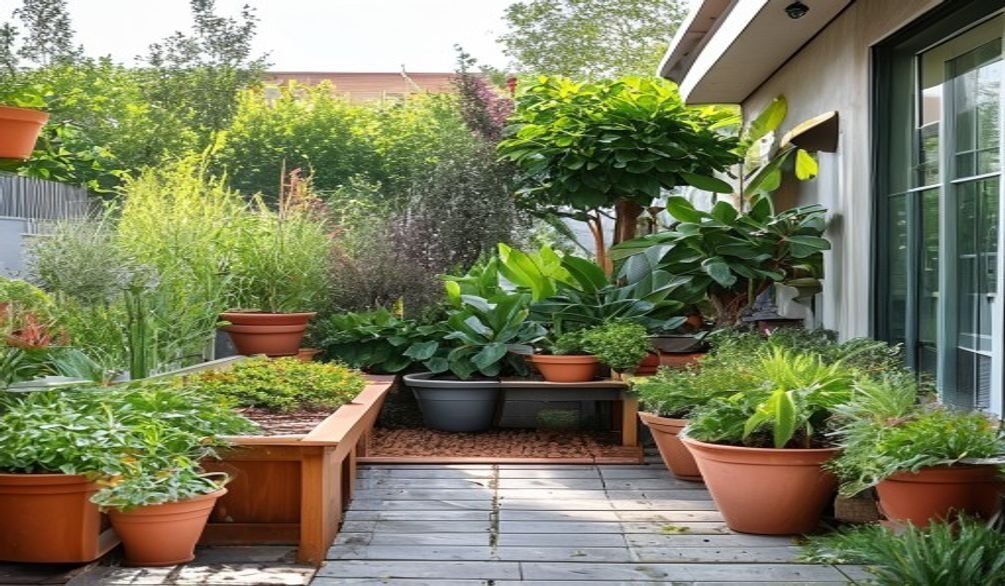
Companion planting is an ancient practice that uses the natural synergies between different plants to deter pests and attract helpful insects. It’s like building a natural security system for your garden, creating a diverse environment where pests struggle to thrive.
For example, marigolds are well-known for repelling nematodes, aphids, and whiteflies, while also attracting beneficial pollinators. Planting strong-smelling herbs like garlic or chives near vulnerable plants can confuse pests and mask the scent of their preferred targets. This strategy is a cornerstone of environmentally friendly pest management.
Attracting Beneficial Insects and Wildlife
Your garden isn’t just for you and your plants; it’s a habitat. Inviting beneficial insects is one of the most effective **organic pest control methods**. These natural predators and parasites feast on common garden pests, doing the hard work for you.
You can attract these helpful allies by planting flowers rich in nectar and pollen, such as dill, fennel, cosmos, and sweet alyssum. Providing a water source and shelter also encourages ladybugs, lacewings, parasitic wasps, and hoverflies to make your garden their home. Remember, a thriving ecosystem includes a balance of both prey and predators.
How to Identify Common Garden Pests & Their Damage
Effective organic pest management hinges on accurate and early identification. Marcus Griswold, an entomologist, wisely advises, “When you catch pests early, you can slow or halt their reproduction.” Regular inspection is your best tool for garden pest identification before a minor issue escalates into a major infestation.
Tips for Early Pest Detection
Make it a habit to walk through your garden daily, paying close attention to both the top and underside of leaves, stems, and new growth. Look for subtle signs of trouble, which can be easily missed if you’re not actively searching.
- Inspect Leaves Thoroughly: Check for tiny holes, discoloration, sticky residues (honeydew), or distorted growth. Some pests, like spider mites, are so small they’re barely visible, but their fine webbing is a clear giveaway.
- Shake and Observe: Tammy Sons, CEO of TN Nursery, suggests tapping foliage over a white piece of paper to dislodge small flying insects like whiteflies, making them easier to spot.
- Monitor New Growth: Many pests, especially aphids, prefer tender new shoots. Keep a close eye on these areas, as they are often the first to be colonized.
- Utilize Sticky Traps: Yellow sticky traps can help you identify and monitor populations of flying pests like whiteflies, fungus gnats, and thrips, giving you an early warning.
Understanding the specific damage patterns can also help. Chewed leaves, stunted growth, or wilting can all point to different culprits, guiding your targeted response. If you’re struggling to diagnose plant leaf problems, it’s worth consulting resources like our Visual Guide to Diagnosing Indoor Plant Leaf Problems (many principles apply to outdoor plants too).
Targeted Organic Pest Control Methods for Specific Pests
Once you’ve identified your unwelcome guests, it’s time for targeted action. The beauty of organic pest control is its focus on specific, non-toxic pest solutions that minimize harm to your plants, beneficial insects, and the environment.
Effective Solutions for Common Garden Pests
- Aphids: These tiny sap-suckers are a gardener’s bane.
- Strong Water Spray: A direct jet of water can dislodge aphids from plants. Repeat every few days until they’re gone.
- Insecticidal Soap: A commercial insecticidal soap or a homemade oil/soap spray (see DIY section) works by suffocating soft-bodied insects. Ensure thorough coverage, especially on undersides of leaves. This is a common natural way to get rid of aphids.
- Neem Oil: Derived from the neem tree, neem oil acts as an anti-feedant and growth disruptor. It’s effective against a wide range of pests, including aphids, whiteflies, and spider mites, and is safe for edible plants when used as directed.
- Slugs and Snails: These nocturnal munchers can decimate seedlings overnight.
- Handpicking: As the Mother Earth News survey showed, handpicking is highly effective (87% success rate). Go out at dusk or after rain with a flashlight and collect them.
- Diatomaceous Earth (DE): This natural, organic product, made from fossilized algae, works mechanically. When crawling pests like slugs, snails, and ants cross a barrier of DE, its microscopic sharp edges cut their exoskeletons, leading to dehydration. The survey reported an 84% success rate for DE against slugs.
- Iron Phosphate Baits: These granular baits are highly effective (86% success rate in the survey) and specifically target slugs and snails without harming pets or wildlife. They are a great non-toxic slug control method for your vegetable garden.
- Beer Traps: Shallow dishes filled with beer attract slugs, which then drown.
- Caterpillars (e.g., Cabbage Worms, Tomato Hornworms):
- Bacillus thuringiensis (Bt): This naturally occurring soil bacterium produces a toxin lethal to many insect larvae, particularly caterpillars. Specific strains, like *kurstaki*, are highly effective against cabbage worms and tomato hornworms without harming beneficial insects like bees. Apply when caterpillars are small.
- Handpicking: Larger caterpillars, like tomato hornworms, can be easily handpicked and removed.
- Spider Mites: Tiny arachnids that cause stippling on leaves and fine webbing.
- Water Spray & Humidity: Mites thrive in dry conditions. Regular misting or strong water sprays can dislodge them and increase humidity.
- Neem Oil/Insecticidal Soap: As with aphids, these can be very effective if applied thoroughly, ensuring contact with the mites.
Remember, Luke Hammond, an expert gardener, advises, “Think management of the problem, not eradication right away.” This mindset is crucial for sustainable, safe pest control for vegetable garden ecosystems.
Safe DIY Organic Pest Solutions: What You Need to Know
The appeal of DIY organic pest control recipes is strong, offering a sense of control and often using ingredients you already have. However, it’s vital to approach homemade solutions with caution and a clear understanding of their potential impacts. Not all natural ingredients are safe for all plants or beneficial insects.
Understanding the Nuances of Homemade Remedies
While some DIY solutions can be effective, the N.C. Cooperative Extension explicitly states, “We do not recommend homemade pesticides. Most home remedies not properly tested and since we home gardeners are not chemists, mixing chemicals can be unsafe.” This highlights a critical point: commercial organic pesticides like neem oil or insecticidal soaps are formulated with precise concentrations and tested for efficacy and safety.
When creating your own solutions, proper dilution is paramount. Too strong a concentration can burn plant foliage, especially in direct sun, or harm beneficial insects. Always test any homemade spray on a small section of a plant first and wait 24-48 hours to observe for adverse reactions before applying more broadly.
Common DIY Organic Pest Solutions and How to Use Them Safely
If you choose to experiment with homemade non-toxic pest solutions, here are some commonly cited recipes and important safety considerations:
- Oil/Soap Spray:
- Recipe: Mix 1-2 tablespoons of a mild liquid soap (like castile soap, avoid dish soaps with degreasers) with 1 tablespoon of horticultural oil (or a light cooking oil like canola) in 1 gallon of water.
- Use: Effective against soft-bodied insects like aphids, spider mites, and whiteflies by suffocating them. Spray thoroughly, ensuring contact with the pests.
- Safety: Apply in the evening or on a cloudy day to prevent leaf burn. Avoid spraying during the hottest part of the day. Do not use on plants sensitive to oil, such as ferns or succulents.
- Garlic/Pepper Spray:
- Recipe: Blend several garlic cloves or hot peppers with water, let it steep, then strain and dilute the liquid. Add a drop of mild soap as an emulsifier.
- Use: Acts as a repellent due to its strong odor and taste.
- Safety: Can be irritating to skin and eyes. Test on a small area first. Effectiveness can vary widely.
- Baking Soda Spray:
- Recipe: Mix 1 tablespoon of baking soda and 1/2 teaspoon of liquid soap in 1 gallon of water.
- Use: Primarily for fungal issues like powdery mildew, but some gardeners use it as a general deterrent.
- Safety: Can raise soil pH with repeated use. Always test first, as some plants are sensitive.
For more predictable and consistently safe results, consider commercially available organic pest control products from reputable brands like Greenbug Inc. or Nature-Cide, which utilize plant-based active ingredients such as cedar oil and essential oils. These products are rigorously tested and formulated for effective, environmentally friendly pest management.
What Plants and Insects Keep Pests Away Naturally?
Harnessing the power of nature to deter pests is a cornerstone of organic gardening. By strategically choosing certain plants and encouraging specific insects, you can create a self-regulating garden ecosystem. This is where environmentally friendly pest management truly shines, leveraging biodiversity to your advantage.
Plants That Naturally Repel Pests
Many plants possess natural insect repellent properties, either through their strong aromas or compounds they release into the soil. Incorporating these into your garden through companion planting can significantly reduce pest pressure.
- Marigolds: Particularly French marigolds (Tagetes patula), release thiophenes from their roots that deter nematodes. Their strong scent also repels aphids, whiteflies, and some beetles. Plant them near tomatoes, peppers, and roses.
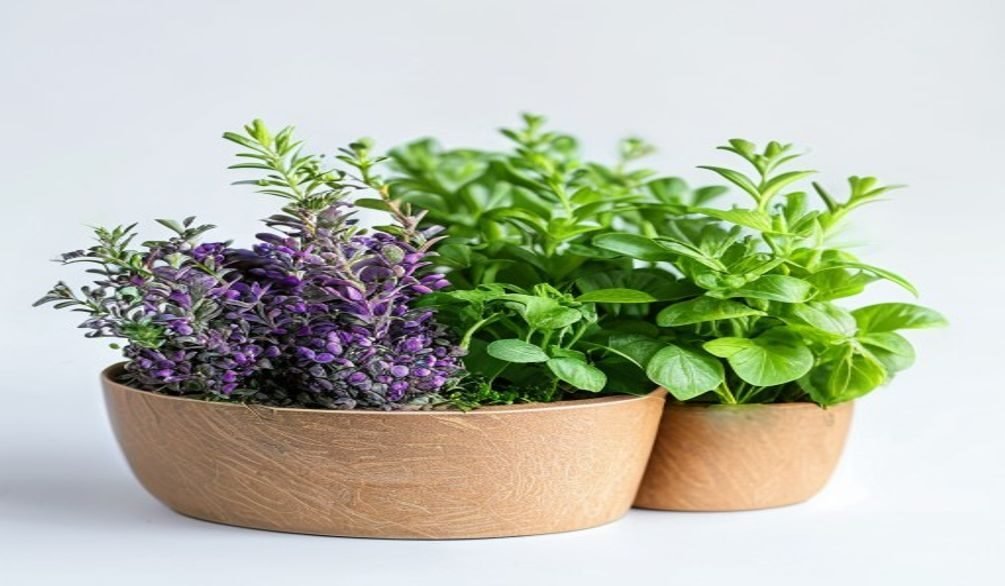
- Lavender: Known for its beautiful flowers and calming scent, lavender acts as a natural insect repellent for fleas, mosquitoes, and moths. It also attracts beneficial pollinators like bees.
- Garlic & Onions: The strong sulfuric compounds in alliums like garlic, onions, and chives repel aphids, spider mites, whiteflies, and even slugs. Planting them around your vegetable beds can offer protection.
- Nasturtiums: These vibrant flowers are excellent trap crops, attracting aphids away from more valuable plants. They also deter squash bugs and cucumber beetles.
- Rosemary & Mint: Strong-smelling herbs like rosemary repel cabbage moths, carrot rust flies, and slugs. Mint can deter ants and aphids but should be contained as it spreads aggressively.
Inviting Beneficial Insects to Your Garden
Beyond plants, a thriving population of beneficial insects is arguably the most effective biological pest control. These “good bugs” are natural predators and parasites that prey on common garden pests, maintaining ecological balance.
Here are some key beneficial insects and how to attract them:
- Ladybugs (Lady Beetles): Famous for devouring aphids, mealybugs, and spider mites. Attract them with dill, cilantro, cosmos, and sweet alyssum.
- Lacewings: Both adult and larval stages are voracious predators of aphids, thrips, and whiteflies. Plant dill, fennel, and dandelions to draw them in.
- Hoverflies (Syrphid Flies): While adults pollinate, their larvae are excellent aphid predators. Attract them with flat-topped flowers like dill, parsley, and yarrow.
- Parasitic Wasps: These tiny wasps lay their eggs inside or on pests like aphids, caterpillars, and whiteflies, effectively killing them. Provide small-flowered plants like dill, cilantro, and Queen Anne’s Lace.
- Ground Beetles: Nocturnal predators that hunt slugs, snails, cutworms, and cabbage maggots. Offer them ground cover and mulch for shelter.
Creating a diverse garden with a variety of flowering plants ensures a continuous food source and habitat for these helpful allies, making your garden a less hospitable place for pests.
Integrating Organic Solutions for a Healthy, Resilient Garden
Ultimately, successful organic pest control isn’t about finding a magic bullet; it’s about weaving together various strategies into a cohesive, responsive system. This holistic approach, often referred to as integrated pest management (IPM), creates a garden that is not only pest-free but also vibrant and ecologically balanced.
By prioritizing soil health for pest control, choosing resistant plant varieties, practicing companion planting, and encouraging beneficial insects, you establish a strong foundation. When pests inevitably appear, your proactive measures will often keep their numbers in check. For those instances where intervention is necessary, you’ll have a repertoire of targeted organic pest control methods, from handpicking to the judicious use of organic sprays like neem oil or Bacillus thuringiensis.
Wendell Berry, the farmer and essayist, beautifully articulated this philosophy: “A person who is growing a garden, if he is growing it organically, is improving a piece of the world.” Your garden becomes a testament to sustainable practices, contributing to a healthier environment while providing you with a bountiful, chemical-free harvest. The global organic pesticides market, projected to grow to USD 13.02 billion by 2035, underscores a growing worldwide commitment to these very principles.
Frequently Asked Questions
How do I stop slugs from eating my vegetables?
To stop slugs from eating your vegetables, combine several non-toxic slug control methods. Handpicking slugs at dusk or after rain is highly effective, as is creating barriers of diatomaceous earth around vulnerable plants. Iron phosphate baits are another excellent option, targeting slugs specifically without harming other wildlife.
Can I control pests without using pesticides?
Yes, you absolutely can control pests without relying on traditional chemical pesticides. Focusing on proactive strategies like building healthy soil, companion planting, and attracting beneficial insects can largely prevent pest outbreaks. When pests do appear, mechanical methods like handpicking or strong water sprays often suffice, minimizing the need for any sprays at all.
What insects are good for pest control?
Many insects are incredibly beneficial for pest control in your garden, acting as natural predators. Key examples include ladybugs and lacewings, which voraciously consume aphids and spider mites, and parasitic wasps, which target various caterpillars and other soft-bodied pests. Attracting these beneficial insects by planting diverse flowering plants is a cornerstone of organic pest management.
Is neem oil safe for vegetable gardens?
Yes, neem oil is generally considered safe for vegetable gardens when used as directed. Derived from the neem tree, it is a natural insecticide that disrupts pest feeding and growth cycles without harming beneficial insects like bees and ladybugs once it dries. Always follow label instructions for dilution and application timing to ensure safety and effectiveness on edible plants.
Embrace these organic strategies, and you’ll cultivate not just a garden, but a thriving, resilient ecosystem. Start implementing these natural solutions today and watch your garden flourish without compromise.