Are you noticing peculiar, waxy bumps clinging to your beloved plants, wondering what they are and, more importantly, **how to treat plant scale**? These persistent pests can be frustrating, but with the right knowledge, you can effectively diagnose and eliminate these common infestations, bringing your green companions back to health. This comprehensive guide will equip you with the expert strategies needed to identify scale insects, understand their life cycle, and implement the most effective treatment and prevention methods.
How to Identify Plant Scale Infestations
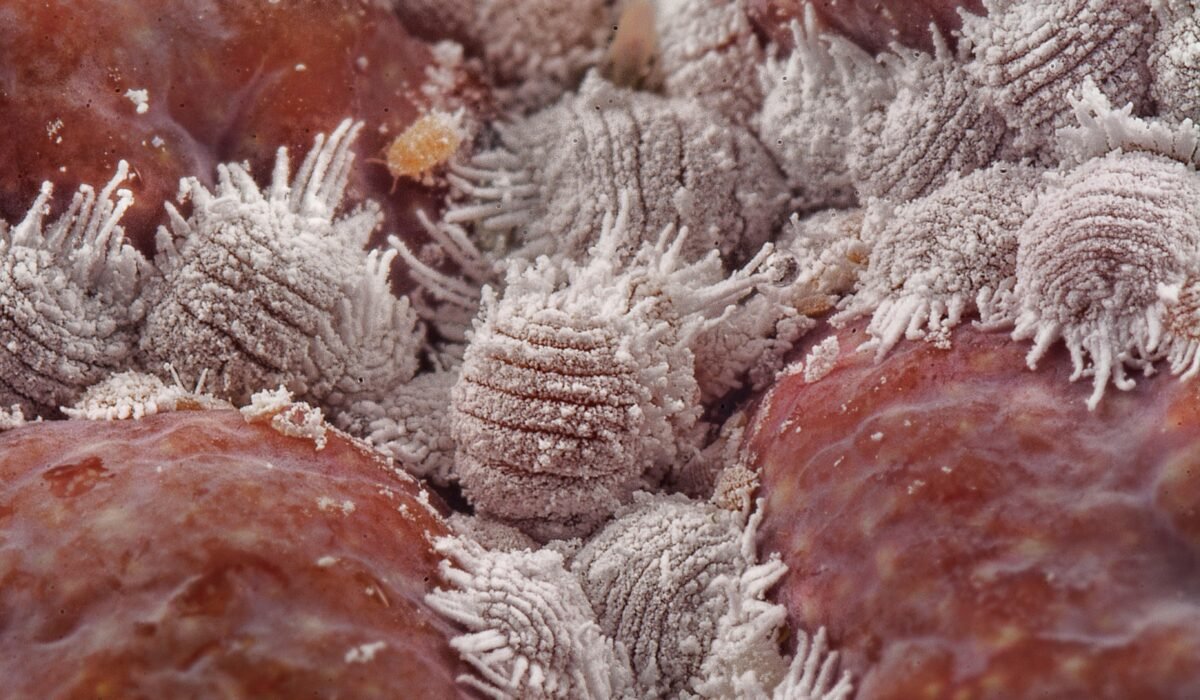
Recognizing scale insects is the first critical step in effective treatment, though their masterful camouflage can make them tricky to spot. Michelle Opela, manager of IPM at Costa Farms, notes that “Scale gives me the heeby jeebies… They are really tricky because they are tiny and super good at camouflage.” These pests appear as small, immobile bumps on plant stems, leaves (especially undersides), and even fruit. They can be brown, black, white, or even pink, often resembling natural plant growths.
You’ll typically find these `scale insects on houseplants identification` is key, appearing as raised, oval, or circular structures that are firm to the touch. Unlike mealybugs, which are fuzzy and move slowly, adult scale insects are largely stationary, forming a protective, waxy or cottony shield over their bodies. This shield makes them particularly resilient to many contact insecticides.
Beyond the insects themselves, look for tell-tale signs of damage. Infested plants may exhibit yellowing leaves, stunted growth, or leaf drop as the scale insects feed on plant sap. A common byproduct of soft scale feeding is honeydew, a sticky, sugary substance that can coat leaves and surrounding surfaces. This honeydew often leads to the development of `sooty mold`, a black, fungus-like growth that further hinders photosynthesis and signals a significant infestation.
Understanding the Plant Scale Life Cycle
Effective scale treatment hinges on understanding the `life cycle of scale insects`, particularly their most vulnerable stage. Scale insects typically undergo three main life stages: egg, nymph (often called “crawlers”), and adult. The females lay eggs under their protective waxy shell or in a cottony mass, safeguarding them from predators and pesticides.
Once hatched, the tiny, mobile nymphs, known as crawlers, emerge and search for a new feeding site. This `crawler` stage is crucial because it’s when the insects are most exposed and susceptible to insecticides, as they haven’t yet developed their protective armor. After settling, crawlers begin to feed and molt, eventually developing into immobile adults. Adult male scale insects are typically tiny, winged creatures that live only long enough to mate, while females remain stationary, continuing to feed and reproduce. Texas A&M University Extension entomologists emphasize, “To control scale insects most effectively, you need to know how to identify them, when in their life cycle to treat them, and what methods and chemicals work best for the various species.” Targeting the crawler stage significantly improves treatment success.
What Kills Plant Scale: Effective Treatment Options
When addressing a scale infestation, a multi-pronged `integrated pest management` (IPM) approach generally yields the best results. This strategy combines various techniques to reduce pest populations while minimizing harm to beneficial insects and the environment. The choice of treatment often depends on the severity of the infestation, the type of plant, and your personal comfort with different methods.
Manual Removal
For smaller infestations or on houseplants, manual removal is highly effective and immediate. You can gently scrape off adult scale insects using a fingernail, a soft-bristled toothbrush, or a cotton swab soaked in rubbing alcohol. A strong spray of water from a garden hose can also dislodge many scale insects, particularly from sturdy outdoor plants. This method is labor-intensive but avoids chemical use entirely.
Horticultural Oils
`Horticultural oil` sprays are a cornerstone of scale treatment, recognized for their efficacy and relatively low toxicity. As the LSU AgCenter states, “The safest effective way to control scale is with a horticultural oil spray… The oil coats the scale insects and clogs their breathing pores. The insects are suffocated rather than being killed by a toxic material.” These oils, like Bonide All Seasons Horticultural & Dormant Spray Oil or Monterey Horticultural Oil, work by suffocating the insects, including eggs and crawlers. They are most effective when applied thoroughly, coating all surfaces of the plant, and are generally safe for many plants, though always check labels for specific plant sensitivities and avoid application during extreme temperatures.
Insecticidal Soaps
`Insecticidal soap` sprays are another excellent option, particularly effective against the vulnerable crawler stage and soft scale insects. These soaps, such as Bonide Insecticidal Super Soap or Safer Insecticidal Soap Concentrate, work by dissolving the protective outer layer of the insect, causing dehydration. They must come into direct contact with the pest to be effective, so thorough coverage is essential. Insecticidal soaps have a low residual effect, meaning they break down quickly and are safer for beneficial insects once dry.
Systemic Insecticides
For severe infestations or hard-to-reach areas, `systemic insecticides` can provide longer-lasting control. Products containing active ingredients like `imidacloprid` or `dinotefuran` (e.g., Bonide Houseplant Systemic Insecticide) are absorbed by the plant and move through its vascular system, rendering the plant toxic to feeding scale insects. While effective, these should be used judiciously, especially on flowering plants, as they can harm beneficial pollinators. UC IPM advises, “Insecticides are not necessary unless damage from scales is intolerable. When possible, avoid broad-spectrum insecticides that kill beneficial insects.” Always follow label instructions carefully to minimize environmental impact. Choosing the `best insecticide for scale` often involves weighing efficacy against potential risks to beneficial insects and the environment.
How to Get Rid of Scale on Plants Naturally
Many gardeners prefer natural and organic methods for pest control, especially for `scale insects on houseplants` or edible plants. These approaches leverage nature’s own defenses and often integrate well with an overall `integrated pest management` strategy. For balcony gardens or small urban spaces, exploring Balcony Garden Natural Pest Control can offer tailored insights.
Here are some of the most effective natural solutions:
- Manual Removal: As mentioned, physically removing scale with a soft brush, cotton swab dipped in rubbing alcohol, or a strong jet of water is a highly effective, immediate, and chemical-free approach. This is often the first line of defense for small infestations.
- Neem Oil: Derived from the neem tree, `neem oil` acts as a powerful natural insecticide and repellent. It disrupts the feeding, growth, and reproduction of scale insects, effectively breaking their life cycle. Products like Natria Ready-to-Use Neem Oil Spray or Bonide Captain Jack’s Neem Max are popular choices. For best results, apply thoroughly, ensuring complete coverage of all plant surfaces, and reapply as directed.
- Insecticidal Soap: While already covered, it bears repeating that `insecticidal soap` is a natural and organic solution. It works by breaking down the waxy cuticles of soft-bodied insects, leading to dehydration. It’s particularly effective against the vulnerable crawler stage.
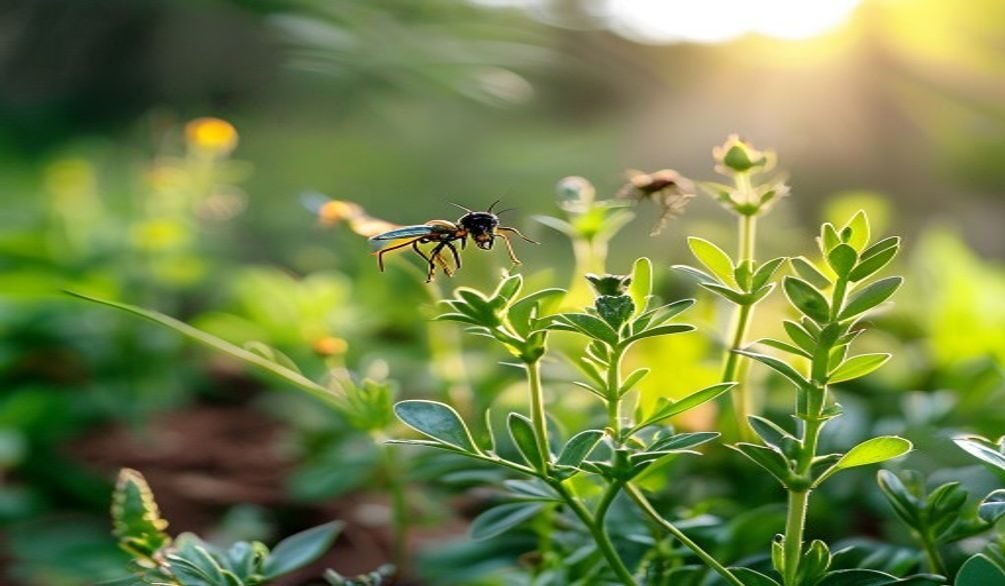
- Biological Control: Harnessing natural predators is a cornerstone of `organic scale insect control`. Introducing beneficial insects like `ladybugs`, `green lacewings`, and specific `parasitic wasps` (such as *Aphytis melinus*) can significantly reduce scale populations. These beneficials prey on scale insects or lay eggs inside them, ultimately killing the pests. This method is particularly suitable for outdoor gardens or greenhouses where populations can establish.
The key to natural control is consistency and patience, as these methods often require repeat applications to fully eradicate an infestation.
The Fastest Way to Treat Plant Scale
When facing a stubborn infestation, many gardeners wonder, “What is the fastest way to get rid of scale on plants?” The short answer is that a combination of aggressive manual removal and targeted treatment is often the quickest route. While scale insects don’t typically kill a plant as rapidly as some other pests, like spider mites, their protective shells make them resilient.
Begin by vigorously wiping or scraping off as many visible adult scale insects as possible. This immediate physical removal drastically reduces the breeding population. Immediately follow this with a thorough application of `horticultural oil` or `insecticidal soap`, ensuring every surface of the plant is drenched to suffocate or dehydrate any remaining adults, eggs, and especially the vulnerable `crawlers`. For very severe infestations on non-edible plants, a `systemic insecticide` might be considered for its rapid uptake and long-lasting effect, but this should be a last resort due to potential impacts on beneficial insects. Remember, “fastest” doesn’t always mean “most sustainable,” and follow-up treatments will always be necessary to catch new hatchlings.
Does Rubbing Alcohol Kill Scale on Plants?
Yes, rubbing alcohol can effectively kill scale on plants, especially for spot treatments on houseplants. Isopropyl alcohol (typically 70%) works by dissolving the waxy protective coating that shields adult scale insects, leading to dehydration and death. It’s an excellent tool for `manual removal`.
To use rubbing alcohol safely, dilute it slightly with water (e.g., a 1:1 ratio of alcohol to water) and apply it directly to the scale insects using a cotton swab or a soft cloth. Gently rub the affected areas to dislodge and kill the pests. Always perform a patch test on a small, inconspicuous part of the plant first to ensure there’s no adverse reaction, as some sensitive plants can be damaged by alcohol. Avoid applying alcohol in direct sunlight, which can lead to leaf burn.
Preventing Future Plant Scale Infestations
The best offense is a good defense, and preventing scale infestations is always easier than treating them. Building `plant immunity` and maintaining a healthy garden ecosystem are paramount. Michelle Opela wisely observes that “It takes a lot of scale to kill a plant. They don’t take down a plant as quickly as spider mites can,” implying that healthy plants can better withstand minor attacks.
Implement these preventative measures as part of your ongoing `integrated pest management` strategy:
- Regular Inspection: Make it a habit to routinely inspect your plants, especially the undersides of leaves and stem joints, for any signs of pests. Early detection allows for prompt, often manual, intervention before an infestation takes hold.
- Quarantine New Plants: Always isolate new plant acquisitions for at least two to four weeks before introducing them to your existing collection. This prevents any hitchhiking pests from spreading.
- Proper Plant Care: Stressed plants are more susceptible to pests. Ensure your plants receive adequate light, water, and humidity for their specific needs. Avoid over-fertilizing, which can promote lush, soft growth that is attractive to scale. Consider enriching your garden naturally with an Organic Soil Amendments Guide to support robust root health.
- Maintain Good Air Circulation: Proper air flow around plants can deter many pests and diseases. Prune away overcrowded branches to improve circulation, especially for `scale insects on houseplants`.
- Support Plant Nutrition: A well-nourished plant is a resilient plant. Use appropriate fertilizers, like those discussed in our guide to the Best Fertilizer for Herbs, to boost overall plant health and `plant immunity`. According to UC IPM, “Most plants tolerate low to moderate numbers of scales. Management includes proper plant care, protecting beneficial insects and applying less toxic insecticides when needed.”
- Cleanliness: Regularly wipe down leaves to remove dust and potential pest eggs. For outdoor plants, keep the area around them free of weeds and debris where pests can hide.
By prioritizing prevention and building strong, healthy plants, you significantly reduce the likelihood of future `sooty mold treatment` needs and persistent scale problems.
Frequently Asked Questions
What kills scale on plants?
A variety of methods effectively kill scale on plants, ranging from physical removal to chemical treatments. Horticultural oils and insecticidal soaps suffocate or dehydrate the pests, while systemic insecticides poison them from within the plant. Natural predators like ladybugs and parasitic wasps also offer biological control.
What is the fastest way to get rid of scale on plants?
The fastest way to eliminate scale is typically a two-pronged approach: aggressively scraping off visible adult scale insects, then immediately following with a thorough application of horticultural oil or insecticidal soap to kill remaining adults, eggs, and vulnerable crawlers. For severe cases, a systemic insecticide can provide rapid, systemic control.
How do you get rid of scale on plants naturally?
Natural methods for scale removal include manual scraping, using diluted rubbing alcohol on a cotton swab, and applying neem oil, which disrupts the scale life cycle. Insecticidal soaps are also considered a natural option. Introducing beneficial insects like ladybugs and parasitic wasps can provide effective biological control in outdoor settings.
Does rubbing alcohol kill scale on plants?
Yes, rubbing alcohol (isopropyl alcohol, typically 70%) can kill scale on plants by dissolving their waxy protective coating, leading to dehydration. It’s best applied with a cotton swab directly to the insects. Always test on a small plant area first and avoid application in direct sunlight to prevent plant damage.
Tackling scale infestations requires vigilance and a strategic approach, but with the insights shared here, you’re well-equipped to protect your plants. Start by thoroughly inspecting your plants today, identify any potential scale, and implement the appropriate treatment plan to restore their health and vibrancy. Your plants will thank you for it!