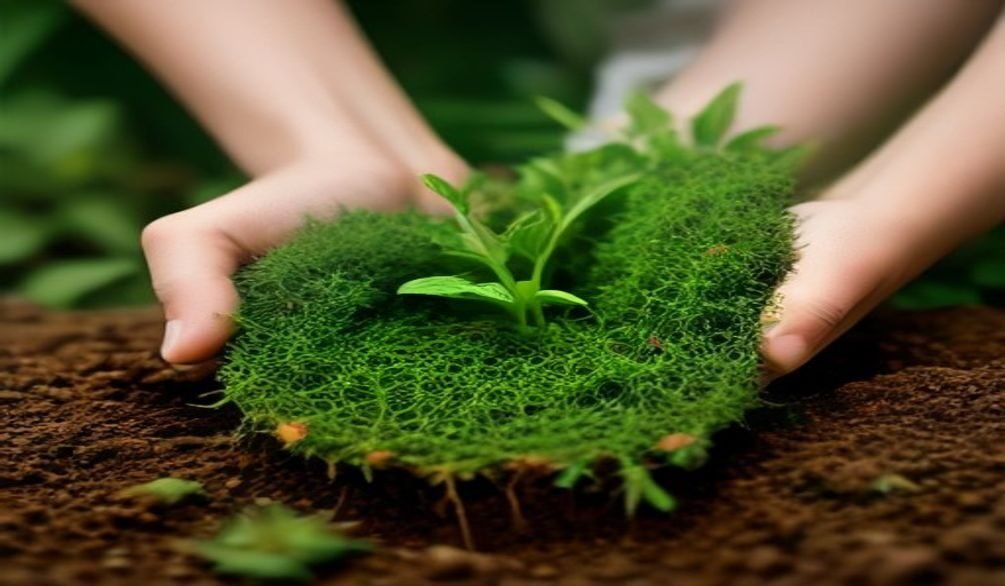
Are you dreaming of a bountiful harvest but wondering how to create truly fertile soil for your plants? Starting composting for beginners vegetable garden can transform your kitchen scraps and yard waste into nutrient-rich “black gold,” revolutionizing your growing efforts and boosting your yields naturally.
What is Composting and Why Do it for Your Vegetable Garden?
Composting is the controlled process of decomposing organic materials, such as food scraps and yard waste, into a valuable soil amendment. The US Environmental Protection Agency (EPA) defines it as “the managed, aerobic (oxygen-required) biological decomposition of organic materials by microorganisms.” This natural recycling process creates nutrient-rich soil benefits that are unparalleled.
For your vegetable garden, composting offers a multitude of advantages. It gives gardeners an environmentally-friendly way to add nutrients back to the soil, significantly reducing the amount of waste sent to landfills. In fact, food scraps and yard waste make up 20% to 30% of what is typically thrown away, according to the EPA.
The finished compost acts as a slow-release fertilizer, improving flood and drought resilience and enriching soil by steadily providing essential nutrients. This translates directly into healthier plants and more abundant harvests for your vegetable garden.
Easiest Ways to Start Composting for Beginners
Beginning your composting journey doesn’t have to be complicated. For many, the easiest way to start composting for beginners is with a simple cold compost pile or a basic bin. This method involves passively layering organic materials and letting nature do most of the work over several months.
Another accessible option, especially for those with limited outdoor space, is vermicomposting for beginners. This technique uses specific types of worms to break down food scraps into nutrient-dense worm castings, providing excellent soil health improvement for your plants.
What most people miss is that consistency, not complexity, is key. Just starting with a small collection system for kitchen scraps and a designated spot for yard waste is a powerful first step towards a thriving vegetable garden.
What to Put (and Not Put) in Your Compost Pile
Understanding the right ingredients is fundamental for successful composting for beginners vegetable garden. A healthy compost pile relies on a balanced mix of “greens” (nitrogen-rich materials) and “browns” (carbon-rich materials). The Piedmont Master Gardeners underscore that “successful composting requires a nitrogen source, a carbon source, air and water.”
Greens and Browns for Compost
Greens provide nitrogen, fueling the microorganisms that drive decomposition. These include:
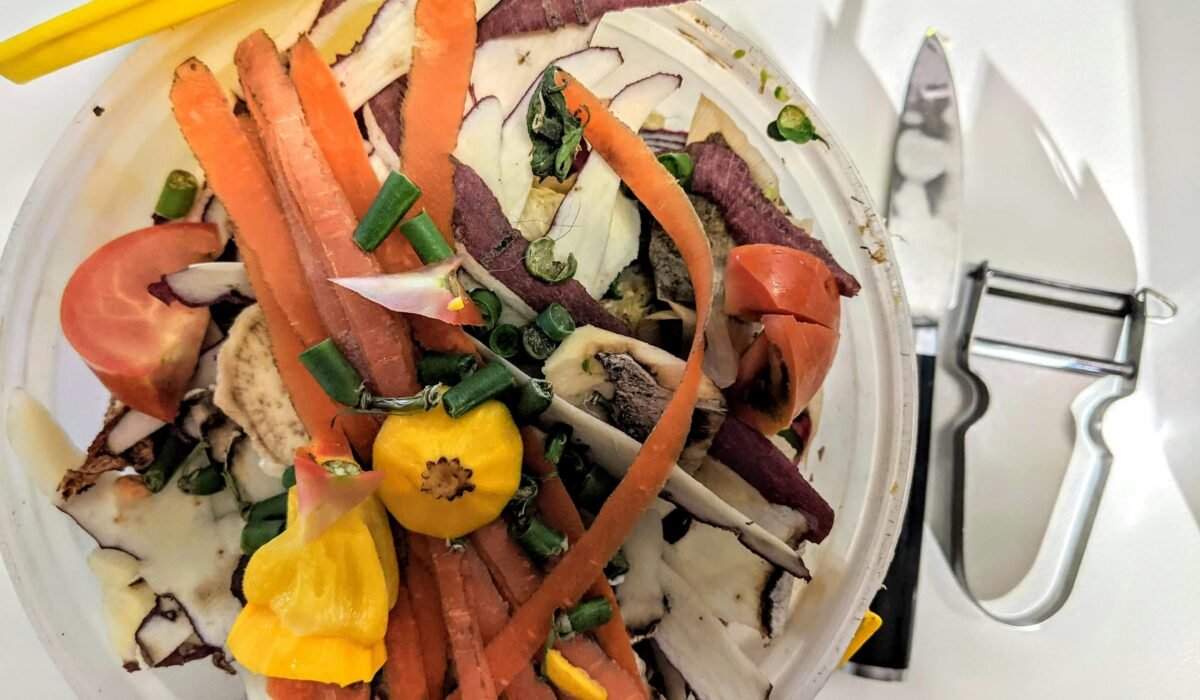
- Fruit and vegetable scraps (food scraps compost)
- Coffee grounds and tea bags
- Grass clippings (in moderation)
- Fresh plant trimmings
Browns provide carbon, offering structure and energy for microbes, preventing odors, and allowing air circulation. These include:
- Dried leaves
- Shredded newspaper and cardboard
- Straw and hay
- Wood chips and sawdust (in moderation)
- Dead plant material (garden waste composting)
Aim for a ratio of roughly 2-3 parts browns to 1 part greens by volume. This balance is crucial for maintaining proper decomposition and avoiding common issues.
What Not to Put in Your Compost Pile
Equally important is knowing what to avoid to prevent pests, pathogens, and unpleasant smells. What should you not put in a compost pile for your vegetable garden?
- Meat, bones, fish, dairy products, and oily foods: These attract pests and can create foul odors.
- Diseased plants: Pathogens can survive the composting process and spread to your garden.
- Weeds with seeds: Many weed seeds, especially those like bindweed or crabgrass, can survive unless your pile reaches consistently high temperatures (above 130°F, as noted by Master Gardener Judith).
- Pet waste: Contains harmful bacteria and parasites.
- Chemically treated wood or plants: Pesticides and preservatives can harm beneficial microorganisms and contaminate your compost.
Sticking to these guidelines ensures your compost is safe and beneficial for your vegetable garden.
Setting Up Your First Compost System: Bins, Piles & Tumblers
Choosing the right compost pile setup depends on your space, budget, and desired speed. There are several types of compost bins and systems suitable for a beginner’s vegetable garden.
Types of Compost Systems
- Open Piles: The simplest method, just a designated area in your yard. Ideal for larger gardens with plenty of space for garden waste composting. Master Gardener Judith advises creating compost piles of about 3x3x3 feet, as this size “produces enough decomposition for the pile to heat up enough to make compost fairly quickly.”
- Enclosed Bins: These range from simple DIY compost bin structures made from pallets or wire mesh to manufactured plastic bins. They contain the pile, look tidier, and can help retain heat and moisture. The Vego Garden Modular Compost Bin, for example, is a robust, expandable galvanized steel option perfect for containing your compost.
- Compost Tumblers: These sealed, rotating barrels make turning effortless and can significantly speed up decomposition. The FCMP IM4000 Dual Batch Compost Tumbler is a popular choice, allowing quicker compost production in less than a month by enabling continuous rotation and separate batches. This is an excellent option for those seeking the best compost for vegetables quickly.
- Vermicomposting Bins: Specifically designed for worm composting, these multi-tray systems are compact and perfect for indoor or balcony use.
When selecting your system, consider proximity to your vegetable garden for easy transport of materials and finished compost. Ensure the location has good drainage and is easily accessible for adding materials and turning.
Maintaining Your Compost: Turning, Moisture, and Troubleshooting Common Issues
Proper maintenance is crucial for transforming your organic materials into rich, dark compost. This involves managing moisture, ensuring aeration through turning, and addressing common problems proactively.
Turning and Moisture
Turning your compost pile introduces oxygen, which is vital for the aerobic microorganisms that break down organic matter. For a hot composting guide, turning every few days can help maintain high temperatures (130-160°F), speeding up the process and killing weed seeds. Even for cold composting, occasional turning (every few weeks) helps air circulation and prevents compaction.
Moisture content should be consistent, like a wrung-out sponge. If your pile is too dry, decomposition slows to a halt; add water gradually. If it’s too wet, it can become anaerobic and smelly; add more dry, carbon-rich materials (browns) and turn it.
Troubleshooting Common Issues
Here’s the thing: every composter, especially beginners, will encounter issues. Knowing how to troubleshoot common problems is key to success:
- Foul Odor (Rotten Egg Smell): This usually indicates too much nitrogen (greens) or not enough air. Remedy: Add more browns (shredded leaves, cardboard) and turn the pile thoroughly to introduce oxygen.
- Pile Not Heating Up: Often due to an imbalance of greens and browns, insufficient moisture, or lack of size. Remedy: Ensure a good 2-3:1 brown-to-green ratio, check moisture, and make sure your pile is at least 3x3x3 feet to achieve critical mass for heat generation. You could also use a compost starter like Jobe’s Organics Compost Starter, which contains microorganisms to accelerate decomposition.
- Attracting Pests (Rodents, Flies): This is typically caused by exposed food scraps, especially meat or dairy. Remedy: Always bury food scraps deep within the pile, cover them with browns, and avoid prohibited materials. Tumblers or enclosed bins can also deter pests effectively.
- Pile is Slimy or Soggy: Too much moisture, not enough browns. Remedy: Add dry, absorbent browns and turn the pile to dry it out and aerate it.
In practice, addressing these issues promptly ensures your composting for beginners vegetable garden stays on track.
Seasonal Composting Strategies for Year-Round Garden Health
Composting isn’t a one-size-fits-all activity; adapting your approach seasonally ensures year-round garden health. What most people miss is that material availability and decomposition rates fluctuate with the weather.
Spring: This is an excellent time to kickstart new piles with fresh garden waste composting (like spent annuals) and early grass clippings. The increasing temperatures naturally accelerate decomposition. Focus on building robust piles for the growing season.
Summer: High temperatures mean rapid decomposition, but also faster drying. Keep a close eye on moisture levels, watering your pile if it feels dry. This is a prime time for hot composting guide methods, as heat builds quickly. Continue adding food scraps compost and plant trimmings.
Fall: A golden opportunity for browns! Collect fallen leaves in abundance; they are invaluable carbon sources for future compost. Shredding them helps them break down faster. Build large piles that can slowly decompose over winter, providing compost for raised beds in spring.
Winter: Decomposition slows significantly in freezing temperatures. Continue adding kitchen scraps, but expect little activity. Insulate your pile with a thick layer of browns or straw. Consider a smaller, insulated system like the Aerobin 400 if you want to maintain some activity or continue vermicomposting indoors. Don’t stop collecting materials; store them to add to your active pile when temperatures rise.
How Compost Boosts Your Vegetable Yield and Plant Health
The true magic of composting for beginners vegetable garden lies in its profound impact on your plants and soil. Compost isn’t just a fertilizer; it’s a soil conditioner that creates an optimal environment for growth. The global compost market, estimated at $8.7 billion in 2025, reflects the growing recognition of these benefits.
Compost dramatically improves soil health improvement by enhancing soil structure. It acts like a sponge, increasing the soil’s ability to retain water during dry spells and improving drainage in wet conditions. This means less watering and reduced risk of root rot for your vegetables.
Furthermore, compost introduces a thriving community of beneficial microorganisms into the soil. These microbes help make nutrients more available to plants, fostering stronger root systems and increased nutrient uptake. This continuous nutrient-rich soil benefits leads directly to more vigorous growth, increased disease resistance, and ultimately, higher vegetable yields.
What’s more, compost helps balance soil pH and suppresses plant diseases, reducing your reliance on chemical fertilizers and pesticides. This makes it the best compost for vegetables, creating a resilient and productive garden ecosystem without added costs.
Using Your Finished Compost in the Vegetable Garden
Once your compost is dark, crumbly, and smells earthy, it’s ready to nourish your vegetable garden. Knowing how to use compost in garden effectively ensures your plants receive maximum benefits.
Amending Garden Beds: Before planting, spread a 1-2 inch layer of finished compost over your vegetable beds and gently work it into the top 4-6 inches of soil. This provides a slow-release nutrient boost and significantly improves soil structure. For deeper enrichment, especially for new beds, you can incorporate more.
Top Dressing: Throughout the growing season, especially for heavy feeders like tomatoes and squash, apply a thin layer (0.5-1 inch) of compost around the base of your plants. This acts as a slow-release fertilizer and helps retain soil moisture. This also works wonderfully for organic soil amendments in established garden beds.
Container Gardening and Raised Beds: For container vegetable gardening small spaces, mix compost with potting mix at a ratio of 1 part compost to 2-3 parts potting mix. This provides essential nutrients and improves drainage. For compost for raised beds, mix it in thoroughly with your existing soil or other amendments when filling new beds.
Seed Starting Mix: While pure compost can be too rich for delicate seedlings, a blend of 1 part compost with 2-3 parts sterile seed-starting mix provides an excellent nutrient boost. Remember, compost benefits for plants are cumulative; consistent application will yield the best results.
Frequently Asked Questions
What is the easiest way to compost for beginners?
The easiest way to start composting for beginners is often a simple cold compost pile or an enclosed bin. This method involves passively layering organic materials like kitchen scraps and yard waste, allowing nature’s microorganisms to break them down slowly over several months with minimal effort on your part.
How do you start a compost for a vegetable garden?
To start a compost for your vegetable garden, begin by choosing a suitable location and a basic system (like a bin or pile). Then, layer “brown” materials (dried leaves, shredded paper) and “green” materials (fruit/vegetable scraps, grass clippings) in a roughly 2-3:1 brown-to-green ratio, ensuring adequate moisture and occasional turning.
What is the best compost for a vegetable garden?
The best compost for a vegetable garden is nutrient-rich, well-decomposed organic matter that is dark, crumbly, and smells earthy. This “black gold” improves soil structure, enhances water retention, provides essential slow-release nutrients, and fosters beneficial microbial life, leading to healthier plants and increased yields.
What should you not put in a compost pile?
You should not put meat, bones, fish, dairy products, oily foods, diseased plants, weeds with seeds, or pet waste in your compost pile. These materials can attract pests, introduce pathogens, or create foul odors, compromising the quality and safety of your compost for the vegetable garden.
Embracing composting for beginners vegetable garden is one of the most impactful steps you can take for a healthier, more productive garden. You’ll not only reduce waste but also cultivate a thriving ecosystem in your backyard. Start your compost journey today and watch your vegetables flourish with your homemade, nutrient-rich soil!