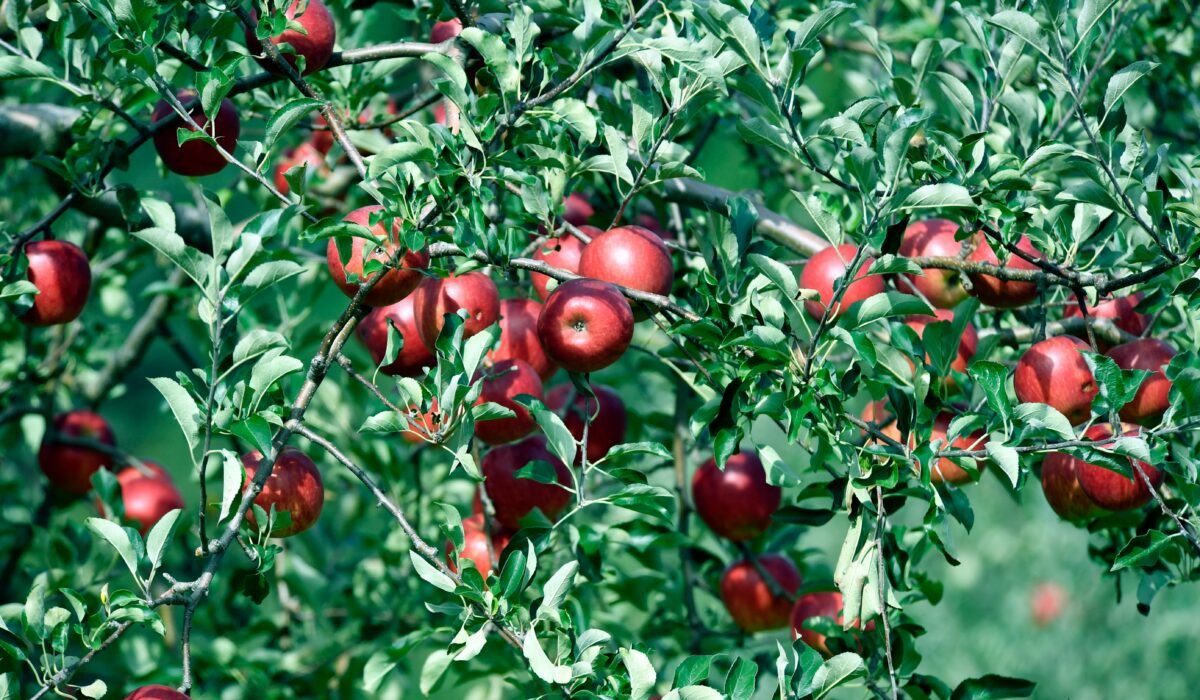
Are you tired of seeing your precious fruit tree harvest ruined by pests, but want to avoid harsh chemicals? Learning effective organic pest control for fruit trees is crucial for cultivating a healthy, bountiful orchard naturally. This comprehensive guide will equip you with the knowledge and strategies to protect your fruit trees using natural, sustainable methods, ensuring a vibrant harvest year after year.
Understanding Holistic Organic Pest Control for Fruit Trees
Embracing a holistic approach to pest management means seeing your fruit trees not as isolated plants, but as part of a larger, interconnected ecosystem. This philosophy moves beyond simply reacting to pest outbreaks; instead, it focuses on building a naturally resilient environment where pests are less likely to thrive in the first place. The short answer is, you’re cultivating health, not just fighting disease.
What most people miss is that effective organic pest control for fruit trees starts long before a pest problem appears. Washington State University Extension emphasizes that home gardeners should use a combination of cultural, physical, biological, and organically-approved chemical integrated pest management (IPM) strategies. This integrated pest management (IPM) for fruit trees creates a robust defense system.
The Principles of Holistic Orchard Health
A truly holistic orchard prioritizes prevention and balance. It involves understanding the life cycles of both pests and beneficial organisms, and making choices that support the latter. In practice, this means creating conditions that discourage pests by strengthening the trees themselves and encouraging their natural predators.
Instead of aiming for complete eradication, which is often impractical and detrimental to the ecosystem, the goal is to keep specific pest populations low enough that the damage they cause is acceptable. As Todd Anderson, Ph.D., an organic tree fruit and nut specialist at Oregon State University Extension Service, notes, “Complete eradication of a pest is generally impractical, and a better goal is to keep specific pest populations low enough that the damage they cause is acceptable for your operation.” This philosophy underpins all successful organic fruit tree care.
Building a Resilient Orchard: Soil Health & Tree Vigor
The foundation of healthy, pest-resistant fruit trees lies directly beneath them: in the soil. A vibrant, biologically active soil provides the essential nutrients and microbial support your trees need to fend off invaders naturally. Think of it this way: a healthy tree is simply less appealing to pests.
Enhancing Soil Health for Fruit Trees
Focusing on soil health for fruit trees means enriching the soil with organic matter, which improves its structure, water retention, and nutrient availability. Incorporating compost, aged manure, and other organic amendments feeds the beneficial microorganisms that, in turn, make nutrients more accessible to your trees. A robust soil microbiome also helps suppress soil-borne diseases.
Regular soil testing can help you understand specific nutrient deficiencies or imbalances that might stress your trees, making them more susceptible to pests. Michael Phillips, author of *The Holistic Orchard*, advocated for supporting trees nutritionally and biologically through holistic sprays that include liquid fish and effective microbes, emphasizing the direct link between nutrient-rich soil and tree resilience.
Choosing Disease-Resistant Varieties & Rootstocks
Starting with the right plant material is a powerful preventative strategy. Selecting fruit tree varieties known for their natural resistance to common local pests and diseases can drastically reduce your workload. For instance, ‘Liberty’ apples are highly resistant to apple scab and fire blight, two pervasive diseases.
Additionally, using dwarfing rootstocks keeps trees smaller and more manageable, making tasks like pruning, inspection, and the application of natural fruit tree sprays much easier. This accessibility significantly improves the efficacy of your organic pest control efforts.
Preventative Strategies: Keeping Fruit Trees Pest-Free Naturally
The best offense is a good defense, especially when it comes to keeping fruit trees pest-free naturally. Proactive measures are the cornerstone of organic pest control, saving you time and effort down the line. It’s about creating an environment where pests struggle to establish themselves.
Orchard Sanitation & Pruning Practices
Good orchard hygiene is non-negotiable. Regularly cleaning up fallen leaves, fruit mummies, and other debris removes overwintering sites for many pests and disease spores. This simple act of sanitation significantly disrupts pest life cycles.
Proper pruning not only shapes your tree for better fruit production but also improves air circulation, which reduces humidity and the risk of fungal diseases like apple scab organic treatment. Removing diseased or damaged branches promptly prevents the spread of problems and enhances overall tree vigor.
Physical Barriers & Traps
Physical barriers offer a direct and chemical-free way to protect your fruit. Bagging individual fruit, especially on smaller trees, can effectively deter pests like apple maggot and codling moth natural control. These small bags create an impenetrable shield.
Traps play a dual role: monitoring pest populations and reducing them. Sticky traps can catch various flying insects, while pheromone traps (like Isomate-C for codling moth or Isomate-M for oriental fruit moth) specifically lure and confuse male pests, disrupting mating cycles. Fruit fly traps can also be very effective.
Natural Sprays & Organic Solutions for Fruit Tree Pests
When preventative measures aren’t quite enough, organically-approved sprays and remedies provide targeted solutions. These options leverage natural compounds or biological agents to manage pests without harming the environment or beneficial insects. There are many effective homemade pest remedies you can utilize.
Organic Horticultural Oils & Soaps
* Horticultural Oils: Applied during dormant or delayed-dormant stages, these oils (like organic dormant oil application) smother overwintering pests such as aphid eggs, spider mites, and scale insects. Summer oils, used at lower concentrations, can control active pests.
* Insecticidal Soaps: Potassium laurate-based soaps are effective against soft-bodied insects like aphids, mites, and pear psylla by disrupting their cell membranes. They are a great example of homemade organic pesticides that work.
Botanical & Mineral-Based Sprays
* Neem Oil: A versatile botanical extract, neem acts as a repellent, antifeedant, and insect growth regulator. It’s effective against a broad spectrum of pests, including aphids, spider mites, and apple maggot, without significant harm to beneficials.
* Kaolin Clay (e.g., Surround™): This fine clay creates a protective, physical barrier on fruit and foliage, deterring pests like codling moth, pear psylla, and plum curculio. It requires frequent reapplication, especially after rain, to maintain its efficacy.
* Sulfur: An organic fungicide and miticide, sulfur is excellent for powdery mildew, scab, and blister mites. It’s also a good option for fruit tree disease prevention in general.
* Copper Spray (e.g., Liqui-Cop Concentrate): Used as an organic fungicide, copper is crucial for treating diseases like peach leaf curl, brown rot, and apple scab. It’s typically applied in fall and early spring during dormant periods.
Biological Control Agents
* Bacillus thuringiensis (Bt): This naturally occurring bacterium is highly effective against caterpillar larvae (Lepidoptera family), including codling moth and leafrollers. It’s stomach poison, so pests must ingest it.
* Spinosad (e.g., Monterey Garden Spray): Derived from soil bacteria, spinosad is a powerful insecticide against codling moth, leafrollers, and apple maggot, providing excellent control with minimal impact on beneficial insects.
Seasonal Organic Pest Control for Fruit Trees: A Year-Round Plan
Effective organic pest control for fruit trees isn’t a one-time event; it’s a continuous, year-round commitment aligned with your trees’ growth stages. Implementing a seasonal fruit tree care schedule ensures you target pests at their most vulnerable points.
Here’s a general guide for a year-round approach:
- Dormant Season (Late Fall to Early Spring):
- Pruning: Remove dead, diseased, or crossing branches.
- Sanitation: Rake up fallen leaves and fruit mummies.
- Organic Dormant Oil Application: Apply horticultural oil to smother overwintering eggs and larvae of aphids, mites, and scale. This is a critical step for preventing future infestations.
- Copper Spray: Apply for peach leaf curl or apple scab prevention.
- Bud Break to Bloom (Early Spring):
- Monitor: Watch for early signs of aphids, mites, or leafrollers.
- Apply Beneficial Nematodes: Introduce them to the soil for control of soil-dwelling pests.
- Bt Application: If leafrollers are present, apply Bt before bloom.
- Spinosad: Consider for early codling moth if historical pressure is high.
- Petal Fall (After Bloom):
- Neem Oil: Apply as a repellent and growth regulator for various pests.
- Kaolin Clay: Begin applications for apple maggot, codling moth, and plum curculio once fruit starts to form. Reapply regularly, especially after rain.
- Pheromone Traps: Deploy for codling moth and oriental fruit moth to disrupt mating.
- Insecticidal Soap: Spot treat for aphids or spider mites.
- Summer (Fruit Development):
- Continue Monitoring: Regularly inspect leaves and fruit for new pest activity or signs of disease.
- Reapply Kaolin Clay: Maintain coverage for fruit protection.
- Spinosad: Repeat applications for codling moth or apple maggot according to product labels.
- Bagging Fruit: Consider for individual fruit protection on smaller trees.
- Watering & Nutrition: Ensure trees are well-watered and fed to maintain vigor.
- Harvest & Post-Harvest (Late Summer to Fall):
- Harvest Promptly: Remove ripe fruit to prevent attracting pests and reduce disease vectors.
- Sanitation: Clean up any fallen fruit immediately.
- Post-Harvest Pruning: Address any dead or diseased wood.
- Final Copper Spray: Apply for disease prevention before dormancy.
Attracting Beneficial Insects & Wildlife to Your Orchard
One of the most powerful and sustainable strategies for organic pest control for fruit trees is to enlist nature’s own pest management team: beneficial insects and wildlife. Creating a welcoming habitat for these allies can significantly reduce pest pressure. Many insects and worms in the orchard are beneficial, as highlighted by Oregon State University Extension Service.
Companion Planting for Fruit Trees
Companion planting involves strategically placing other plants near your fruit trees to deter pests or attract beneficial insects. This is a key component of integrated pest management fruit trees.
* Deterrent Plants: Marigolds, garlic, and chives can repel certain pests.
* Trap Crops: Planting a more appealing plant nearby can lure pests away from your fruit trees.
* Pollinator Attractors: Plants like dill, fennel, and cilantro in flower attract pollinators, but also beneficial predators like parasitic wasps and lacewings.
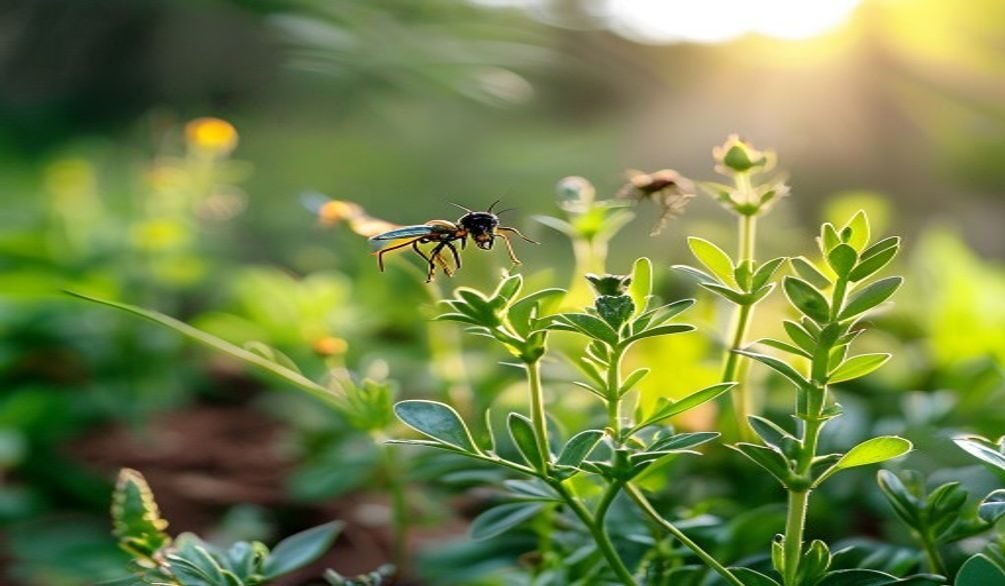
* Habitat Plants: Native flowers and herbs provide nectar, pollen, and shelter for ladybugs, lacewings, syrphid flies, and parasitic wasps, which are voracious predators of aphids, mites, and other soft-bodied pests.
Creating a Beneficial Habitat
To truly encourage beneficial insects for orchards, think beyond just individual plants. Provide diverse flowering plants throughout the growing season, a water source, and undisturbed areas for overwintering. Consider installing insect hotels or leaving small piles of brush in out-of-the-way corners. This diversity creates a stable ecosystem that naturally keeps pest populations in check.
Troubleshooting Common Fruit Tree Pests & Diseases Organically
Even with the best preventative measures, sometimes pests or diseases emerge. Knowing how to identify and address them organically is key to maintaining a healthy orchard. It’s about learning to read the signs your trees are giving you.
Managing Specific Pests Organically
* Codling Moth: This notorious apple pest can be managed with pheromone traps (like Isomate-C for confusion), regular applications of Kaolin clay, or targeted sprays of Spinosad or Bt when larvae are active. Codling moth natural control often requires a multi-pronged approach.
* Aphids: Often found clustered on new growth, aphids can be dislodged with a strong spray of water, treated with insecticidal soap, or controlled by attracting their natural predators like ladybugs and lacewings.
* Apple Maggot: These flies damage apples by laying eggs under the skin. Kaolin clay applications and red sticky sphere traps (often baited with apple volatile lures) are effective organic controls.
* Plum Curculio: This beetle causes crescent-shaped scars on fruit. Kaolin clay, vigilant orchard sanitation, and shaking branches over a tarp in the early morning can help reduce populations.
Organic Disease Management
* Apple Scab: A common fungal disease causing dark spots on leaves and fruit. Planting resistant varieties (e.g., ‘Liberty’ apples) is the best prevention. For susceptible trees, early spring applications of copper or sulfur can provide effective apple scab organic treatment. Good air circulation through pruning also helps.
* Peach Leaf Curl: This fungal disease causes distorted, blistered leaves. The most effective organic treatment is a dormant season application of copper fungicide in late fall and again in early spring before bud swell. ‘Frost Peach’ is a resistant variety.
* Powdery Mildew: Appearing as white, powdery patches, this fungus thrives in humid conditions. Sulfur sprays are effective, as is planting resistant varieties and ensuring good air circulation through proper pruning.
Frequently Asked Questions
How do you keep bugs off fruit trees organically?
Keeping bugs off fruit trees organically involves a combination of strategies, including promoting soil health, choosing disease-resistant varieties, and implementing preventative cultural practices like sanitation and pruning. Additionally, using physical barriers, attracting beneficial insects, and applying organically-approved sprays like neem oil or horticultural oils can effectively deter pests. The key is a proactive, integrated approach that builds a resilient orchard ecosystem.
What is the best natural pesticide for fruit trees?
There isn’t a single “best” natural pesticide, as different pests respond to different treatments, but Neem oil is highly versatile, acting as a repellent, antifeedant, and growth regulator against a wide range of soft-bodied insects and mites. Other effective options include horticultural oils for smothering overwintering pests, Bacillus thuringiensis (Bt) for caterpillars, and Spinosad for specific pests like codling moth. The most effective approach often combines several of these tools based on the specific pest and fruit tree type.
What can I spray on my fruit trees naturally?
You can spray a variety of natural substances on your fruit trees, including horticultural oils (dormant or summer types) to smother pests, neem oil for its broad spectrum of action, and insecticidal soaps for soft-bodied insects like aphids. For fungal diseases, copper and sulfur sprays are organically approved. Kaolin clay can also be sprayed to create a physical barrier against pests like codling moth and apple maggot.
How do you keep fruit trees pest free naturally?
To keep fruit trees pest-free naturally, focus on building overall tree health from the soil up, as healthy trees are more resistant to pests. Implement a robust integrated pest management (IPM) plan that includes regular orchard sanitation, proper pruning for air circulation, and planting pest-resistant varieties. Attract beneficial insects by planting diverse flowering plants, and use physical barriers or traps as needed to prevent infestations.
Embracing organic pest control for fruit trees is a rewarding journey that connects you more deeply with nature’s rhythms. By prioritizing soil health, proactive prevention, and judicious use of natural remedies, you can cultivate a thriving orchard that yields delicious, chemical-free fruit for years to come. The market for sustainable gardening is projected to reach $1.8 billion by 2028, reflecting a growing desire for these natural approaches, and you’re at the forefront of this movement. Learn more about fruit tree pest management from Oregon State University Extension Service.
Are you ready to transform your orchard into a resilient, naturally protected haven? Start implementing these strategies today and observe the incredible difference a holistic approach makes. For further guidance on specific pruning techniques, consider exploring How to Train Young Fruit Trees: Shape, Yield & Longevity to enhance your tree’s long-term health and pest resistance.