Choosing the best hydroponic growing media is a pivotal decision for any successful soilless cultivation system, directly impacting plant health and yields. If you’re wondering which substrate will give your hydroponic garden the edge, you’re in the right place. This comprehensive guide will navigate the diverse world of hydroponic substrates, helping you select the perfect medium for your specific plants and system, ensuring optimal growth and long-term success.
What Are Hydroponic Substrates and Why Do They Matter?
Hydroponic substrates are the inert growing media that provide physical support for plants in soilless cultivation systems. Unlike soil, these mediums don’t supply nutrients themselves but act as a stable anchor for roots, facilitating consistent access to nutrient-rich water and crucial oxygen.
Their importance cannot be overstated, as the right substrate ensures proper water retention and aeration, which are critical for healthy root development and efficient nutrient uptake. Without a suitable medium, plants would struggle to anchor themselves and absorb the necessary elements for vigorous growth.
The global hydroponics market is experiencing significant growth, projected to reach approximately USD 19.1 billion by 2034, underscoring the increasing reliance on optimized components like substrates for efficient food production. Choosing wisely at this stage sets the foundation for your entire hydroponic endeavor.
What is the Best Hydroponic Growing Medium for Different Plants?
The notion of a single “best” hydroponic growing medium is a myth; instead, the ideal choice is highly dependent on the specific needs of your plants. Different crop categories thrive in mediums that offer tailored support for their unique growth habits and root structures.
Best Substrates for Leafy Greens and Herbs
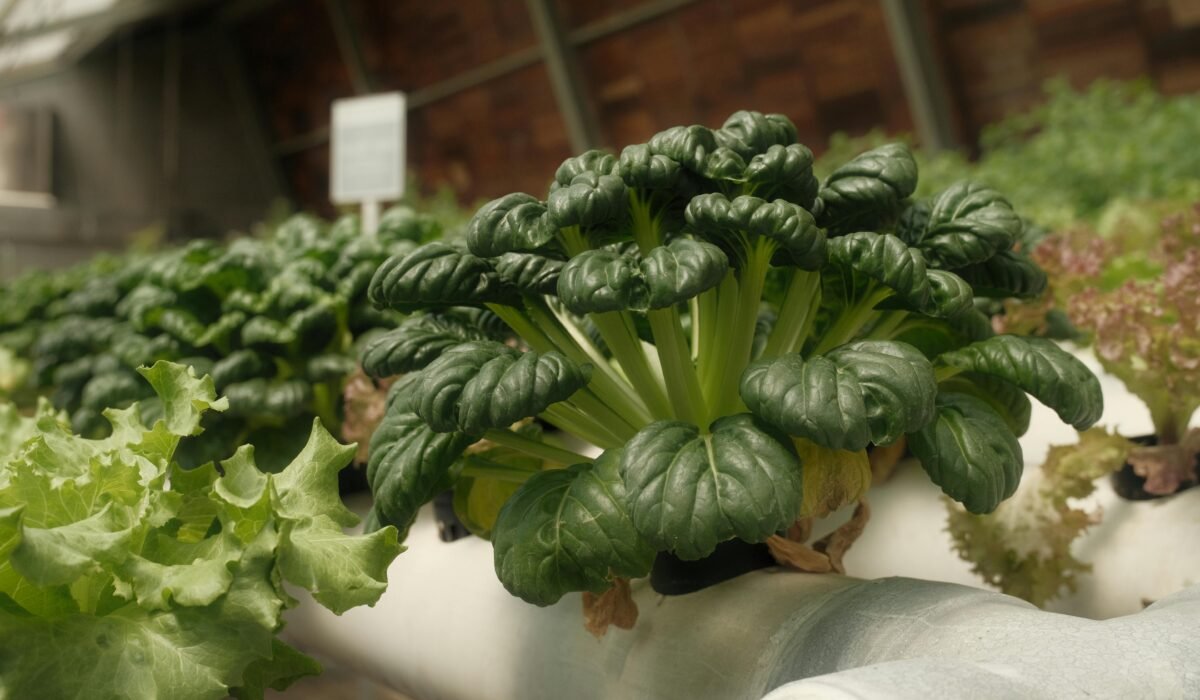
For fast-growing leafy greens like lettuce, spinach, and herbs, you need a medium that provides excellent moisture retention and fine root support. Rockwool and coco coir are perennial favorites here. Rockwool cubes offer a sterile, consistent environment, perfect for seed starting and transplanting into systems like NFT or DWC, while coco coir provides a more organic, forgiving option with good aeration.
Best Substrates for Fruiting Plants
When cultivating larger fruiting plants such as tomatoes, peppers, or cucumbers, stability and robust root anchorage become paramount. Expanded clay pellets (LECA) or larger rockwool slabs are often preferred. These mediums provide the necessary structural support for the plant’s top growth and extensive root systems, while also allowing for ample oxygen to reach the roots, crucial for heavy fruit production.
Best Substrates for Root Vegetables
Growing root vegetables like carrots or radishes hydroponically is less common but certainly achievable with the right substrate. A finer, looser medium like perlite or vermiculite, often mixed with coco coir, works well. This blend allows the roots to expand freely and form tubers without obstruction, while ensuring consistent moisture and nutrient delivery.
Comparing Top Hydroponic Substrates: Coco Coir, Rockwool, LECA & More
Understanding the properties of various hydroponic growing media is essential for making an informed decision. Each substrate offers a unique balance of water retention, aeration, and other characteristics that influence plant growth.
Coco Coir
- Properties: Derived from coconut husks, coco coir boasts excellent water retention (holding 90–95% water) while still providing good aeration. It’s naturally pH neutral to slightly acidic, and often pre-buffered for optimal use.
- Pros: Sustainable, organic, reusable for 2-3 cycles, offers good drainage, and is a forgiving medium for beginners. Everleaf’s plant capsules, for example, leverage coco coir for high germination rates.
- Cons: Can contain residual salts if not properly buffered and rinsed, requires careful nutrient management as it can bind some nutrients like calcium.
Rockwool
- Properties: An inert, sterile medium made from molten rock spun into fibers. It offers a precise balance of air and water, with at least 18 percent air space, making it ideal for optimum root growth, according to Greenhouse Product News.
- Pros: Excellent consistency, sterile, widely used by commercial growers, superb moisture retention and aeration, durable, and provides strong root support. Brands like Grodan are industry standards.
- Cons: Non-biodegradable, can be an irritant to skin/lungs during handling, and its high pH often requires pre-soaking and pH adjustment.
Expanded Clay Pellets (LECA/Hydroton)
- Properties: Lightweight, porous clay balls that are fired to create a hard, inert, and pH-neutral medium. They offer exceptional drainage and aeration due to their irregular shape and structure.
- Pros: Highly reusable, stable, provides strong structural support for larger plants, excellent for oxygen delivery to roots, and very durable.
- Cons: Poor water retention compared to other media, requiring more frequent irrigation, and initially expensive.
Perlite and Vermiculite
- Perlite Properties: Volcanic glass that expands when heated, creating lightweight, porous particles. Provides superior aeration and drainage.
- Vermiculite Properties: A hydrated mineral that expands when heated, forming absorbent flakes. Offers high water retention and good cation exchange capacity.
- Pros: Often mixed (e.g., 50% coco coir with 50% perlite) to balance water retention (vermiculite) and aeration/drainage (perlite). They are lightweight and inexpensive.
- Cons: Can be dusty; vermiculite can compact over time; perlite has very low water retention on its own.
Jute and Other Natural Fibers
- Properties: Natural, biodegradable fibers derived from plants. Jute, for instance, offers good water retention and aeration.
- Pros: Eco-friendly, sustainable, often suitable for organic systems.
- Cons: Less durable than other options, may decompose faster, and availability can vary.
When considering a hydroponic growing media comparison, remember that each has its strengths and weaknesses. The choice often comes down to balancing cost, reusability, and specific plant needs.
Which Hydroponic Substrate is Best for Specific Systems?
The type of hydroponic system you employ significantly influences which substrate will perform best. Matching the medium to the system’s operational mechanics is key to success.
Deep Water Culture (DWC)
For deep water culture systems, where roots are submerged in nutrient solution, the primary role of the substrate is initial seedling support. Rockwool cubes or net pots filled with expanded clay pellets (LECA) are excellent choices. LECA provides superb aeration and stability for mature plants, allowing roots to grow freely into the water. Doug Millar, an aquaponics expert, highlights that for DWC, the right distribution systems and appropriately sized containers are as important as the medium itself.
Ebb and Flow (Flood and Drain)
Ebb and Flow systems involve periodically flooding and draining the grow tray, requiring a medium that drains well but retains some moisture. Expanded clay pellets (LECA) are a top contender due to their excellent drainage and reusability. Perlite or a perlite/coco coir blend also performs well, offering good aeration and a suitable balance of moisture.
Drip Systems
Drip systems deliver nutrient solution directly to the base of each plant. Substrates that offer good moisture retention while allowing for consistent drainage are preferred. Coco coir, rockwool slabs, or a mix of perlite and coco coir are highly effective. These mediums ensure that nutrients are absorbed efficiently and excess water drains away, preventing root rot.
Nutrient Film Technique (NFT)
NFT systems typically use minimal or no substrate beyond a small starting cube. Rockwool cubes are almost universally used for starting seeds or cuttings, which are then placed directly into channels where a thin film of nutrient solution flows over their roots. The substrate’s role here is purely for initial support, as the roots quickly extend into the flowing water.
Sustainable Hydroponic Substrates: Environmental Impact & Disposal
As the hydroponics market expands, with the global hydroponic substrate market valued at $1.8 billion in 2025, the environmental footprint of growing media is gaining increasing scrutiny. Choosing sustainable hydroponic substrates involves considering their entire lifecycle.
Biodegradable Options
Coco coir and jute are leading examples of biodegradable substrates. Coco coir, a byproduct of the coconut industry, decomposes naturally, making its disposal relatively straightforward and environmentally friendly. Jute, another natural fiber, offers similar benefits for small-scale and organic setups. These options reduce landfill waste and can often be composted after use, returning organic matter to the soil.
Reusable Substrates
Expanded clay pellets (LECA) are champions of reusability. These inert pellets can be thoroughly cleaned, sterilized, and used for multiple growing cycles, significantly reducing waste over time. This approach not only lessens environmental impact but also offers long-term cost savings. However, the energy required for their initial production should also be considered.
Challenges with Non-Biodegradable Media
Rockwool, despite its excellent performance, presents a significant disposal challenge because it is non-biodegradable. While it can theoretically be recycled in some industrial processes, practical home or small-scale recycling is difficult. This means spent rockwool often ends up in landfills, where it persists indefinitely. Growers must weigh its performance benefits against its long-term environmental impact.
IntechOpen’s January 2025 study on crop substrates highlights that “Inert substrates typically have high water retention and good drainage properties, minimizing water waste through efficient delivery and retention of nutrient solutions to plant roots,” indirectly supporting the efficiency of some less biodegradable options, but the disposal remains a concern.
Long-Term Costs: Is the Cheapest Hydroponic Growing Medium Always Best?
While initial purchase price is a factor, focusing solely on the cheapest hydroponic growing medium can be a costly mistake in the long run. A detailed cost-benefit analysis over multiple growth cycles reveals the true economic value of each substrate.
Consider reusability: expanded clay pellets (LECA) have a higher upfront cost but can be reused for years, drastically lowering per-cycle expenses. Coco coir, while relatively inexpensive, can typically be reused for 2-3 cycles, offering good value. Rockwool, though often affordable per cube, is generally single-use for best practice, adding up over time.
Beyond reusability, think about pH adjustments and nutrient retention. Substrates that maintain a stable pH neutrality reduce the need for constant monitoring and costly pH up/down solutions. Some mediums, like coco coir, can affect nutrient availability, potentially requiring more specialized nutrient formulations or adjustments, which adds to operational costs. The true cost of a substrate encompasses not just its price tag, but its lifespan, impact on nutrient efficiency, and labor associated with its management.
Can You Mix Hydroponic Substrates for Optimal Growth?
The short answer is yes, you absolutely can mix hydroponic substrates, and it’s a common strategy for achieving optimized growing conditions. Combining different media allows you to leverage the best characteristics of each, creating a custom blend tailored to your plants’ specific needs.
A popular example is a 50% coconut coir with 50% perlite mix. This blend combines coco coir’s excellent water retention and buffering capacity with perlite’s superior aeration and drainage. The result is a medium that holds moisture well without becoming waterlogged, providing an ideal balance of air and water to the root zone.
Mixing substrates can enhance drainage for plants prone to root rot, or increase water-holding capacity for thirsty crops. It’s an advanced technique that allows experienced growers to fine-tune their environment for maximum yield and plant health, though it requires a good understanding of each component’s properties.
Key Factors for Choosing Your Ideal Hydroponic Growing Media
Selecting the ideal hydroponic substrate involves weighing several critical factors. By systematically considering these points, you can make a choice that supports robust plant growth and aligns with your gardening goals.
- Water Retention: How well does the medium hold moisture? High water retention is good for plants that prefer consistent wetness, while excellent drainage is crucial for others.
- Aeration: Is there sufficient air space for roots to breathe? Adequate oxygen prevents root rot and promotes vigorous growth.
- pH Neutrality: Does the substrate naturally maintain a stable pH, or will it require frequent adjustment? A stable pH ensures optimal nutrient uptake.
- Physical Stability: Will the medium adequately support your plants as they grow, especially larger fruiting varieties?
- Reusability & Environmental Impact: Are you looking for a medium that can be reused or is biodegradable? Consider the long-term sustainability and disposal methods.
- Cost: Evaluate both the initial purchase price and the long-term costs, factoring in reusability and potential nutrient adjustments.
- System Compatibility: Ensure the chosen substrate is well-suited for your specific hydroponic system (e.g., DWC, Ebb and Flow, Drip).
What most people miss is that the “perfect” medium is a dynamic choice, evolving with your system, your plants, and your commitment to sustainability. Consider these factors holistically to make the best hydroponic growing media choice for your setup.
Frequently Asked Questions
What is the best medium for hydroponics?
There isn’t a single “best” medium for all hydroponics; the ideal choice depends on your plant type, system, and priorities. Coco coir and rockwool are highly popular for their excellent balance of water retention and aeration, while LECA is favored for its reusability and drainage.
What is the cheapest hydroponic growing medium?
Perlite and vermiculite are often among the cheapest per bag for initial purchase. However, the long-term cost-effectiveness can vary, as reusable options like LECA might offer better value over multiple growth cycles despite a higher upfront expense.
What is the most common hydroponic growing medium?
Rockwool has historically held the largest market share, reaching 34.2% in 2025, especially among commercial growers. However, coco coir is rapidly gaining popularity and is projected to become the most common globally due to its sustainability and performance.
Can you mix hydroponic substrates?
Yes, mixing hydroponic substrates is a common and effective practice. Blending mediums like coco coir and perlite, for example, allows growers to combine the benefits of each, optimizing for both water retention and aeration to create an ideal root environment.
Choosing the best hydroponic growing media is a critical step towards a thriving soilless garden, impacting everything from root health to overall yields. By considering the unique needs of your plants, the specifics of your hydroponic system, and the long-term environmental and economic impacts, you can confidently select the perfect substrate. Take the time to evaluate the options discussed, and set your hydroponic system up for unparalleled success.