Are you tired of tossing valuable kitchen scraps and yard waste into the trash, wondering how to truly transform them into something beneficial for your garden? Unlocking the real organic composting secrets can feel like discovering an ancient alchemy, but it’s actually an accessible, powerful way to create nutrient-rich soil and cultivate a thriving green space. This guide will reveal the advanced techniques and practical wisdom you need to convert your organic waste into “garden gold” efficiently and effectively.
What are the True Organic Composting Secrets?
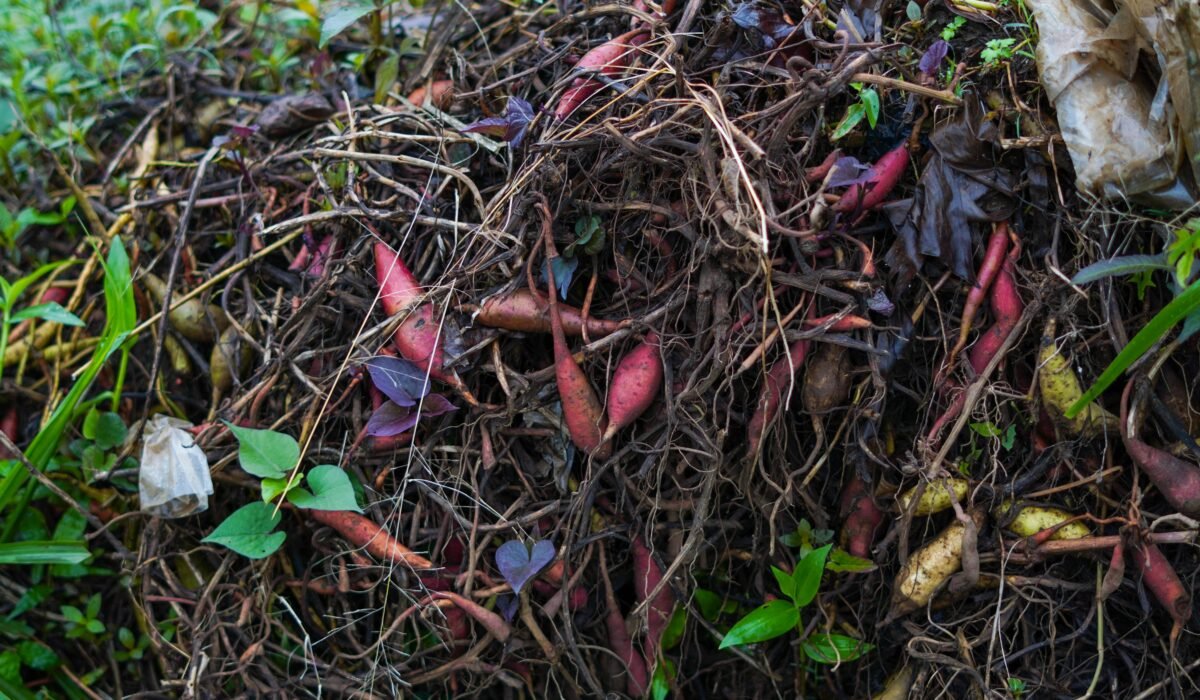
The core of successful organic composting lies in understanding and actively managing the microscopic world within your compost pile. What most people miss is that it’s not just about piling things up; it’s about creating an optimal environment for billions of microbes. Dr. Whendee Silver, a Professor of Ecosystem Ecology at U.C. Berkeley, explains that composting is a “feeding frenzy” where a complex community of microbes breaks down organic material, known as feedstocks.
One of the key organic composting secrets is maintaining a delicate balance of “greens” (nitrogen-rich materials) and “browns” (carbon-rich materials). This isn’t just a basic ratio; it’s about providing a diverse diet for the microorganisms that drive the decomposition process. A truly savvy gardener understands that this balance, combined with proper moisture and aeration, is what transforms raw food scraps into rich, dark humus.
How Do You Make Organic Compost Effectively?
Making organic compost effectively involves more than just throwing items into a bin; it requires a systematic approach to encourage rapid decomposition. The fundamental principle is to mimic nature’s cycle in a controlled environment, creating ideal conditions for microbial activity. Forest Abbott-Lum, Composter in Residence at the Yale Sustainable Food Program, describes it as “the managed process of decomposition,” where humans recreate the natural process of organic matter turning into humus.
Building Your Ideal Compost Pile
A well-structured compost pile begins with a foundation that allows for air circulation and drainage. Start with a layer of coarse brown materials like twigs or straw. Then, alternate layers of green and brown materials, aiming for roughly a 2:1 or 3:1 ratio of browns to greens by volume. This layering ensures a balanced diet for the microbes and prevents the pile from becoming too wet or dense.
For best composting methods, consider using a dedicated compost bin or tumbler. Union County, New Jersey, for instance, recommends upright bins for small spaces and wheel-type bins for school gardens, noting that larger models compost more efficiently due to better heat retention. Regular turning or aeration is crucial, especially in traditional piles, to introduce oxygen and mix the materials, which helps prevent anaerobic conditions and odors.
Maintaining Optimal Moisture and Aeration
The “secret sauce” of a healthy compost pile is consistent moisture, resembling a wrung-out sponge. Too dry, and decomposition slows to a crawl; too wet, and it becomes a smelly, anaerobic mess. Regularly check the moisture content and add water if needed, especially during dry spells. Aeration is equally important; turning your compost pile weekly or bi-weekly introduces oxygen, which is vital for the aerobic bacteria that do most of the work.
Tools like a compost aerator can make this task easier, especially for larger piles. Without proper air circulation, your compost will struggle to break down, leading to a prolonged process and potential pest issues. This attention to detail is what separates a slow, struggling pile from a fast, active one.
What Can You Put in Your Compost Pile (and What to Avoid)?
Understanding what goes into your compost pile is paramount for creating high-quality garden fertilizer and avoiding common pitfalls. The rule of thumb is to stick to organic, plant-based materials for traditional composting methods. However, knowing the specific categories of “greens” and “browns” will empower you to build a balanced and efficient system.
Compost-Friendly Materials (Greens & Browns)
Greens (Nitrogen-Rich): These materials provide the essential nitrogen for microbial growth and heat generation. They tend to be moist and break down quickly.
- Fruit and vegetable scraps (peels, cores, spoiled produce)
- Coffee grounds and tea bags
- Fresh grass clippings (in thin layers to prevent matting)
- Green plant trimmings and garden weeds (before they go to seed)
- Manure from herbivores (e.g., horse, cow, chicken – avoid pet waste)
Browns (Carbon-Rich): These provide carbon, structure, and air pockets, preventing the pile from becoming too dense or wet. They break down more slowly.
- Dried leaves and straw
- Wood chips and sawdust (in moderation)
- Shredded newspaper and cardboard (non-glossy, non-colored)
- Twigs and small branches (chopped)
- Nut shells
Remember, chopping your food scraps and other materials into smaller pieces significantly speeds up the decomposition process. Smaller pieces offer more surface area for microbes to feast on.
Materials to Avoid in Your Compost Pile
Avoiding certain items is crucial to prevent pests, odors, and the spread of diseases. Dr. Whendee Silver emphasizes the importance of avoiding contamination, noting that farmers don’t want “plastic, utensils, and all the other garbage that doesn’t break down.”
- Meat, bones, and fish: Attract pests, create strong odors, and decompose slowly.
- Dairy products and oily foods: Attract pests and create odors.
- Diseased plants: Can spread pathogens to your finished compost and then to your garden.
- Weeds with seeds: The composting process might not get hot enough to kill all seeds, leading to weed problems in your garden.
- Pet waste (dog/cat feces): May contain harmful pathogens and parasites.
- Chemically treated wood or plants: Introduce toxins into your compost.
For materials like meat and dairy, modern composting solutions like Bokashi or electric composters offer alternative organic waste conversion options.
How Can You Speed Up the Composting Process?
Want to know how to make compost fast? The secret lies in optimizing the conditions for microbial activity, turning your compost pile into a hot, efficient decomposition machine. It’s about more than just patience; it’s about active management.
- Chop it Up: The smaller the pieces of food scraps and yard waste, the faster microbes can break them down. Use a shredder for leaves and branches, and chop kitchen scraps before adding them.
- Maintain the “Greens-to-Browns” Ratio: Strive for that ideal 2:1 or 3:1 brown-to-green ratio. Too many greens can make it soggy and smelly; too many browns will slow it down. This balance ensures the microbes have both energy (carbon) and protein (nitrogen) for their work.
- Keep it Moist: Aim for the consistency of a damp sponge. Water your compost pile if it’s dry, especially when adding dry browns. A dry pile is a slow pile.
- Aerate Frequently: Turn your compost pile regularly (every few days to once a week). This introduces oxygen, which is essential for aerobic decomposition, and distributes moisture and microbes throughout the pile. This is perhaps the most impactful step for accelerating the process.
- Ensure Adequate Volume: A larger compost pile (at least 3x3x3 feet) generates and retains heat more effectively, which significantly speeds up decomposition. Smaller piles struggle to reach the necessary temperatures for hot composting.
- Use a Compost Starter: While not strictly necessary, adding a shovel full of finished compost or nutrient-rich soil can introduce a healthy population of microbes to kickstart a new pile.
By consistently applying these techniques, you can significantly reduce the time it takes to produce ready-to-use garden fertilizer, often achieving usable compost in a matter of weeks rather than months.
Troubleshooting Common Composting Problems
Even expert composters face occasional challenges, but knowing the “secrets” to common problems can turn setbacks into success stories. Addressing issues promptly ensures your decomposition process stays on track.
Odor Issues: The Smell Test
If your compost pile smells like rotten eggs or ammonia, it’s a clear sign of an imbalance. A foul, putrid smell usually indicates too much nitrogen (greens) and not enough oxygen, leading to anaerobic conditions. The secret here is to add more brown, carbon-rich materials like dry leaves or shredded cardboard and turn the pile thoroughly to introduce air. An ammonia smell, conversely, means too much nitrogen is off-gassing; again, add browns to balance it out.
Slow Decomposition: Patience or Intervention?
A sluggish compost pile is often due to a lack of heat, moisture, or aeration. If it’s not breaking down, check these factors:
- Is it too dry? Water it until it’s damp like a sponge.
- Is it too wet/dense? Add browns and turn it.
- Is it getting enough air? Turn it more frequently.
- Is the pile too small? Larger piles retain heat better.
- Are your materials too large? Chop them smaller to increase surface area.
Sometimes, simply turning a cold pile can restart the heating process by re-introducing oxygen and mixing fresh materials for the microbes. A compost thermometer can help you monitor internal temperatures, aiming for 130-160°F (54-71°C) for fast, hot composting.
Pests and Critters: Unwanted Guests
Attracting rodents, flies, or other pests is a common concern. The main “secret” to deterring them is to avoid adding meat, dairy, oily foods, or pet waste to your traditional compost bin. Bury fresh food scraps deep within the pile, covering them with a layer of brown materials. Keeping your compost pile contained in a sturdy compost bin or tumbler also provides a physical barrier against larger pests.
For fruit flies, ensure your kitchen compost can has a tight-fitting lid, like the OXO Easy-Clean Compost Bin, and empty it frequently. For existing pest issues, temporarily stop adding fresh food scraps, turn the pile thoroughly, and ensure it’s properly balanced and hot. For persistent issues, consider exploring organic pest control methods that align with your gardening philosophy.
Leveraging Your Compost for Targeted Garden Gold
Once you’ve mastered the art of creating beautiful, dark, crumbly compost, the real magic begins: using it to transform your garden. Stacey Murphy, a Master Gardener, calls compost the “secret sauce” of a thriving garden, improving water retention, suppressing diseases, and buffering soil pH. Applying your finished compost strategically is key to achieving targeted “garden gold.”
Enhancing Soil Health and Fertility
Compost is not just a fertilizer; it’s a soil builder. Incorporating compost into your garden beds dramatically improves soil health by enhancing its structure, aeration, and water-holding capacity. It introduces a diverse microbiome, boosting the beneficial bacteria and fungi that plants need to thrive. For instance, a 2023 survey by the US Composting Council reported that member compost producers processed over 14 million tons of organic feedstock, producing over 6 million tons of finished compost, much of which goes to improving agricultural soil.
To use it, simply spread a 1-2 inch layer of finished compost over your garden beds and gently work it into the top few inches of soil. This enriches the soil with a slow-release supply of nutrients, reducing the need for synthetic fertilizers. This is a crucial step for boosting overall plant vitality and yields, especially for heavy feeders like vegetables.
Specific Applications for Different Plants
Different plants can benefit from compost in specific ways:
- Vegetable Gardens: Before planting, mix compost generously into the top 6-8 inches of soil. This provides a nutrient-rich foundation for strong root development and abundant yields. For an added boost, side-dress established plants with a thin layer of compost mid-season.
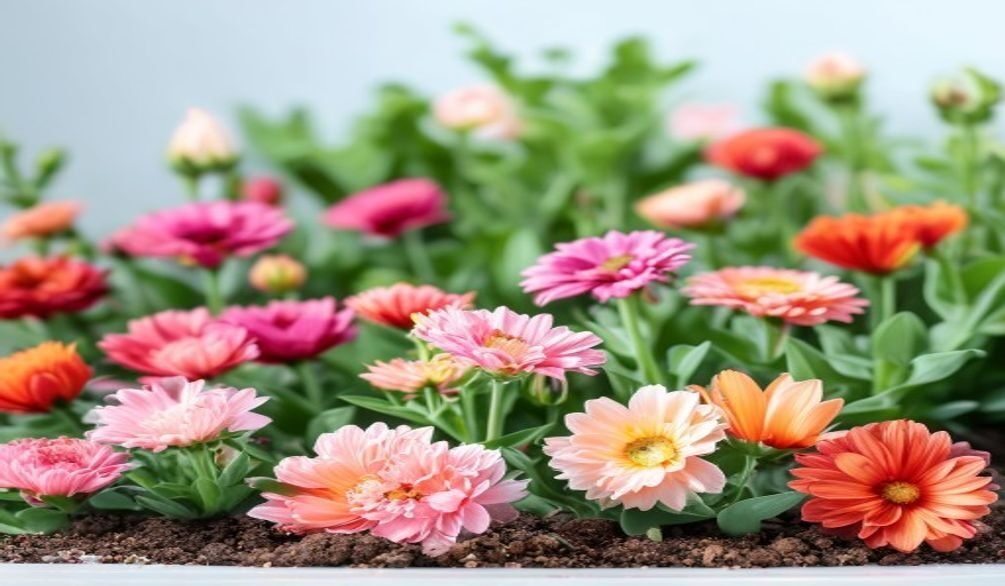
- Flower Beds: Incorporate compost when planting new flowers or as a top-dressing for existing beds. It helps improve drainage for delicate roots and provides steady nourishment for vibrant blooms.
- Trees and Shrubs: Apply a 1-2 inch layer of compost around the base of trees and shrubs, keeping it a few inches away from the trunk. This acts as a slow-release fertilizer and helps retain moisture.
- Lawns: Top-dress your lawn with a thin layer (about 1/4 inch) of screened compost annually. It improves soil structure, reduces compaction, and feeds grass roots, leading to a healthier, greener lawn.
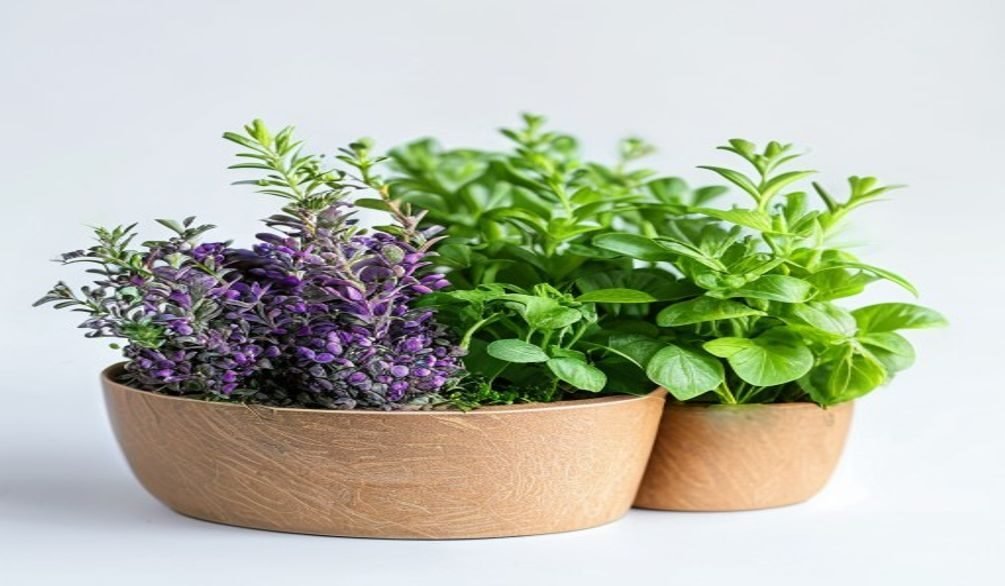
- Potted Plants: Mix 1 part compost with 2-3 parts potting mix for an extra boost of nutrients and improved water retention in containers. This is especially beneficial for plants that require rich soil, like many herbs. For more on this, check out our guide on best soil for thriving herb gardens.
By understanding how to use your compost strategically, you truly transform it from mere decomposed waste into targeted garden gold, optimized for specific outcomes.
Modern Composting Solutions: Beyond the Traditional Bin
While traditional backyard compost bins are excellent, modern composting solutions offer convenience, speed, and options for those with limited space or specific needs. These innovations expand the possibilities for organic waste conversion, even for “uncompostable” items.
Indoor Composting Solutions
For urban dwellers or those without yard space, indoor composting solutions are a game-changer. These methods handle food scraps efficiently without odors or pests.
- Vermicomposting: This method uses red wiggler worms to break down food scraps in a specialized worm bin. The worms consume the organic material and excrete nutrient-rich “worm castings,” an excellent garden fertilizer. It’s quiet, odor-free if managed correctly, and ideal for kitchen waste.
- Bokashi Method: The All Seasons Indoor Composter utilizes the Bokashi method, an anaerobic fermentation process. Food waste, including meat and dairy (which are typically avoided in traditional composting), is “pickled” using bokashi bran (wheat bran, molasses, microbes). This process doesn’t break down the waste into humus immediately but ferments it, making it ready for burial in the garden or further composting. It also produces “compost tea,” a liquid fertilizer.
Electric Composters: Speed and Convenience
Electric composters represent the cutting edge of indoor composting solutions, rapidly processing food waste into a soil amendment. These appliances use heat, grinding, and aeration to dramatically shrink waste volume and create a dry, nutrient-rich material in hours.
- Lomi 1.3: This popular electric composter offers modes like “Grow” (12-20 hours for nutrient-rich fertilizer) and “Eco Express” (3-8 hours to shrink waste). It’s praised for its speed, odor control, and dishwasher-safe bucket, making it incredibly convenient for daily kitchen scraps.
- Reencle Prime Electric Composter: Described as an aerobic micro-bed system, the Reencle Prime stays active 24/7, processing up to 2.2 pounds of food waste daily with minimal maintenance. It’s often cited as highly efficient and quiet, utilizing microbes to break down waste quickly.
These modern innovations offer flexibility and efficiency, making composting accessible to almost anyone, anywhere, and providing best composting methods for a variety of lifestyles.
What Are the Benefits of Organic Composting?
Embracing organic composting offers a cascade of benefits, extending far beyond your garden to impact the environment and even your wallet. David The Good, author of “Compost Everything,” aptly states, “Compost is like magic. Take ‘waste,’ and make it into a resource.”
Environmental Impact and Waste Diversion
Composting is a powerful tool for environmental stewardship. Food scraps and yard waste constitute over 28% of what Americans throw away, with around 80 million tons of food ending up in landfills each year. When organic material decomposes in landfills without oxygen, it produces methane, a potent greenhouse gas. By composting, you divert this organic waste, significantly reducing methane emissions.
In 2023, the application of compost produced by US Composting Council members alone sequestered an estimated 522,538 US tons of carbon dioxide equivalents, demonstrating its substantial climate impact. Furthermore, policy changes, such as food waste bans in 10 states and seven major U.S. cities, have driven a 49% increase in residential curbside organics collection programs since 2021, highlighting the growing recognition of composting’s importance.
Enhanced Garden Productivity and Soil Health
The most immediate and tangible benefit for gardeners is the creation of nutrient-rich soil. Compost improves soil structure, aeration, and water retention, leading to healthier, more resilient plants. It acts as a natural garden fertilizer, slowly releasing essential nutrients and reducing the need for synthetic chemicals.
A thriving soil microbiome, fostered by compost, also helps suppress plant diseases and pests, making your garden more productive and robust. Eliot Coleman, the renowned organic farmer, famously stated, “Information is like compost; it does no good unless you spread it around,” a testament to the transformative power of this practice.
Economic Savings and Community Benefits
Composting reduces the amount of waste you send to landfills, potentially lowering your waste disposal costs. It also saves money on purchasing synthetic fertilizers and soil amendments for your garden. On a larger scale, the global compost market size was $5471.65 Million in 2021 and is projected to reach $10910.7 Million by 2033, indicating a robust and growing industry built on this valuable resource.
Community composting initiatives are also flourishing; the 2024 Community Composter Mini-Census revealed a 17% increase in organic material handled by repeat respondents from 2023 to 2024, diverting almost 35,000 tons of food scraps. This growth highlights composting’s role in fostering local economies and creating sustainable waste management systems.
Frequently Asked Questions
What are the secrets to good compost?
The secrets to good compost involve diligently balancing “greens” (nitrogen-rich materials like food scraps) and “browns” (carbon-rich materials like dry leaves), maintaining consistent moisture levels similar to a damp sponge, and providing ample aeration through regular turning. Chopping materials into smaller pieces also significantly speeds up the decomposition process, creating an optimal environment for beneficial microbes.
How do you make organic compost?
To make organic compost, start by creating a layered compost pile with alternating “brown” and “green” materials, aiming for more browns than greens. Ensure the pile is consistently moist but not soggy, and turn it regularly to introduce oxygen and mix the contents. Avoid adding meat, dairy, or oily foods to prevent pests and odors, focusing instead on plant-based food scraps and yard waste.
What is the fastest way to make organic compost?
The fastest way to make organic compost is through “hot composting,” which involves a large, well-balanced pile (at least 3x3x3 feet) with finely chopped materials. Consistent moisture, frequent turning (every few days), and maintaining a hot internal temperature (130-160°F) are crucial. This active management fuels rapid microbial activity, transforming materials into finished compost in weeks.
What are the benefits of organic compost?
The benefits of organic compost are extensive, including significantly improving soil health by enhancing structure, aeration, and water retention, leading to more vigorous plant growth and higher yields. It acts as a natural, slow-release garden fertilizer, reduces the need for chemical inputs, and diverts organic waste from landfills, thereby reducing harmful methane emissions and contributing to a healthier environment.
By applying these advanced organic composting secrets, you’re not just reducing waste; you’re actively participating in a cycle of renewal that enriches your garden and supports a healthier planet. Start transforming your scraps into nutrient-rich soil today, and watch your garden flourish like never before.