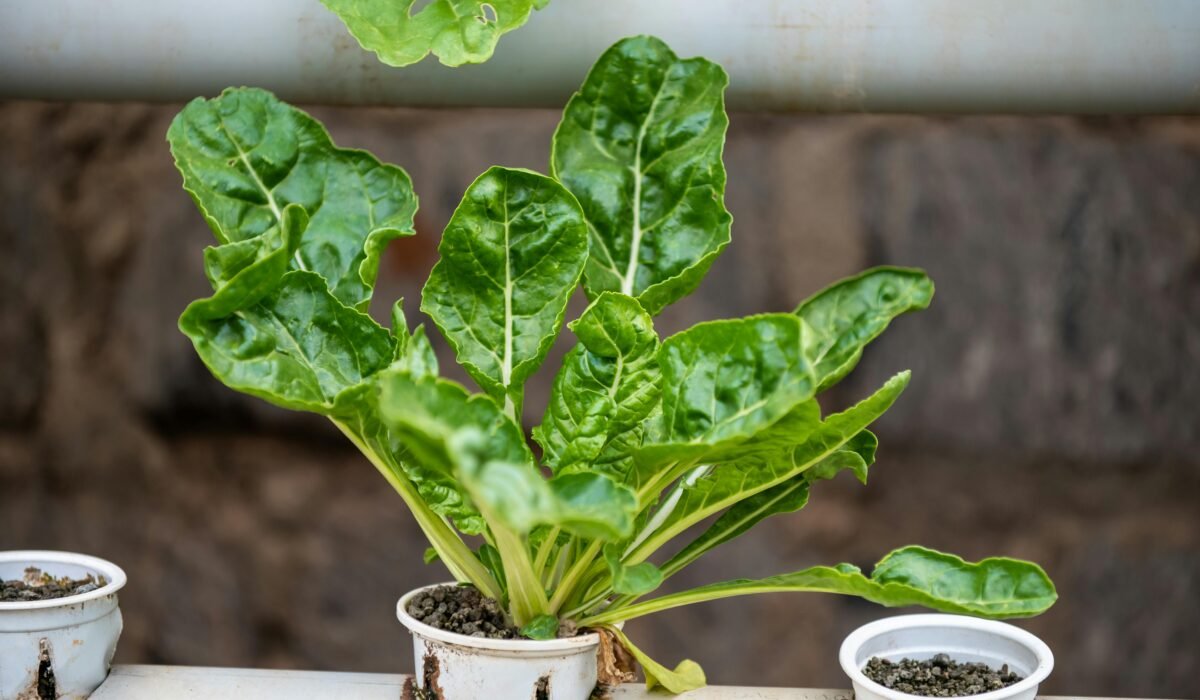
Struggling to get your vertical garden to truly thrive? Mastering your vertical garden fertilization guide is the single most important step to unlocking lush growth and abundant harvests. This article will demystify nutrient needs and feeding schedules, ensuring your plants get exactly what they need, when they need it.
What are the essential nutrient needs for vertical garden plants?
Your vertical garden plants, whether growing in soil or soilless media, require a precise cocktail of nutrients to flourish. These are broadly categorized into macronutrients and micronutrients, each playing a critical role in plant health and productivity. Understanding these fundamental needs is the bedrock of effective vertical garden fertilization.
Macronutrients: The Big Three (NPK)
The most talked-about nutrients are Nitrogen (N), Phosphorus (P), and Potassium (K), often seen as NPK ratios vertical garden fertilizers. Each element fuels distinct aspects of plant development.
- Nitrogen (N): Crucial for leafy growth and chlorophyll production, giving plants their vibrant green color. Without enough nitrogen, leaves will yellow and growth will be stunted.
- Phosphorus (P): Essential for strong root development, flowering, and fruiting. It’s the energy currency for plants, vital for processes like photosynthesis and nutrient transfer.
- Potassium (K): Supports overall plant vigor, disease resistance, and water regulation. Potassium helps plants withstand stress and produce higher quality fruits and flowers.
What most people miss is that the ideal NPK ratio shifts dramatically depending on the plant’s growth stage and type. Young seedlings need a balanced blend, while leafy greens demand more nitrogen, and fruiting plants crave higher phosphorus and potassium.
Micronutrients: Small Amounts, Big Impact
While needed in smaller quantities, micronutrients are just as vital for healthy plant function. These include iron, manganese, zinc, copper, boron, molybdenum, and chlorine.
Each micronutrient contributes to specific enzymatic reactions and metabolic processes. For example, iron is essential for chlorophyll formation, and boron aids in cell wall development and nutrient transport. A deficiency in any one of these can severely impact your vertical garden’s health, despite adequate macronutrient supply.
How do I fertilize my vertical garden effectively?
Effective vertical garden fertilization isn’t just about what you apply, but how you apply it. The method largely depends on whether your system is soil-based or soilless, and choosing the right vertical garden nutrient solutions is key.
For Soil-Based Vertical Gardens
If your vertical garden uses potting mix, your fertilization strategy will be similar to traditional container gardening, but with some vertical-specific considerations. Nutrient leaching can be more pronounced in vertical systems due to frequent watering and gravity.
- Slow-Release Granules: These are excellent for providing a steady supply of nutrients over several months. Mix them into your potting soil before planting or top-dress existing plants. This helps prevent nutrient spikes and burn.
- Liquid Fertilizers: Applied through your watering system, liquid fertilizers offer immediate nutrient availability. This is particularly effective for delivering a quick boost or addressing specific deficiencies. Ensure even distribution to all plant pockets.
- Compost Tea & Worm Castings: These organic options enrich the soil microbiome and provide a gentle, sustained release of nutrients. Applying compost tea can also introduce beneficial microbes that improve nutrient uptake. You can learn more about this in our Organic Composting Secrets guide.
The short answer is to combine methods for comprehensive nutrition. Don’t rely on just one approach; a layered strategy offers the best results for a robust vertical garden fertilization guide.
For Hydroponic & Soilless Vertical Gardens
When using soilless media like rockwool, coco coir, or perlite (as discussed in our Best Hydroponic Growing Media guide), your plants rely entirely on you for their nutrition. This requires a specific approach to hydroponic nutrients for vertical gardens.
- Hydroponic Nutrient Solutions: These are specially formulated, water-soluble fertilizers designed to deliver all essential macro and micronutrients directly to the roots. They come in multi-part systems (e.g., A & B solutions) to prevent nutrient lockout.
- Concentration & Dilution: Always follow the manufacturer’s instructions for diluting your nutrient solution. Over-fertilization is a common mistake that can lead to nutrient burn, especially in concentrated systems like a vertical tower garden.
- System Specifics: Drip systems, NFT (Nutrient Film Technique), and aeroponic systems all deliver nutrients differently. Ensure your solution is circulating properly and reaching all root zones.
In practice, for soilless systems, you’re constantly managing a precisely balanced nutrient solution. This means regular monitoring and adjustment, which we’ll delve into later.
What’s the best feeding schedule for vertical garden plants?
A consistent and tailored feeding schedule is paramount for vertical garden yield optimization. The “best” schedule isn’t one-size-fits-all; it depends on plant type, growth stage, and your specific vertical garden system.
General Guidelines for Feeding Frequency
Most vertical gardens, especially soilless ones, require more frequent fertilization than traditional soil gardens because nutrients are constantly being delivered and absorbed, or flushed out.
- Soil-Based Systems:
- Slow-Release: Every 2-3 months, or as per product instructions.
- Liquid Feed: Every 2-4 weeks, depending on plant needs and growth stage.
- Hydroponic/Soilless Systems:
- Nutrient Solution Changes: Typically every 1-2 weeks to replenish nutrients and prevent buildup.
- Top-offs: Daily or every few days, adding fresh water (and sometimes a small amount of nutrient solution) to maintain volume.
Remember, nutrient solutions in vertical gardens can lead to faster growth and up to 90% less water usage compared to traditional gardening, making precise feeding even more impactful.
Plant-Specific Feeding Schedules
Here’s where the precision comes in. Different plants have distinct hunger levels and nutrient preferences throughout their life cycles. Using a balanced feeding schedule vertical garden strategy for each plant type is crucial.
Leafy Greens (Lettuce, Spinach, Kale, Herbs)
These plants are all about foliage, so they crave nitrogen.
- Young Plants/Seedlings: Balanced NPK (e.g., 5-5-5 or 10-10-10) at half strength.
- Vegetative Growth: Higher nitrogen formula (e.g., 10-5-5 or 2-1-1 NPK ratio) every 1-2 weeks for soil, or continuously in hydroponic solution.
For herbs, consider our Growing Herbs Hydroponically guide for more specific advice.
Fruiting Plants (Strawberries, Tomatoes, Peppers)
Fruiting plants require a shift in nutrients as they move from vegetative growth to flowering and fruit production. This means a specialized fruiting plant fertilizer vertical application.
- Vegetative Stage (Pre-Flowering): Balanced NPK, leaning slightly towards nitrogen for initial growth.
- Flowering & Fruiting Stage: Switch to a fertilizer with lower nitrogen and higher phosphorus and potassium (e.g., 5-10-10 or bloom-specific formulas). Apply every 1-2 weeks for soil, or maintain in hydroponic solution.
What most people miss is adjusting the nutrient profile *before* flowers appear, to prime the plant for fruit development.
Organic vs. Synthetic Fertilizers: Which is best for your vertical garden?
The choice between organic vertical garden fertilizer and synthetic options often comes down to your gardening philosophy, system type, and desired level of control. Both have distinct advantages and disadvantages.
Synthetic Fertilizers: Precision & Speed
Synthetic fertilizers are chemically manufactured to provide precise nutrient ratios. They are water-soluble, making them readily available for plant uptake.
- Pros:
- Fast-acting: Nutrients are immediately available to plants.
- Precise control: Easy to measure and adjust NPK ratios and micronutrients.
- Clean for hydroponics: Less likely to clog pumps or emitters in soilless systems. Often the best fertilizer for vertical tower garden systems.
- Cons:
- Risk of over-fertilization: Can easily burn plants if applied incorrectly.
- Environmental impact: Runoff can pollute waterways if not managed carefully.
- No soil building: Does not improve soil structure or microbial life.
Here’s the thing: synthetic nutrients are often the go-to for hydroponic vertical garden nutrients because they offer unparalleled control and cleanliness.
Organic Fertilizers: Soil Health & Sustainability
Organic fertilizers are derived from natural sources like compost, manure, bone meal, and fish emulsion. They feed the soil microbes, which then break down nutrients for the plants.
- Pros:
- Improves soil health: Enriches soil structure, water retention, and microbial activity over time.
- Slower release: Less risk of nutrient burn, providing a steady supply.
- Environmentally friendly: Sustainable and reduces chemical runoff.
- Cons:
- Slower action: Nutrients need to be broken down by microbes, so results aren’t immediate.
- Less precise: Exact NPK ratios can be harder to determine and adjust.
- Can clog systems: Not ideal for most hydroponic or drip irrigation systems due to particulate matter.
- Odor: Some organic options can have a strong smell.
For soil-based vertical gardens, organic fertilizers are often preferred for their long-term benefits to soil health. If you’re considering a DIY vertical garden fertilizer, many organic options like compost tea are good starting points.
How to identify and correct nutrient deficiencies in vertical gardens?
Spotting plant nutrient deficiencies vertical garden issues early is critical for plant recovery. The unique environment of vertical gardens can sometimes exacerbate these problems due to rapid growth, limited media volume, or efficient nutrient uptake. Timely intervention can save your harvest.
Common Deficiency Symptoms & Visual Cues
Diagnosing deficiencies often involves observing leaf discoloration and growth patterns. Here’s a quick guide:
- Nitrogen (N) Deficiency:
- Symptoms: Older, lower leaves turn uniformly pale green to yellow. Stunted growth.
- Correction: Apply a high-nitrogen liquid fertilizer or adjust your nutrient solution.
- Phosphorus (P) Deficiency:
- Symptoms: Leaves, especially older ones, may turn a dark green or purplish color. Stunted growth, poor flowering/fruiting.
- Correction: Use a fertilizer with a higher phosphorus content (e.g., bloom booster).
- Potassium (K) Deficiency:
- Symptoms: Yellowing or browning along the leaf margins (edges) of older leaves, often appearing scorched. Weak stems.
- Correction: Apply a high-potassium fertilizer or adjust your hydroponic nutrients for vertical gardens.
- Iron (Fe) Deficiency:
- Symptoms: New, younger leaves show interveinal chlorosis (yellowing between green veins).
- Correction: Use an iron chelate supplement. Often seen in high pH conditions.
For a more comprehensive visual guide, refer to resources like our Diagnose Indoor Plant Leaf Problems article.
Vertical Garden-Specific Solutions
Correcting deficiencies in vertical gardens requires quick action and sometimes different strategies than traditional gardening.
- Foliar Feeding: For fast relief of micronutrient deficiencies, spray a diluted nutrient solution directly onto the leaves. This allows for immediate absorption.
- Flush & Replenish (Hydroponics): If you suspect a nutrient imbalance or lockout in a soilless system, completely drain your reservoir, flush the system with pH-balanced water, and then refill with a fresh, correctly balanced nutrient solution.
- Adjusting Water pH: Many nutrient deficiencies are actually caused by the pH of your water being too high or too low, preventing roots from absorbing nutrients effectively. This is especially true for micronutrients like iron.
In practice, consistent monitoring of your plants and prompt action are your best defenses against nutrient deficiencies.
Advanced Vertical Garden Fertilization: pH, EC & Hydroponics
For those serious about maximizing their vertical garden’s potential, especially with soilless systems, understanding pH and EC (Electrical Conductivity) is non-negotiable. These parameters directly influence how well your plants absorb the vertical garden nutrient solutions you provide. This level of control is what sets apart a good vertical farm fertilizer strategy from a great one.
Understanding pH: The Nutrient Availability Gatekeeper
pH measures the acidity or alkalinity of your nutrient solution. It’s crucial because it dictates the availability of different nutrients to plant roots. Each nutrient has an optimal pH range for absorption.
- Optimal Range: Most plants in hydroponic systems thrive in a pH range of 5.5 to 6.5. Outside this range, even if nutrients are present, plants can’t access them, leading to deficiencies or toxicities.
- Monitoring: Use a reliable digital pH meter or pH test kit daily.
- Adjusting: Use pH Up (potassium hydroxide) or pH Down (phosphoric acid or nitric acid) solutions to bring your reservoir into the correct range. Always adjust slowly and re-test.
What most people miss is that pH can drift over time due to plant uptake and water evaporation, so regular EC and pH monitoring hydroponics is essential, not just a one-time check.
EC: Measuring Nutrient Concentration
EC, or Electrical Conductivity, measures the total concentration of dissolved salts (nutrients) in your water. It tells you how strong your hydroponic vertical garden nutrients solution is.
- Optimal Range: This varies significantly by plant type and growth stage. Leafy greens might prefer an EC of 1.2-1.8 mS/cm, while fruiting plants like tomatoes might need 2.0-2.5 mS/cm during fruiting.
- Monitoring: Use a digital EC meter (also called a TDS meter, though EC is more precise). Measure daily.
- Adjusting:
- If EC is too high: Dilute with fresh, pH-balanced water.
- If EC is too low: Add more nutrient solution concentrate until the desired level is reached.
Tower Garden systems, for example, often recommend specific EC ranges for their soilless vertical gardening nutrients, highlighting the importance of this measurement. Studies show that Tower Garden systems can produce 30% more yields using 90% less space and facilitate harvests up to three times faster than traditional soil gardening, partly due to precise nutrient management.
Seasonal and Environmental Adjustments for Vertical Garden Fertilization
Your vertical garden’s environment profoundly impacts its nutrient needs and feeding schedule. Adapting your vertical garden fertilization guide to seasonal changes and growing conditions is a hallmark of an expert grower.
Indoor vs. Outdoor Vertical Gardens
The controlled environment of an indoor vertical garden allows for more consistent fertilization, while outdoor systems face the whims of nature.
- Indoor Gardens:
- Consistency: Maintain a stable feeding schedule and nutrient concentration year-round, as light, temperature, and humidity are typically controlled.
- Less Leaching: Closed-loop hydroponic systems minimize nutrient loss, requiring less frequent full solution changes but consistent topping off.
- Outdoor Gardens:
- Rainfall: Heavy rain can leach nutrients from soil-based vertical gardens, necessitating more frequent feeding.
- Sunlight Intensity: Plants growing in full, intense sun may photosynthesize more vigorously and thus require more nutrients.
In practice, indoor growers have the luxury of precision, while outdoor gardeners must be more reactive to weather patterns.
Temperature and Humidity Considerations
Environmental factors like temperature and humidity directly influence a plant’s metabolic rate and water uptake, which in turn affects nutrient demand.
- High Temperatures: Plants transpire more rapidly in hot weather, potentially leading to faster nutrient uptake and quicker depletion of your reservoir. You might need to increase feeding frequency or nutrient concentration slightly.
- Low Temperatures: Cooler temperatures slow down plant metabolism, reducing nutrient uptake. Over-fertilizing in cool conditions can lead to nutrient buildup and toxicity. Consider reducing nutrient strength.
- Humidity: High humidity can reduce transpiration, meaning less water (and thus fewer nutrients) are pulled through the plant. Conversely, low humidity increases transpiration.
The USDA Agricultural Research Service (ARS) and other vertical farming studies consistently highlight how environmental control can optimize nutrient delivery and plant growth, emphasizing the importance of these adjustments.
Frequently Asked Questions
How do I fertilize my vertical garden?
To fertilize your vertical garden, you should either incorporate slow-release granules or apply liquid fertilizers directly to the root zone for soil-based systems. For hydroponic or soilless vertical gardens, you’ll use specially formulated nutrient solutions added to your water reservoir, ensuring they circulate efficiently to the plant roots. Regular monitoring of your system and plant health guides the specific application method.
What is the best fertilizer for vertical gardening?
The best fertilizer for vertical gardening depends on your system type and plant needs. For soil-based systems, a balanced organic granular or liquid fertilizer is often ideal, while hydroponic vertical garden nutrients require water-soluble, multi-part synthetic solutions designed for soilless growing. The key is to select a product that provides the correct NPK ratios and micronutrients for your specific plants and their growth stage.
How often should I fertilize my vertical garden?
You should fertilize your vertical garden more frequently than traditional gardens due to the nature of vertical systems. For soil-based systems, liquid feeding might occur every 2-4 weeks, or slow-release granules every 2-3 months. Hydroponic systems typically require a full nutrient solution change every 1-2 weeks, with daily or bi-daily top-offs using fresh water and occasionally diluted nutrients.
What nutrients do plants need in a vertical garden?
Plants in a vertical garden need essential macronutrients (Nitrogen, Phosphorus, Potassium – NPK) for growth, flowering, and fruiting, along with vital micronutrients like iron, manganese, and zinc. These nutrients support all metabolic processes, from chlorophyll production to root development. The specific balance of these nutrients will vary based on the plant type and its current growth phase.
Mastering your vertical garden fertilization guide isn’t just about pouring nutrients; it’s about understanding plant physiology and environmental dynamics. By implementing these precision strategies for nutrient needs and feeding schedules, you’re not just growing plants – you’re cultivating a thriving, productive ecosystem. Start applying these insights today and watch your vertical garden reach its full, lush potential.