Are you looking to revolutionize your garden’s health and reduce maintenance with minimal effort? Understanding the benefits of organic mulch is your first step towards a thriving, resilient landscape. Many gardeners struggle with constant weeding and dry soil, but the right organic mulch can transform these challenges into opportunities for abundant plant growth and a healthier garden ecosystem.
What Are the Core Benefits of Organic Mulch?
Organic mulch offers a multifaceted approach to improving your garden, delivering advantages that extend far beyond aesthetics. These natural materials work in harmony with your environment to create ideal conditions for plant growth and significantly reduce your workload.
Essential Advantages for Gardeners
The primary advantages of integrating organic mulch into your gardening practices are truly transformative. As David Hillock, an Oklahoma State University Extension consumer horticulturist, emphasizes, “Mulching garden soil is one of the most valuable, cultural practices of gardening.”
- Superior Weed Suppression: A thick layer of organic mulch effectively blocks sunlight from reaching weed seeds, preventing germination and growth. This means less time spent pulling weeds and more time enjoying your garden.
- Enhanced Water Retention: Mulch acts as a protective barrier, significantly reducing water evaporation from the soil surface. This keeps the soil moist for longer, meaning you’ll need to water less frequently, especially during dry spells, saving both time and precious resources.
- Soil Temperature Regulation: Organic mulch insulates the soil, keeping it cooler in summer and warmer in winter. An MSU study demonstrated that organic mulch can regulate soil temperatures by as much as 18 degrees at mid-day, which creates a more stable environment for root development and microbial activity.
- Reduced Soil Erosion: The physical presence of mulch covers the soil, protecting it from the impact of heavy rain and wind. This helps to prevent valuable topsoil from being washed or blown away.
- Increased Water Absorption: Mulch slows down the rate at which water hits the soil, allowing it to penetrate rather than run off. This ensures that more water reaches plant roots where it’s needed most.
What most people miss is that these individual benefits synergize to create a much healthier overall growing environment. Less stress from temperature fluctuations and consistent moisture levels allows plants to focus their energy on robust growth and fruit production.
How Does Organic Mulch Improve Soil Health Long-Term?
Beyond immediate benefits, the true power of organic mulch lies in its ability to fundamentally transform and enrich your soil over time. This isn’t just about covering the ground; it’s about fostering a vibrant, living ecosystem beneath the surface.
Building a Thriving Soil Ecosystem
As organic materials break down, they contribute vital organic matter to the soil. This process is crucial for long-term soil health and fertility.
- Enriching Nutrient Cycling: As organic mulch decomposes, it releases essential nutrients directly into the soil. This slow, steady feeding provides a sustained source of nourishment for your plants, reducing the need for synthetic fertilizers. It’s a natural, continuous nutrient cycling system.
- Boosting Microbial Activity: The decomposition process is driven by a diverse community of beneficial microorganisms, including bacteria, fungi, and earthworms. These soil microbes break down organic matter, convert nutrients into plant-available forms, and improve soil structure. You can learn more about creating rich soil through composting in our guide on Organic Composting Secrets.
- Enhancing Soil Structure: The addition of organic matter improves soil aggregation, creating a crumbly texture that allows for better aeration and drainage. This is particularly beneficial for heavy clay soils, which become less compacted, and sandy soils, which gain improved water retention.
- Supporting Mycorrhizal Fungi: Organic mulches create a hospitable environment for mycorrhizal fungi, which form symbiotic relationships with plant roots. These fungi extend the plant’s root system, significantly improving its ability to absorb water and nutrients, leading to stronger, more resilient plant growth.
In practice, this means your soil becomes more alive, more fertile, and better able to support vigorous plant life naturally. This biological activity is the bedrock of sustained garden productivity.
Which Organic Mulch Materials Are Best for Suppressing Weeds?
When your primary goal is to conquer stubborn weeds, selecting the right organic mulch for weed control is paramount. Different materials offer varying levels of effectiveness based on their density, particle size, and decomposition rates.
Top Choices for Effective Weed Control
The key to successful weed suppression lies in creating a physical barrier that prevents light from reaching weed seeds. A sufficient depth of mulch is critical for this.
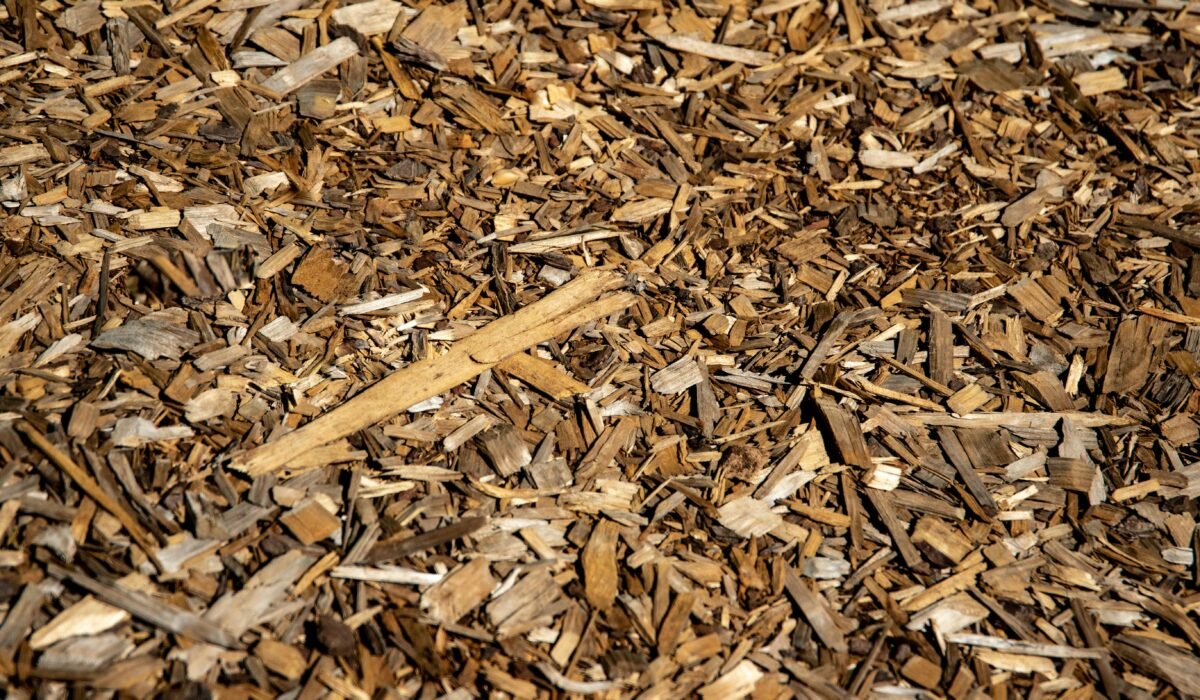
- Wood Chips and Bark Mulch: These are excellent long-term options due to their slower decomposition rates. A layer of 4 inches of wood mulch is recommended for robust weed suppression. Wood chip mulch as deep as eight inches can be especially beneficial for weed control and plant establishment in native plant restoration projects, according to experts.
- Shredded Leaves: Readily available and free, shredded leaves are highly effective. A layer of 3-4 inches of leaves can provide good annual weed control, breaking down over time to enrich the soil with organic matter.
- Straw and Hay: While effective, straw and hay require a thicker application. A 6- to 8-inch layer provides good annual weed control, making them ideal for vegetable gardens where they can be easily replenished. Be cautious to source straw, not hay, to avoid introducing unwanted weed seeds.
- Cardboard and Newspaper: These materials can be used as a base layer beneath other mulches to create an even more impenetrable barrier. Several layers of newspaper or a single layer of cardboard, thoroughly wetted, can be highly effective.
The short answer is, the denser and thicker the mulch layer, the better it will be at starving out weeds. Consistency in application depth is far more important than the specific type of organic mulch in many cases.
Understanding the Types of Organic Mulch and Their Uses
The world of organic mulches is diverse, with each type offering unique characteristics that make it suitable for specific garden applications. Knowing the “types of organic mulch and their uses” allows you to make informed choices for your landscape.
Common Organic Mulch Varieties and Their Applications
From readily available garden waste to specially processed products, there’s an organic mulch for nearly every need. Here’s a look at some popular options:
- Compost and Leaf Mold: These are nutrient-rich mulches that significantly boost soil health. They break down quickly, so they need frequent replenishment, but their benefits to nutrient cycling and soil structure are unparalleled. They are excellent for mulching tomatoes and cucumbers, providing a gentle, steady feed.
- Shredded Leaves: An abundant, free resource, shredded leaves are fantastic for enriching soil and suppressing weeds. They are light and tend to stay in place better than whole leaves.
- Wood Chips and Bark Chips: These are long-lasting and aesthetically pleasing, making them popular for ornamental beds, pathways, and around trees and shrubs. Wood chips are recommended for perennial plantings like raspberry, blueberry, and blackcurrant bushes. Vigoro Premium Brown Wood Mulch is a popular brand known for its rich color and moisture retention.
- Pine Needles (Pine Straw): Ideal for acid-loving plants like blueberries, azaleas, and rhododendrons, as they slowly acidify the soil as they decompose. Pine needles are a desirable choice for perennial fruits and vegetables such as blueberries and asparagus beds due to their slow decomposition. CleanStraw Long Leaf Bagged Pine Straw is noted as a budget-friendly option.
- Straw: Commonly used in vegetable gardens, especially around fruiting plants. Straw is particularly effective as a mulch around potatoes to encourage higher production and around strawberries, zucchinis, and bush tomatoes to keep fruits clean and dry. It’s lightweight and decomposes relatively quickly.
- Grass Clippings: A great source of nitrogen, but should be applied in thin layers (no more than an inch at a time) to prevent matting and odor. Ensure they are free of herbicides if used on edible plants.
Each type contributes differently to the soil and visual appeal, offering flexibility to match your garden’s specific requirements and your aesthetic preferences.
Are There Any Disadvantages of Organic Mulch?
While the benefits of organic mulch are numerous, it’s important to acknowledge that there can be a few drawbacks depending on the material and application. Understanding these potential issues allows you to mitigate them effectively.
Potential Challenges to Consider
No gardening practice is without its nuances, and organic mulching is no exception. Awareness is key to avoiding common pitfalls.
- Nitrogen Tie-Up: When certain high-carbon mulches like fresh wood chips are applied directly to the soil surface, the microorganisms decomposing them can temporarily use up available nitrogen from the soil. This can lead to a temporary nitrogen deficiency for plants, especially if the mulch is mixed into the soil.
- Weed Seeds in Mulch: Some organic mulches, particularly hay or uncomposted materials, can inadvertently introduce weed seeds into your garden. Sourcing reputable, weed-free straw or well-composted materials is crucial.
- Pest Attraction: A thick, moist layer of mulch can sometimes provide an ideal habitat for certain pests like slugs, snails, or voles. Proper application depth and monitoring can help manage this.
- Decomposition and Replenishment: Organic mulches decompose over time, meaning they need to be replaced or topped up periodically. Depending on the type, replacement intervals vary from one to four years. For instance, grass clippings may last 2-8 weeks, straw 6-12 months, and wood chips/tree bark 1-2 years.
- Cost and Availability: While some organic mulches like leaves are free, others like bagged shredded bark or specific compost blends can incur costs, especially for large areas.
The reality is that most disadvantages are manageable with careful selection and application, turning potential problems into minor considerations.
Troubleshooting Common Organic Mulch Challenges
Even with the best intentions, gardeners can encounter issues with organic mulch. Knowing how to troubleshoot these common challenges will ensure your garden continues to thrive.
Solutions for Mulch-Related Problems
Proactive management and quick responses can resolve most mulch-related issues, helping you maintain a healthy and productive garden.
Preventing Nitrogen Deficiency with Wood Mulches:
If you’re using wood chips or other high-carbon mulches, apply a nitrogen-rich fertilizer to the soil *before* mulching. This provides a nitrogen buffer for the soil microorganisms, preventing them from “stealing” nitrogen from your plants. Alternatively, use partially composted wood chips, which have already undergone some initial decomposition.
Avoiding Herbicide-Contaminated Hay:
Always source straw from reliable suppliers who can confirm it’s free of persistent herbicides. Ask about the source and if any herbicides were used on the original crop. If in doubt, perform a simple bioassay: sprout sensitive seeds like beans or tomatoes in a sample of the mulch to check for herbicide residues.
Managing Pests Attracted by Certain Mulches:
To deter slugs and snails, create a dry zone of about an inch directly around the plant stems, as they prefer moist environments. For voles, avoid creating deep, fluffy mulch layers that provide easy tunneling. Keep mulch depths consistent and consider barriers or traps if voles become a persistent problem. Regularly check beneath the mulch layer for signs of pest activity.
Dealing with Mold or Fungal Growth:
A white, crusty mold or fungal growth on mulch is usually harmless saprophytic fungi breaking down organic matter. If it’s unsightly or appears to be a problem, simply rake through the mulch to aerate it. This often disrupts the fungal growth and helps it decompose more evenly. Avoid over-watering the mulched area.
By being aware of these potential issues and having solutions ready, you can enjoy all the benefits of organic mulch without the stress.
Choosing Organic Mulch for Your Climate and Garden Needs
The “best organic mulch for vegetable garden” or ornamental beds isn’t a one-size-fits-all answer. Your local climate and specific garden objectives should heavily influence your choice. Crystal Kim, Horticulture Program Coordinator at Red Butte Garden, states that in hot, dry climates, the most important benefits of mulch are reducing soil surface temperatures, improving water infiltration, and retaining soil moisture, thus reducing the amount of water needed.
Tailoring Mulch Selection to Your Environment
Consider these factors when making your selection:
- Hot, Arid Climates: Focus on mulches that excel at water retention and soil temperature regulation. Wood chips, bark, and straw are excellent choices as they provide good insulation and significantly reduce evaporation. A thick layer is crucial here.
- Humid Climates: While moisture retention is still important, you might need to be more mindful of aeration to prevent excessive dampness that could lead to fungal issues or slug problems. Lighter mulches like pine needles or shredded leaves that don’t compact as easily can be beneficial.
- Cold Climates: Mulch provides valuable insulation for plant roots, protecting them from extreme winter freezes and subsequent thaws. Wood chips, straw, or a thick layer of leaves applied in late fall can help moderate soil temperatures and prevent frost heave.
- Vegetable Gardens: Prioritize mulches that decompose relatively quickly to feed the soil and are easy to work with for annual planting. Straw, grass clippings, and compost are fantastic for vegetable beds. For instance, straw is a classic choice for conserving moisture and preventing weeds in these productive areas, as noted by Kristine Lang, SDSU Assistant Professor and Extension Specialist.
- Ornamental Beds & Shrubs: Longer-lasting, aesthetically pleasing mulches like bark chips or shredded wood are often preferred. They offer consistent weed suppression and moisture retention without needing frequent replenishment.
Your garden’s unique microclimate and the specific needs of your plants should always guide your decision. Don’t be afraid to experiment with different types to see what works best for you.
How to Apply Organic Mulch for Maximum Benefits
Applying organic mulch correctly is just as important as choosing the right type. Proper application maximizes its effectiveness for weed suppression, soil health, and water conservation.
Step-by-Step Guide to Effective Mulching
Follow these guidelines to ensure your mulch performs its best in your garden:
- Prepare the Area: Before applying mulch, thoroughly weed the garden bed. Remove any existing weeds, especially perennial ones, to prevent them from growing through the new mulch layer. Water the area well if the soil is dry.
- Determine the Right Depth: For most organic mulches, a layer of 2-4 inches is appropriate to suppress weeds and conserve moisture. For lighter materials like straw, a 6-8 inch layer might be needed, while wood chips for specific native plant restoration can go as deep as eight inches. A thin layer of mulch can even provide a barrier to diseases for some vegetables, according to MSU Extension experts like Bert Cregg.
- Apply Evenly: Spread the mulch evenly over the soil surface, ensuring consistent depth across the entire area. Avoid creating “mulch volcanoes” around the base of trees and shrubs.
- Keep Away from Stems and Trunks: Leave a small gap (1-2 inches) around the base of plant stems and tree trunks. Mulch piled against stems can trap moisture, encourage rot, and invite pests. Joe Boggs of Ohio State University Extension often highlights the importance of this practice in extension materials.
- Replenish as Needed: Organic mulches break down over time. Check the depth annually and top up the layer as necessary to maintain the desired thickness. This ensures continuous weed suppression and soil improvement.
- Consider Underlayment: For particularly stubborn weeds, or if you’re establishing a new bed, consider laying down a layer of cardboard or several sheets of newspaper (wetted thoroughly) beneath your organic mulch. This creates an extra barrier against weeds.
Consistent application and a watchful eye will ensure your mulch works hard to keep your garden healthy and vibrant.
Frequently Asked Questions
What are the benefits of organic mulch?
The benefits of organic mulch are extensive, including superior weed suppression, enhanced soil moisture retention, better regulation of soil temperature, and significant long-term improvement of soil health through the addition of organic matter. It also reduces soil erosion and increases water absorption, leading to healthier plants and less maintenance for gardeners.
What is the best organic mulch for soil improvement?
For optimal soil improvement, compost and leaf mold are generally considered the best organic mulches. They break down readily, quickly releasing a rich array of nutrients and beneficial organic matter into the soil, which significantly enhances soil structure, microbial activity, and nutrient cycling, fostering a truly healthy soil ecosystem.
What organic material stops weeds?
Dense organic materials applied at a sufficient depth are most effective at stopping weeds. Wood chips, bark mulches, and shredded leaves applied at 3-4 inches are highly effective. For a lighter, more temporary solution, a 6-8 inch layer of straw can also provide excellent annual weed control by blocking sunlight and preventing weed seed germination.
What are the disadvantages of organic mulch?
While largely beneficial, organic mulch can have a few disadvantages, such as potential nitrogen tie-up if fresh, high-carbon materials are mixed into the soil, or the introduction of weed seeds if the mulch source isn’t clean. It also decomposes and needs periodic replenishment, and in some cases, can attract pests like slugs if applied improperly or too thickly against plant stems.
Embracing the benefits of organic mulch is one of the most impactful decisions you can make for your garden. From suppressing weeds and conserving water to enriching your soil and fostering robust plant growth, organic mulches offer a sustainable, effective solution to common gardening challenges. Start experimenting with different types today and observe the remarkable transformation in your garden’s health and vitality.