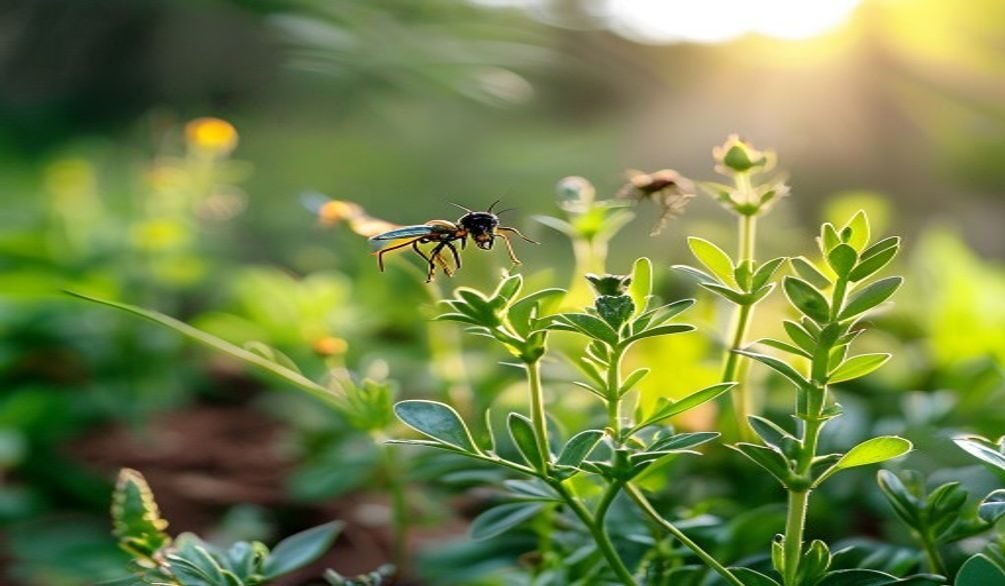
Are you seeing tiny white, moth-like insects fluttering around your garden plants, leaving behind sticky residue and yellowing leaves? If so, you’re likely grappling with an infestation, and you need to know how to Treat Whiteflies on Garden Plants effectively. These pervasive pests can quickly devastate your cherished greenery, but with the right expert strategies, you can diagnose their presence and implement lasting solutions to protect your garden.
How to Identify Whiteflies and Their Damage on Garden Plants?
Pinpointing whiteflies starts with knowing what to look for. These tiny, sap-sucking insects are often mistaken for small moths, measuring only about 1/16 to 1/10 of an inch long, with powdery white wings. They typically congregate on the undersides of leaves, and when disturbed, they’ll fly up in a small, cloudy swarm before quickly resettling.
Beyond the adults, crucial whitefly identification also involves spotting their immature stages. You’ll find tiny, oval-shaped whitefly eggs, often laid in a circular pattern, usually on the leaf undersides. The nymphs are flat, oval, and scale-like, often translucent or pale green, adhering tightly to the leaf surface, making them harder to spot than adults.
Recognizing Whitefly Damage Symptoms
The signs of a whitefly infestation extend beyond just seeing the pests themselves. One of the most common whitefly damage symptoms is the presence of honeydew, a sticky, sugary substance excreted by the feeding insects. This honeydew can cover leaves, stems, and even the ground below, leading to the growth of sooty mold, a black fungus that further impedes photosynthesis.
As whiteflies feed by piercing plant tissues and sucking out sap, affected plants will show signs of stress. You might observe yellowing leaves, stunted growth, and in severe cases, wilting or leaf drop. On plants like tomatoes, whiteflies can also transmit viruses, leading to even more severe deformities and crop loss. Whiteflies feed on more than five hundred species of host plants, so vigilance across your garden is key.
Understanding the Whitefly Life Cycle & Why It Matters for Treatment
To truly treat whiteflies on garden plants effectively, you need to understand their rapid life cycle. Whiteflies undergo incomplete metamorphosis, progressing through egg, nymphal instars (often called “crawlers” in the first stage), pupal, and adult stages. Adult female whiteflies can lay between 200 and 400 eggs, often in neat circles on the undersides of leaves.
Under optimal conditions, like 82°F, the entire whitefly life cycle from egg to adult can be completed in as little as 18 days. What most people miss is that many common insecticides only target the adult stage, leaving eggs and nymphs untouched. This means a new generation can quickly emerge, leading to recurring infestations if treatment isn’t comprehensive.
For example, whitefly eggs identification is critical because these tiny, often pale yellow or whitish specks are impervious to many sprays. Targeting all life stages is paramount for successful eradication, which is why understanding the full cycle is so important for effective control strategies.
How Do You Get Rid of Whiteflies Permanently Using IPM?
The most effective and sustainable way to get rid of whiteflies permanently is through an Integrated Pest Management (IPM) approach. IPM combines multiple strategies to manage pests ecologically and economically, minimizing risks to people and the environment. It’s about smart, long-term control, not just a quick fix.
Here’s how to implement IPM for whiteflies:
- Monitoring: Regularly inspect your plants, especially the undersides of leaves, for signs of whiteflies. Use yellow sticky traps for early detection and to monitor population levels. These traps are highly attractive to adult whiteflies and can help you gauge the severity of an infestation.
- Cultural Controls: This involves modifying the growing environment to make it less hospitable for whiteflies. Choose resistant plant varieties, ensure proper plant spacing for good air circulation, and remove infested leaves promptly.
- Biological Controls: Introduce or encourage natural enemies. This is a powerful component of IPM.
- Physical/Mechanical Controls: Hand-picking, washing plants with water, or using row covers.
- Chemical Controls (as a last resort): Use targeted pesticides only when necessary and in conjunction with other methods.
For those wondering how to get rid of whiteflies indoors, IPM principles apply equally. Isolate new plants, inspect them thoroughly, and consider physical barriers like fine mesh screens on windows. Regular inspection is your best defense against indoor infestations.
What Kills Whiteflies Naturally and Organically?
Many gardeners prefer natural and organic solutions for natural whitefly control, especially on edible plants. These methods work by disrupting the whitefly’s life cycle or physically eliminating them, often with minimal environmental impact.
- Horticultural Oil: Products like Monterey Horticultural Oil work by smothering whitefly eggs, nymphs, and adults. It’s crucial to apply thoroughly, coating the undersides of leaves where whiteflies hide. Always follow label instructions carefully.
- Neem Oil: Derived from the neem tree, neem oil acts as an insect growth regulator, disrupting the whitefly’s ability to feed, grow, and reproduce. It also deters feeding and acts as an anti-feedant. Apply it as a foliar spray, ensuring good coverage. Brands like Bonide Captain Jack’s Neem Max are popular choices.
- Insecticidal Soap: Simple insecticidal soap (potassium salts of fatty acids) works by breaking down the whitefly’s protective outer coating, leading to dehydration and death. It’s a contact killer, meaning you must spray directly onto the pests. Bonide Captain Jack’s Insecticidal Super Soap is an example.
- Diatomaceous Earth: This fine powder is made from fossilized diatoms. When insects crawl over it, the sharp microscopic edges abrade their exoskeletons, causing dehydration. Sprinkle it on leaves, but avoid inhaling the dust.
- Whitefly Biological Control: Introducing natural predators is an excellent long-term strategy. Parasitic wasps like Encarsia formosa (effective against greenhouse whitefly) and Eretmocerus eremicus (good for sweetpotato/silverleaf whitefly) lay their eggs inside whitefly nymphs, killing them. Predatory mites like Amblyseius swirskii also feed on whitefly eggs and nymphs. You can often purchase these beneficial insects commercially. For more tips on organic pest management, check out our guide on Balcony Garden Natural Pest Control.
In practice, combination therapies often yield the best results for organic methods. For instance, regular sprays of insecticidal soap or neem oil can be complemented by the release of beneficial insects once the initial population is reduced.
Best Pesticides for Whiteflies: Chemical Control & Resistance Management
When natural methods aren’t enough, or for severe infestations, chemical control may be necessary. However, it’s vital to use pesticides strategically, especially due to growing pesticide resistance in whitefly populations. “In many cases, controlling whiteflies with insecticides has been difficult because they have developed resistance to some chemicals,” notes the University of Missouri Extension.
Targeted Insecticides for Whiteflies
For adult whiteflies, insecticides containing pyrethrins or related pyrethroid insecticides are often recommended by experts like Colorado State University Extension. These provide quick knockdown but usually require repeat applications as they don’t affect eggs or pupae.
When considering the best insecticide for whiteflies on vegetables, always choose products specifically labeled for edible plants and follow pre-harvest intervals. Spinosad-based products can be effective and are often approved for organic use, while some synthetic pyrethroids might be an option for certain crops.
Systemic insecticides like imidacloprid (e.g., Merit, Dominion 2L) are absorbed by the plant and move through its tissues, killing pests that feed on it. These are highly effective but generally recommended for non-edible plants due to concerns about residues and impact on pollinators. UC IPM advises using these selectively and cautiously.
Resistance Management Strategies
Due to the propensity of whitefly populations to develop resistance, particularly with biotypes like the Q-biotype of Bemisia tabaci, it is essential to rotate chemical classes. “Resistance may be delayed by alternating the types of chemicals used,” advises the University of Missouri Extension. This means not using the same active ingredient repeatedly. Always scout weekly, especially after a pesticide application, to assess effectiveness and adapt your strategy.
Preventing Whiteflies: Proactive Strategies for Healthy Plants
Prevention is always easier than cure when it comes to whiteflies. Proactive strategies reduce the likelihood of an infestation and support overall plant health. As Colorado State University Extension states, “Prevention and early detection are the most effective management techniques for whitefly monitoring and control.”
- Choose Resistant Varieties: Some plant cultivars are less attractive to whiteflies. Research options for your favorite plants.
- Maintain Plant Health: Healthy plants are more resilient to pest attacks. Ensure proper watering, fertilization, and sunlight. Avoid over-fertilizing with nitrogen, which can encourage new, tender growth that whiteflies love.
- Reflective Mulches: For garden beds, using reflective mulches (e.g., silver plastic mulch) can deter whiteflies from landing on plants. This is a simple yet effective physical barrier. Our guide on Benefits of Organic Mulch also highlights how mulch can improve soil health, making plants more resilient.
- Early Detection & Monitoring: Place yellow sticky traps among your plants. They not only help catch adult whiteflies but also serve as an early warning system, signaling when populations are starting to build.
- Quarantine New Plants: Before introducing new plants to your garden or indoors, inspect them thoroughly for any signs of pests. Isolate them for a few weeks to ensure they are pest-free.
- Weed Control: Many weeds can serve as alternative host plants for whiteflies, allowing populations to build up unseen. Keep your garden beds free of weeds.
The short answer is, a little vigilance and thoughtful planning can save you a lot of headache down the line. Preventative measures are the backbone of any successful long-term pest management plan.
Seasonal & Regional Whitefly Management for Home Gardeners
Whitefly pressure isn’t constant; it fluctuates with seasons and varies significantly by region. Understanding these dynamics helps home gardeners adapt their strategies. In warmer climates, like Florida or California, whiteflies can be a year-round problem, rapidly completing multiple generations due to consistent temperatures.
For example, the sweetpotato whitefly has inflicted an estimated $500 million in California losses since 1991, highlighting the severe regional impact. In November 2025, Imperial County, California, declared an emergency due to the sweetpotato whitefly threat to melon crops, valued at more than $63 million, necessitating quick intervention. University of California agricultural advisers noted that whitefly populations can “explode with little warning” under the right conditions, emphasizing the need for proactive control.
In colder regions, whiteflies are typically a problem only during the warmer months, often dying off with the first hard frost. However, they can overwinter on whiteflies on houseplants or in greenhouses, re-emerging when temperatures rise. If you bring plants indoors for winter, inspect them meticulously and treat any infestations before they can spread.
What most people miss is that humidity also plays a role. High humidity can sometimes reduce whitefly populations, while dry, warm conditions often favor their rapid reproduction. Adjusting watering practices or providing humidity for indoor plants might help deter them.
Do Whiteflies Go Away on Their Own?
The short answer is: no, whiteflies typically do not go away on their own. While a very small, nascent population might be naturally reduced by a sudden change in weather or the arrival of beneficial insects, this is rare in a garden setting once an infestation has taken hold. In fact, without intervention, whitefly populations tend to grow exponentially.
With adult females laying hundreds of eggs and a life cycle that can complete in under three weeks, a few whiteflies can quickly become thousands. This rapid reproduction rate means that if you see whiteflies, they are likely already well-established. Waiting for them to disappear will almost always result in more significant damage and a much harder problem to solve.
Frequently Asked Questions
How do you get rid of whiteflies permanently?
To get rid of whiteflies permanently, you need to adopt an Integrated Pest Management (IPM) approach that combines continuous monitoring, cultural controls, biological solutions, and judicious use of pesticides. Focusing on breaking their life cycle at multiple stages and preventing re-infestation is key to long-term success.
What kills whiteflies naturally?
Natural remedies like horticultural oil, neem oil, and insecticidal soap are highly effective at killing whiteflies by smothering them or disrupting their life cycle. Introducing beneficial insects such as parasitic wasps and predatory mites also provides excellent biological control without chemicals.
What is the fastest way to get rid of whiteflies?
The fastest way to reduce adult whitefly populations is often a combination of physical removal and targeted sprays. You can hose down plants vigorously with water to dislodge them, then immediately follow up with an application of insecticidal soap or a pyrethrin-based spray to kill adults on contact, though multiple treatments will be necessary.
Do whiteflies go away on their own?
No, whiteflies typically do not go away on their own; their populations tend to grow rapidly without intervention. Female whiteflies lay hundreds of eggs, and their quick life cycle means that a small problem can quickly escalate into a severe infestation, necessitating active management to protect your plants.
Effectively addressing whiteflies on your garden plants requires a blend of vigilance, understanding, and strategic action. By implementing a comprehensive IPM strategy, you’re not just treating a symptom; you’re building a healthier, more resilient garden ecosystem. Start your IPM journey today, protecting your plants from these persistent pests and ensuring your garden thrives.