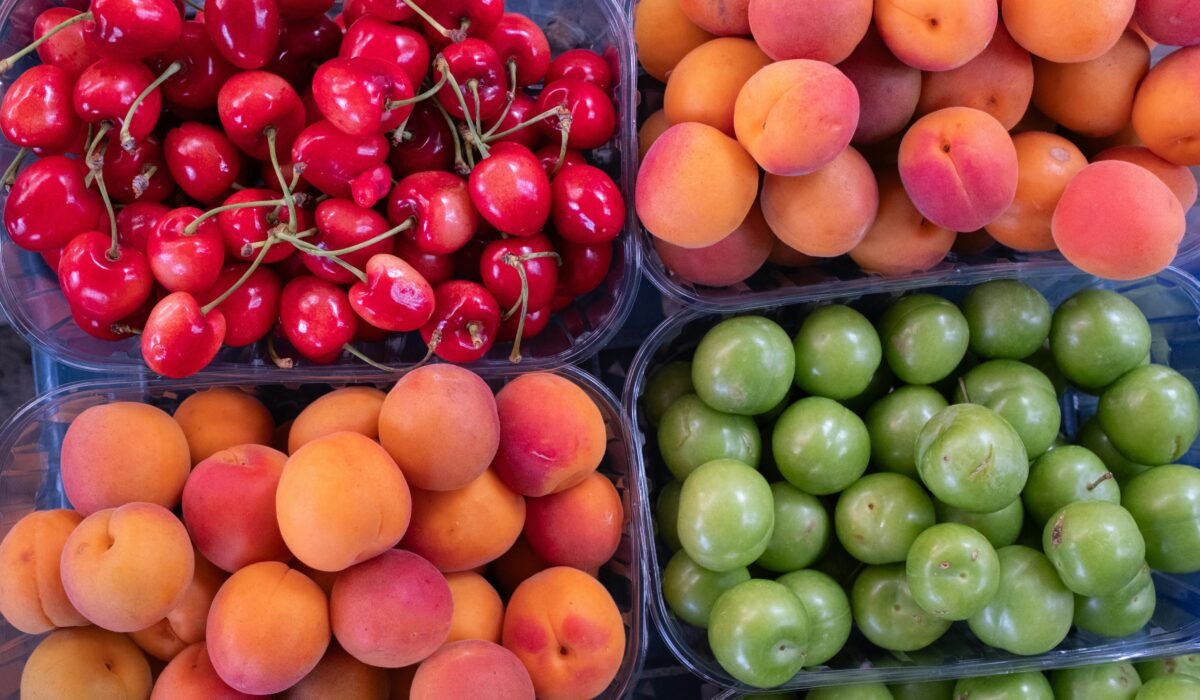
Dreaming of biting into a juicy, sun-ripened peach, nectarine, or apricot picked fresh from your own backyard? While it might seem daunting, successfully growing apricots nectarines peaches at home is entirely achievable with the right knowledge and consistent care. This guide will equip you with expert insights and actionable steps to cultivate these delicious stone fruit trees, transforming your garden into a productive orchard.
Are Apricots, Nectarines, and Peaches Easy to Grow at Home?
The short answer is yes, with proper planning and consistent attention, these delightful stone fruit trees can absolutely thrive in a home garden. What most people miss is that while they aren’t “plant and forget” trees, their requirements are straightforward and rewarding.
Unlike some other fruit trees, peaches, apricots, and nectarines are generally self-pollinating fruit trees, meaning you often only need a single tree to produce a bountiful harvest. This makes them ideal for smaller gardens or urban spaces where you might only have room for one. According to the Farmer’s Almanac, “Peaches and most apricots and nectarines are self-pollinating… so a bountiful crop of fruit is possible even if you only have room for just one tree.”
Expect your stone fruit trees to begin producing fruit within 2 to 5 years after planting, assuming you start with a 1 or 2-year-old sapling. While they require commitment, the satisfaction of harvesting your own sweet, fragrant fruit makes the effort truly worthwhile.
Choosing the Right Varieties for Your Climate & Chill Hours
Selecting the correct variety is perhaps the most critical step for successful stone fruit cultivation. It ensures your tree will actually bear fruit in your specific region. This isn’t just about hardiness zones; it’s crucially about chill hours for fruit trees.
Understanding Chill Hours for Stone Fruit Trees
Chill hours are the total number of hours below 45°F (7°C) but above 32°F (0°C) that a fruit tree needs during its dormant period to break dormancy and produce fruit properly. Without enough chill, trees may experience delayed bud break, poor flowering, and reduced fruit set. Peaches and nectarines, for example, are often the least cold demanding among stone fruits and can even be grown in some subtropical climates, but still require sufficient chill.
To determine your local chill hour requirements, consult your local agricultural extension office or a reputable online resource like the Dave Wilson Nursery Chill Hour Calculator. Once you know your average chill hours, you can select varieties specifically suited to your climate.
Recommended Varieties for Diverse Climates
- Peaches: ‘Reliance’ and ‘Red Haven’ are fan favorites known for their adaptability and hardiness in many intermountain climates. ‘Belle of Georgia’ is another excellent choice. For colder regions, ‘Reliance’ and ‘Polly’ (Haven Polly) are considered some of the hardiest cultivars.
- Nectarines: ‘Fantasia’ and ‘Arctic Jay White’ are varieties that flourish in various regions, offering delicious, smooth-skinned fruit.
- Apricots: Apricots can be sensitive to late frosts, so choosing varieties that bloom later or are known for cold hardiness is key. Look for regional recommendations specific to your area.
Always choose disease-resistant varieties if possible, as this will significantly reduce future apricot tree care problems and overall maintenance.
Planting and Early Care for Your Stone Fruit Trees
A strong start lays the foundation for a healthy, productive tree. Proper planting and initial care are non-negotiable for success when growing apricots nectarines peaches.
Site Selection and Soil Preparation
Stone fruit trees demand full sun exposure to produce the most fruit. Aim for at least 6-8 hours of direct sunlight daily. Good air circulation is also vital to prevent fungal diseases. The University of Minnesota Extension recommends spacing trees 12 to 20 feet apart, depending on the mature size of the variety and your pruning strategy.
These trees prefer well-drained loamy soil with a pH between 6.0 and 6.5. If your soil is heavy clay, amend it generously with organic matter like compost to improve drainage and aeration. This addresses the common PAA question: “What kind of soil do stone fruit trees like?”
Planting Bare Root Trees and Potted Stock
Whether you’re planting bare root trees in late winter/early spring or potted stock, the method is similar:
- Dig a hole twice as wide as the root ball and just as deep.
- Create a small mound of soil at the bottom of the hole for bare-root trees to splay roots over. For potted trees, ensure the root flare is at or slightly above ground level.
- Gently spread out the roots and backfill with native soil, tamping lightly to remove air pockets.
- Water thoroughly immediately after planting to settle the soil around the roots.
- Apply a layer of organic mulch, such as wood chips, around the base of the tree. This helps retain moisture, regulate soil temperature, and suppress weeds. For more on this, check out our guide on Benefits of Organic Mulch.
After planting, Penn State Extension recommends applying 8 ounces of 10-10-10 fertilizer per plant. This initial boost supports vigorous root development.
Watering and Initial Support
Young trees need consistent moisture, especially during their first few growing seasons. Water deeply and regularly, ensuring the soil remains moist but not waterlogged. A good rule of thumb is to check the soil moisture about 2-3 inches deep; if it feels dry, it’s time to water.
For taller saplings, staking might be necessary for the first year to protect against strong winds until the root system is well established. Just ensure the stakes don’t chafe the trunk.
Essential Pruning and Fertilization for Growing Apricots Nectarines Peaches
Pruning and fertilization are critical maintenance tasks that directly impact fruit production and tree health. Mastering these techniques is key for successful growing apricots nectarines peaches.
Pruning Stone Fruits for Health and Yield
Annual pruning stone fruits is essential to maintain tree shape, promote air circulation, and maximize fruit quality. Without it, trees become overgrown, produce smaller fruit, and are more susceptible to disease. Peaches and nectarines are typically pruned to an “open vase” system, which allows light and air into the canopy, while apricots can also benefit from a modified central leader system.
Nectarine Tree Pruning for Beginners
For peaches and nectarines, aim to prune in late winter or early spring before bud break. Remove dead, damaged, or diseased branches first. Then, focus on opening up the center of the tree by removing inward-growing branches and crossing limbs. The goal is to create 3-4 strong scaffold branches radiating outwards. This also helps manage diseases of peaches nectarines apricots by improving airflow.
- First Year: Cut the whip back to about 30-36 inches from the ground at planting.
- Second Year Onward: Select 3-4 well-spaced branches to be permanent scaffold limbs, heading them back by about a third. Remove all other vigorous upright growth.
Apricot tree care involves similar principles, focusing on removing old, unproductive wood to encourage new growth that will bear fruit. Apricots tend to fruit on spurs that remain productive for several years, so understanding how to identify and preserve these is crucial.
Fertilizing Fruit Trees for Optimal Growth
Proper fertilizing fruit trees ensures they have the nutrients needed for robust growth and fruit development. The type and amount of fertilizer depend on your soil and the tree’s age.
Penn State Extension provides a clear fertilization schedule: In subsequent years after planting, broadcast 1/2 pound of 10-10-10 fertilizer under each tree in early spring. Increase this by 1/2 pound per year up to a maximum of 5 pounds per tree. Always maintain soil pH at 6.0 to 6.5 for optimal nutrient uptake.
What most people miss is that consistent soil testing every few years can fine-tune your approach, ensuring you address specific deficiencies without over-fertilizing. Over-fertilization can lead to excessive leafy growth at the expense of fruit.
Integrated Pest & Disease Management for Specific Stone Fruit Issues
Protecting your harvest from pests and diseases is an ongoing challenge, but an Integrated Pest Management (IPM) approach minimizes chemical use while maximizing effectiveness. This is especially important for managing diseases of peaches nectarines apricots.
Common Pests and Their Control
Pest control stone fruits requires vigilance. Here are some specific issues:
- Oriental Fruit Moth: These larvae bore into shoots and fruit. Pheromone traps can monitor populations, and timely organic sprays like Bt (Bacillus thuringiensis) or spinosad can be effective.
- Peach Tree Borer: Larvae tunnel into the trunk at the soil line. Keep the base of the tree clear of weeds and debris. Horticultural oil or specific insecticides applied to the trunk can help.
- Aphids: Small, soft-bodied insects that suck sap from new growth. A strong blast of water or insecticidal soap can manage minor infestations.
For more general strategies, including natural pest control for small spaces, many principles apply to larger trees as well.
Specific Stone Fruit Diseases and Management
Understanding and addressing specific diseases is crucial for healthy apricot tree care and the other stone fruits.
- Peach Leaf Curl: A common fungal disease that causes leaves to pucker, redden, and distort. The most effective treatment is a dormant season spray of a copper-based fungicide in late fall after leaf drop or in early spring before bud swell. This prevents the spores from infecting new leaves.
- Shot Hole Disease (Coryneum Blight): Causes small, purple spots on leaves that eventually fall out, leaving a “shot hole” appearance. It also affects fruit and twigs. Applying a copper-based fungicide, such as copper-soap or Broad Spectrum fungicide by Fertilome, in spring and early summer can help protect trees, as noted in the research.
- Brown Rot: A fungal disease that blights blossoms and rots fruit, especially in humid conditions. Good air circulation through proper pruning helps. Fungicide applications during bloom and before harvest may be necessary in susceptible areas.
- Powdery Mildew: White, powdery patches on leaves and fruit. Improve air circulation and consider sulfur-based fungicides if severe.
For those interested in organic stone fruit growing tips, cultural practices like proper pruning, sanitation (removing fallen leaves and fruit), and choosing resistant varieties are your first line of defense. Always consult your local extension office for region-specific recommendations on disease and pest pressure. The University of Idaho’s Master Gardener Handbook is an excellent resource for comprehensive pest and disease management strategies.
Harvesting and Enjoying Your Bountiful Stone Fruit Crop
After all your hard work, the moment of truth arrives: harvesting your homegrown apricots, nectarines, and peaches. Knowing when and how to pick them ensures the best flavor and texture.
When to Harvest
Unlike some fruits, stone fruits do not continue to ripen significantly after being picked. Therefore, it’s crucial to harvest them when they are fully ripe on the tree for the sweetest, most flavorful experience.
- Peaches and Nectarines: Look for fruit that has developed its full color (red, orange, or yellow depending on variety) and feels slightly soft when gently squeezed. The skin should pull away easily from the stem. A ripe peach or nectarine will also have a strong, sweet aroma.
- Apricots: Apricots are ready when they turn a deep golden-orange color and feel soft to the touch. They will detach easily from the branch with a gentle twist.
In practice, harvesting often occurs over several days or weeks as fruits ripen at different rates on the tree.
Harvesting Techniques
When picking, hold the fruit gently and lift it slightly, twisting it from the branch. Avoid pulling or tugging forcefully, as this can damage the branch or the fruit. For higher branches, a fruit picker tool can be very useful.
Enjoy your fresh harvest immediately, or preserve your bounty through canning, freezing, or drying. There’s nothing quite like the taste of a homegrown stone fruit, a testament to your patience and dedication.
Frequently Asked Questions
Are stone fruit trees easy to grow?
Stone fruit trees like apricots, nectarines, and peaches are moderately easy to grow for home gardeners, requiring consistent care rather than advanced skills. They thrive with proper site selection, adequate sunlight, and regular attention to pruning, watering, and pest management. The reward of fresh, homegrown fruit makes the effort highly worthwhile.
What is the easiest stone fruit to grow?
Among apricots, nectarines, and peaches, peaches are often considered one of the easiest stone fruits for beginners due to their adaptability and generally self-pollinating nature. They tend to be more forgiving of minor care inconsistencies compared to apricots, which can be sensitive to late frosts, or nectarines, which sometimes have more delicate skin issues.
What kind of soil do stone fruit trees like?
Stone fruit trees prefer well-drained, fertile loamy soil with a slightly acidic to neutral pH, ideally between 6.0 and 6.5. Good drainage is paramount to prevent root rot, so heavy clay soils should be amended with plenty of organic matter. Healthy soil provides the essential nutrients and aeration needed for strong root development and vigorous growth.
Do you need 2 stone fruit trees to produce fruit?
No, for most varieties of peaches, nectarines, and apricots, you typically only need one tree to produce fruit because they are self-pollinating. While having a second, different variety nearby can sometimes increase yields, it is not strictly necessary for fruit production. This makes them an excellent choice for smaller gardens where space is limited.
Cultivating your own apricots, nectarines, and peaches is a deeply satisfying endeavor that rewards patience with succulent, flavorful fruit. By understanding their specific needs for chill hours, diligent pruning, and targeted pest and disease management, you can overcome common challenges and ensure a thriving home orchard. Now is the perfect time to start planning and planting your own backyard stone fruit paradise; your taste buds will thank you!