Is your garden struggling, yielding less than you hoped, or feeling lifeless beneath your feet? Many gardeners face the challenge of depleted soil, but the good news is that revitalizing it naturally is entirely achievable with an effective **Organic Soil Amendments Guide**. This comprehensive guide will walk you through transforming your garden into a thriving ecosystem, ensuring lush growth and bountiful harvests.
What are Organic Soil Amendments?
Organic soil amendments are natural materials added to your garden soil to improve its physical, chemical, and biological properties. Unlike synthetic fertilizers that provide isolated plant nutrients, amendments focus on enhancing the overall soil health and creating a vibrant, living ecosystem. As the University of Minnesota Extension aptly puts it, “Soil is so much more than dirt. Soil is a living ecosystem.”
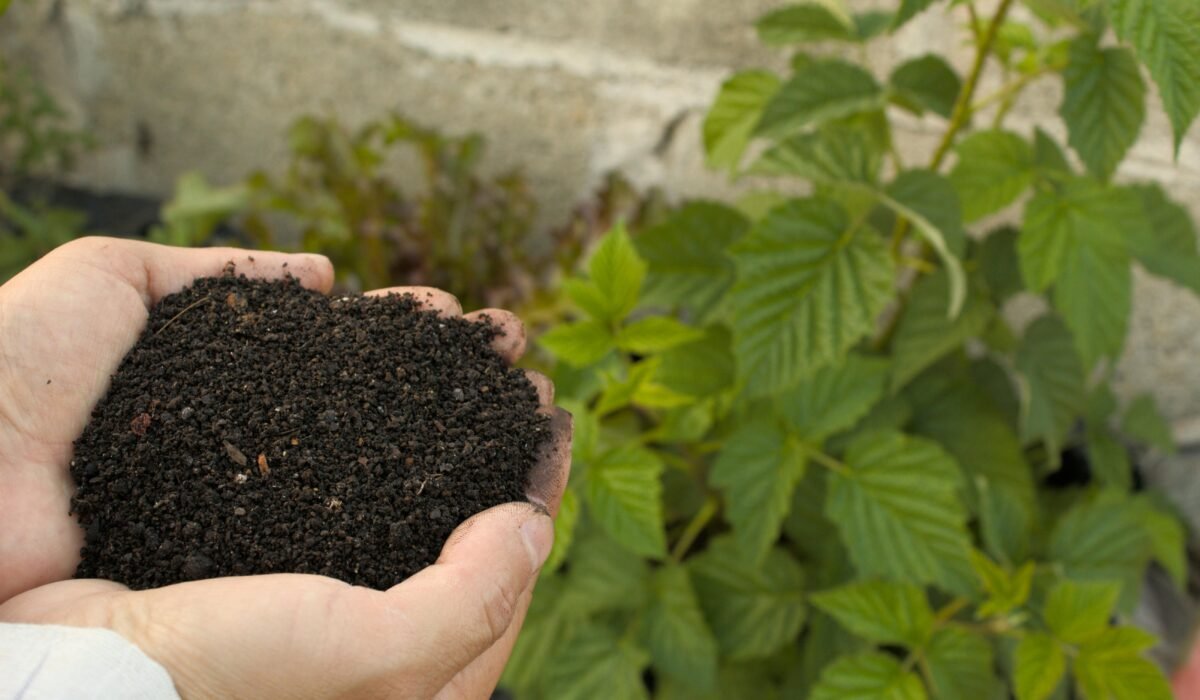
These amendments are derived from plant or animal residues, meaning they’re carbon-containing and break down over time. This decomposition process is vital, as it feeds the billions of microorganisms—bacteria, fungi, nematodes, and earthworms—that call your soil home. Essentially, you’re nourishing the very foundation of your garden, not just the plants themselves.
Why Use Organic Soil Amendments for a Healthier Garden?
The benefits of using organic soil amendments extend far beyond simply feeding your plants; they cultivate a robust, resilient garden from the ground up. When you enrich your soil organically, you’re investing in long-term vitality. This approach significantly improves soil structure, water retention, and nutrient availability, creating an optimal environment for roots to flourish.
One of the most compelling reasons is the significant boost to microbial life. Compost, for instance, can harbor approximately 4 billion microbes per teaspoon, dramatically increasing soil fertility and even enhancing plant defenses. These tiny workers cycle nutrients, making them accessible to your plants, which is a stark contrast to synthetic fertilizers that often bypass this crucial biological process. The USDA Natural Resources Conservation Service (NRCS) emphasizes that “better soil health… lead to higher net income for farming operations,” highlighting the economic and ecological advantages. Studies have even shown that farms adopting soil health practices see improved yields ranging from 2% to 22%, with an impressive average return on investment of 176%.
Beyond microbial activity, organic amendments increase soil organic matter, which is critical for soil organic carbon (SOC) sequestration. This improves the soil’s ability to hold moisture and nutrients, reducing the need for frequent watering and fertilizing. What most people miss is that healthy soil builds a natural buffer against pests and diseases, minimizing your reliance on chemical interventions. This holistic approach supports a balanced ecosystem, leading to stronger, more productive plants and a more sustainable gardening practice.
What are the Best Organic Soil Amendments for Your Garden?
Choosing the right organic soil conditioners can feel overwhelming, but understanding their primary functions helps tailor your approach. The best organic soil amendments for vegetables and other plants often work synergistically to create a balanced environment. Here’s a look at some of the most effective options:
Compost & Vermicomposting
Compost is often called the “gold standard” of organic soil amendments by experts like Colorado State University Extension. It’s decomposed organic matter that dramatically improves soil structure, aeration, and water/nutrient holding capacity. Adding compost introduces a diverse community of beneficial microorganisms, essential for nutrient cycling. Vermicomposting, specifically, uses worms to break down organic waste into nutrient-rich worm castings, which are incredibly potent and gentle on plants.
Manures & Cover Crops
Aged animal manures (chicken, cow, horse) provide a slow-release source of nitrogen and other plant nutrients, while also adding organic matter. It’s crucial to use *aged* manure to avoid burning plants with excessive nitrogen or introducing pathogens. Cover crops, like clover, vetch, or rye, are planted specifically to improve soil health. They prevent erosion, suppress weeds, add organic matter when tilled under (green manure), and some, like legumes, even fix nitrogen from the air into the soil.
Mineral Amendments & Biochar
For specific nutrient deficiencies, mineral amendments can be invaluable. Rock phosphate, for example, provides slow-release phosphorus, which is more efficiently utilized by plants when combined with organic matter compared to synthetic phosphates. Gypsum can help break up heavy clay soils, improving drainage. Biochar, a charcoal-like substance made from biomass, offers a stable form of carbon that enhances water retention, nutrient availability, and provides habitat for beneficial microbes over many years.
How to Apply Organic Soil Amendments for Different Soil Types
Understanding your specific soil types is paramount to effectively applying organic soil amendments. What works wonders for sandy soil might be less effective, or even detrimental, to heavy clay. The short answer is to match the amendment to the soil’s needs.
* Sandy Soil: This soil drains quickly and struggles to hold water and nutrients. The goal is to increase its water and nutrient retention capacity.
* Application: Incorporate copious amounts of well-rotted compost, leaf mold, or aged manure. These organic materials act like sponges, holding moisture and nutrients. You can also work in coco coir or peat moss, though consider the sustainability of peat.
* Insight: For sandy soils, consistency is key. Regular additions of organic matter build up the soil’s capacity over time.
* Heavy Clay Soil: Clay soils are dense, compact easily, and drain poorly, leading to waterlogged conditions and difficult root penetration. Here, you want to improve aeration and drainage.
* Application: Add coarse organic matter like compost, aged bark fines, or gypsum. These materials create larger pore spaces, allowing water and air to move more freely. Avoid working wet clay, as it can compact further.
* Insight: Breaking up clay soil is a gradual process. Don’t expect instant transformation; consistent amendment over several seasons will yield the best results.
* Silty Soil: Often fertile, silty soil can compact easily, especially when wet, forming a crust. The aim is to maintain good structure and prevent compaction.
* Application: Regular, moderate applications of compost or well-rotted manure will help maintain aggregation and prevent crusting. Cover crops are also excellent for silty soils, providing root channels and adding organic matter.
* Loamy Soil: This is the ideal soil type—a balanced mix of sand, silt, and clay. For loamy soil, the focus is on maintenance and enriching existing fertility.
* Application: Annual top-dressing with a thin layer of compost or mulching with organic materials like wood chips or straw will keep your loamy soil in peak condition.
* Insight: Even perfect soil benefits from continuous organic input to feed its microbial life and replenish nutrients.
* Compacted Soil: Often a problem in high-traffic areas, compacted soil lacks air and hinders root growth.
* Application: Incorporate large amounts of bulky organic matter like compost, wood chips, or even coarse sand (if combined with organic matter to avoid making concrete). Consider using a broadfork to gently loosen the soil before adding amendments.
* Insight: For compacted areas, reducing foot traffic and incorporating deep-rooting cover crops can provide long-term solutions alongside amendments.
DIY Organic Soil Amendments: Cost-Effective Ways to Build Healthy Soil
Creating your own DIY organic soil amendments is not only incredibly rewarding but also a highly cost-effective way to build healthy soil. You’ll reduce waste, save money, and gain a deeper connection to your garden’s ecosystem. These methods exemplify how to improve garden soil naturally without relying on store-bought products.
Here are some excellent ways to produce your own amendments:
- Home Composting: Start a compost pile using kitchen scraps (fruit/vegetable peels, coffee grounds, eggshells), yard waste (leaves, grass clippings, small twigs), and shredded newspaper. Aim for a good balance of “greens” (nitrogen-rich, like food scraps) and “browns” (carbon-rich, like leaves). Turning the pile regularly speeds up decomposition, resulting in nutrient-rich compost.
- Vermicomposting (Worm Composting): This is a fantastic method for small spaces or indoor use. Set up a worm bin with red wiggler worms, feeding them kitchen scraps. The worms break down the organic matter into highly potent worm castings, which are packed with microbial life and readily available plant nutrients. It’s a closed-loop system that produces incredible natural fertilizers.
- Leaf Mold: Simply gather fallen leaves in a pile or bag, moisten them, and let them decompose over 1-2 years. Leaf mold is an excellent soil conditioner, improving soil structure, water retention, and providing a slow-release source of organic matter. It’s particularly beneficial for enriching sandy soils.
- Growing Cover Crops (Green Manure): Plant specific crops like buckwheat, clover, or rye during off-seasons. Before they go to seed, cut them down and either dig them into the soil or leave them on the surface as mulch. This practice adds significant organic matter, prevents erosion, suppresses weeds, and some legumes even fix nitrogen.
In practice, combining these DIY methods ensures a continuous supply of diverse organic materials, building a truly resilient and fertile garden over time.
Transforming Your Garden: Long-Term Soil Health with Organic Methods
The journey to truly healthy soil is not a sprint; it’s a marathon. Embracing organic soil amendments is about fostering a “Living Soil Blueprint” that prioritizes the intricate relationships within the soil food web gardening ecosystem. This long-term commitment yields profound and measurable benefits that extend far beyond a single growing season.
Consider the five-year garden soil transformation detailed by GrowIt BuildIT, where inorganic, infertile soil became “crumbly black fertile heaven” through consistent application of leaf mulch. They observed significant yield increases, with huge tomato and pepper plants appearing in the first full year of leaf mulch application. This isn’t just about adding amendments; it’s about nurturing an environment where microbial life thrives, constantly cycling nutrients and building soil structure.
Dr. Elaine Ingham, a leading expert in the soil food web, has demonstrated remarkable results. Her approach, which focuses on biologically complete compost, helped the Whiting Farm recover from near bankruptcy, restoring their land and financial stability. In another instance, consultant Renald Flores achieved an average yield increase of 72% across eight different crops in a Swedish market garden in just the first season using on-site made compost. These real-world examples underscore that true soil health is built through consistent organic input, leading to a self-sustaining system where plants are naturally more vigorous and resistant to stress. This commitment means less work over time, as your soil becomes a powerful ally in your gardening endeavors.
Common Challenges and Solutions in Organic Soil Management
While adopting organic methods to improve garden soil naturally offers immense rewards, gardeners can sometimes encounter specific challenges. Understanding these potential pitfalls and their solutions is crucial for successful long-term soil health.
* Nutrient Imbalances: Relying solely on a single organic amendment can sometimes lead to an imbalance, especially if you’re not paying attention to your plants’ specific needs. For example, too much uncomposted manure can lead to excess nitrogen, causing lush leaf growth at the expense of fruit production.
* Solution: Diversify your amendments. Use a mix of compost, aged manures, and balanced organic fertilizers like fish emulsion or alfalfa meal. Conduct a soil test every few years to identify precise deficiencies. If you’re looking for the best fertilizer for herbs, for instance, a balanced organic option often works best.
* Slow Nutrient Release: Organic amendments release nutrients gradually as microorganisms break them down, which is generally a benefit. However, in cold soil or for heavy feeders, this can sometimes be too slow.
* Solution: Incorporate some faster-acting organic options like liquid seaweed or compost tea for a quick boost. Ensure your soil is teeming with microbial life by consistently adding compost, as warmer, biologically active soil processes nutrients more quickly.
* “Burning” Plants with Too Much Organic Matter: While rare with finished compost, using fresh, uncomposted organic materials (like fresh manure or green plant matter) can release too much nitrogen too quickly, potentially “burning” plant roots.
* Solution: Always use well-rotted or finished compost and aged manures. Fresh organic matter should be incorporated into a compost pile first or used as a surface mulch, allowing it to break down slowly.
* Pest and Disease Management: While healthy soil generally reduces pest and disease issues, new gardeners transitioning to organic methods might still face challenges.
* Solution: Focus on building a robust soil food web. A diverse soil microbiome supports stronger plant immunity. Companion planting, attracting beneficial insects, and maintaining proper plant spacing are also key. For specific issues like whiteflies, integrated pest management (IPM) is essential.
Overcoming these challenges often boils down to observation, patience, and a willingness to learn from your garden. Remember, soil health is a dynamic process, and continuous learning is part of the journey.
Frequently Asked Questions
What are some examples of organic soil amendments?
Organic soil amendments include a wide range of natural materials that improve soil structure and fertility. Common examples are compost, aged animal manures, worm castings (from vermicomposting), leaf mold, cover crops (green manures), and mineral amendments like rock phosphate or greensand. These materials enhance soil health by adding organic matter and feeding beneficial microbial life.
What are the 3 best soil amendments?
While the “best” can depend on your specific soil needs, three universally beneficial organic soil amendments are: compost, due to its comprehensive improvement of soil structure, water retention, and microbial activity; aged animal manure, for its rich nutrient content and organic matter; and cover crops, for their ability to prevent erosion, add biomass, and improve soil structure both above and below ground. These three work synergistically to build robust soil health.
What is the best natural way to improve soil?
The best natural way to improve soil is by consistently adding organic matter. This can be achieved through regular applications of compost, mulching with organic materials like leaves or straw, and growing cover crops. Organic matter enhances soil structure, increases water and nutrient retention, and most importantly, feeds the diverse microbial communities that are essential for long-term soil health and fertility.
What are the best organic fertilizers for vegetables?
The best organic fertilizers for vegetables are those that provide a balanced array of nutrients and support the soil food web. Excellent choices include well-rotted compost, which offers a slow-release nutrient profile and improves soil structure; worm castings, which are highly concentrated and gentle; and specific organic meals like alfalfa meal, bone meal, or kelp meal, which provide targeted nutrients. Liquid options like fish emulsion or seaweed extract can also offer quick boosts during the growing season.
Transforming your garden with organic soil amendments is a journey that cultivates not just plants, but an entire living ecosystem. By embracing these natural methods, you’ll build incredible soil health, leading to more resilient plants, abundant harvests, and a garden that thrives for years to come. Start applying these principles today and watch your garden flourish naturally.