Are you ready to transform your vertical garden from a hobby into a high-yielding powerhouse? Unlocking the full potential of your compact growing space requires more than just basic care; it demands a strategic approach centered on Advanced Vertical Garden Yield Techniques. This guide will equip you with the expert knowledge and actionable strategies to significantly boost your harvests, turning your vertical setup into an incredibly productive food factory.
How to Achieve Maximum Vertical Garden Yields with Advanced Techniques
Achieving truly exceptional yields in your vertical garden means moving beyond conventional gardening wisdom. This isn’t just about growing upwards; it’s about growing smarter, denser, and more efficiently. The core principle for vertical farming yield optimization lies in maximizing every cubic inch of your growing space while providing optimal conditions for plant growth.
What most people miss is that a vertical setup inherently offers advantages like precise environmental control and higher plant density, but only if you actively leverage them. Dr. James Altland, a Research Horticulturalist with the USDA ARS, points out that vertical farming can achieve “10 to 20 times the yield per acre” compared to open-field crops because of this density and controlled environment. This translates directly to your home garden, providing a significant hydroponic yield increase when done right.
Optimizing Environmental Controls for Peak Vertical Growth
The beauty of vertical gardening, especially indoors, is the ability to fine-tune your plants’ environment. For peak vertical growth, this means meticulously managing light, temperature, and humidity. These environmental controls are the silent architects of your harvest size.
Precision Lighting: Beyond Basic Grow Lights
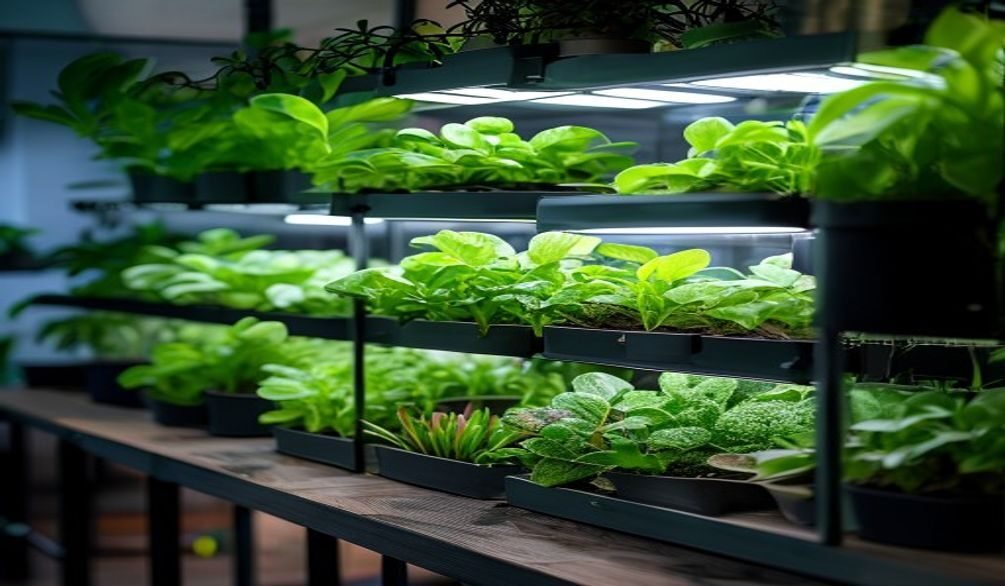
Not all light is created equal. While full-spectrum LEDs are a good start, advanced gardeners delve into LED spectrum optimization and photoperiods. Different wavelengths encourage different growth stages: blue light promotes vegetative growth, while red light is crucial for flowering and fruiting. Experimenting with specific light recipes can dramatically impact yield. For instance, around 57% of new commercial vertical farms now install full-spectrum LEDs at 280 µmol/m²/s, enabling year-round cropping and superior growth.
Consider dynamic lighting systems that allow you to adjust intensity and spectrum throughout the plant’s life cycle. This mimics natural seasonal changes, signaling to your plants that it’s time to transition from robust leafy growth to abundant fruiting.
Temperature and Humidity: The Invisible Hand
Maintaining consistent temperature and humidity levels is critical, as fluctuations stress plants and hinder growth. Most plants thrive in temperatures between 65-75°F (18-24°C) with humidity around 50-70%, though specific crops may vary. Use smart sensors to monitor these conditions continuously. High humidity can encourage fungal diseases, while low humidity can stress plants, especially in hydroponic systems where transpiration rates are high. A simple hygrometer and thermometer are your basic tools, but smart monitors offer real-time data and alerts.
Advanced Nutrient Delivery & Root Zone Health in Hydroponic Systems
In vertical hydroponic setups, the root zone is the lifeline, and precision nutrient delivery is paramount. Unlike soil, where nutrients are buffered, hydroponics demands exactness. This is where you can truly see a hydroponic yield increase.
Optimizing Nutrient Ratios and pH
Plants require different nutrient profiles depending on their growth stage. Vegetative growth benefits from higher nitrogen, while flowering and fruiting demand more phosphorus and potassium. Use a multi-part nutrient solution, allowing you to adjust ratios. Regularly test your nutrient solution’s pH and Electrical Conductivity (EC) or Total Dissolved Solids (TDS). Most plants prefer a pH between 5.5 and 6.5 for optimal nutrient uptake. Root zone optimization directly correlates to nutrient absorption, meaning healthier roots equal more productive plants.
What most home growers overlook is the importance of dissolved oxygen (DO) in the nutrient solution. Aerating your reservoir with an air pump and air stone significantly boosts DO levels, promoting vigorous root growth and nutrient uptake. This simple step can prevent root rot and dramatically improve plant health.
Choosing the Right Growing Media for Vertical Systems
The choice of growing media directly impacts root zone optimization. In vertical systems, media must provide support, aeration, and moisture retention without becoming waterlogged. Common choices include rockwool, coco coir, perlite, and clay pebbles. Rockwool offers excellent aeration and water retention, ideal for seedlings and propagation. Coco coir is sustainable and holds moisture well but requires careful nutrient management as it can bind certain elements. Clay pebbles are reusable and provide superb aeration, often used in drip or flood-and-drain systems. Each has its pros and cons, and selecting the right one for your specific vertical garden system – be it an aeroponic tower garden yield or a living wall – is crucial for maximizing yield.
For more on maintaining hydroponic systems, you might find our Hydroponic System Maintenance Checklist helpful.
Mastering Pruning and Training for Higher Vertical Yields
In a vertical garden, space is a premium, making advanced pruning and plant training not just beneficial, but essential. These techniques direct plant energy into fruit production rather than excessive foliage, allowing for a higher density of productive plants.
Strategic Pruning Techniques
For indeterminate crops like tomatoes, single-stem pruning (or “cordon” training) is highly effective. This involves removing all suckers (side shoots) to encourage the plant to grow as a single, tall stem, focusing all energy into a concentrated vertical fruit set. While it might reduce the number of fruits per plant, it allows you to grow more plants in a smaller footprint, ultimately increasing your total maximising vertical grow wall productivity.
For leafy greens, “cut-and-come-again” harvesting encourages continuous production. Instead of harvesting the entire plant, snip off outer leaves, allowing the inner leaves to continue growing. This method extends the harvest period significantly, maximizing the output from each plant site.
Innovative Plant Training for Vertical Structures
Training plants to grow efficiently upwards is an art. Espalier, traditionally used for fruit trees, can be adapted for vining crops on trellises or wires, guiding branches to grow flat against a surface. For heavy vining crops like small melons or cucumbers, using sturdy netting or string supports is vital. Anchor the strings securely and gently guide the main stem upwards, periodically tying it loosely. This prevents breakage and ensures optimal light exposure to all developing fruits.
Remember, the goal is to create an efficient canopy that captures maximum light while allowing adequate airflow, preventing disease and promoting consistent growth. This kind of thoughtful plant support is crucial in compact vertical systems.
Leveraging Smart Technology for Automated Vertical Gardening Success
The modern vertical gardener embraces technology to achieve professional-level precision. Smart garden technology isn’t just for commercial farms; accessible tools can automate tasks, optimize conditions, and significantly improve your smart vertical garden systems.
Sensors and Monitoring
Invest in environmental sensors that track temperature, humidity, light intensity (PAR), and nutrient solution parameters (pH, EC/TDS). Wi-Fi enabled sensors can send data to your smartphone, providing real-time insights and alerts if conditions deviate from optimal. This data-driven approach allows for automated vertical garden irrigation for maximum yield and nutrient adjustments, ensuring your plants are never stressed.
Automated Irrigation and Nutrient Dosing
Automated irrigation systems, often controlled by timers or smart sensors, deliver water and nutrients precisely when needed. For hydroponic setups, automated peristaltic pumps can dose pH adjusters and nutrient concentrates into your reservoir, maintaining ideal levels without constant manual intervention. This level of precision, once limited to industrial setups, is now readily available to the home gardener, boosting efficiency and consistency.
The market for vertical farming is booming, expected to reach USD 39.20 billion by 2033, growing at a CAGR of 19.3% from 2026 to 2033, according to Frontiers in Science. This growth is heavily driven by advancements in automation and accessible technology, proving that smart systems are the future of high-yield gardening.
Integrated Pest Management for Sustainable Vertical Harvests
In the controlled environment of a vertical garden, prevention is even more critical than cure when it comes to pests and diseases. An integrated pest management (IPM) strategy focuses on proactive measures and biological controls to maintain a healthy ecosystem without resorting to harsh chemicals.
Preventative Measures and Early Detection
Start with clean practices: sterilize equipment, use disease-free seeds or starts, and maintain good airflow to discourage fungal growth. Regularly inspect your plants for early signs of pests or disease. Sticky traps can help monitor pest populations, signaling an issue before it escalates. What I’ve found in practice is that vigilance in a vertical setup is easier than in a sprawling outdoor garden; a quick daily check can save your entire crop.
Biological Controls and Organic Solutions
If pests appear, opt for biological controls. Introducing beneficial insects like ladybugs for aphids or predatory mites for spider mites can effectively manage populations. Neem oil, insecticidal soaps, and horticultural oils are organic solutions that can be applied to target specific pests. Dr. James Altland notes that vertical farm crops “can often be grown without pesticides,” which is a huge advantage for home growers seeking clean produce. For more on specific pest issues, our guide on Treat Whiteflies on Garden Plants offers expert advice applicable to vertical systems.
Selecting the Most Productive Vertical Garden Systems and Crops
The foundation of maximizing your yield begins with choosing the right system and the best plant varieties. Not all vertical setups are created equal, and some crops are inherently better suited for upward growth. This is a key step in any vertical farming strategies.
High-Yield Vertical Garden Systems
- Aeroponic Towers: Systems like Tower Garden or Aerospring are renowned for their efficiency, using mist to deliver nutrients directly to suspended roots. They boast incredible growth rates and water savings, with Aerospring claiming 30% greater yields using 90% less water. This is a top contender for aeroponic tower garden yield optimization.
- Hydroponic Grow Walls (e.g., ZipGrow™ Farm Wall™): These systems use vertical channels or pockets with a wicking medium, ideal for leafy greens and herbs. They are highly water-efficient, saving 90-95% of water compared to traditional methods.
- Stackable Planters (e.g., GreenStalk Planter, The Farmstand by Lettuce Grow): Excellent for beginners and those transitioning from soil, these allow for high-density planting of various crops, including smaller fruiting plants. The Farmstand, for instance, allows growing up to 36 plants in just 4 sq ft.
- DIY Trellis/Arbor Systems: For vining crops, robust trellises or arbors can be integrated into existing gardens, providing vertical support for heavy fruiters like pole beans, vining cucumbers, and indeterminate tomatoes.
Best Crops for Maximizing Vertical Garden Yields
When considering high-yield vertical garden plant selection, focus on compact, vining, or “cut-and-come-again” varieties:
- Leafy Greens: Lettuce, spinach, kale, Swiss chard are perfect for continuous harvest.
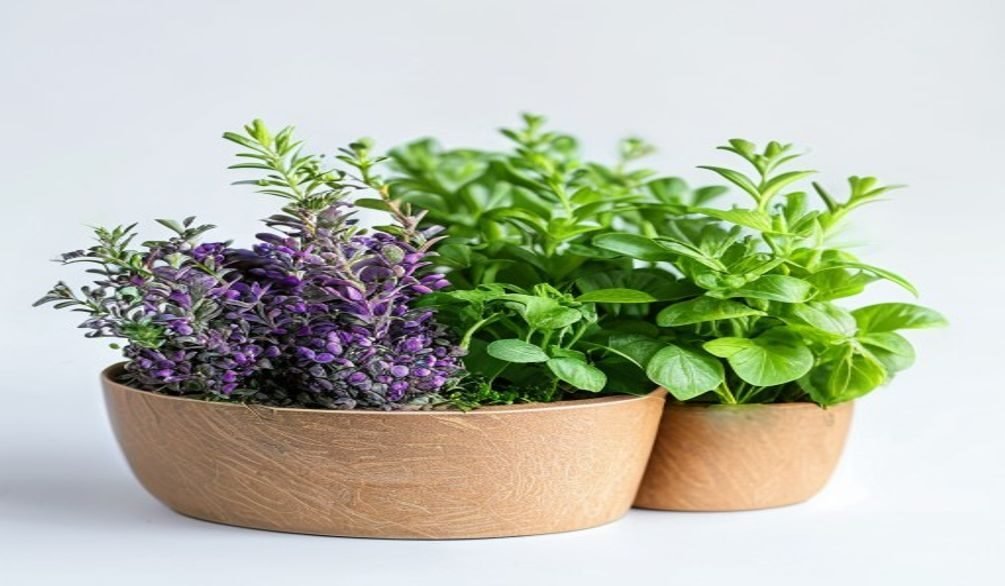
- Herbs: Basil, mint, thyme, oregano thrive in vertical pockets and offer constant snipping.
- Vining Vegetables: Pole beans (e.g., Kentucky Wonder), vining cucumbers (e.g., Marketmore 76), peas, and even small varieties of squash or melons can be trained upwards.
- Compact Fruiting Plants: Cherry tomatoes, mini peppers, and strawberries are excellent choices for stackable systems.
Vertical Gardens Australia advises that to encourage faster establishment and maximum yield, one must go beyond basics to advanced techniques like focused plant selection, fertigation, hydroponics, and aeroponics. This holistic approach makes all the difference.
The Future of Advanced Vertical Garden Yield Techniques at Home
The trajectory of vertical gardening is undeniably upwards, both literally and figuratively. As technology becomes more affordable and accessible, the line between commercial vertical farms and sophisticated home setups will continue to blur. We’re already seeing vertical layers average 7.2 layers per tower, increasing yield per square meter by 22% since 2020, according to data from the industry. This shows a clear trend towards greater density and efficiency.
The future for home gardeners lies in further integration of AI-driven analytics, predictive growth models, and even more refined environmental controls. Senthold Asseng, Professor of Digital Agriculture at TUM and Lead Principal Investigator at TUMCREATE, emphasizes that “The potential of vertical farming is far from exhausted.” This means continuous innovation in Advanced Vertical Garden Yield Techniques, making unprecedented home harvests a reality for dedicated growers like you.
Frequently Asked Questions
How do you maximize vertical growth?
To maximize vertical growth, focus on providing optimal light spectrum and intensity, maintaining consistent temperature and humidity, and delivering precise nutrient solutions tailored to the plant’s growth stage. Utilizing advanced pruning techniques like single-stem training and providing robust plant supports also directs energy upwards, encouraging concentrated vertical development.
How do you increase yield in hydroponics?
Increasing hydroponic yield involves meticulous management of the nutrient solution’s pH and EC/TDS, ensuring optimal nutrient uptake. Additionally, enhancing dissolved oxygen in the reservoir, optimizing light cycles and spectrum, and employing advanced plant training methods like pruning for fruit production are key strategies to boost overall harvest in hydroponic systems.
What is the most productive vertical garden?
Aeroponic tower systems, such as Tower Garden or Aerospring, are often considered among the most productive vertical gardens due to their highly efficient nutrient delivery, accelerated growth rates, and exceptional water savings. These systems can achieve significantly higher yields per square foot compared to traditional gardening or even other hydroponic methods, making them ideal for maximizing output in minimal space.
What are the disadvantages of vertical farming?
While highly efficient, vertical farming can have disadvantages, including high initial setup costs for advanced systems and specialized lighting, and a reliance on electricity for environmental controls. It also requires a steeper learning curve for managing hydroponic nutrients and pest control in a closed system, which can be more complex than traditional soil gardening.
Mastering Advanced Vertical Garden Yield Techniques is an ongoing journey of learning and experimentation, but the rewards are truly exponential. By integrating smart technology, optimizing your environmental controls, and applying precision horticultural practices, you’re not just gardening; you’re engaging in a highly efficient form of urban agriculture. Start implementing these strategies today to transform your vertical garden into a prolific source of fresh, homegrown produce.