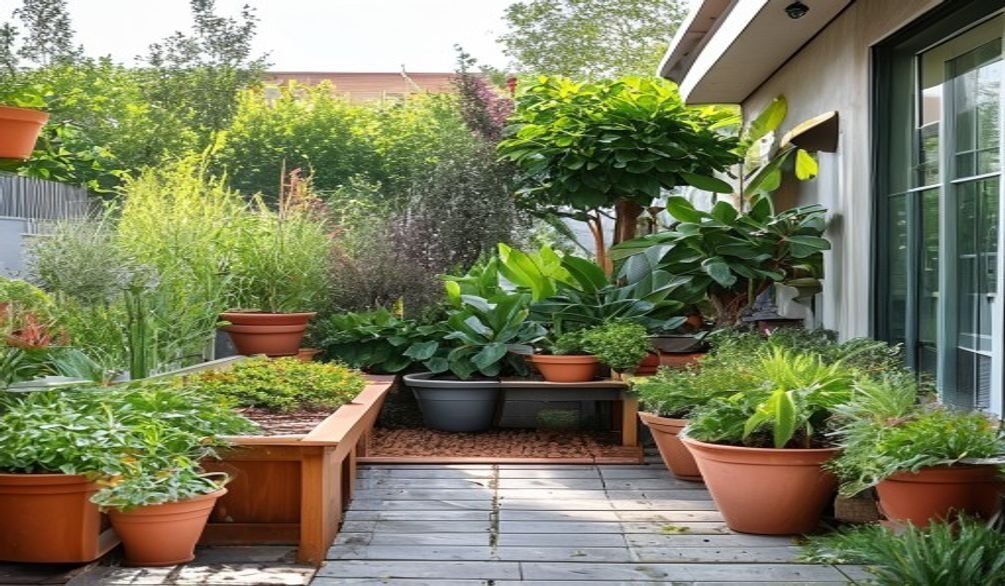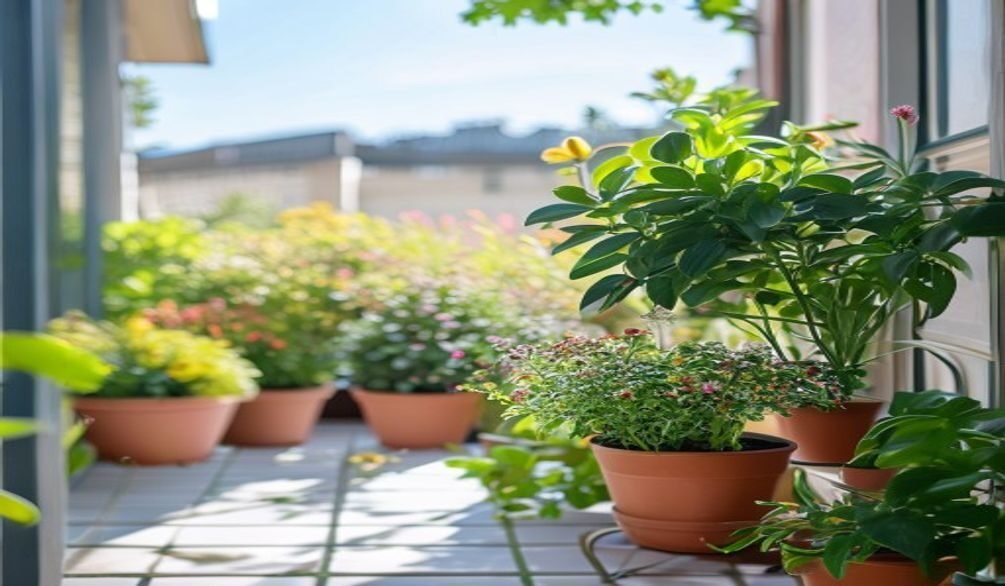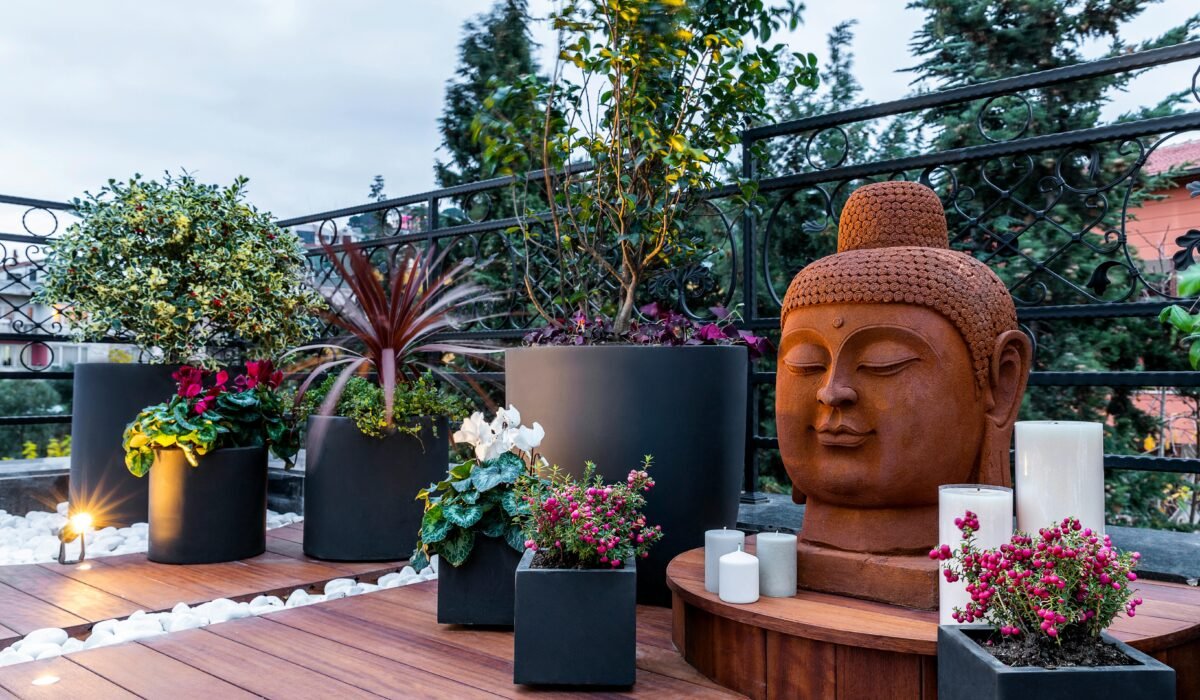
Want to create small balcony zen garden that transforms your urban outdoor space into a sanctuary of calm? City living often means compact spaces, but even the tiniest balcony can become a peaceful retreat where you can unwind and reconnect with nature. This guide will walk you through every step, from understanding core Zen principles to smart design hacks and overcoming common urban challenges, ensuring your balcony becomes a truly tranquil oasis.
What is a Balcony Zen Garden & Why Create One?
A balcony Zen garden is a miniature, contemplative landscape designed to bring the tranquility and aesthetic principles of traditional Japanese Zen gardens into your urban home. These aren’t just decorative spaces; they are meant to foster mindfulness and provide a quiet escape from the hustle and bustle of city life.
The primary purpose of a Zen garden, as noted by Steven Pitsenbarger, Garden Supervisor at San Francisco’s Japanese Tea Garden, is to help refresh, relax, and restore people by connecting them to nature. Even a small balcony can serve this profound purpose, offering a unique opportunity for mindful living right outside your door.
The Benefits of Your Urban Retreat
Creating a peaceful outdoor space, even a tiny one, offers significant mental and physical health advantages. Research from the University of Missouri Extension, citing horticulturist David Trinklein, demonstrates that gardening improves mental health and provides an escape from stress. This aligns perfectly with the goals of a Zen garden.
Furthermore, engaging in gardening activities is on the rise, with 55% of American households participating, and Gen Y and Gen Z leading the trend, expecting to spend more time gardening in 2026. Your balcony Zen garden taps into this growing desire for green spaces and personal well-being.
Understanding Zen Principles for Small Balcony Design
To truly create small balcony zen garden that resonates with tranquility, it’s essential to understand the core Zen garden principles. These aren’t just abstract ideas; they translate directly into tangible design choices, especially crucial when working with limited urban balcony design space.
Here’s how key Zen principles inform your minimalist balcony design:
- Kanso (Simplicity): This means eliminating clutter and focusing on essential elements. For a small balcony, this translates to minimal decor and a clear, uncluttered path, ensuring every item serves a purpose or contributes to serenity.
- Shinzen (Naturalness): Strive for an authentic, unforced appearance. Avoid artificial materials and overly rigid patterns. Choose natural stones, wood, and plants that look organic, even in containers.
- Fukinsei (Asymmetry/Irregularity): Zen gardens embrace natural imperfection and imbalance, which creates dynamic harmony. Instead of perfectly symmetrical arrangements, group elements in odd numbers and varying sizes to mimic nature’s spontaneous beauty.
- Seijaku (Tranquility/Stillness): This is the feeling of calm and quiet. Achieve this on your balcony with a simple color palette, soft textures, and perhaps a gentle water feature to mask urban noise, fostering a deep sense of peace.
- Yugen (Profound Grace/Subtlety): Suggest more than you explicitly show. Use elements that evoke mystery or invite contemplation without being overly dramatic. A single, well-placed stone or a subtle change in gravel texture can embody this.
- Datsuzoku (Freedom from Habit/Convention): Break away from typical garden designs. Be creative in how you use your small space, perhaps incorporating unexpected elements or arrangements that still respect Zen aesthetics.
- Koko (Austerity/Bareness): This principle emphasizes the beauty found in starkness and age. On a balcony, this means a restrained approach to decoration, valuing the inherent beauty of natural materials and simple forms over elaborate ornamentation.
Essential Elements to Create Your Small Balcony Zen Garden
Crafting your tranquil space requires thoughtful selection of elements that together form a harmonious whole. Each component of a Japanese garden elements contributes to the overall feeling of peace and contemplation.
Foundation: Decking, Rocks, and Gravel
Start with your flooring. Natural materials like the IKEA RUNNEN outdoor decking offer a warm, wood-like base that instantly elevates the aesthetic and is suitable for outdoor use. This provides a clean, cohesive look for your urban balcony design.
Next, consider your hardscape. Stones and rocks are fundamental, symbolizing islands or mountains. Ayse Pogue, Senior Horticulturist at the Chicago Botanic Garden, suggests selecting stones with ridges and interesting shapes. For the raked patterns characteristic of Zen gardens, choose gravel like granite turkey grit that holds its form beautifully. This visual element is key to the meditative aspect of the garden.
Water Features: Sound and Serenity
The sound of water is incredibly calming and can help mask urban noise pollution, enhancing the tranquility of your peaceful outdoor space. For tiny spaces, a compact option like the Homedics Tabletop Water Fountain works well.
If you have a bit more room, consider a Sunlinua S-Shaped Modern Cascading Waterfall, which combines light, running water, and greenery for a truly immersive experience. These DIY water feature options bring dynamic energy to a static space.
Lighting: Setting the Mood
Thoughtful lighting extends the usability of your balcony Zen garden into the evening. Soft, warm LED string lights or solar-powered lanterns can create a magical, contemplative atmosphere. Avoid harsh, bright lights that disrupt the serene mood; instead, opt for subtle illumination that highlights key features.
Choosing the Best Plants for Your Urban Zen Oasis
Plants are vital for bringing life and natural texture to your balcony Zen garden. The goal is to select low maintenance plants that thrive in containers and contribute to a serene, minimalist aesthetic.
Zen-Friendly Choices
Think about plants that evoke a sense of calm and permanence. Evergreens like juniper and pine are excellent choices for their year-round greenery and symbolic strength. Moss, often used in traditional Japanese gardens, can be cultivated in shallow trays to add soft, verdant texture.
For vertical interest, miniature bamboo varieties (especially clumping types like ‘Fargesia’) are ideal for pots due to their slower, contained growth. Dwarf conifers, maples, elms, and ficus, often seen as bonsai trees, also fit the aesthetic beautifully, offering sculptural forms for your japanese balcony decor.
Container Gardening Ideas for Edibles
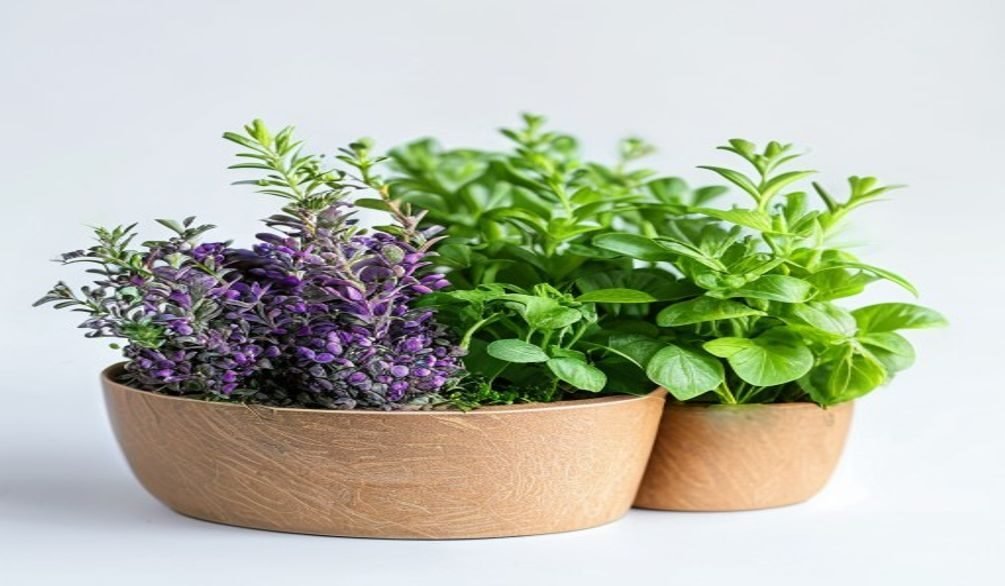
Even in a Zen garden, you can incorporate edible plants for both beauty and utility. Container gardening is the preferred method for many urban gardeners, especially those aged 34-45. Consider herbs like basil, parsley, thyme, mint, and cilantro for fragrant, fresh additions.
Compact vegetables such as dwarf cherry tomatoes (e.g., “Patio” or “Determinate” varieties), “Tom Thumb” lettuce, spinach, radishes, peppers, and pole beans are all suitable for small spaces. Just be sure their growth habit doesn’t overwhelm the minimalist feel of your Zen space.
Smart Design Hacks for Tiny Balcony Zen Gardens
When space is at a premium, clever design solutions become essential to maximize your urban oasis. These small space hacks help you get the most out of every square inch without compromising on Zen garden principles.
- Go Vertical: Vertical gardening systems are a game-changer for tiny balconies. Think wall-mounted planters, tiered shelves, or even hanging pockets that allow you to cultivate more greenery without taking up precious floor space. This is an excellent way to integrate more plants and create a lush backdrop.
- Multi-functional Furniture: Choose pieces that serve more than one purpose. A low bench can double as storage for gardening tools or meditation cushions. A small, foldable table can be used for tea ceremonies or tuck away when not needed, preserving openness.
- Mirror Magic: Strategically placed mirrors can create the illusion of a larger space and reflect light, making your balcony feel more expansive and brighter. Ensure the mirror reflects a pleasing view, such as plants or a calming wall.
- Defined Zones: Even in a minuscule area, you can create distinct zones using different textures of flooring (e.g., a small mat for meditation, decking for walking). This helps segment the space psychologically, making it feel more functional and less cramped.
- Smart Storage: Maintaining a minimalist look means keeping clutter out of sight. Look for slim, inconspicuous storage solutions for your gardening essentials. Under-bench storage or narrow wall cabinets can help maintain the serene aesthetic.
The short answer is, minimalist balcony design thrives on intentionality. Every item on your balcony should earn its place, contributing to the overall calm and beauty of your Zen retreat.
Overcoming Urban Challenges: Wind, Light, Noise & HOA Rules
Urban balconies come with their own set of unique challenges that need to be addressed to ensure your Zen garden flourishes and provides true peace. What most people miss is that thoughtful planning can mitigate these issues effectively.
Battling the Elements: Wind and Light
Wind can be a major issue on higher balconies. Select wind-resistant plants with flexible stems and sturdy root systems, and use heavy, stable planters to prevent tipping. Consider a privacy screen or trellis (perhaps with climbing plants) that can also act as a windbreak. For ideas on green screens, check out our guide on Balcony Privacy Screens Plants.
Light conditions vary wildly in urban settings. For very sunny balconies, choose drought-tolerant, sun-loving plants. For intensely shady spots, opt for plants that thrive in low light, like ferns or hostas. Positioning taller elements to cast shade where needed can also create microclimates.
Taming the Urban Roar: Noise Pollution
Noise pollution is a common urban complaint. A small water feature, as mentioned earlier, can create soothing sounds that help mask street noise. Planting dense, leafy plants can also absorb some sound, contributing to a quieter atmosphere. Additionally, consider outdoor rugs or soft furnishings that can dampen echoes.
Navigating Regulations: HOA and Rental Rules
Before you begin, always check your Homeowners Association (HOA) or rental agreement rules. Many have restrictions on planter sizes, external decorations, watering, and even plant types. Understanding these rules upfront will save you headaches and ensure your beautiful new space complies with all regulations.
DIY & Budget-Friendly Balcony Zen Garden Ideas
Creating a serene balcony oasis doesn’t have to break the bank. With a little creativity and some DIY balcony zen garden spirit, you can achieve a stunning peaceful retreat. The real budget breakdown shows that smart choices can lead to significant savings.
Repurposing and Upcycling
Look around your home for items you can repurpose. Old wooden crates can become planters or elevated platforms for rocks. Smooth stones collected from walks can become part of your rock garden. Even an old ceramic bowl can be transformed into a mini water feature with a small pump.
For your soil, consider making your own compost or enriching existing soil with organic soil amendments. This not only saves money but also provides a healthier environment for your plants.
Simple DIY Water Features
You don’t need an expensive, elaborate fountain. A simple DIY water feature can be crafted from a large ceramic pot, a small submersible pump, and some decorative stones. The gentle trickle of water will bring immediate calm and contribute to the peaceful outdoor space you’re cultivating.
Cost-Saving Plant Choices
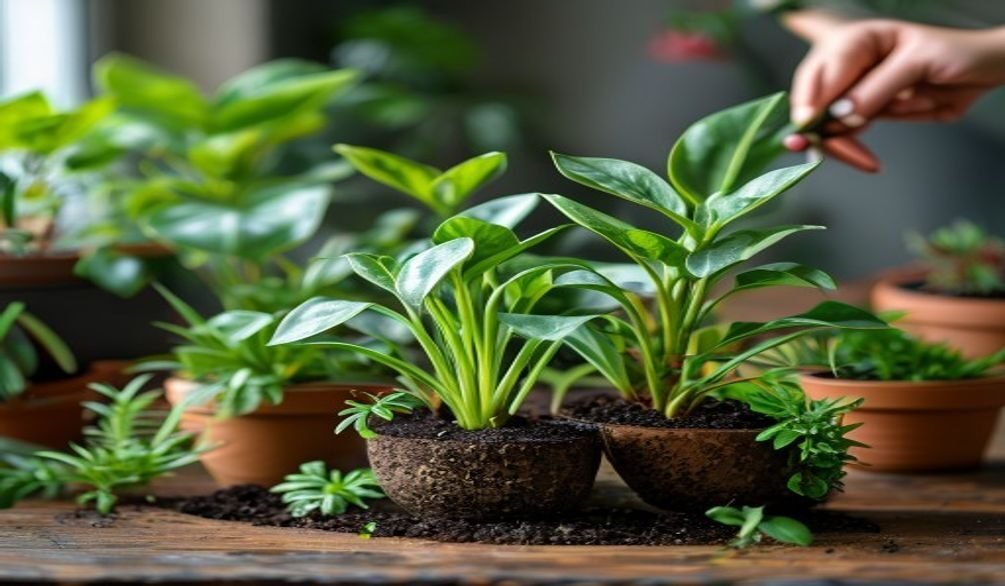
Start plants from seeds, which is significantly cheaper than buying mature plants. Look for local plant swaps or nurseries that offer smaller, more affordable starter plants. Focus on propagating cuttings from friends’ plants, or choose low-cost, fast-growing varieties that can fill out your space quickly.
Remember, the goal is not abundance, but intentionality. A few well-chosen, healthy plants can have a greater impact than many haphazardly placed ones.
Maintaining Your Peaceful Urban Retreat
A true Zen garden embraces simplicity, and that extends to its upkeep. The beauty of a low maintenance apartment garden is that it requires minimal effort, allowing you more time to enjoy its tranquility.
Regular Raking and Cleaning
The raked patterns in your gravel are central to the Zen aesthetic. Dedicate a few minutes each week to re-rake these patterns, a meditative activity in itself. Keep the space free of fallen leaves and debris to maintain its pristine appearance.
For quality tools that make maintenance a breeze, consider brands like Niwaki, Barebones Living, Okatsune, Felco, Sneeboer, Dewit, and Garret Wade. Investing in a good hori hori knife or a sharp pair of secateurs makes tasks like pruning and weeding more enjoyable.
Watering and Pruning
While many Zen-friendly plants are low maintenance plants, they still require appropriate watering. Check soil moisture regularly, especially for container plants which dry out faster. Prune plants to maintain their shape and size, ensuring they don’t overwhelm your small space or lose their minimalist form.
In practice, creating a small balcony Zen garden is an ongoing process of care and contemplation. It’s about nurturing both the garden and your inner peace.
Frequently Asked Questions
How do I create a mini Zen garden?
To create a mini Zen garden, focus on essential elements: a shallow tray, fine sand or gravel, a few carefully chosen rocks, and perhaps a small miniature plant or moss. Arrange these elements with intention, leaving ample negative space, and use a miniature rake to create patterns in the sand, symbolizing water or ripples.
What elements are in a Zen garden?
The core elements in a Zen garden typically include rocks (symbolizing mountains or islands), sand or gravel (representing water, often raked into patterns), and carefully selected plants (such as moss, dwarf conifers, or bamboo). Water features, lanterns, and minimalist benches can also be included to enhance the serene atmosphere.
What plants are good for a Zen garden?
Good plants for a Zen garden are typically low-maintenance, slow-growing, and have a calming aesthetic. Popular choices include juniper, pine, moss, miniature bamboo (clumping varieties), dwarf conifers, maples, elms, and ficus (especially as bonsai). Herbs like basil and thyme can also be incorporated for subtle fragrance and greenery.
How do you make a Zen garden look natural?
To make a Zen garden look natural, embrace asymmetry and irregularity in your arrangements, mimicking nature’s organic forms. Use natural materials like real stone and wood, and avoid overly perfect or artificial placements. Allow plants to grow with some natural freedom while still maintaining their form, and create flowing, unforced patterns in your sand or gravel.
Your journey to create small balcony zen garden is an investment in your well-being, transforming a neglected corner into a dynamic space for reflection and peace. By thoughtfully applying Zen principles, selecting appropriate elements, and addressing urban challenges, you can cultivate a truly unique and tranquil urban oasis. Start small, be intentional, and let your balcony become the serene escape you deserve.