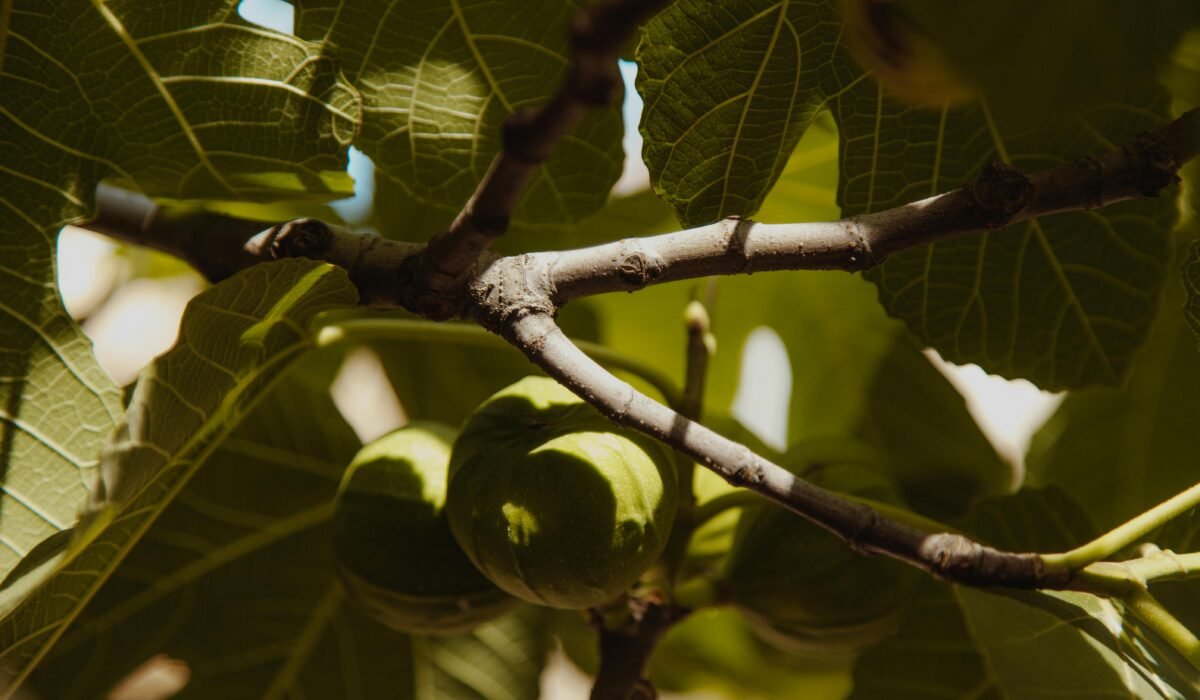
Dreaming of plucking sun-warmed, juicy figs right from your own backyard? Learning how to grow figs for beginners might seem daunting, but with the right approach, you can cultivate these ancient, delicious fruits even if you’re new to gardening. This comprehensive guide will equip you with all the essential knowledge to achieve sweet success, no matter your climate.
How to Grow Figs for Beginners: Getting Started
Many novice gardeners assume fig trees are exotic and difficult, but the truth is they are surprisingly resilient and adaptable. Your journey to how to grow figs for beginners starts with understanding their basic needs and choosing the right location.
Figs (Ficus carica) are prolific producers when given full sun and can thrive in a range of climate zones with proper protection, as noted by landscape designer Christian Douglas. The key is to provide them with the right foundation for strong growth and abundant fruiting. In practice, selecting the right spot and preparing the soil are paramount to successful planting figs.
Choosing the Best Fig Varieties for Your Climate
Selecting the appropriate fig varieties is perhaps the most critical step for beginners, especially if you live outside traditional warm fig-growing regions. Not all figs are created equal in terms of cold hardiness or adaptability to humidity.
For colder climates, look for varieties known for their resilience. Hardy Chicago is an excellent choice, able to withstand temperatures near 0°F without extensive protection, producing medium purple figs with a delicious earthy sweetness. Similarly, Celeste (Sugar Fig) offers small, sweet, purplish fruits and is cold-hardy for Zones 6-10, adapting well to humid conditions.
If you’re in a more temperate zone or just want a widely available, low-maintenance option, Brown Turkey is a popular choice, yielding abundant medium to large figs with a mild sweetness. For those in humid areas, consider LSU varieties like LSU Gold or LSU Purple, specifically bred by Louisiana State University to resist splitting and mold. Knowing your fig tree care by zone starts with this crucial selection, ensuring your chosen fig varieties have the best chance at thriving.
Essential Fig Tree Care: Sun, Soil, Water & Fertilizer
Once you’ve chosen your fig, proper fig tree care becomes your focus. Providing the right environment for sun, soil, water, and fig fertilizer will directly impact the health and sweetness of your harvest.
Sunlight Requirements for Figs
Figs are sun-worshippers, demanding at least 6-8 hours of direct sunlight daily to produce the sweetest, most abundant fruit. Christian Douglas emphasizes that they are “prolific producers in full sun,” and this cannot be overstated. A sunny spot ensures the energy needed for photosynthesis, which translates directly into sugar production in the fruit.
Ideal Soil Conditions for Figs
Figs aren’t overly fussy, but they do require well-drained, moderately fertile soil. Horticulturist Lee Reich advises against “super special” soil but stresses good drainage. Ross Raddi, known as “Fig Boss,” passionately states that “well-draining soil with plenty of air” is his best advice for improving fig health, preventing overwatering issues. For container figs or dense garden soil, amending with perlite, vermiculite, or bark chips improves drainage significantly. You can learn more about optimizing your soil environment in our guide to Understanding Soil pH: Simple Guide for Beginners.
Watering Your Fig Tree for Sweetness
Water management is critical for both growth and fruit quality. While young trees need consistent moisture, established fig trees can tolerate some drought. Christian Douglas recommends thoroughly watering just once a week in summer, explaining that “reducing water will avoid diluting sugars, creating sweeter fruits.” Ross Raddi goes further, calling water “the on or off switch for growth,” highlighting its power to control your fig tree’s development. Consistent, deep watering is better than frequent shallow watering, especially during fruit development, but taper off as figs ripen to concentrate sugars.
Fertilizing Your Fig Tree
When it comes to fig fertilizer, moderation is key. Cornell University Extension suggests a balanced granular organic fertilizer like a 5-10-5 or 5-10-10, especially for young trees, but cautions against overfeeding. Lee Reich warns that “overly fertile soil will lead to lots of stem growth and not that many fruit.” For container figs, a controlled-release product like Scotts Osmocote Citrus & Fruit can provide steady nutrients. For an organic fertilizer for fig trees, options like Jobe’s Organic Fruit & Nut or Espoma PlantTone work well, applied once in early spring as new growth begins.
Pruning Your Fig Tree for Maximum Yield and Sweetness
Fig pruning might seem intimidating, but it’s essential for maintaining tree health, managing size, and maximizing your harvest. Pruning directs the tree’s energy into fruit production rather than excessive vegetative growth.
The best time for pruning fig trees for maximum yield is in early spring, after the danger of frost has passed but before active growth begins, as advised by Cornell University Extension. Remove any dead, damaged, or diseased branches first. Then, thin out crowded branches to improve air circulation and sunlight penetration, which helps ripen fruit and reduces the risk of fungal fig problems.
For beginners, focus on creating an open, vase-like shape. You can also prune to keep your fig tree small, especially if you’re growing figs in pots. Use sharp secateurs or Japanese pruning shears for clean cuts. What most people miss is that strategic pruning encourages the development of new fruiting wood, directly contributing to a more bountiful and sweeter harvest.
Overwintering Fig Trees: Success in Any Climate
Don’t let a cold climate deter you from enjoying fresh figs; effective overwintering figs is entirely possible. Common fig varieties require about 100 hours of chilling temperatures (between 32°F and 45°F) to set fruit, but temperatures below freezing for extended periods can damage or kill them.
For those in colder regions, growing figs in pots is an excellent strategy. Container figs can be moved indoors to a garage, basement, or unheated shed once temperatures consistently drop below freezing. Reduce watering significantly during this dormant period, only providing enough to prevent the roots from completely drying out. This technique is a cornerstone of fig tree care by zone for northern gardeners.
For in-ground trees in borderline climates, creative overwintering techniques include wrapping the tree with burlap and insulation, or even bending smaller trees to the ground and burying them under soil or mulch. These methods protect the dormant wood from harsh winter winds and extreme cold, ensuring your fig tree survives to produce another crop.
Troubleshooting Common Fig Tree Problems & Beginner Mistakes
Even with the best intentions, beginners can encounter common fig tree problems. Understanding these challenges and how to address them is crucial for maintaining a healthy, productive tree.
- Overwatering: A frequent beginner mistake, especially with container figs. Ross Raddi emphasizes well-draining soil to prevent this. Symptoms include yellowing leaves, stunted growth, or even root rot. Allow the top few inches of soil to dry out between waterings.
- Fruit Drop: If your figs are dropping before ripening, it could be due to inconsistent watering, sudden temperature changes, or over-fertilization (especially too much nitrogen). Ensure stable moisture and avoid excessive feeding.
- Lack of Fruit: Overly fertile soil, as Lee Reich points out, can lead to lush vegetative growth but few fruits. Improper pruning can also contribute. Ensure your tree receives enough sun and is not overfed.
- Pests and Diseases: Figs are generally robust, but common pests include fig rust, spider mites, or nematodes. Fungal issues can arise in humid conditions or with poor air circulation. Addressing these promptly, often with organic solutions, can save your crop. For more in-depth guidance, consult our Organic Solutions for Plant Diseases: Natural Guide.
In practice, many fig problems are symptoms of environmental stress or care imbalances. Addressing the underlying issue, rather than just the symptom, leads to long-term success.
Harvesting & Maximizing Sweetness: Your Guide to Ripe Figs
The moment you’ve been waiting for: harvesting your sweet figs! Knowing when to pick and how to maximize their sugar content is the final step to truly sweet success.
Ripe figs will be soft to the touch, slightly droopy on the branch, and often change color (from green to purple, brown, or yellow, depending on the variety). They should pull easily from the branch with a gentle twist. A truly ripe fig might even have a small “tear” or bead of nectar at its eye (the opening at the bottom).
To maximize sweetness, Christian Douglas advises reducing water during the ripening phase. This concentrates the sugars within the fruit, intensifying their flavor. Also, allow figs to ripen fully on the tree; they won’t sweeten further once picked. Be vigilant for birds and squirrels who also love sweet figs; wildlife-safe crop protection netting can save your harvest.
When Do Fig Trees Bear Fruit? (Patience is a Virtue!)
A common question for beginners is, “When do fig trees produce fruit?” The short answer is, it takes patience. Clemson University Extension estimates it can take anywhere from 2-6 years for a young fig plant to produce ripe fruit. This timeline largely depends on the variety, growing conditions, and maturity of the tree.
Many fig trees produce two crops: the “breba” crop, which forms on old wood from the previous year, and the “main crop,” which develops on new growth during the current season. The breba crop is usually smaller but ripens earlier. While the wait for when do fig trees bear fruit can feel long, the reward of your first homegrown sweet fig is incredibly satisfying and worth every moment of anticipation.
Frequently Asked Questions
How long does it take for a fig tree to bear fruit?
It typically takes a fig tree anywhere from 2 to 6 years to start bearing fruit after planting, depending on the variety and growing conditions. While some varieties might produce a small breba crop sooner, the main harvest usually begins once the tree is more established.
Do fig trees need a lot of water?
Young fig trees need consistent watering to establish their roots, but mature fig trees prefer deep, infrequent watering. Overwatering can lead to root rot, while slightly reduced watering during fruit ripening can significantly increase the sweetness of your figs.
What is the best fertilizer for fig trees?
A balanced granular organic fertilizer, such as a 5-10-5 or 5-10-10, is generally recommended for fig trees. Apply it in early spring as new growth emerges, but avoid overfeeding, as excessive nitrogen can promote leaf growth at the expense of fruit production.
How do you keep a fig tree small?
You can keep a fig tree small through consistent pruning, especially if growing figs in pots. Prune in late winter or early spring to shape the tree, remove excessive growth, and encourage a more compact form, redirecting energy into fruit rather than height.
Growing figs, even for beginners, is a deeply rewarding experience that brings the taste of the Mediterranean to your own garden. By following these expert tips on variety selection, consistent fig tree care, strategic pruning, and clever overwintering, you’re well on your way to enjoying an abundance of sweet, homegrown figs. Start your fig journey today and prepare for a truly delicious harvest!