Are you watching your vibrant plants mysteriously decline, their leaves mottled with silvery streaks and distorted growth? If you’re seeing tiny, slender insects scurrying across your foliage, you’re likely facing a thrips infestation, and this comprehensive **Solve Thrips Infestations Guide** is precisely what you need to reclaim your garden. We’ll walk you through identifying these elusive pests, implementing effective treatments, and establishing long-term prevention strategies to protect your beloved plants from further damage.
What Are Thrips & How to Identify Them?
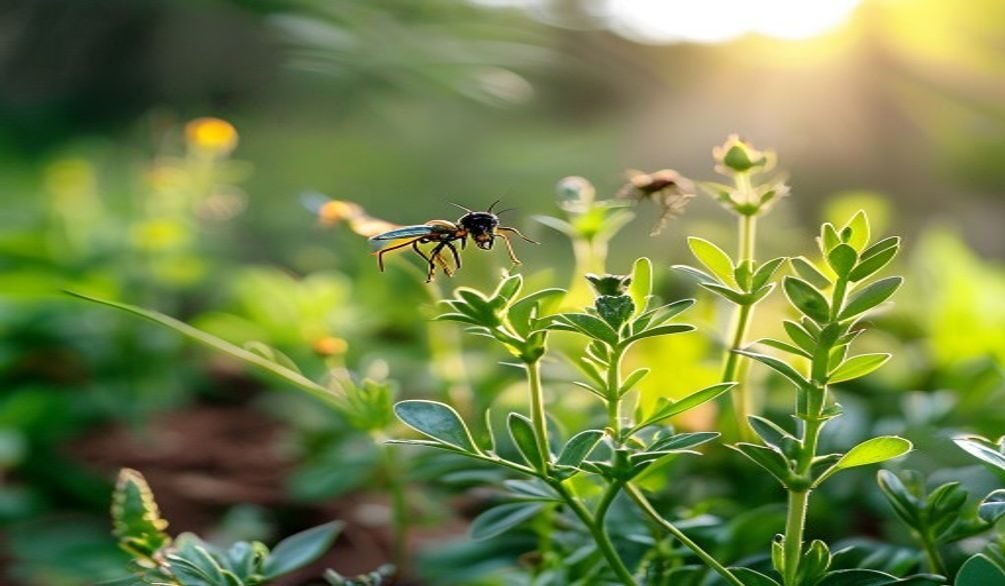
Thrips are tiny, slender insects, typically measuring less than a millimeter to a few millimeters long, making them incredibly hard to spot with the naked eye. They come in various colors, including yellow, brown, or black, and have fringed wings, though they often prefer to crawl or hop. What most people miss is that thrips are a diverse group, with over 6,000 described species worldwide, each with slightly different habits.
Recognizing Thrips Damage Identification
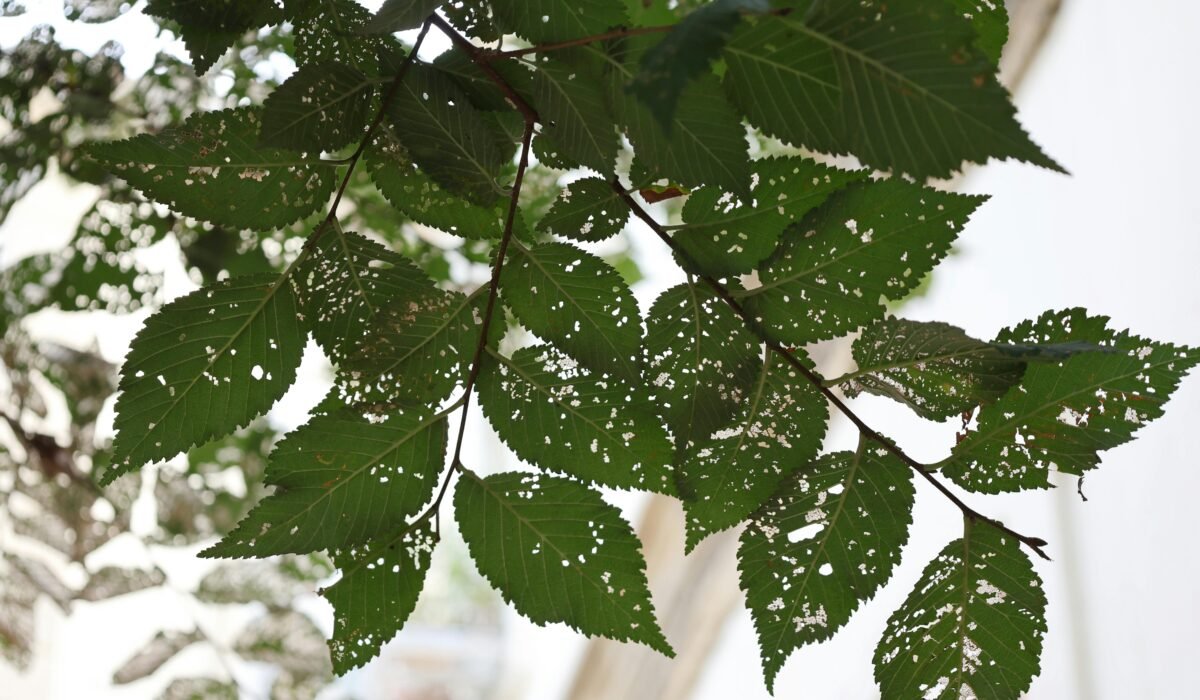
The most reliable way to identify a thrips problem isn’t always by seeing the pests themselves, but by recognizing the distinctive **plant damage**. Thrips feed by piercing plant cells and sucking out the contents, leaving behind tell-tale signs. You’ll often notice silvery or bronzed streaks on leaves, distorted or stunted new growth, and tiny black fecal spots, which resemble specks of dirt, especially on the undersides of leaves. This damage can seriously hinder plant health and vigor.
Checking for Thrips: A Simple Test
To confirm the presence of these garden pests, gently shake an affected leaf or flower over a white piece of paper. The tiny, dark specks that fall and then begin to move are likely thrips. Dr. Vera Krischik, an Associate Professor at the University of Minnesota, highlights their difficulty, stating, “Thrips are the worst pests in greenhouses as they have short generation time and are resistance to many insecticides, which permits thrips to reach high population size very fast.”
How to Get Rid of Thrips: Effective Treatment Methods
Tackling a thrips infestation requires a multi-pronged approach, as these pests are notoriously resilient. The good news is that a combination of organic thrips control, biological solutions, and targeted chemical treatments can effectively reduce populations and protect your plants. Remember, consistent action is key to managing these persistent insects.
Organic & Natural Remedies for Thrips
For home gardeners seeking less toxic options, several organic control products offer excellent results. **Neem oil** is a popular choice, working as an antifeedant and growth disruptor to interfere with thrips’ life cycle and reproduction. Apply it thoroughly to all plant surfaces, including undersides of leaves.
Another effective solution is **insecticidal soap**, which kills thrips on contact by dehydrating them. You’ll need to spray this directly onto the insects, so thorough coverage is crucial for success. For a more potent natural option, consider Spinosad-based products like Captain Jack’s Deadbug Brew or Monterey Garden Insect Spray, which are derived from soil bacteria and effective against various life stages of thrips.
Biological Control for Thrips on Indoor Plants and Outdoors
Harnessing nature’s own pest control agents is a powerful strategy, especially for thrips on indoor plants or in greenhouses. Predatory mites, such as *Amblyseius swirskii* or *Neoseiulus cucumeris*, are excellent biological control agents that actively hunt down and consume thrips larvae. Recent 2025 studies showed impressive results: *Orius insidiosus* (minute pirate bug) reduced adult thrips populations by 86% in lab trials, while *Anystis baccarum* (crazee mite) achieved 91% control. These beneficial insects offer a sustainable way to keep thrips populations in check.
Chemical Insecticides for Severe Infestations
When infestations are severe, or biological controls are insufficient, a targeted chemical insecticide may be necessary. Products containing active ingredients like Spinosad (as mentioned above) are effective. For persistent outdoor problems, you might consider stronger options like Imidacloprid or Acephate, though these should be used judiciously due to their broader impact on beneficial insects. Always follow label instructions carefully and prioritize safety.
Targeting Thrips Eggs & Larvae: Breaking the Life Cycle
Successfully solving thrips infestations means understanding and disrupting their rapid life cycle. Female thrips are highly prolific, laying between 80 to 300 eggs in their lifetime, with a cycle from egg to adult completing in as little as two weeks under favorable conditions. These eggs are often inserted into plant tissue, making them difficult to reach.
Interrupting Thrips Development Stages
Many treatments, like neem oil and Spinosad, are effective against both larval and adult stages, helping to break the cycle. However, the pupal stage often occurs in the soil or leaf litter, protected from sprays. This is where soil-drench applications or beneficial nematodes can be particularly useful. Nematodes, microscopic roundworms, can hunt down and parasitize pupating thrips in the soil, preventing them from emerging as adults. The fungus *Beauveria bassiana* (found in products like Botanigard) has also shown effectiveness, achieving up to 90% mortality rates against thrips, by infecting and killing pests at various life stages.
Integrated Pest Management (IPM) Plans for Thrips
An Integrated Pest Management (IPM) plan is your most powerful tool for long-term thrips control, combining multiple strategies for sustainable crop protection. The UC Statewide IPM Program emphasizes this integrated approach: “Manage these insects by combining good cultural care, pest exclusion, thrips-resistant plants, and less toxic insecticides.”
Developing a Phased IPM Strategy
Your IPM plan should be phased, adapting to the severity of the infestation:
1. **Monitoring:** Regularly inspect plants using yellow sticky traps (especially useful for indoor plants) to detect thrips early. Dr. Krischik advises that “Biological control can only work when thrips populations are low, less than 10 per yellow sticky card.”
2. **Cultural Controls:**
* **Pruning:** Remove heavily infested leaves and flowers to reduce pest numbers.
* **Water Sprays:** A strong jet of water can physically dislodge thrips from plants, especially effective on outdoor plants.
* **Sanitation:** Remove plant debris and weeds where thrips can hide and reproduce.
3. **Organic Treatments:** For low to moderate infestations, start with neem oil or insecticidal soap. Repeat applications every 5-7 days to target newly hatched thrips.
4. **Biological Control:** Introduce predatory mites or minute pirate bugs. This is particularly effective when thrips populations are low to moderate.
5. **Targeted Chemical Application:** If the infestation escalates, use Spinosad-based products. For very severe cases, consider stronger insecticides, but always rotate modes of action to prevent pesticide resistance (more on this below).
Preventing Thrips Infestations: Long-Term Strategies
Prevention is always better than cure when it comes to garden pests. Implementing proactive measures can significantly reduce the likelihood of future thrips problems, saving your plants and your sanity.
Proactive Measures for Plant Health
* **Quarantine New Plants:** Always isolate new plants for a few weeks before introducing them to your existing collection. This allows you to inspect for any hidden pests, including thrips, and treat them before they spread.
* **Sticky Traps:** Place yellow or blue sticky traps near plants to catch adult thrips and monitor population levels. These also serve as a preventative measure by trapping early arrivals.
* **Reflective Mulches:** For outdoor gardens, reflective mulches can disorient thrips and deter them from landing on plants.
* **Garden Hygiene:** Regularly clean up fallen leaves and plant debris, as these can provide shelter and breeding grounds for thrips and other pests.
* **Enhance Biodiversity:** Encourage beneficial insects in your garden by planting diverse flowers that provide nectar and pollen. Organic crop rotation can also help break pest cycles in the soil.
* **Thrips-Resistant Varieties:** Where possible, choose plant varieties known to be less susceptible to thrips damage.
* **Proper Plant Care:** Healthy, vigorous plants are more resilient to pest attacks. Ensure your plants receive adequate water, nutrients, and light. Consider reading about common herb garden mistakes to avoid stressing your plants.
Managing Pesticide Resistance: Rotation Strategies
One of the biggest challenges in controlling thrips is their ability to develop pesticide resistance quickly. Jeff Schalau from the University of Arizona Cooperative Extension notes, “No pesticide provides complete control of thrips. They are difficult to manage because of their tiny size, great mobility, hidden feeding behavior, and protected egg and pupal stages.” Michigan State University Extension reported as early as 2014 on increasing resistance in Western flower thrips populations, even to common insecticides like spinosad.
Understanding Modes of Action
To combat pesticide resistance, it’s crucial to understand **modes of action**. This refers to how an insecticide kills a pest. Different chemical classes kill pests in different ways (e.g., nerve disruptors, growth regulators, dehydrators). Using the same product repeatedly allows thrips to evolve resistance to that specific mode of action.
Effective Rotation for a Solve Thrips Infestations Guide
An effective rotation strategy involves alternating between products with different modes of action. Here’s how you can do it:
1. **Identify Active Ingredients:** Always check the active ingredient and its mode of action (often listed as an IRAC group number on professional labels) of any product you use.
2. **Alternate Products:** If you use Spinosad (IRAC Group 5) for one application cycle, switch to an insecticidal soap (non-IRAC group) or a product containing pyrethrins (IRAC Group 3A) for the next. Then, you might introduce a biological control like *Beauveria bassiana* (IRAC Group UN, fungal pathogen).
3. **Cycle Regularly:** Don’t wait for resistance to appear. Plan to rotate products every 2-3 applications or every few weeks during an active infestation.
4. **Integrate Non-Chemical Methods:** Remember that cultural and biological controls don’t contribute to pesticide resistance, making them invaluable components of your rotation strategy. The University of Florida’s Institute of Food and Agricultural Sciences developed an “invaluable resource” for thrips management due to their “elusive behavior, rapid reproduction, and pesticide resistance,” guiding users toward appropriate control measures. Learn more about thrips management from UF IFAS.
Helping Plants Recover from Thrips Damage
After successfully treating an infestation, your plants will need some TLC to bounce back. Thrips damage can be significant, stressing plants and making them vulnerable to other issues, including viral diseases (thrips are vectors for over 20 plant-infecting viruses).
Nurturing Plant Health Post-Infestation
* **Pruning Damaged Leaves:** Remove heavily damaged leaves and flowers. This not only improves the plant’s appearance but also removes potential hiding spots for any remaining pests and encourages new, healthy growth.
* **Optimal Feeding Regime:** Provide a balanced fertilizer to support new growth and help the plant regain strength. Avoid over-fertilizing, which can attract other pests.
* **Adequate Watering:** Ensure consistent and appropriate watering. Stressed plants are more susceptible to pests and diseases.
* **Boost Natural Defenses:** Consider using seaweed extracts or other plant tonics that can help strengthen cell walls and enhance natural plant defenses against future threats.
* **Monitor Closely:** Continue to monitor your plants for any signs of returning thrips, especially on new growth, as prevention is ongoing.
Do Thrips Go Away on Their Own & Can They Live in Soil?
The short answer is no, thrips generally do not go away on their own. While a few might die off naturally, their rapid reproduction rate means an infestation will almost certainly persist and worsen without intervention. Female thrips can lay hundreds of eggs, quickly overwhelming your plants.
Regarding their habitat, yes, **thrips can live in soil**. The pupal stage of their life cycle often occurs in the soil or leaf litter beneath the plants. This is a critical stage to target, as emerging adults will quickly re-infest your plants. This hidden stage is why treatments like soil drenches or beneficial nematodes are important for a truly comprehensive **Solve Thrips Infestations Guide**. Without addressing the soil stage, you’re only tackling half the problem, allowing new generations to emerge constantly.
Frequently Asked Questions
How do you get rid of thrips permanently?
Achieving permanent eradication of thrips is challenging due to their rapid reproduction and mobility, but consistent integrated pest management (IPM) can provide long-term control. This involves a combination of monitoring, cultural practices, organic treatments, biological controls, and judicious use of targeted insecticides, alongside preventative measures. Focus on breaking their life cycle at all stages and maintaining robust plant health.
What kills thrips instantly?
Insecticidal soaps and certain chemical sprays, when applied directly to the thrips, can kill them on contact or very quickly. However, these methods only affect the pests they directly hit and often don’t address eggs or pupae hidden within plant tissue or soil. For quick knockdown, a strong spray of water can also physically dislodge some thrips, but it’s rarely a complete solution.
What is the best homemade spray for thrips?
A simple homemade spray for thrips can be made with mild dish soap diluted in water (e.g., 1-2 teaspoons per liter of water). This acts as an insecticidal soap, killing thrips on contact by disrupting their cell membranes. For enhanced effectiveness, some gardeners add a small amount of neem oil concentrate to the soap solution, which offers additional growth-disrupting properties.
What kills thrips eggs?
Targeting thrips eggs, which are often embedded within plant tissue, is difficult for many sprays. Systemic insecticides can sometimes reach them, but for organic options, neem oil can disrupt egg hatching and larval development. Utilizing beneficial nematodes in the soil can also target pupating thrips, preventing future egg-laying adults.
Successfully managing thrips infestations is an ongoing process that demands vigilance and a well-rounded strategy. By consistently applying the identification, treatment, and prevention methods outlined in this **Solve Thrips Infestations Guide**, you can protect your plants and foster a thriving, pest-resistant garden. Don’t wait for your plants to suffer; take proactive steps today to ensure their health and vitality.