Ever dreamt of fresh, homegrown vegetables no matter the season, even when snow blankets the ground outside? Learning How to Build a DIY Greenhouse makes that dream a tangible reality, empowering you to cultivate a thriving garden year-round and enjoy unparalleled fresh produce. This comprehensive guide will walk you through everything from design choices to advanced climate control, ensuring your DIY greenhouse project is a resounding success.
Why Build a DIY Greenhouse for Year-Round Growing?
Building your own greenhouse opens up a world of gardening possibilities, extending your growing season indefinitely. It’s not just about fresh produce; it’s about control, sustainability, and connecting with your food source. The global residential greenhouse market is projected to reach USD 8.58 billion by 2035, underscoring a growing interest in home gardening and self-sufficiency.
A DIY greenhouse offers significant advantages for year-round vegetable growing. As gardening expert Evie Lane of Primrose notes, greenhouses “protect your plants against pests such as squirrels and insects,” which is crucial for maintaining healthy crops. Moreover, they allow you to cultivate varieties that wouldn’t survive your local climate, transforming your backyard into a miniature botanical haven.
Beyond protection, a greenhouse provides a stable microclimate, shielding plants from harsh weather extremes. This means you can keep harvesting fresh greens even in the depths of winter or protect delicate seedlings from unexpected spring frosts. With 55% of American households participating in gardening activities, translating to 71.5 million gardening households, investing in a DIY greenhouse aligns perfectly with a broader movement towards sustainable living and enjoying the fruits of your labor.
Choosing Your DIY Greenhouse Design & Materials
The first step in your journey to build a DIY greenhouse involves selecting the right design and materials that suit your space, budget, and gardening goals. There’s a wide spectrum of options, from simple structures perfect for small greenhouse beginners to more elaborate setups for experienced growers.
Popular DIY Greenhouse Designs
- PVC Hoop Houses: These are among the most budget-friendly and easiest to construct, ideal for a small DIY greenhouse. They use flexible PVC pipes to create an arched frame, covered with polyethylene sheeting.
- Repurposed Window Greenhouses: Often featured in Gardens Illustrated, these charming structures utilize old windows and doors, screwed together to form walls. They offer a unique aesthetic and are excellent for budget DIY greenhouse projects, though they require careful sourcing of materials.
- Lean-to Greenhouses: Designed to attach to an existing structure like your house or shed, lean-to greenhouses save space and benefit from the building’s thermal mass. They are a great choice for year-round vegetable greenhouse production in colder climates.
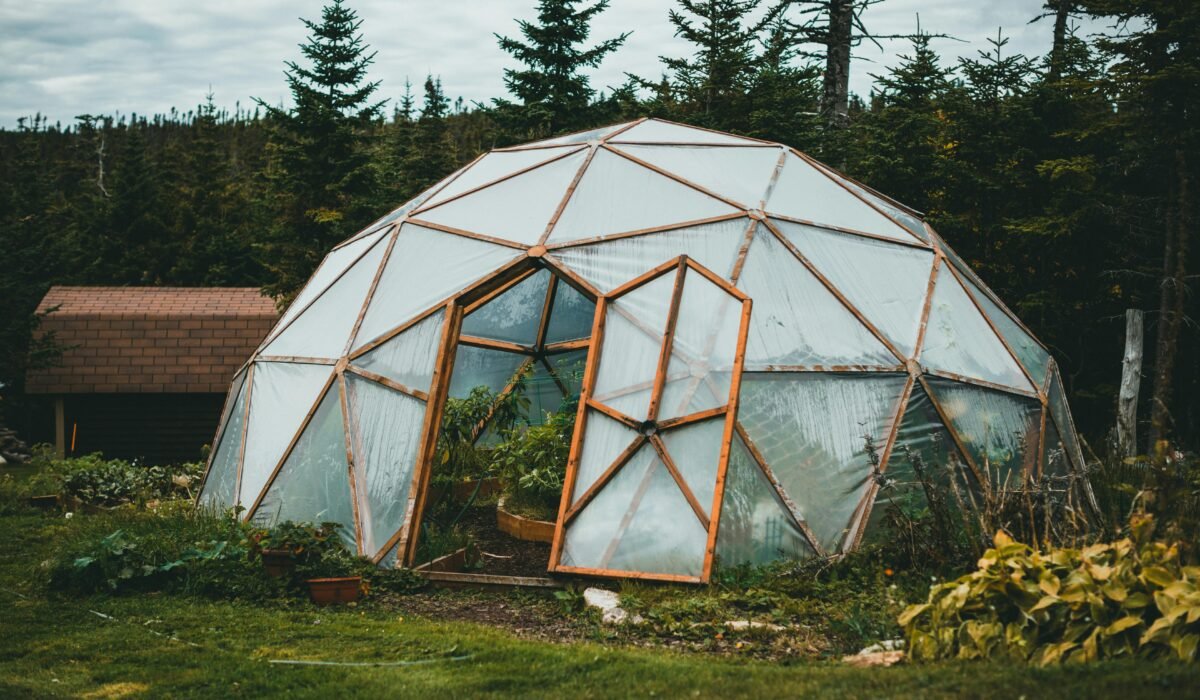
- Geodesic Dome Greenhouses: While more complex to build, geodesic domes offer exceptional strength, maximize sunlight exposure, and promote excellent airflow. They are particularly well-suited for areas with high winds or heavy snow loads.
Essential Greenhouse Materials List
Your choice of materials will significantly impact your greenhouse’s durability, insulation, and overall cost. Consider these common options for your DIY greenhouse plans:
- Framing:
- Wood: Cedar or redwood resists rot, offering a natural and sturdy frame. Pressure-treated lumber is also an option but requires sealing to prevent chemical leaching.
- PVC Pipe: Inexpensive and easy to work with, perfect for hoop houses.
- Metal (Galvanized Steel or Aluminum): Highly durable and long-lasting, often found in kits or for more permanent structures.
- Glazing (Covering):
- Polyethylene Film: The most affordable option, commonly used for PVC hoop houses. It’s lightweight but typically needs replacement every few years.
- Polycarbonate Panels: Excellent for a polycarbonate greenhouse build, these are durable, shatter-resistant, and offer good insulation. They come in twin-wall or multi-wall varieties, with twin-wall being particularly popular for its balance of cost and performance. In fact, the plastic greenhouse segment, largely driven by polycarbonate, held over 57% market share in the U.S. in 2023 due to lower installation costs compared to glass, according to Grand View Research.
- Glass: Offers superior light transmission and aesthetics but is the most expensive, fragile, and least insulating unless double-paned. Repurposed windows can be a cost-effective way to use glass.
As landscape architect Michael Clarke advises, “Picking the right greenhouse really depends on a few things—how much experience you have, where you live, and what you want to grow.” For beginners, a simple freestanding greenhouse with good insulation is often a great starting point.
How to Build Your DIY Greenhouse: A Step-by-Step Guide
Now that you’ve envisioned your design and gathered your materials, it’s time to roll up your sleeves and learn how to build your DIY greenhouse. This process can be incredibly rewarding, offering a hands-on connection to your future garden.
- Choose and Prepare Your Site: Select a level spot with maximum sun exposure, ideally facing south. Ensure good drainage to prevent waterlogging. Clear any debris and mark out your greenhouse footprint.
- Lay the Foundation: A solid foundation is crucial for stability. Options range from simple treated lumber base frames directly on the ground (for smaller, temporary structures) to concrete footings or a gravel base for larger, more permanent greenhouses. This step ensures your structure remains stable through all seasons.
- Construct the Frame: Follow your chosen DIY greenhouse plans.
- For PVC Hoop Houses: Secure rebar stakes into the ground, then bend PVC pipes over them to form arches, securing them to a base frame. Add purlins (horizontal supports) for rigidity.
- For Wood or Metal Frames: Assemble walls, roof trusses, and door frames according to your blueprints, using appropriate fasteners. Ensure all connections are square and plumb for structural integrity.
- Install the Glazing: This is where your greenhouse takes shape.
- Polyethylene Film: Stretch the film tightly over the frame, securing it with batten tape or clips. Double-layering with an air gap can provide extra insulation.
- Polycarbonate Panels: Cut panels to size and attach them to the frame using specialized screws with neoprene washers or retainer strips. Overlap edges correctly to prevent leaks.
- Repurposed Windows: Screw window frames directly to your wooden frame, sealing gaps with caulk or weather stripping to prevent drafts.
- Add Ventilation: Essential for climate control, install vents at both the top (ridge vent) and bottom (side vents) to create a chimney effect for airflow. Manual or automatic vent openers are available.
- Install a Door: Build or purchase a sturdy door that seals well to prevent heat loss or gain. Consider a wide door for easy access with wheelbarrows.
- Internal Setup: Once the structure is complete, plan your interior. Install shelving, raised beds, or hanging baskets. Consider pathways for easy movement and access to plants.
What most people miss during construction is the importance of sealing every gap. Even tiny cracks can lead to significant heat loss in winter or pest intrusion, compromising your year-round growing environment.
What is the Cheapest Way to Build a Year-Round Greenhouse?
The short answer is that the cheapest way to build a year-round greenhouse often involves a combination of smart design choices and resourceful material sourcing. Many aspiring gardeners want to know how much a DIY greenhouse costs, and while it varies widely, opting for a budget DIY greenhouse can significantly reduce upfront expenses.
PVC hoop houses are consistently ranked as the most economical option. Their simple construction and use of readily available, inexpensive materials like PVC pipe and polyethylene sheeting make them accessible for almost any budget. You can often find DIY greenhouse plans free online that detail how to construct these structures for just a few hundred dollars.
Another excellent strategy for budget greenhouse ideas is to repurpose materials. Utilizing old windows, doors, or even salvaged lumber can drastically cut costs. Many successful projects, like those showcased on ‘Hometalk,’ demonstrate how charming and functional greenhouses can be built almost entirely from reclaimed items. While these materials might require more effort to prepare and assemble, the savings are substantial.
In practice, the long-term operational costs (heating, cooling) also factor into the “cheapest” equation. A well-insulated, even if slightly more expensive initially, greenhouse will save money on energy bills over time. For example, while glass offers beauty, polycarbonate is often a more cost-effective choice for its durability and better insulation properties, making it a smart investment for a year-round vegetable greenhouse.
Mastering Year-Round Climate Control in Your DIY Greenhouse
Achieving optimal year-round growing conditions in your DIY greenhouse is paramount, especially when dealing with diverse climates. Effective greenhouse climate control ensures your plants thrive, regardless of external temperatures. As Michael Clarke rightly emphasizes, “Insulation and good ventilation are key for year-round gardening.”
Heating Your DIY Greenhouse in Winter
To heat a DIY greenhouse in winter, consider several strategies:
- Passive Solar Heating: Utilize thermal mass. Dark-colored water barrels or rocks inside the greenhouse absorb solar energy during the day and slowly release it at night.
- Compost Heaps: A well-managed compost pile generates heat as it breaks down organic matter, offering a natural, sustainable heat source.
- Electric Heaters: For colder climates, thermostatically controlled electric heaters can provide supplemental heat. Look for models designed for greenhouses that can handle humidity.
- Propane/Natural Gas Heaters: More powerful options for larger greenhouses, but require proper ventilation to prevent CO2 buildup.
Proper insulation is your first line of defense against cold. Double-layering polyethylene film with an air gap, or using multi-wall polycarbonate panels, significantly reduces heat loss. Sealing all cracks and ensuring a tight-fitting door are also critical.
Cooling and Ventilation for Summer
Preventing overheating is just as important as heating. Effective ventilation is crucial for greenhouse climate control DIY efforts:
- Ridge and Side Vents: Install vents at the highest point (ridge) and along the sides to allow hot air to escape and cooler air to enter. Automatic vent openers are a game-changer here, opening and closing based on temperature.
- Circulation Fans: Internal fans help move air around, preventing hot spots and improving plant health.
- Shade Cloth: During intense summer sun, a shade cloth draped over the greenhouse exterior can reduce heat buildup and prevent scorching.
- Evaporative Coolers: In dry climates, a “swamp cooler” can effectively lower temperatures and increase humidity.
Controlling humidity is another vital aspect, as UbiGro, a specialist in greenhouse films, highlights. High humidity can lead to fungal diseases, while low humidity can stress plants. Misting systems can increase humidity, while dehumidifiers or simply increasing ventilation can reduce it. For managing water efficiently, especially in a greenhouse environment, exploring sustainable irrigation methods can be highly beneficial.
Growing Vegetables Year-Round: Planting & Care in Your DIY Greenhouse
With your DIY greenhouse ready, the exciting part begins: cultivating a continuous harvest of fresh vegetables. Successful year-round vegetable growing requires strategic crop planning and attentive care, adapting to the unique environment you’ve created.
Strategic Crop Planning and Succession Planting
The key to continuous harvest is succession planting greenhouse crops. Instead of planting everything at once, sow small batches of seeds every few weeks. This ensures a staggered harvest, preventing gluts and keeping your pantry stocked. Consider these categories for your year-round growing:
- Cool-Season Crops (Winter/Early Spring): Spinach, lettuce, kale, Swiss chard, radishes, carrots. These thrive in cooler temperatures and lower light.
- Warm-Season Crops (Spring/Summer/Fall): Tomatoes, peppers, cucumbers, beans, eggplant. These need more heat and light, which your greenhouse can provide even when outdoor conditions are unfavorable.
- Herbs: Many herbs like basil, parsley, and cilantro can be grown year-round, offering fresh flavor for your cooking.
Alexia Leeser, Home Horticulture and Master Gardener coordinator, stresses the importance of “right plant, right place.” This means understanding each plant’s specific needs for light, temperature, and humidity, and placing them accordingly within your greenhouse’s microclimates.
Essential Care Tips for Year-Round Yields
Consistent care is critical for maximizing your yields:
- Watering: Greenhouse plants often need more frequent watering than outdoor plants due to higher temperatures. Use a moisture meter to guide your watering schedule, and consider a drip irrigation system for efficiency.
- Fertilization: Regular feeding with balanced organic fertilizers is essential, as nutrients can deplete faster in containerized or raised bed environments.
- Pest and Disease Management: Greenhouses can create ideal conditions for pests. Regularly inspect plants for signs of trouble. Employ companion planting, beneficial insects, and organic pest control methods. Early detection is key; learn how to solve thrips infestations before they spread.
- Pollination: For fruiting plants like tomatoes and peppers, manual pollination (gently shaking plants or using a small brush) may be necessary if natural pollinators aren’t present.
- Pruning and Training: Prune regularly to improve air circulation and direct plant energy into fruit production. Trellising vegetables like tomatoes and cucumbers maximizes space and yield in a confined greenhouse environment.
- Seedling Health: Be vigilant about environmental conditions for young plants; understanding how to prevent damping-off in seedlings is crucial for successful starts.
One genuine insight is that the intense light and warmth in a greenhouse can sometimes lead to nutrient deficiencies if you’re not consistently amending your soil or feeding your plants. They’re working harder, growing faster, and thus consuming more resources.
Integrating Smart Features into Your DIY Greenhouse
Elevate your DIY greenhouse from a simple structure to an intelligent growing environment by integrating affordable smart technologies. The adoption of smart greenhouse technology surged by 36%, driven by demand for automated irrigation and temperature control systems, reflecting a clear trend towards more efficient and hands-off gardening.
These smart features don’t require complex, expensive systems; many can be implemented with readily available DIY components:
- Automated Vent Openers: Thermally activated vent openers use wax cylinders that expand and contract with temperature changes, automatically opening and closing vents without electricity. This is a fundamental step towards smart greenhouse technology and year-round vegetable growing.
- Solar-Powered Fans: Small solar panels can power exhaust fans, providing cost-effective ventilation during sunny days, especially when you’re not around to manually open vents.
- Temperature and Humidity Sensors: Affordable Wi-Fi enabled sensors (e.g., from brands like Govee or AcuRite) can send real-time data to your smartphone, allowing you to monitor conditions remotely. This enables you to make informed decisions about heating, cooling, or humidity adjustments.
- Smart Irrigation Controllers: Connect a smart timer to your watering system. These can be programmed via an app, some even adjusting watering schedules based on local weather forecasts or soil moisture sensors. This is a great way to optimize your sustainable irrigation methods within the greenhouse.
- Smart Plugs: Use smart plugs to control electric heaters, circulation fans, or grow lights remotely. You can schedule them to turn on/off at specific times or trigger them based on sensor readings.
The beauty of integrating smart features into your DIY greenhouse is the increased efficiency and reduced manual labor. It means you can go on vacation without worrying about your plants overheating or drying out, making your year-round vegetable greenhouse truly a hands-off oasis.
Frequently Asked Questions
What is the cheapest way to build a year-round greenhouse?
The cheapest way to build a year-round greenhouse typically involves constructing a PVC hoop house with polyethylene sheeting or repurposing old windows and doors. These methods significantly reduce material costs, making a functional greenhouse accessible on a tight budget. Focusing on passive heating strategies like thermal mass and ensuring good insulation also helps keep long-term operational costs down.
What is the best material for a DIY greenhouse?
The best material for a DIY greenhouse largely depends on your budget, desired durability, and insulation needs. For glazing, polycarbonate panels are highly recommended due to their excellent balance of durability, shatter-resistance, and insulation properties, often outperforming glass for DIY builds. For framing, treated lumber offers a sturdy and relatively affordable option, while PVC is ideal for very low-cost hoop houses.
How much does a DIY greenhouse cost?
The cost of a DIY greenhouse can vary dramatically, ranging from a few hundred dollars for a basic PVC hoop house using repurposed materials to several thousand for a larger, more robust wood-framed structure with polycarbonate panels. Factors like size, material choices, foundation type, and integrated climate control features all influence the final price. A 100-200 square foot food garden can feed one person year-round, making the investment worthwhile.
How do you grow vegetables year-round in a greenhouse?
To grow vegetables year-round in a greenhouse, you must master climate control, including heating, cooling, and ventilation, to maintain optimal temperatures and humidity. Implement succession planting to ensure a continuous harvest, regularly fertilize, and actively manage pests and diseases. Selecting the right crops for each season and understanding their specific needs is also crucial for success.
Building your own DIY greenhouse is more than just a construction project; it’s an investment in sustainable living, fresh food, and endless gardening enjoyment. By carefully planning your design, selecting appropriate materials, and implementing smart climate control strategies, you can achieve a thriving year-round vegetable greenhouse. Start planning your build today and unlock the incredible potential of your backyard garden!