As the chill of autumn deepens, mastering the art of winterizing terrace garden plants becomes essential for any dedicated urban gardener. You’ve invested time and effort into cultivating your green oasis, and the thought of losing your beloved plants to the cold is disheartening. This comprehensive guide will equip you with smart, sustainable strategies to protect your potted treasures, ensuring they not only survive but thrive come spring.
What is Winterization and Why Do Terrace Garden Plants Need It?
Winterization refers to the process of preparing your garden, specifically your container plants, to withstand the harsh conditions of winter. This proactive approach is crucial because potted plant protection is inherently more challenging than safeguarding in-ground plants.
The roots of above-ground container plants are significantly more vulnerable to cold temperatures, often becoming the same temperature as the winter air, unlike their in-ground counterparts which benefit from the insulating properties of surrounding soil, as consistently advised by University Extension Services like Penn State Extension. This increased exposure leads to faster cooling and a greater risk of frost damage prevention.
A major threat is desiccation, where plants die from lack of moisture because their frozen roots cannot absorb water, even if the air isn’t extremely cold. Gardening expert Sean from The Gardener’s Center highlights that “it’s the water in the soil that freezes,” leading to this critical moisture deprivation. Furthermore, the “freeze-thaw yo-yo” effect can cause frost heave, pushing plants out of their pots and exposing delicate roots to further damage.
How to Identify and Leverage Your Terrace’s Microclimates for Plant Protection
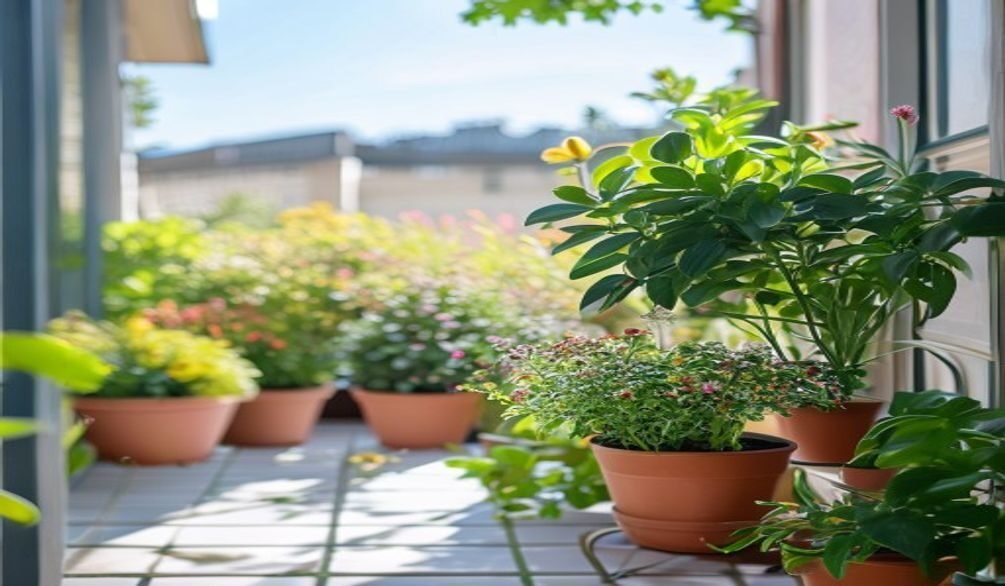
One of the smartest strategies for urban garden winterization involves understanding and utilizing your terrace’s unique microclimates. What most people miss is that even a small balcony or patio has varying zones of warmth, wind protection, and sun exposure.
Mapping Your Terrace’s Microclimates
Start by observing your terrace throughout the day, especially as temperatures drop. Identify areas that receive more direct sunlight, are sheltered from prevailing winds, or benefit from heat radiating off a building wall. These spots are natural havens for your plants.
For example, a corner against a south-facing brick wall will likely be significantly warmer and less windy than an open railing on the north side. This granular understanding allows you to strategically place your plants for optimal microclimate gardening, rather than applying a one-size-fits-all approach.
Utilizing Natural Shelter
Once you’ve mapped your microclimates, leverage them. Group tender plants against the warmest, most sheltered walls, especially those that retain heat from the sun. Tall, evergreen plants can serve as natural windbreaks for smaller, more delicate specimens.
Consider temporary structures like shelving units or even patio furniture to create additional wind barriers. This thoughtful arrangement significantly boosts your balcony garden winter protection without needing extensive commercial solutions.
Essential Steps to Prepare Your Potted Plants for Winter
Proactive preparation is key to successful overwintering container plants. Before the deep cold sets in, a few crucial steps can dramatically increase your plants’ chances of survival.
Pre-Winter Watering and Feeding
One critical step is to water your plants thoroughly before a freeze. Well-hydrated soil absorbs and radiates heat more effectively than dry soil, providing a buffer against cold temperatures, as noted by Mississippi State University Extension Service. However, reduce fertilizing in late fall to discourage new, tender growth that would be easily damaged by frost.
For broadleaf evergreens, consider using an anti-desiccant spray like Wilt-Pruf. These products create a protective coating on leaves, reducing moisture loss during winter, which is particularly helpful when roots might struggle to absorb water from frozen soil.
Pruning and Pest Checks
Lightly prune any dead or diseased foliage to reduce potential overwintering sites for pests and diseases. Avoid heavy pruning until spring, as some existing growth can offer a degree of self-protection.
Before moving any plants or applying covers, meticulously check for pests. A small infestation can quickly become a big problem in the confined, often warmer, conditions under covers or indoors. Addressing issues now prevents larger headaches later.
Sustainable & DIY Solutions for Winterizing Terrace Garden Plants
Embracing sustainable plant winterization doesn’t just save money; it’s also kinder to the environment. Many effective solutions can be crafted from readily available or upcycled materials, proving that you don’t need expensive gear for robust DIY plant frost protection.
Here are some creative and budget-friendly ideas for DIY plant covers and insulation:
- Burlap Wraps: Old burlap sacks, like those used for onions or coffee beans, can be repurposed to wrap pots or even entire small shrubs. Burlap is breathable, provides excellent insulation, and protects against windburn.
- Cardboard Box Cloches: For individual small plants, an inverted cardboard box can offer temporary protection during a short cold snap. Just remember to remove it during the day to allow for light and air.
- Bubble Wrap Insulation: Wrap the sides of your pots with several layers of bubble wrap for effective container plant insulation. Secure it with twine or tape. This creates an air barrier, preventing the soil from freezing as quickly.
- Old Blankets or Sheets: For unexpected frost, draping old blankets, sheets, or even towels over plants can provide immediate, temporary warmth. Make sure they don’t touch the foliage directly if possible, using stakes for support.
- Mulch Layers: A thick layer (2-4 inches) of straw, wood chips, or shredded leaves on top of the soil in your pots acts as a fantastic insulator for roots. This also helps mitigate the effects of the freeze-thaw cycle.
The beauty of these solutions lies in their adaptability and minimal environmental impact. Often, the best protection is found in simple, clever applications of everyday items.
Top Commercial Products for Protecting Plants from Cold
While DIY solutions are excellent, commercial products offer convenience, durability, and specialized protection for winterizing terrace garden plants. Investing in the best plant covers for winter can provide peace of mind and superior results.
- Horticultural Fleece/Frost Jackets: These lightweight, breathable fabrics are incredibly popular and effective. Products like Valibe Floating Row Cover or ready-made “frost jackets” from brands like Aqueenly and SUNPRO allow light and moisture through while trapping heat. They are ideal for draping over plants or creating temporary shelters.
- Cloches: Traditional bell-shaped covers, whether glass or plastic, excel at protecting individual precious plants. They create a mini-greenhouse effect, shielding delicate foliage. SMUJU Garden Cloche Plant Protectors are a reusable plastic option for focused protection.
- Planket Plant Frost Protection Cover Kits: A trusted name in plant protection, Planket offers inexpensive, easy-to-use covers in various sizes (e.g., 10′ x 12′, 10′ x 20′). Made from durable, lightweight material, they often include grommets and stakes for secure installation.
- Garden Tunnel Hoop Kits: For rows of plants or multiple smaller pots, systems like the FuBegi Garden Tunnel Hoop Kit provide an all-in-one solution. These kits include flexible fiberglass hoops, connectors, and clips to create a sturdy mini-greenhouse structure, often with thicker fabric for enhanced warmth.
- Pot Insulators: Beyond wrapping pots, specialized pot insulators made from materials like styrofoam or composite fibers can be slipped around your existing containers, providing a dedicated layer of container plant insulation.
When selecting commercial products, consider the size of your plants, the severity of your winter, and the level of protection required. Many products are reusable, making them a worthwhile long-term investment for your urban oasis.
Protecting Terrace Garden Plants Without Moving Them Indoors
For many terrace gardeners, bringing every plant indoors simply isn’t an option due to space constraints or plant size. Fortunately, several effective strategies allow you to provide robust balcony plant winter care right where they are.
The core principle for overwintering outdoor plants is to insulate and shield. Start by grouping your pots tightly together. This creates a collective microclimate, where the plants can share residual heat, and the outer layer of pots protects the inner ones from direct wind and cold. Place the grouped pots against a warm, south-facing wall if possible.
Insulate individual pots by wrapping them with burlap, bubble wrap, or even old towels, paying special attention to the sides and bottom. You can also elevate pots on bricks or pot feet to prevent direct contact with a freezing patio surface. Finally, utilize winter plant covers like horticultural fleece or even large cardboard boxes during severe cold snaps. Remember, the goal is to create a protective barrier that minimizes direct exposure to freezing air and wind, which are the primary culprits of cold damage.
Post-Winter Care: Reviving Your Terrace Plants After Cold Damage
Even with the best efforts in winterizing terrace garden plants, some cold damage can occur. The key is knowing how to assess the damage and implement appropriate post-winter plant care for a strong spring revival.
Assessing Winter Damage
Patience is crucial in early spring. Don’t rush to prune or declare a plant dead. Wait until the threat of frost has completely passed and new growth begins to emerge. Look for discolored, shriveled, or mushy stems and leaves. Scratch a small area on a stem; if it’s green underneath, the plant is likely still alive. If it’s brown and dry, that section is dead.
Remember that the “freeze-thaw yo-yo” effect can be particularly damaging, causing roots to be pushed out of the soil. Check if any plants have been lifted from their pots and gently re-seat them, adding more soil if necessary.
Recovery Strategies
Once you can definitively identify dead material, prune it back to healthy wood. This encourages new growth and prevents disease. For plants with significant root damage, consider repotting into fresh soil, especially if the pot’s drainage was compromised over winter. Avoid heavy fertilization immediately; focus on consistent, moderate watering as the plant recovers.
The short answer is that some plants, like boxwoods in containers in certain climates, only have a “50/50 chance” of making it through winter, as noted by Sean from The Gardener’s Center. Be prepared to replace severely damaged plants, viewing it as a learning opportunity for future winterization efforts.
When to Cover Plants and What Temperatures are Dangerous?
Knowing precisely is critical for effective protection. Timing is everything, and acting too early or too late can diminish your efforts.
Generally, you should start thinking about covering plants before the first hard frost hits, as advised by Jack Sutcliffe, Co-founder of Power Sheds. It’s beneficial to protect more delicate plants when temperatures are forecast to drop below freezing (32°F / 0°C) or when extreme cold weather is anticipated.
The specific temperatures that are dangerous vary by plant type. Most plants typically freeze when temperatures remain at 28°F (-2.2°C) for five hours. However, tender seedlings can be damaged at 32-33°F (0-0.5°C), and some tropical plants may suffer at 40°F (4.4°C) or even 35°F (1.7°C). Always check the specific cold hardiness of your plants and monitor local weather forecasts closely.
The short answer is to cover tender plants when temperatures are expected to drop below freezing, especially for prolonged periods, and be extra cautious with tropical varieties even at slightly warmer temperatures. This proactive approach ensures your winterizing terrace garden plants efforts are well-timed and effective.
Frequently Asked Questions
How do you protect potted plants on a balcony in winter?
To protect potted plants on a balcony, group them tightly together against a sheltered, warm wall to create a collective microclimate. Insulate individual pots by wrapping them with bubble wrap or burlap, and cover the foliage with horticultural fleece or old blankets during cold snaps, ensuring the covers don’t directly touch the leaves.
How do you prepare outdoor pots for winter?
Prepare outdoor pots by thoroughly watering plants before a freeze to help soil retain heat, and reduce fertilization. Insulate the pots themselves with materials like bubble wrap or straw, and consider elevating them off cold surfaces. For empty pots, ensure they are clean and dry, then store them inverted to prevent cracking from freezing water.
How do you winterize a small garden?
Winterize a small garden by first identifying and leveraging microclimates, grouping plants for mutual protection, and applying thick layers of mulch to pots. Utilize DIY covers like burlap or old sheets for tender plants, or invest in commercial frost blankets. For any irrigation systems, be sure to drain them to prevent freezing and bursting pipes, as landscape design expert Amber Freda emphasizes.
How do you protect plants from cold weather without bringing them inside?
Protect plants from cold weather outdoors by grouping them closely, insulating their pots with materials like bubble wrap or straw, and covering them with horticultural fleece or cloches. Place them in naturally sheltered areas of your terrace, such as against a warm building wall, and ensure the soil is well-watered before a freeze to help it radiate warmth.
Successfully winterizing terrace garden plants is a rewarding challenge that extends the life of your urban oasis. By understanding your terrace’s unique microclimates, adopting smart preparation steps, and choosing between sustainable DIY or effective commercial solutions, you empower your plants to endure the harshest cold. Implement these strategies now, and you’ll be well on your way to enjoying a vibrant, healthy garden that springs back to life with renewed vigor, ready for the next growing season.