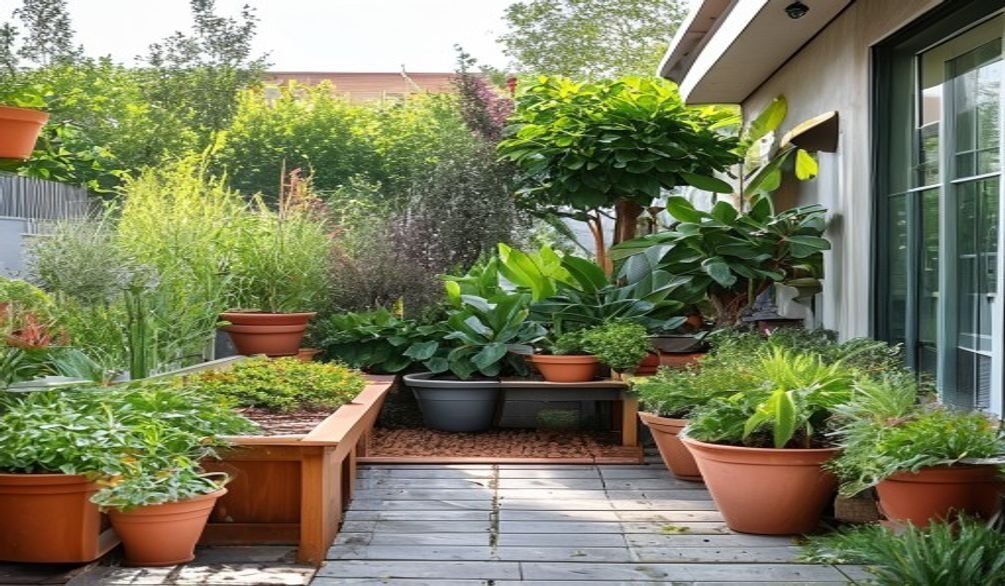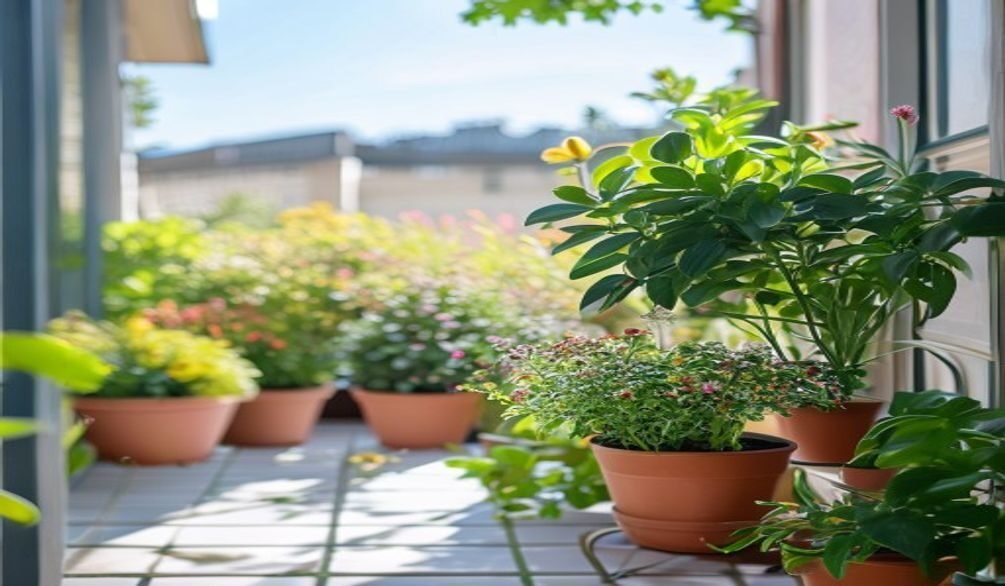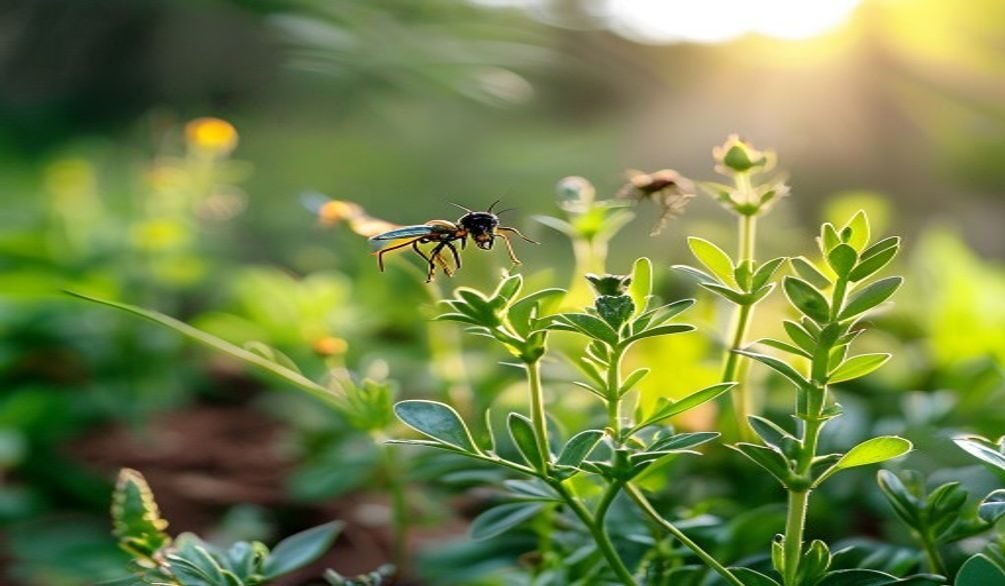
Are you dreaming of fresh, aromatic herbs right outside your door, even in a compact urban space? Choosing the best herbs for terrace garden success can transform your small outdoor area into a vibrant, edible oasis, but knowing where to start is key to avoiding disappointment.
This comprehensive guide will walk you through selecting the ideal herbs for your unique terrace environment, mastering essential care techniques, and even tackling common urban gardening challenges, ensuring your balcony herb garden thrives year-round.
What are the best herbs for your terrace garden?
When curating your urban gardening herbs, the most successful choices are those that adapt well to containers and varying conditions. The short answer is to prioritize herbs you’ll actually use, but also consider their resilience to the unique microclimates of a balcony or terrace.
Many culinary herbs balcony growers love are naturally suited to pots because they originated in Mediterranean climates, thriving in well-drained soil and plenty of sun, as noted by landscape designer Carson Arthur. Here are some top picks for your small space herb garden ideas:
Easy-to-Grow Herbs for Beginners
- Basil (Ocimum basilicum): A quintessential culinary herb, basil loves warmth and sunshine. Opt for compact varieties like ‘Petite’, ‘Dwarf’, or ‘Bouquet’ for container gardening herbs, or explore Lemon and Thai basil for diverse flavors.
- Mint (Mentha spp.): Mint is incredibly vigorous and almost requires its own pot to prevent it from taking over. Its adaptability makes it an excellent choice for small spaces, and there are many delicious varieties like spearmint, peppermint, and chocolate mint.
- Chives (Allium schoenoprasum): These oniony delights are resilient perennials that grow well in pots and provide fresh flavor from early spring to late fall. They’re also relatively forgiving of inconsistent watering.
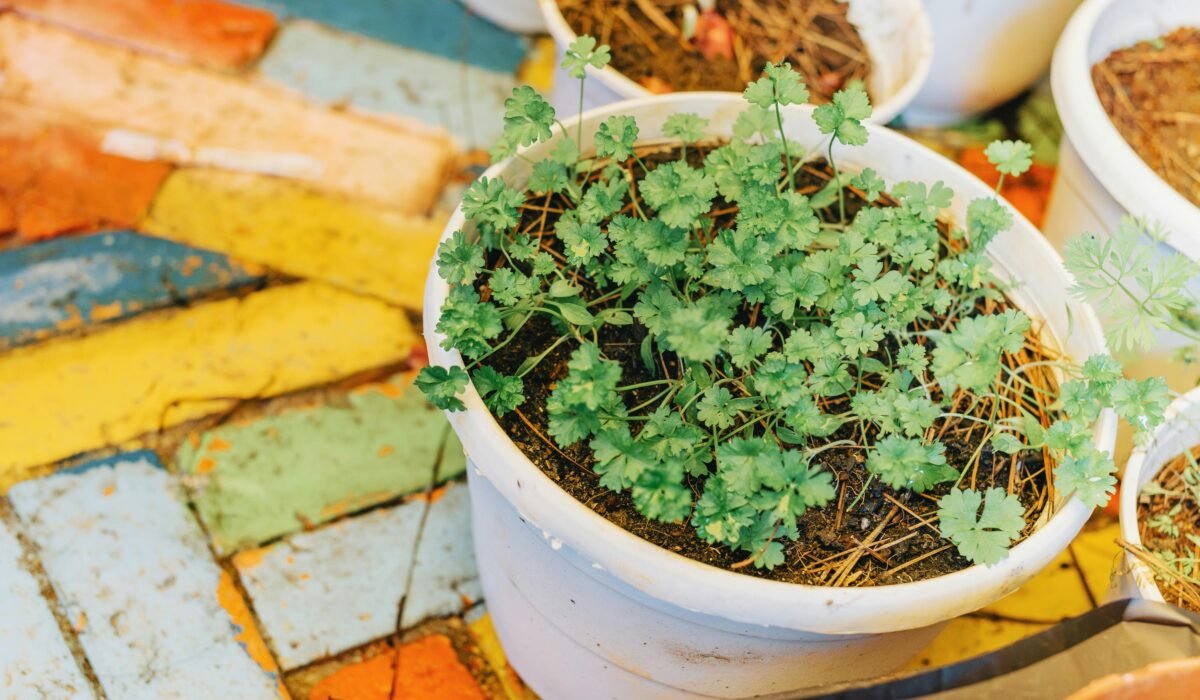
- Parsley (Petroselinum crispum): Both flat-leaf and curly parsley thrive in containers, preferring consistent moisture and a bit of afternoon shade in hot climates. They’re heavy feeders, so a good potting mix is key.
Drought-Tolerant & Sun-Loving Herbs
For terraces with intense sun exposure, especially in urban environments where heat reflection is common, drought tolerant herbs are a smart choice. These herbs often hail from arid regions and can withstand drier conditions once established.
- Rosemary (Salvia rosmarinus): This fragrant woody herb loves full sun and well-drained soil. Cascading varieties are particularly attractive in pots, spilling over the edges.
- Thyme (Thymus vulgaris): With its tiny leaves and earthy aroma, thyme is perfect for container gardening. Lemon thyme and creeping varieties are especially charming and require minimal watering.
- Oregano (Origanum vulgare): A robust perennial, oregano thrives in full sun and tolerates drier conditions. It’s excellent for cooking and spreads beautifully in a pot.
- Sage (Salvia officinalis): Known for its velvety leaves and strong flavor, sage is another Mediterranean herb that prefers plenty of sun and doesn’t like wet feet.
Mark Cullen, an expert gardener, reminds us that “Herbs are wonderful because the plants are forgiving, and you’re able to harvest from the plant over the whole season,” highlighting their amazing productivity for urban gardeners.
How do you start a herb garden on a balcony or terrace?
Embarking on a balcony herb garden adventure is simpler than you might think, even if you’re a complete novice. The process typically involves a few key steps: planning, choosing your plants, and getting them into their new homes.
Planning Your Small Space Herb Garden
First, assess your available space and sunlight. Observe how many hours of direct sunlight your terrace receives daily, as most herbs need at least 6 hours. Consider vertical gardening options or balcony trellis ideas to maximize limited square footage, which is a common strategy as urban farming continues to grow, with the market projected to reach USD 181.76 billion by 2030.
Think about the herbs you use most frequently in your cooking. Starting with herbs you genuinely enjoy ensures you’ll be motivated to care for them and utilize your harvest, making your efforts more rewarding.
Starting from Seeds, Seedlings, or Established Plants
You have a few options for acquiring your herbs:
- Seeds: This is the most economical option and offers the widest variety of choices. However, it requires patience and a good starting setup, including proper lighting if starting indoors.
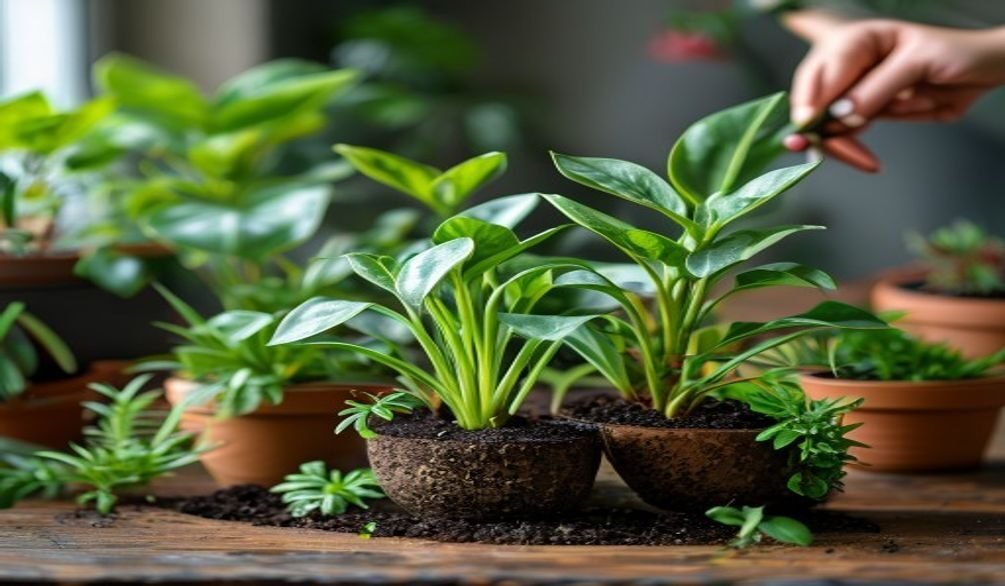
- Seedlings: Small plants purchased from a nursery or garden center are a great compromise. They’re past the delicate germination stage and will establish quickly.
- Established Plants: For instant gratification, buy mature herb plants. This is ideal for beginners and allows for immediate harvesting. Just ensure they are healthy and free of pests.
No matter your starting point, remember that the goal is to create a resilient and flavorful terrace herb garden that provides continuous yields.
Choosing the Right Containers, Soil, and Sunlight for Terrace Herbs
The success of growing herbs in pots hinges on providing them with the right environment from the start. This means careful selection of your containers, using appropriate potting mix for herbs, and understanding your terrace’s unique sunlight patterns.
Selecting Ideal Containers for Growing Herbs in Pots
Drainage is paramount for container gardening herbs; Illinois Extension emphasizes that all containers must have drainage holes. Terracotta pots are often recommended by experts like Jekka McVicar of Jekka’s Herbs because they “both breath and do not over heat in the sun,” preventing waterlogging and root rot. Plastic pots retain moisture longer, while glazed ceramic pots offer aesthetic appeal but can be heavier.
Consider container size carefully. While small pots are tempting for small space herb garden ideas, larger pots offer more soil volume, which means more consistent moisture and nutrients, reducing the need for frequent watering. Aim for pots at least 6-8 inches in diameter for individual herbs.
Self-watering herb planters are also an excellent solution for busy gardeners or those looking for more consistent moisture. Brands like Vego Garden, Glowpear, and EarthBox Junior offer innovative systems with built-in reservoirs, significantly reducing daily watering chores and providing steady moisture for optimal growth.
The Best Potting Mix for Herbs
Herbs generally prefer a well-draining, slightly gritty potting mix. Avoid heavy garden soil, which can compact in containers and suffocate roots. Jekka McVicar specifically recommends a “gritty, well-drained, peat-free, and loam-based compost for herbs in containers.”
A good quality organic potting mix designed for containers, often including perlite or vermiculite, will provide the necessary aeration and drainage. You can also amend standard potting mix with a handful of perlite or coarse sand for extra drainage, especially for drought tolerant herbs like rosemary and thyme.
Understanding Sunlight Requirements on Your Terrace
Most culinary herbs balcony gardens feature, especially those from Mediterranean regions, thrive in full sun, meaning at least 6-8 hours of direct sunlight per day. Basil, rosemary, thyme, oregano, and sage are prime examples.
However, some herbs, like parsley, mint, and cilantro, can benefit from a bit of afternoon shade in scorching climates to prevent bolting (going to seed prematurely) or scorching. Observe your terrace throughout the day to identify sunniest and shadier spots, positioning your plants accordingly.
Essential Care Tips for Thriving Terrace Herb Gardens
Once your herbs are happily potted, consistent care is crucial for a productive and healthy garden. These herb care tips are designed to keep your best herbs for terrace garden flourishing, even in challenging urban microclimates.
Watering Your Container Gardening Herbs
The most common mistake for container gardening herbs is improper watering. Herbs in pots dry out faster than those in the ground, so frequent checks are essential. Water when the top inch of soil feels dry to the touch.
Water thoroughly until you see water draining from the bottom of the pot. Avoid shallow watering, which encourages shallow root growth. While consistency is key, remember that drought tolerant herbs like rosemary and thyme prefer to dry out a bit between waterings, whereas basil and parsley like more consistent moisture.
Feeding and Fertilizing for Robust Growth
Herbs in containers use up nutrients in the potting mix faster than those in the ground. Jekka McVicar advises to “Feed on Fridays during the growing season” with a natural fertilizer like Maxicrop Liquid Seaweed. A balanced, organic liquid fertilizer applied every 2-4 weeks during the growing season will replenish nutrients without overfeeding.
Over-fertilizing can lead to lush leafy growth but diminished flavor, so always follow product instructions carefully. For a truly organic approach, consider adding a layer of compost to the top of your pots periodically.
Pinching and Pruning for Bushier Plants
Regular pinching and pruning are vital herb care tips for encouraging bushier growth and delaying bolting, especially for leafy herbs like basil and mint. When you see a stem developing flowers, pinch it off immediately to redirect the plant’s energy into producing more leaves.
As Master Gardener Pam Perry and Epic Gardening experts Kevin Espiritu and Lorin Nielsen recommend, “Just remember not to harvest more than ⅓ of a plant at any time. Allow time for the plant to grow back a bit. Occasional single-leaf harvesting can be done anytime.” This practice not only keeps your plants productive but also shapes them for better air circulation and appearance.
Which herbs are best for companion planting in containers?
Companion planting herbs in containers is a smart strategy for your balcony herb garden, optimizing space, deterring pests, and even enhancing growth. The trick is to group herbs with similar needs for sunlight, water, and soil type.
Grouping Herbs with Similar Needs
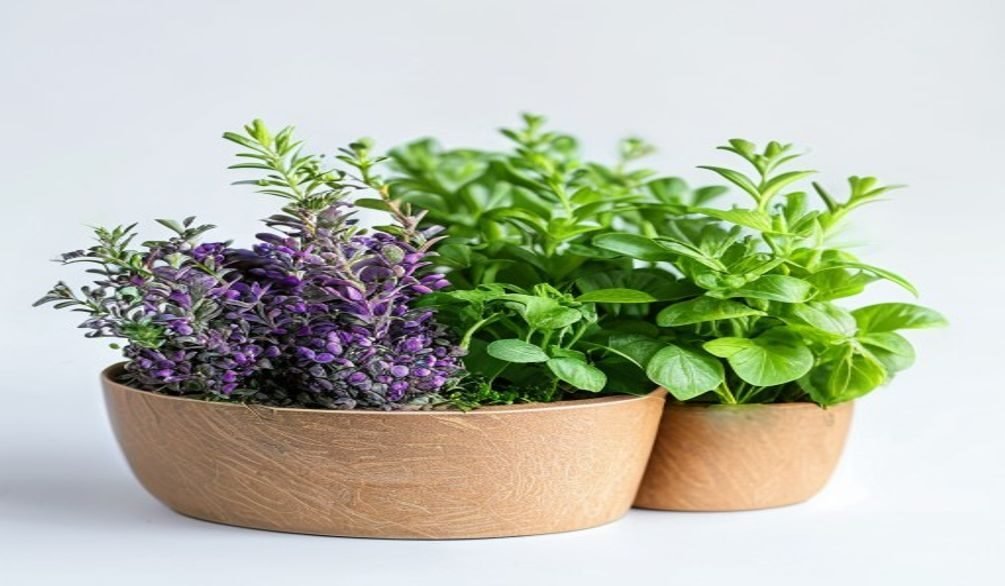
The most successful companion planting for container gardening herbs involves grouping plants that thrive under the same conditions. For example, Mediterranean herbs like rosemary, thyme, and oregano all prefer full sun and well-drained soil, making them excellent pot-mates. An 18-inch pot can successfully house these three together for years.
Conversely, avoid planting herbs with very different needs together. Mint, for instance, prefers more moisture and can be overly aggressive, often outcompeting other herbs in a shared container. It’s almost always best to give mint its own dedicated pot to prevent it from taking over.
Beneficial Pairings for Pest Deterrence and Growth
Beyond similar needs, some herbs offer specific benefits when planted together:
- Basil and Chamomile: Chamomile can enhance the growth and flavor of basil, while basil itself is thought to deter flies and mosquitoes, making it a natural choice for your urban gardening herbs.
- Rosemary and Sage: Both are drought tolerant herbs that love sun and sandy soil. Their strong aromas can also help deter common garden pests.
- Chives and Carrots (if space allows for small varieties): Chives can deter carrot rust flies, and their strong scent can confuse other pests.
- Marigolds (as an annual flower) and most herbs: Marigolds are famous for deterring nematodes and other soil-borne pests, making them a great addition to any container garden.
The key insight here is that you’re creating a miniature ecosystem. When choosing which herbs are best for companion planting in containers, think about how each plant contributes to the health and resilience of the entire container.
Maximizing Your Harvest: Pruning, Harvesting, and Overwintering Terrace Herbs
A truly productive terrace garden isn’t just about growing herbs; it’s about getting the most out of every plant, from peak flavor to year-round availability. This section focuses on essential techniques for a continuous, high-yield harvest and keeping your plants alive through colder months.
Optimal Harvesting Techniques for Peak Flavor
Knowing when and how to harvest your herbs makes a significant difference to their flavor and your plant’s longevity. For leafy herbs like basil, mint, and parsley, harvest leaves regularly by pinching off stems just above a leaf node. This encourages branching and prevents the plant from becoming leggy. For a more detailed guide, see How to Harvest Terrace Garden: When & How to Pick.
For woody herbs like rosemary, thyme, and oregano, snip off the tender new growth. Always harvest in the morning after the dew has dried but before the heat of the day, when essential oils are most concentrated, ensuring the best flavor for your culinary herbs balcony garden.
Pruning for Continuous Growth and Plant Health
Pruning is more than just harvesting; it’s about shaping your plants for health and productivity. Regularly remove any yellowing or diseased leaves to prevent the spread of problems. For herbs like basil, pinch off flower buds as soon as they appear to prevent bolting, which can make the leaves bitter.
In practice, consistent pruning keeps your plants compact and encourages a flush of new, flavorful growth. What most people miss is that a well-pruned plant has better air circulation, reducing the risk of fungal diseases.
Year-Round Care and Overwintering Herbs
Extending your harvest into the colder months requires strategic year-round herb care, especially for overwintering herbs. Tender perennials like basil are typically grown as annuals and will die with the first frost.
Hardier perennials like rosemary, thyme, sage, and oregano can often survive mild winters outdoors in pots if given some protection. This might involve moving pots to a more sheltered spot against a wall, wrapping containers in burlap or bubble wrap for insulation, or even bringing them indoors to a sunny window. For more on indoor care, explore Grow Organic Herbs Indoors: The Beginner’s Guide and Best Lighting for Indoor Herbs: Year-Round Success Guide.
The key is to reduce watering significantly for indoor herbs during winter and ensure they still receive adequate light, possibly supplemented with grow lights.
Solving Common Terrace Garden Challenges: Pests, Wind, and Heat
Terrace gardens, while rewarding, come with their own set of unique challenges that demand specific solutions. Addressing these urban microclimate issues proactively ensures the resilience and longevity of your best herbs for terrace garden.
Managing Pests in Confined Spaces
Pests can quickly become an issue in a confined balcony herb garden. Common culprits include aphids, spider mites, and whiteflies. The best defense is often a good offense: regularly inspect your plants, especially the undersides of leaves, for early signs of infestation.
For minor outbreaks, a strong spray of water can dislodge many pests. For more persistent issues, use insecticidal soap or neem oil, which are organic and safe for edible plants. Companion planting herbs that naturally deter pests, like marigolds or chives, can also help. For persistent problems, consult a guide on How to Get Rid of Mealybugs: Permanent Solutions or Pest Resistant Organic Garden Design: A Guide.
Protecting Herbs from Wind Exposure
Terraces and balconies are often exposed to strong winds, which can stress plants, dry out soil quickly, and even knock over pots. The solution involves strategic placement and physical barriers.
Position taller plants or those in lighter pots behind sturdier, heavier containers or against a protective wall. Consider installing a temporary windbreak, such as a trellis with climbing plants or a decorative screen, to reduce direct wind impact. Using heavier pots or filling the bottom with a layer of gravel (above the drainage hole) can also add stability.
Combating Intense Urban Heat Reflection
Urban environments often suffer from the “heat island effect,” where concrete and brick surfaces absorb and reflect heat, intensifying temperatures on your terrace. This can lead to scorched leaves and rapid soil drying for your urban gardening herbs.
To mitigate heat, consider placing plants in areas that receive afternoon shade, or use shade cloths during the hottest parts of the day. Using light-colored pots can help reflect heat away from roots, while mulching the top of your containers with a thin layer of straw or shredded leaves can keep soil temperatures cooler and conserve moisture. Self-watering herb planters, like the EarthBox Junior, also help maintain consistent moisture levels, which is crucial in high heat.
Frequently Asked Questions
What herbs grow well on a terrace?
Many herbs thrive on a terrace, especially those that appreciate full sun and good drainage. Popular choices include basil, mint, chives, parsley, rosemary, thyme, oregano, and sage, which are all excellent for container gardening herbs due to their adaptability to pots.
Which herbs are best for container gardening?
The best herbs for container gardening are typically those with moderate root systems that don’t mind confined spaces. Basil, mint (in its own pot), chives, parsley, rosemary, thyme, and oregano are among the top choices because they are easy herbs to grow in pots and adapt well to the specific conditions of a balcony herb garden.
How do you start a herb garden on a balcony?
To start a herb garden on a balcony, begin by assessing your sunlight and space. Choose appropriate containers with drainage holes and fill them with a quality potting mix for herbs. Plant healthy seedlings or established plants, ensuring they receive adequate sunlight and consistent watering, then follow essential herb care tips.
What herbs should not be planted together in a container?
Herbs with vastly different watering or growing requirements should not be planted together in a single container. Mint, for example, is notoriously aggressive and prefers more moisture than drought tolerant herbs like rosemary or thyme, making it unsuitable for shared pots.
Cultivating the best herbs for terrace garden success transforms your urban dwelling into a continuous source of fresh flavors and vibrant greenery. By carefully selecting resilient varieties, providing optimal container conditions, and mastering essential care and pest management strategies, you can enjoy a flourishing, high-yield herb garden.
Embrace the challenge of urban microclimates and watch your small space herb garden ideas flourish. Start planting your flavorful urban oasis today and savor the rewards of homegrown herbs!