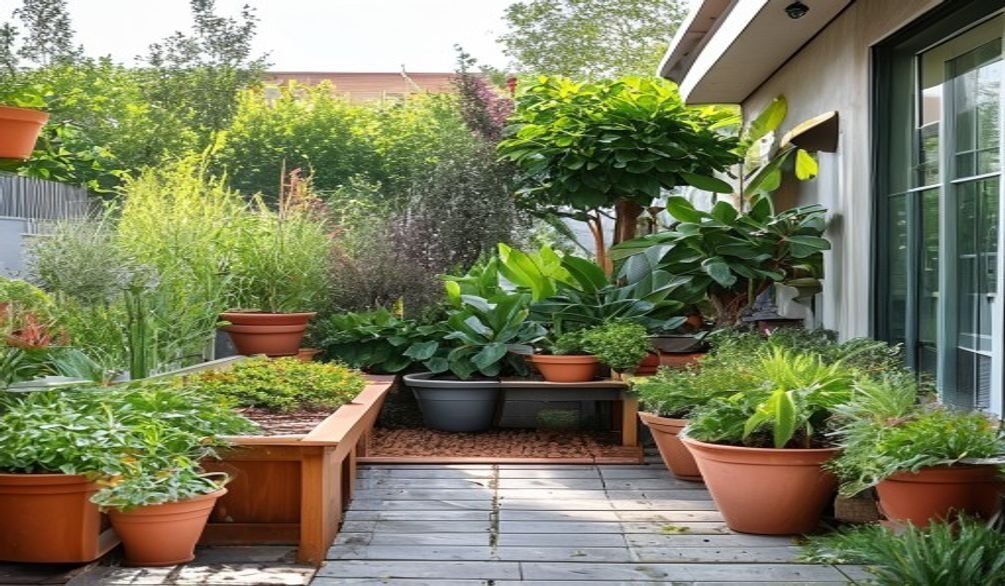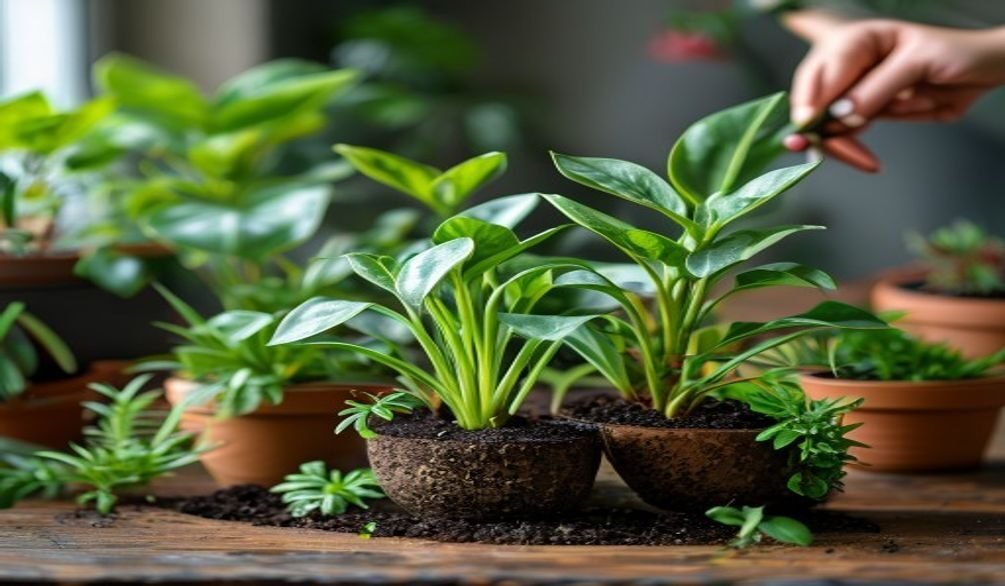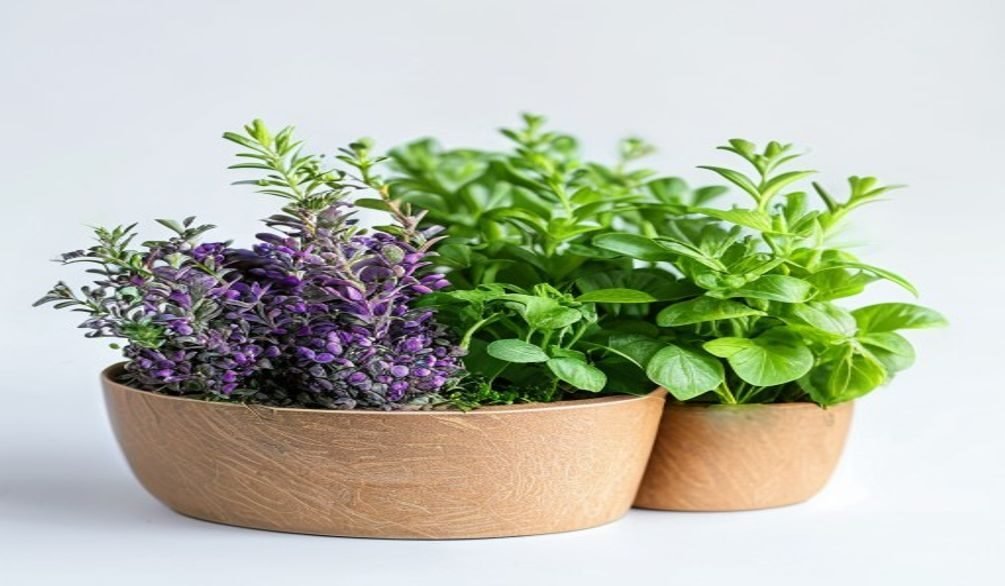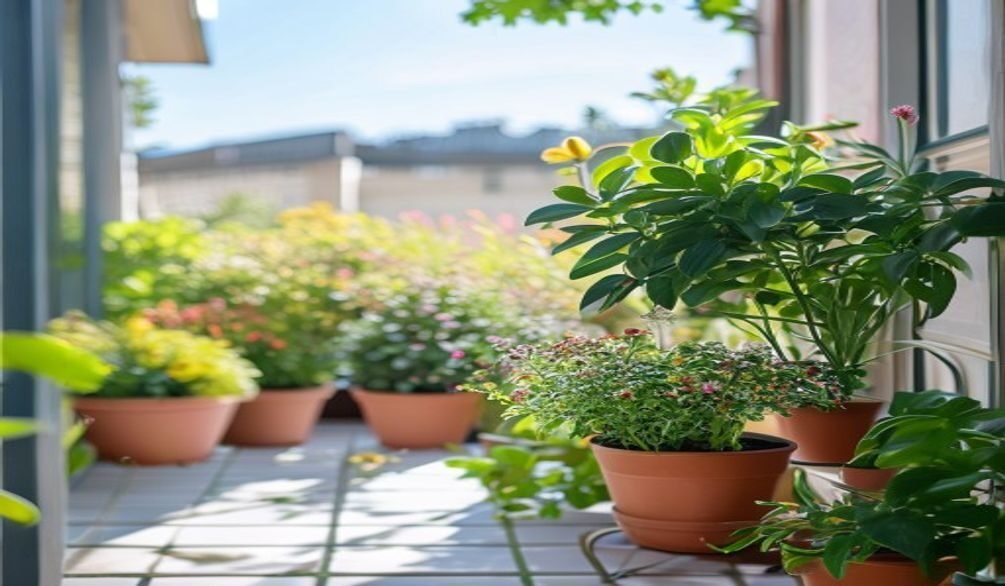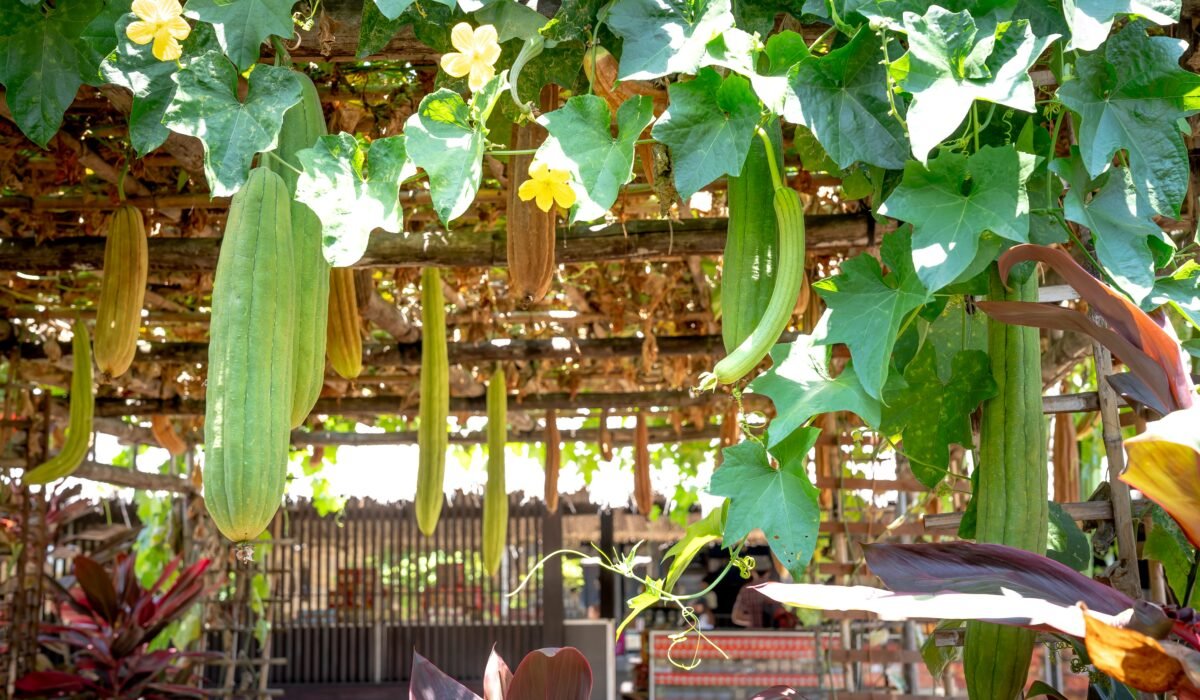
Having nurtured your container crops for weeks, the burning question becomes: How to Harvest Terrace Garden produce for the best flavor and maximum yield? Knowing precisely when and how to pick your homegrown bounty is the key to unlocking its full potential, ensuring delicious meals and encouraging your plants to keep producing. This guide will walk you through the essential timing, techniques, and strategies to make every harvest from your small space a success.
When is the Best Time to Harvest Your Terrace Garden?
Timing is everything when it comes to picking vegetables from containers and maximizing flavor. The ideal harvest window can be surprisingly short for some crops, so paying close attention to your plants is crucial. Picking at the right moment ensures peak taste and often encourages further production.
The short answer is: harvest when your produce reaches its mature size and shows clear signs of ripeness. This isn’t just about aesthetics; it’s about the plant’s biological cycle. For example, harvesting leafy greens before they bolt (go to seed) prevents bitterness, while picking tomatoes at their prime color ensures maximum sweetness.
Signs of Ripeness for Container Vegetables
Every plant has its unique cues. Observing these visual and tactile signals will help you know exactly when to pick vegetables from containers. Over-ripe produce can lose flavor and texture, while under-ripe items may never fully develop their desired characteristics.
Here are general guidelines for common terrace garden crops:
- Fruiting Vegetables (Tomatoes, Peppers, Cucumbers): Look for their characteristic mature color and firm but not hard texture. Tomatoes, for instance, should be uniformly colored and slightly soft to the touch. The best time to harvest tomatoes in pots is when they are fully red (or their mature color) and easily detach from the vine.
- Leafy Greens (Lettuce, Spinach, Kale): Harvest outer leaves when they reach a usable size, before they start to yellow or become tough. Avoid letting them bolt, which happens faster in warmer weather or smaller containers due to stress.
- Root Vegetables (Radishes, Carrots): Check the diameter of the root just below the soil line. Radishes are ready remarkably quickly, often in about 30 days from seed to harvest, as seen in many successful balcony gardens.
- Herbs: Pick leaves and stems before flowering for the best flavor. Frequent harvesting actually encourages bushier growth, making this a win-win for your how to harvest herbs on a balcony strategy.
How to Harvest Common Vegetables and Herbs in Your Terrace Garden
Proper technique is just as important as timing for a successful harvest and healthy plant regrowth. Using the right method prevents damage to the plant, reduces the risk of disease, and promotes continuous production. What most people miss is that a gentle hand and a sharp tool make all the difference.
Harvesting Fruiting Vegetables (Tomatoes, Peppers, Cucumbers)
When harvesting your terrace garden’s fruiting plants, always use a clean, sharp tool. This minimizes stress on the plant and prevents tearing.
- Tomatoes: Gently twist or cut the stem just above the calyx (the green leafy part) when the fruit is fully colored and firm. Avoid pulling, which can damage the vine.
- Peppers: Use shears or a sharp knife to cut the stem about an inch above the pepper. This prevents breaking branches, which are surprisingly brittle.
- Cucumbers: Cut the stem with a sharp knife or pruners, leaving a small stub attached to the fruit. Pick them when they are firm, green, and a good size for their variety, before they turn yellow.
Harvesting Leafy Greens and Root Vegetables
Harvesting leafy greens in small spaces often involves different techniques than fruiting plants. For root vegetables, gentle extraction is key.
- Lettuce, Spinach, Chard: Employ the “cut-and-come-again” method. Snip off outer leaves about an inch above the soil line, leaving the inner leaves to continue growing. This allows for multiple harvests from a single plant.
- Kale: Similar to lettuce, harvest outer, mature leaves from the bottom of the plant. Snip them cleanly at the stem. This method is excellent for continuous harvesting techniques and extending harvest season terrace garden efforts.
- Radishes, Carrots, Beets: Gently loosen the soil around the root with a trowel, then pull carefully from the base of the greens. For radishes, you can often feel their size just by touch through the soil.
How to Harvest Herbs on a Balcony
Herbs thrive on frequent harvesting, which encourages bushier growth and prevents them from flowering prematurely. Learning how to harvest herbs on a balcony correctly will ensure a steady supply.
- Basil, Mint, Oregano: Pinch or snip off the top few sets of leaves, just above a leaf node. This encourages the plant to branch out, creating a fuller, more productive plant.
- Rosemary, Thyme, Sage: Snip off sprigs as needed, making sure not to remove more than one-third of the plant at a time. These woody herbs benefit from regular trimming.
- Cilantro, Parsley: Harvest outer leaves and stems from the base of the plant. Regular cutting prevents bolting and keeps fresh foliage coming. Many gardeners successfully employ the “cut-and-come-again” method for various herbs to ensure multiple harvests throughout the season.
For more on quick-growing herbs, check out our guide on Fastest Growing Annual Herbs for Quick, Continuous Harvests.
Maximizing Yield: Continuous Harvesting Techniques for Small Spaces
The beauty of a terrace garden is its potential for ongoing production, even with limited square footage. Maximizing yield in limited space requires strategic planning and specific harvesting methods. The truth is, your small garden can produce far more than you think if you harvest smartly. Raised beds, for example, can increase yields by 25-30% per square meter, while square foot gardening can produce four times more per space.
Cut-and-Come-Again Strategy
This technique is a cornerstone for maximizing yields from leafy greens and many herbs. Instead of harvesting the entire plant, you selectively remove outer leaves or upper stems, allowing the plant to regenerate.
- Leafy Greens: As mentioned, snip outer leaves of lettuce, spinach, kale, and chard. This method means you get fresh greens for weeks from the same plant.
- Herbs: Basil, mint, and cilantro respond exceptionally well to this. Pinching back encourages new growth from the nodes below the cut.
Succession Planting for Extended Harvests
Succession planting ensures a continuous supply of your favorite crops. It means planting small batches of seeds or seedlings every 2-3 weeks, rather than planting everything at once. This is key for extending harvest season terrace garden efforts.
“There is nothing that is comparable to it, as satisfactory or as thrilling as gathering vegetables one has grown.” – Alice B. Toklas. This sentiment rings especially true when your garden provides a steady stream of fresh produce.
For example, plant a new small container of radishes every two weeks. Since radishes can be ready in 30 days, you’ll always have a fresh crop coming up as another finishes. This strategy is particularly effective for plants with shorter harvest windows.
Strategic Pruning and Training
For vining plants like cucumbers or indeterminate tomatoes, strategic pruning can redirect the plant’s energy into fruit production rather than excessive foliage. For container plants, this means removing suckers from tomatoes and training vines vertically to save space and promote air circulation. This helps the plant focus its limited resources in the container on ripening fruit. You can also explore methods to Maximize Organic Garden Yields in general.
Post-Harvest Handling: Storing & Preserving Your Small Terrace Garden Bounty
Once you’ve mastered how to harvest terrace garden produce, the next step is ensuring your hard work doesn’t go to waste. Proper post-harvest handling for small batches is crucial for maintaining freshness and extending shelf life. You don’t want those perfectly picked greens wilting an hour later!
Immediate Care After Harvest
The moments immediately after picking are vital for fresh produce.
- Clean Gently: Brush off any excess soil. Avoid washing leafy greens until just before use, as moisture can accelerate spoilage.
- Cool Quickly: Get your produce out of direct sunlight and into a cool environment as soon as possible. This slows down respiration and preserves freshness.
- Separate Damaged Produce: Remove any bruised or damaged items, as they can cause other produce to spoil faster.
Storing Homegrown Terrace Produce
Different types of produce require different storage conditions. Understanding these nuances will help you keep your small terrace garden bounty fresh for longer.
- Leafy Greens & Herbs: Wash, dry thoroughly, then store in an airtight container lined with a damp paper towel in the refrigerator. This method works wonders for storing homegrown terrace produce for up to a week. For herbs, you can also place stems in a jar of water on the counter, covered loosely with a plastic bag.
- Fruiting Vegetables: Tomatoes should generally be stored at room temperature, away from direct sunlight, until fully ripe. Once ripe, they can go into the fridge for a few days to extend their life. Peppers and cucumbers do best in the refrigerator’s crisper drawer.
- Root Vegetables: Store unwashed in a cool, dark, and humid place. If refrigerated, place them in a perforated plastic bag in the crisper drawer.
Small-Batch Preservation Techniques
Since terrace gardens often yield smaller, more frequent harvests, traditional large-scale preservation methods aren’t always practical. However, several techniques are perfect for small batches.
- Freezing Herbs: Chop herbs finely, mix with a little olive oil or water, and freeze in ice cube trays. Once frozen, transfer to freezer bags. This is excellent for basil, parsley, and cilantro.
- Quick Pickling: Small batches of cucumbers, radishes, or even green beans can be quickly pickled in jars, offering a tangy treat and extending their shelf life for several weeks in the refrigerator.
- Drying: Herbs like oregano, thyme, and rosemary can be easily air-dried in small bundles or using a food dehydrator, perfect for preserving the flavor of your harvest.
Overcoming Unique Challenges When Harvesting Terrace Gardens
Terrace gardens, while rewarding, come with their own set of environmental and logistical hurdles, especially when it’s time to harvest. Addressing these unique challenges is key to a successful harvest. What most urban gardeners overlook is how their specific environment impacts plant maturity.
Wind Exposure and Ripening
Elevated urban spaces are often exposed to more wind than ground-level gardens. This constant movement can stress plants, potentially affecting fruit set and ripening.
* Solution: Provide adequate staking or trellising for taller plants to minimize wind damage. Consider windbreaks using taller, sturdy plants or screens. Healthy, unstressed plants are more likely to ripen their fruit consistently.
Limited Soil Volume and Nutrient Availability
Container gardens have finite soil volume, meaning nutrients can deplete faster, impacting continuous harvest potential. This can lead to smaller yields or stunted growth if not managed.
* Solution: Implement a consistent feeding schedule with balanced liquid fertilizers, especially during active growth and fruiting periods. Regular top-dressing with compost also helps replenish nutrients. Monitoring your Terrace Garden Watering Schedule is also crucial, as nutrient uptake is tied to water availability.
Urban Pests and Disease Management
While seemingly isolated, terrace gardens can still attract pests. These can damage ripening produce or weaken plants, making successful harvesting difficult. For instance, mealybugs can quickly become an issue in confined spaces.
* Solution: Regularly inspect your plants for signs of pests or disease. Early detection is vital. Use organic pest control methods like neem oil or insecticidal soap. Consider companion planting to deter pests. For more detailed solutions, our guide on How to Get Rid of Mealybugs: Permanent Solutions can be helpful.
Essential Tools for an Efficient Terrace Garden Harvest
Having the right equipment makes the harvesting process smoother, more efficient, and less stressful for both you and your plants. Think of these as investments in your garden’s long-term productivity. Using sharp, clean tools is a sign of expertise and care.
Must-Have Harvesting Implements
These tools are designed to make clean cuts and gentle handling possible, crucial for how to harvest terrace garden produce effectively.
- Pruning Shears/Snips: Essential for clean cuts on stems of fruiting vegetables and woody herbs. Fiskars offers excellent Micro-Tip Pruning Snips, perfect for delicate plants and herbs, along with 6-Inch Harvest Knives for tougher stalks.
- Harvest Knife: A small, sharp knife is ideal for cutting larger vegetables like squash or melons, or for cleanly removing leafy greens.
- Garden Trowel: While primarily for planting, a trowel is invaluable for gently loosening soil around root vegetables, making them easier to extract without damage. Fiskars’ Ergo Garden Trowel is a recommended option.
Collection and Comfort Tools
Beyond cutting, consider how you’ll collect and carry your bounty, especially in a compact space.
- Harvest Basket/Bag: A dedicated container makes collecting your produce easy and prevents bruising. A canvas bag or a wide, shallow basket works well.
- Gloves: Protect your hands from thorns, rough leaves, or irritating plant sap.
- Kneeling Pad/Small Stool: For smaller terrace gardens, you might spend time bending or kneeling. A pad or stool can make harvesting more comfortable.
Remember, clean tools are healthy tools. Always wipe down your shears and knives after use to prevent the spread of plant diseases.
Frequently Asked Questions
How do you know when to pick vegetables?
You know it’s time to pick vegetables by observing their mature size, color, and texture specific to each plant variety. For example, tomatoes should be fully colored and slightly soft, while leafy greens are ready when their outer leaves reach a usable size before showing signs of yellowing or toughness. Paying attention to these visual and tactile cues ensures you harvest at peak flavor and encourages further plant production.
What is the best way to harvest fruits and vegetables?
The best way to harvest fruits and vegetables is by using clean, sharp tools like pruning shears or a harvest knife to make precise cuts, minimizing damage to the plant. For leafy greens, employ a “cut-and-come-again” method, snipping outer leaves to promote continuous growth. Always handle produce gently to prevent bruising and remove it from the plant without tearing stems or branches.
How do you harvest a small garden?
To harvest a small garden effectively, focus on continuous harvesting techniques like “cut-and-come-again” for leafy greens and herbs, and succession planting for shorter-season crops. Regularly inspect plants for ripeness and use appropriate tools for each type of produce to maximize yield and encourage ongoing production. Even in limited space, frequent, smaller harvests can provide a steady supply of fresh food.
How do you encourage more yield in container gardens?
To encourage more yield in container gardens, ensure consistent watering and nutrient supply through regular fertilization, as limited soil volume depletes resources faster. Implement strategic pruning for vining plants and practice continuous harvesting for leafy greens and herbs, which stimulates new growth. Choosing appropriate container sizes and plant varieties suited for small spaces also significantly contributes to maximizing your harvest.
Harvesting your terrace garden is the culmination of your dedication, offering fresh, flavorful produce right outside your door. By understanding the signs of ripeness, employing proper techniques for each plant, and utilizing strategies for continuous harvesting, you can turn your small space into a highly productive urban farm. Embrace the rhythm of your garden, and you’ll be rewarded with a bountiful, ongoing supply of homegrown goodness.