
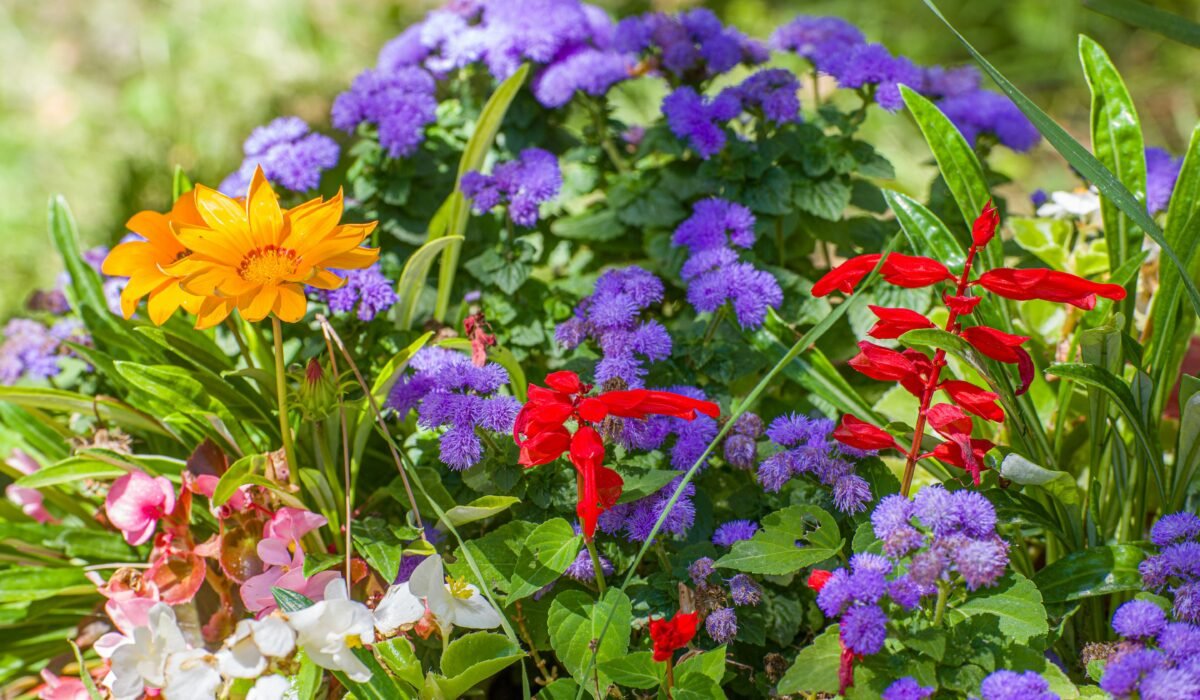
Dreaming of a garden bursting with vibrant hues from spring until the first frost, but feel overwhelmed by endless choices? You’re not alone in wanting a dazzling display without constant fuss, and thankfully, achieving this is simpler than you think with easy annual flowers for constant color. This guide will walk you through selecting, planting, and caring for the best annuals, ensuring your garden or containers remain a spectacle of continuous blooms all season long.
What’s the Difference Between Annuals and Perennials?
Understanding the distinction between annuals vs perennials is fundamental for any gardener aiming for consistent garden color. Simply put, annual flowers complete their entire life cycle within a single growing season.
This means they sprout from seed, grow, flower, produce seeds, and then die, typically with the first hard frost. Their mission is to bloom profusely to ensure seed production, making them ideal for gardeners seeking immediate and season-long vibrancy.
Perennials, on the other hand, return year after year from the same rootstock, often going dormant in winter and re-emerging in spring. While many perennials offer stunning, albeit shorter, bloom periods, annuals are the workhorses for truly constant color. What most people miss is that some plants, known as tender perennials, are often grown as annuals in colder climates because they cannot survive freezing temperatures.
Which Easy Annual Flowers Provide Constant Color?
To achieve a garden that pops with continuous blooms, selecting the right varieties is paramount. Look for varieties specifically bred for long bloom times and disease resistance. According to Kerry Meyer from Proven Winners, many easy-care varieties will bloom from planting in spring until a hard frost, requiring minimal effort.
Here’s a curated list of reliable, low maintenance annual flowers that deliver stunning, season-long displays across various conditions.
Long-Blooming Annuals for Full Sun
For sunny spots that receive at least six hours of direct sunlight daily, these annuals thrive in the heat and keep producing flowers.
- Petunias (especially Supertunia Vista® varieties): These are champions for continuous bloom from spring through fall, often without the need for deadheading. Their vigorous spread makes them perfect for filling beds or as annuals that bloom all season in pots. Varieties like Supertunia Mini Vista® Hot Pink were noted by the University of Minnesota’s 2023 trials for outstanding performance.
- Zinnias: Known for their vibrant, heat-loving nature, zinnias are excellent for cut flower gardens and attracting pollinators. They provide a cheerful burst of color from early summer until frost. Zinnia ‘Queen Lime’ is a particularly unique and popular variety.
- Marigolds: These cheerful flowers offer nonstop blooms from early summer to frost in warm gold, orange, and yellow tones. Many varieties also boast natural pest resistance, making them a gardener’s friend. Marigold Siam Gold was even an All-America Selections (AAS) award winner in 2024 for its exceptional performance.
- Calibrachoa (Superbells®): Often called “mini petunias,” these provide a cascade of small, bell-shaped flowers throughout warmer months. Varieties like ‘Double Redstone™’ and the new 2024 ‘Caliburst™ Yellow’ offer diverse color options and are fantastic container annuals.
Annual Flowers for Shade Continuous Bloom
Don’t let shady areas deter you; several annuals are specifically designed to brighten dimmer garden spots with consistent color.
- Impatiens (New Guinea and disease-resistant varieties): Traditional Impatiens walleriana struggled with downy mildew, but new disease-resistant types and New Guinea Impatiens offer robust, continuous color for shade. Rockapulco® Impatiens walleriana is an easy-to-grow double-blooming variety that thrives in filtered light. Impatiens Solarscape XL Pink Jewel also earned a 2024 AAS award.
- Begonia (BIG® series): These versatile plants offer continuous blooms and attractive foliage for both sun and shade, though they truly shine in shadier conditions. Begonia BIG® Deep Pink Green Leaf was a top performer in the University of Minnesota’s trials, proving its reliability.
Choosing the right plant for the right place, considering its sun exposure and growth habit, is the secret to thriving plants and vibrant displays.
How to Plant Annual Flowers for Continuous Blooms
Proper planting sets the stage for a season of spectacular blooms. Neglecting these initial steps can lead to stress for your plants, reducing their flowering potential.
Site Selection and Soil Preparation
Before planting, assess your chosen site’s light conditions. Match your selected annuals to either full sun or shade as recommended. Good drainage is critical for most annuals; soggy soil can lead to root rot. If your soil is heavy clay, amend it with organic matter like compost to improve structure and drainage.
For container annuals, use a high-quality potting mix that drains well and contains a slow-release fertilizer. This provides a gentle start for young plants.
Planting Techniques
- Dig the Hole: Use a hand trowel to dig a hole twice as wide as the plant’s root ball and just as deep.
- Remove from Container: Gently squeeze the nursery pot and carefully remove the plant. Loosen any tightly bound roots at the bottom.
- Position the Plant: Place the plant in the hole so the top of the root ball is level with the surrounding soil.
- Backfill and Water: Fill the hole with soil, gently firming it around the plant. Water thoroughly immediately after planting to settle the soil and eliminate air pockets.
For beds, space plants according to their mature size, usually indicated on the plant tag. Overcrowding can lead to poor air circulation and increased disease risk.
Initial Fertilization
Annuals are heavy feeders because they put so much energy into producing flowers. A balanced fertilizer applied at planting provides a strong start. Dennis Patton, a horticulture agent at Kansas State Research and Extension, highlights timely fertilization as a key to success.
Consider using a blooming annuals specific food like Ferti-Lome Premium Bedding Plant Food (7-22-8) or a starter fertilizer with mycorrhizae, such as Good Earth brand Jump Start, which enhances nutrient uptake. This initial boost helps establish a robust root system, essential for sustaining continuous flowering.
Your Seasonal Care Calendar for Annual Flower Success
Maintaining a steady supply of nutrients and moisture is paramount for how to keep annuals blooming all summer. A consistent care routine prevents stress and encourages prolific flowering.
Spring: Planting and Establishment
- Planting: After your last frost date, typically late spring, plant your annuals. Consider your USDA Hardiness Zone to determine the safest planting window.
- Watering: Water deeply and regularly, especially during the first few weeks, to help plants establish. Check the soil moisture daily; if the top inch feels dry, it’s time to water.
- Initial Fertilization: Apply a slow-release granular fertilizer or a half-strength liquid feed upon planting.
Summer: Peak Performance and Maintenance
- Watering: As temperatures rise, increase watering frequency. Container annuals dry out much faster than those in garden beds, often needing daily watering. Feel the soil; don’t just water on a schedule.
- Fertilizing: Continue feeding your annuals every 2-4 weeks with a balanced liquid fertilizer, or every 6-8 weeks with a slow-release granular product. Consistent feeding fuels new blooms.
- Deadheading Annuals: This is a game-changer for continuous flowering. Pinch off spent blooms (the faded flowers and the seed pod forming beneath them). This signals the plant to produce more flowers instead of putting energy into seed production. Many modern varieties, like some Supertunias, are self-cleaning and require less deadheading.
- Pruning: If plants become leggy or overgrown, don’t be afraid to trim them back. This encourages bushier growth and more flowers.
Fall: Sustaining the Display
- Continued Care: As long as temperatures remain mild, continue your watering and feeding routine. Annuals will keep blooming until the first hard frost.
- Enjoy the Last Blooms: Appreciate the final burst of color before winter arrives. Once frost hits, annuals will typically perish.
In practice, adapting your watering and feeding to your specific climate and plant needs is more effective than rigid adherence to a calendar. For example, water-wise garden flowers might need less frequent watering, but all annuals benefit from consistent moisture during peak bloom.
Troubleshooting Common Issues for Beginner Annual Growers
Even with the best intentions, beginner annual growers can encounter a few common problems. Knowing how to identify and address these issues quickly is crucial for maintaining a vibrant display.
Leggy Growth
If your annuals are looking stretched out with sparse foliage and few flowers, they’re likely “leggy.” This often indicates insufficient light. Plants reach for light, elongating their stems in the process.
Solution: Move container plants to a sunnier spot or, for garden beds, consider if nearby plants are casting too much shade. You can also prune back leggy stems by about one-third to encourage bushier growth and more blooms. Don’t be afraid to give them a haircut!
Pests and Diseases
While many annuals are relatively low-maintenance, they can still fall victim to pests or diseases. Common culprits include aphids, spider mites, and powdery mildew.
- Aphids & Spider Mites: Look for tiny insects on new growth or fine webbing on leaves.
Solution: A strong spray of water can dislodge them. For persistent infestations, use insecticidal soap. Healthy plants are more resistant, so proper watering and fertilization are your first line of defense.
- Powdery Mildew: This appears as a white, powdery coating on leaves, often on zinnias or impatiens in humid conditions.
Solution: Ensure good air circulation by proper spacing and avoid overhead watering. Fungicidal sprays can help in severe cases.
Regular inspection is key for troubleshooting annual flower problems; catching issues early makes them much easier to resolve.
Nutrient Deficiencies
Yellowing leaves, stunted growth, or a lack of flowering can signal a nutrient deficiency. Annuals are heavy feeders, so a lack of fertilizer is a common cause.
Solution: Ensure you are following a consistent fertilization schedule as outlined in the seasonal care calendar. If you suspect a specific nutrient is missing, a soil test can confirm this, but often, a general-purpose liquid fertilizer will provide the necessary boost. Remember, more isn’t always better; over-fertilizing can burn roots.
Budget-Friendly Strategies: Growing Annuals from Seed & More
Gardening doesn’t have to break the bank, especially when it comes to annuals. With a little planning, you can fill your garden with glorious color without spending a fortune. Research conducted by Axiom shows that nearly half of gardeners increased their spending in 2025, but smart strategies can help you manage costs.
Starting from Seed
Planting annuals from seed is by far the most cost-effective way to grow a large number of plants. A single packet of seeds, costing a few dollars, can yield dozens of plants compared to buying individual nursery starts.
- Indoors: For an early start, sow seeds indoors 6-8 weeks before your last frost date. This requires seed-starting mix, trays, and adequate light (grow lights are ideal).
- Direct Sowing: Many annuals, like zinnias and marigolds, can be sown directly into the garden after the danger of frost has passed. This is the simplest method.
Growing from seed offers immense satisfaction and a wider variety of unique cultivars that might not be available at local nurseries. If you’re interested in saving money and exploring unique varieties, check out our Basic Garden Seed Saving Guide for inspiration.
Propagating Cuttings
For tender perennials grown as annuals (like coleus or impatiens), you can take cuttings in late summer, root them in water or moist potting mix, and overwinter them indoors. This provides free plants for the following season. It’s an excellent way to keep a favorite variety going.
Smart Nursery Shopping
When you do buy plants from a nursery, be strategic. Look for sales, especially at the end of the season when stores clear out inventory. Purchasing smaller starter plants (“flats” or “six-packs”) is often cheaper per plant than buying larger, individual pots. While 77% of gardeners are willing to pay more for a specific flower color, being flexible can save you money.
Also, consider shared plant swaps with friends or local gardening groups. This can introduce you to new varieties for free.
Can Annuals Bloom More Than Once?
Yes, absolutely! The short answer is that most annuals are designed to bloom continuously throughout their entire growing season, which means they effectively bloom “more than once” from spring until frost. Unlike some perennials that have a distinct bloom period and then fade, annuals keep producing new flowers as long as conditions are favorable.
This continuous flowering is precisely why easy annual flowers for constant color are so popular. Their primary goal is to set seed to ensure the next generation, and to do that, they must keep blooming. By providing consistent water, nutrients, and especially by deadheading spent flowers, you are encouraging the plant to channel its energy into producing new buds rather than developing seeds, thus prolonging and maximizing its floral display.
Frequently Asked Questions
What’s the difference between annuals and perennials?
Annuals complete their entire life cycle, from seed to flower to seed, within a single growing season and then die. Perennials, conversely, live for more than two years, typically returning each spring from the same rootstock after going dormant in winter.
What are some easy-to-grow annuals for beginners?
For beginners seeking constant color, excellent choices include Petunias (especially Supertunia varieties), Zinnias, Marigolds, and Impatiens. These plants are generally forgiving, require minimal special care, and provide abundant blooms with consistent watering and occasional feeding.
Can annuals be planted with perennials?
Yes, annuals can be beautifully integrated with perennials to extend bloom times and add seasonal interest. Annuals can fill in gaps where perennials have finished blooming, provide vibrant splashes of color, or serve as temporary fillers while perennial gardens mature, creating a dynamic and continuously evolving landscape.
Are annuals good for attracting wildlife?
Many annual flowers are excellent for attracting wildlife, particularly pollinators like bees, butterflies, and hummingbirds. Zinnias, marigolds, and petunias, for instance, are known for their nectar-rich blooms that provide essential food sources for various beneficial insects, contributing to a healthy garden ecosystem.
Creating a garden brimming with easy annual flowers for constant color is an achievable and incredibly rewarding endeavor for any beginner. By understanding the basics of plant selection, planting, and consistent care, you unlock the secret to a landscape that truly shines from spring to fall. You now have the roadmap to confidently choose the right plants, implement effective care strategies, and even save money along the way. Don’t wait; grab your trowel and start transforming your outdoor space into a vibrant, ever-blooming paradise today!







