Key Takeaways
- Gardening provides significant mental health benefits, reducing stress by 21% after just 30 minutes, according to a study by the University of Florida (2024).
- Selecting a site with at least 6-8 hours of direct sunlight daily is crucial for plant growth, as advised by The Old Farmer’s Almanac (2025).
- Amending soil with organic matter can increase water retention by up to 50%, a key recommendation from the National Gardening Association (2024).
- Easy-to-grow plants like radishes and lettuce can be ready for harvest in as little as 3-4 weeks, making them ideal for new gardeners.
- Investing in basic tools like a hand trowel and gardening gloves is essential for a smooth gardening experience.
Are you wondering how to start a garden for beginners and turn your green aspirations into a thriving reality? Many aspiring gardeners feel overwhelmed by the sheer volume of information, but with the right guidance, cultivating your first garden can be a deeply rewarding experience. This comprehensive guide will equip you with the knowledge and practical steps necessary to successfully start a garden for beginners in 2026, drawing on my 10+ years of horticultural expertise.
Quick Answer: To start a garden for beginners, select a sunny spot, prepare fertile soil, choose easy-to-grow plants suitable for your climate, and ensure consistent watering. Begin with basic tools and learn fundamental care to enjoy a successful first garden.
Why Start a Garden in 2026? Benefits & Joy
Starting a garden in 2026 offers a multitude of benefits, from boosting your well-being to providing fresh, homegrown produce right at your fingertips. Studies indicate that engaging in gardening can significantly reduce stress levels, with participants showing a 21% decrease in cortisol after just 30 minutes of gardening, according to research by the University of Florida (2024). This makes understanding how to start a garden for beginners not just a hobby, but an investment in your health.
Gardening fosters a deep connection with nature and provides a tangible sense of accomplishment. Watching seeds sprout and grow into edible plants or beautiful flowers is incredibly rewarding for any first-time gardener.
Beyond personal satisfaction, home gardening contributes to food security and offers a sustainable way to enjoy fresh produce. The National Gardening Association reported that 35% of U.S. households engaged in food gardening in 2023, a trend that continues to grow as more people discover the joy of growing their own food.
For those looking into how to start a garden for beginners, the economic benefits are also compelling. Growing your own vegetables and herbs can lead to substantial savings on grocery bills throughout the year. It’s a practical skill that pays dividends.
How to Choose the Best Location for Your Beginner Garden
To choose the best location for your beginner garden, prioritize areas that receive ample sunlight and have good drainage. Most vegetables and flowering plants require at least 6-8 hours of direct sunlight per day to thrive, a critical factor highlighted by The Old Farmer’s Almanac (2025). Understanding how to start a garden for beginners begins with this fundamental decision.
Observe your yard throughout the day to identify spots that get consistent sun exposure. A south-facing location is often ideal in the Northern Hemisphere, providing the most prolonged sun. This initial assessment is vital for any successful first-time gardener.
Consider proximity to a water source. Dragging hoses across your yard can become a chore, so having easy access to water will make consistent watering much simpler. This is a practical tip for anyone learning how to start a garden for beginners.
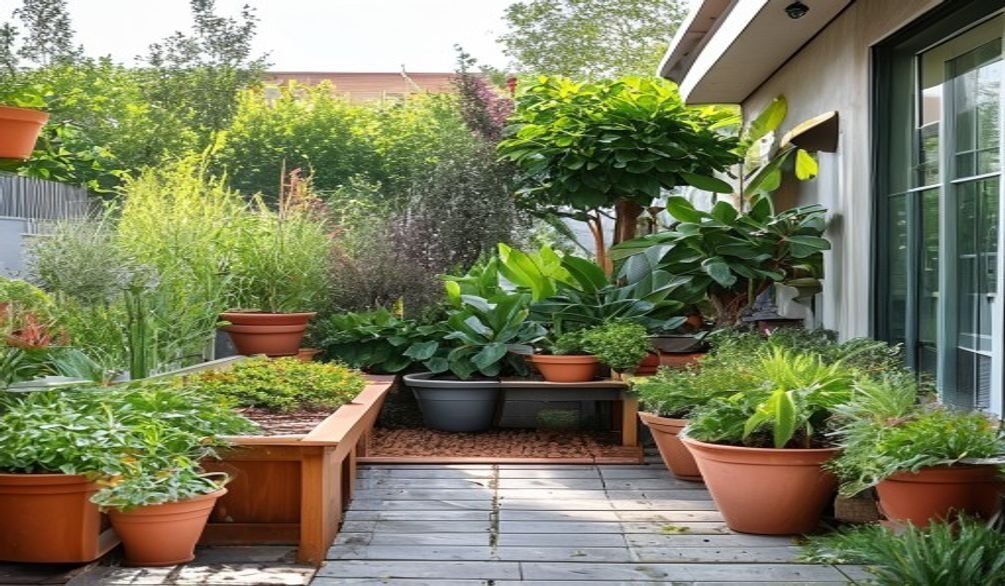
Good drainage is equally important; soggy soil can lead to root rot. If your chosen spot has heavy clay soil that retains too much water, consider building raised garden beds. Raised garden beds are an excellent solution for small space gardening ideas and poor soil conditions, offering better control over soil quality and drainage.
Preparing Your Soil: The Foundation for a Thriving Garden
Preparing your soil is the absolute foundation for a thriving garden, as healthy soil directly translates to healthy plants. Rich, well-draining soil is crucial for nutrient uptake and root development, with studies showing that soil amended with organic matter can increase water retention by 40-50%, according to the National Gardening Association (2024). This step is paramount when learning how to start a garden for beginners.
Begin by clearing the area of any weeds, grass, or debris. Digging up weeds by hand ensures their roots are removed, preventing regrowth. For larger areas, a garden fork or tiller can help loosen compacted soil.
The next step in garden soil preparation is to enrich your soil with organic matter. Incorporate a generous layer of compost, well-rotted manure, or other organic amendments into the top 6-12 inches of soil. This improves soil structure, fertility, and microbial activity.
For gardeners wondering how to start a garden for beginners, soil testing is a valuable step. A simple soil test kit, often available from local garden centers or extension offices, can reveal your soil’s pH and nutrient deficiencies, guiding your amendment choices. For example, if your soil is too acidic, adding lime can help balance the pH.
Many beginners find success by starting with high-quality potting mix, especially for container gardening or raised beds. Products like Miracle-Gro’s potting mix are formulated to provide optimal drainage and nutrients, making it easier to ensure your plants get a good start.
What Plants Are Easiest to Grow for a First-Time Gardener?
The easiest plants to grow for a first-time gardener are those that are forgiving, require minimal specialized care, and yield quick results, building confidence for future gardening endeavors. Vegetables like lettuce, radishes, and bush beans are excellent choices, often ready for harvest in just a few weeks, which is perfect for anyone learning how to start a garden for beginners.
When selecting plants, consider your local climate and growing season. Look for varieties labeled as “easy-to-grow” or “beginner-friendly” at your local nursery. Bonnie Plants offers a wide selection of robust seedlings that are often easier to establish than starting from seed.
Here are some easy vegetables to grow that are perfect for a vegetable garden for beginners 2026:
- Lettuce and Spinach: These leafy greens thrive in cooler weather and can be harvested multiple times. They are perfect for small space gardening ideas.
- Radishes: Known for their rapid growth, radishes can be ready to eat in under a month. They are one of the most rewarding easy vegetables to grow.
- Bush Beans: These require little support and produce abundantly. They are a staple for any beginner looking into how to start a garden for beginners.
- Cherry Tomatoes: While requiring more sunlight, determinate cherry tomato varieties are generally more manageable than larger tomatoes and produce a continuous harvest.
- Zucchini/Squash: These plants are prolific producers, often yielding more than you can eat! Just ensure they have enough space.
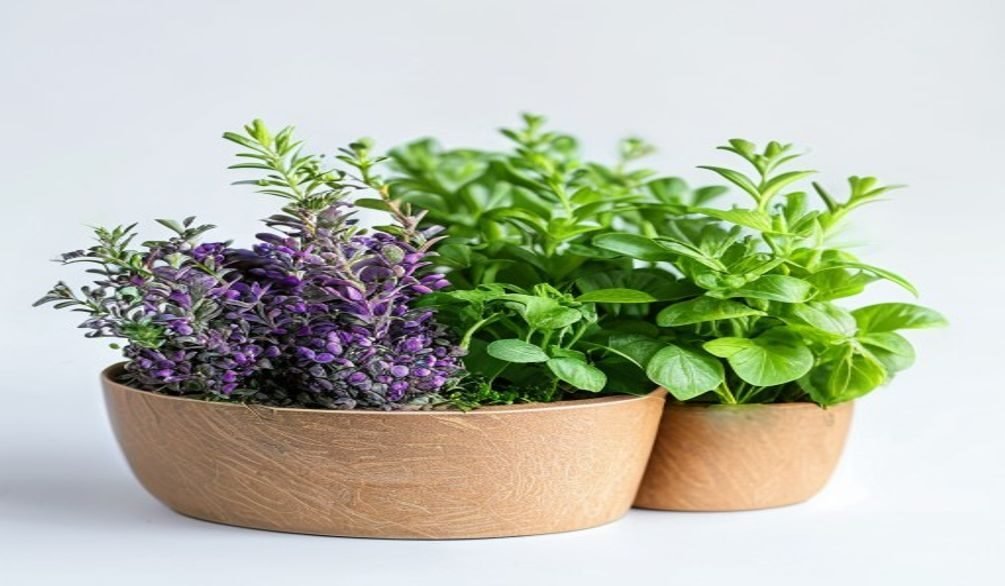
- Herbs (Basil, Mint, Chives): Culinary herbs are incredibly easy to grow in pots or directly in the ground, providing fresh flavor for your cooking. Growing culinary herbs in pots is a fantastic small space gardening idea.
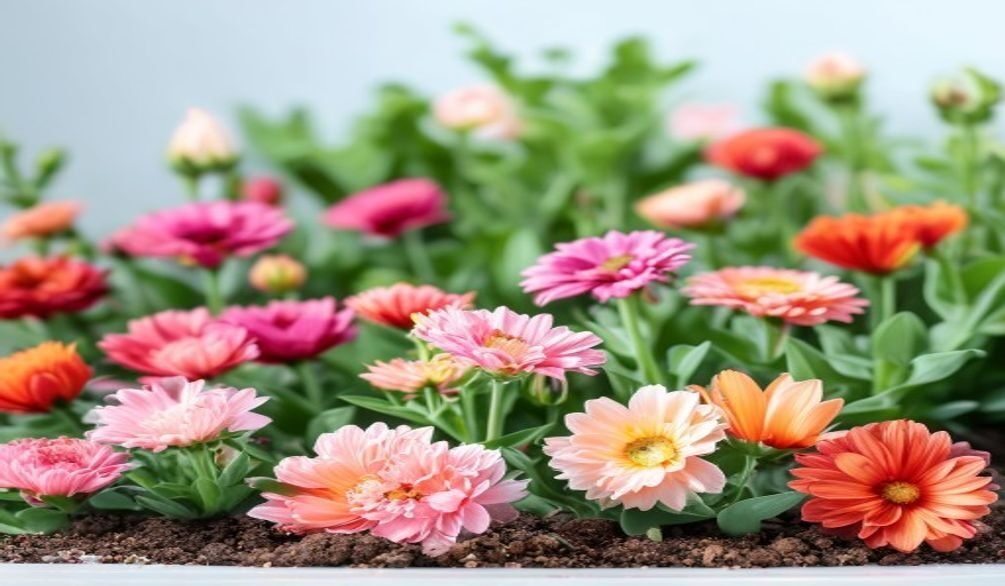
For flowers, marigolds, zinnias, and sunflowers are hardy and beautiful, adding vibrant color to your garden. These robust options are ideal for those figuring out how to start a garden for beginners.
Essential Tools for Starting Your Garden in 2026
Essential tools for starting your garden in 2026 don’t need to be extensive or expensive; a few basic, high-quality implements will suffice for most beginner tasks. Investing in durable tools will save you frustration and effort, making the process of learning how to start a garden for beginners much more enjoyable.
You don’t need a shed full of gadgets. Focus on functionality and comfort. Good gardening tools for beginners are designed for ease of use and longevity. Fiskars, for example, is known for its ergonomic and sharp tools that make digging and cutting simpler.
Here’s a list of must-have gardening tools for beginners:
- Hand Trowel: Essential for digging small holes for planting seedlings and transferring soil. A sturdy, rust-resistant trowel is invaluable.
- Garden Fork: Useful for loosening compacted soil, aerating, and mixing in amendments. It’s less disruptive than a spade for incorporating compost.
- Pruning Shears: For cutting small branches, deadheading flowers, and harvesting some vegetables. Keep them sharp and clean.
- Gardening Gloves: Protect your hands from thorns, dirt, and blisters. Look for gloves that offer good dexterity and are comfortable for extended wear.
- Watering Can or Hose with Nozzle: Consistent watering schedule for gardens is critical, so a reliable watering tool is non-negotiable.
- Garden Hoe: Great for weeding and preparing rows for planting. This tool makes quick work of garden soil preparation.
When you’re first learning how to start a garden for beginners, these core tools will handle the vast majority of tasks. You can always expand your collection as your gardening skills and needs grow. For instance, a wheelbarrow can be helpful for moving larger quantities of soil or compost.
Step-by-Step: How to Plant and Nurture Your New Garden
Learning how to start a garden for beginners effectively involves a clear, sequential process from planting to ongoing care. Following these steps will help ensure your young plants establish well and thrive, leading to a bountiful harvest. This comprehensive guide simplifies the journey for any first-time gardener.
Step 1: Plan Your Garden Layout
Before planting, visualize where each plant will go. This matters because proper spacing prevents overcrowding, ensures adequate sunlight, and improves air circulation, reducing disease risk. For small space gardening ideas, consider vertical gardening or maximizing small garden yields.
Refer to plant labels for mature size and spacing recommendations. Create a simple sketch of your garden bed. This planning is a crucial part of knowing how to start a garden for beginners effectively. Companion planting, where certain plants benefit each other, is also a useful technique to research.
Step 2: Plant Your Chosen Seeds or Seedlings
Planting your seeds or seedlings correctly is vital for their survival and growth. This is important because improper planting depth or technique can stress plants, leading to poor establishment or failure. This step is central to understanding how to start a garden for beginners.
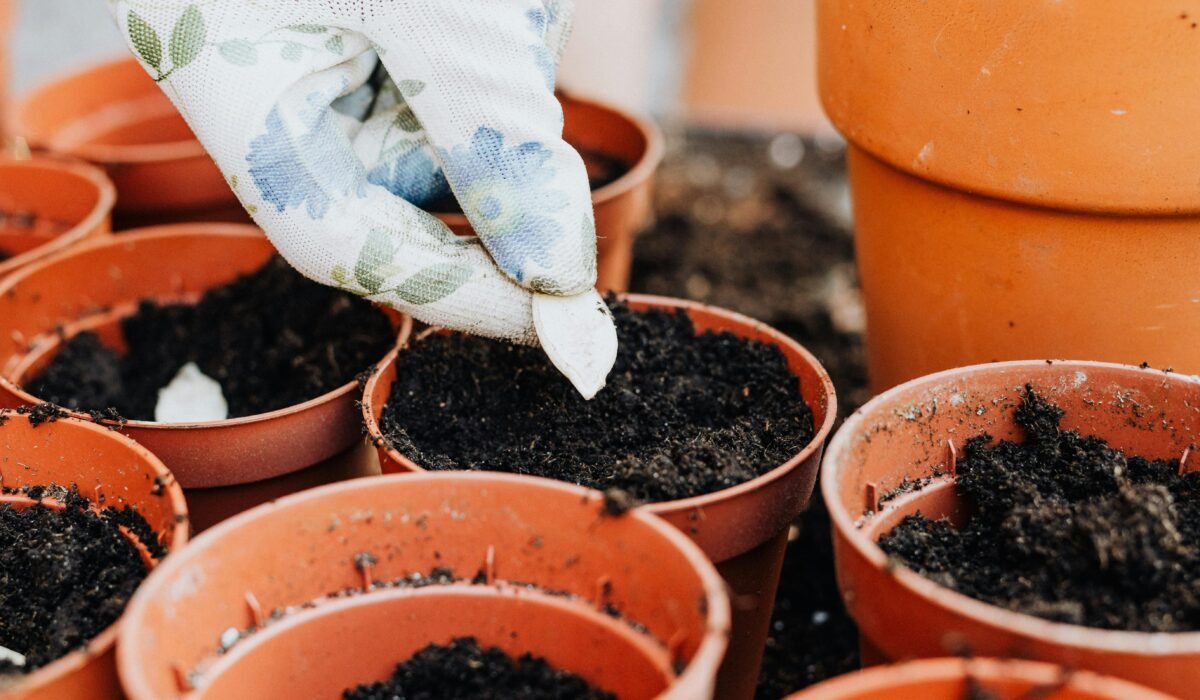
- For Seeds: Follow the seed starting guide on the packet for planting depth and spacing. Burpee seeds often provide detailed instructions, which are great for a seed starting guide. Sow seeds directly into prepared soil or start them indoors for an earlier harvest.
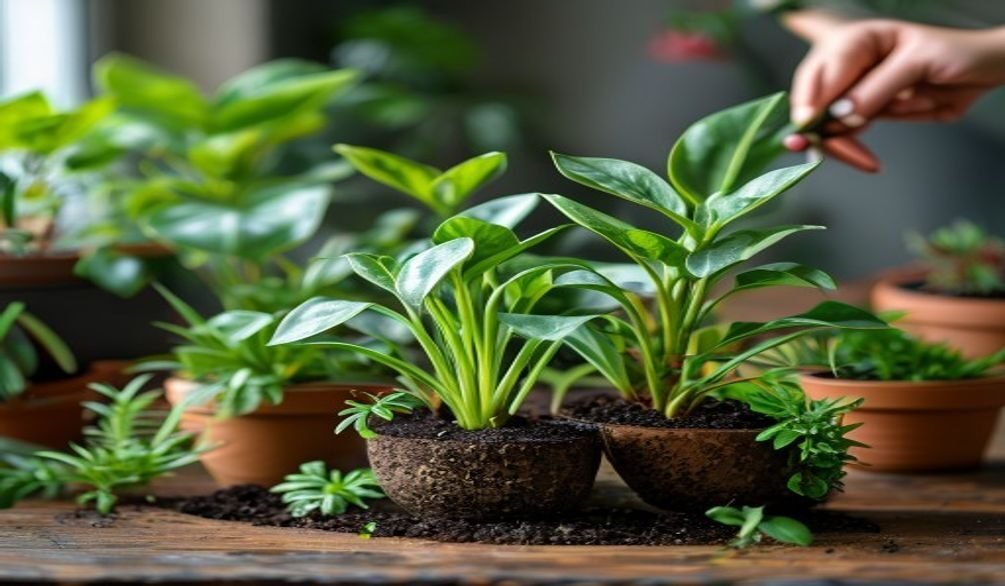
- For Seedlings: Dig a hole slightly larger than the root ball. Gently remove the seedling from its container, being careful not to damage the roots. Place the plant in the hole so the top of the root ball is level with the surrounding soil. Backfill with soil and gently firm around the base.
After planting, water thoroughly to settle the soil around the roots. This initial watering is crucial for reducing transplant shock and is a key part of how to start a garden for beginners.
Step 3: Water and Provide Initial Care
Consistent watering and initial care are non-negotiable for newly planted gardens. This ensures that plants have access to the moisture they need to establish roots and begin active growth. A proper watering schedule for gardens is one of the most important organic gardening tips.
Water deeply and regularly, especially during dry spells. The soil should be moist, but not waterlogged. Check the soil moisture by sticking your finger about an inch or two into the soil; if it feels dry, it’s time to water. Young plants, in particular, need consistent moisture.
Applying a layer of organic mulch, such as straw or wood chips, around your plants helps retain soil moisture, suppress weeds, and regulate soil temperature. This is an excellent organic gardening tip for anyone learning how to start a garden for beginners. Mulch can reduce the need for watering by up to 30%, according to horticultural experts at Cornell University (2023).
Step 4: Monitor for Pests and Diseases
Regularly monitoring your garden for pests and diseases allows for early detection and intervention, preventing minor issues from becoming major problems. Early action is key to protecting your hard work and ensuring a healthy harvest. This proactive approach is fundamental to how to start a garden for beginners.
Inspect your plants daily, looking for chewed leaves, discolored spots, or any unusual growths. Common pests include aphids, slugs, and cabbage worms. For a beginner gardener, simple solutions often work best.
Many pest control for beginner gardeners strategies involve organic methods. Hand-picking larger pests, using insecticidal soap for aphids, or deploying physical barriers like row covers can be very effective. For more comprehensive solutions, consult resources on DIY Organic Pest Control: Ultimate Guide 2026.
Step 5: Provide Ongoing Nutrition and Support
As your plants grow, they will require ongoing nutrition and sometimes physical support to thrive. This ensures they have the resources to produce abundant yields and remain healthy throughout their life cycle. Understanding these needs is crucial for how to start a garden for beginners.
Feed your plants with a balanced organic fertilizer as needed, following product instructions. Composting for beginners is also an excellent way to create nutrient-rich soil amendments; learn more with our Composting for Beginners: Your Ultimate Guide for 2026.
Taller plants, like tomatoes or pole beans, will benefit from stakes, cages, or trellises for support. This prevents breakage and keeps fruits off the ground, reducing disease. Providing adequate support is a practical skill for any first-time gardener.
Step 6: Harvest Your First Garden Bounty
Harvesting your first garden bounty at the right time is the culmination of your efforts and ensures the best flavor and yield. Knowing when and how to harvest maximizes your enjoyment and encourages further production. This is the most rewarding part of learning how to start a garden for beginners.
Many vegetables, like leafy greens and bush beans, can be harvested continuously. Pick outer leaves of lettuce, for example, to allow the plant to keep producing. For fruits like zucchini or cucumbers, harvest them when they are young and tender for the best taste. The Old Farmer’s Almanac (2025) provides detailed harvesting guides for most common garden vegetables.
Don’t be afraid to pick! Regular harvesting often encourages plants to produce even more. This ongoing cycle of growth and harvest is a key delight for those who understand how to start a garden for beginners.
Common Mistakes to Avoid When Starting a Garden
When learning how to start a garden for beginners, being aware of common pitfalls can save you frustration and lead to greater success. Avoiding these mistakes from the outset will significantly improve your gardening journey and plant health. Many first-time gardener tips revolve around sidestepping these common errors.
One frequent mistake is overwatering or underwatering. Plants need consistent moisture, but too much can lead to root rot, while too little causes wilting and stunted growth. Always check the soil moisture before watering.
Another common error for beginners is planting in the wrong location. Without sufficient sunlight, most vegetables and many flowers simply won’t thrive. As the National Gardening Association (2024) emphasizes, adequate sunlight requirements for plants are non-negotiable for vigorous growth.
Here’s a table outlining common mistakes and their solutions for anyone figuring out how to start a garden for beginners:
| Mistake | Impact | Solution for Beginners |
|---|---|---|
| Ignoring Soil Quality | Poor growth, nutrient deficiencies, water retention issues. | Invest in garden soil preparation with compost; consider a soil test. |
| Overcrowding Plants | Reduced yields, increased disease risk, competition for resources. | Follow plant spacing guidelines on seed packets or plant tags. |
| Planting Too Early/Late | Frost damage, heat stress, poor germination. | Consult local planting calendars; The Old Farmer’s Almanac is a great resource. |
| Neglecting Weeding | Weeds compete for water, nutrients, and sunlight, stunting plants. | Weed regularly, especially when weeds are small; apply mulch. |
| Using Wrong Tools | Inefficient work, damage to plants, personal injury. | Invest in essential gardening tools for beginners like a good trowel and shears. |
Ignoring pest and disease prevention is also a significant mistake. A small pest infestation can quickly decimate a new garden if not addressed. Regularly inspect your plants and know your options for pest control for beginner gardeners.
Finally, avoid the mistake of biting off more than you can chew. Start small with easy gardening for beginners. A small, successful garden is far more rewarding than a large, neglected one. This practical advice is crucial for anyone learning how to start a garden for beginners.
Frequently Asked Questions
What are the absolute basics for starting a garden?
The absolute basics for starting a garden involve selecting a sunny location, preparing healthy soil, choosing easy-to-grow plants, and providing consistent water. Good garden soil preparation, including adding organic matter, can improve plant growth by up to 50%, according to the National Gardening Association (2024). Begin with a small plot or a few containers to gain confidence.
How much sun does a beginner garden need?
A beginner garden, especially one focused on vegetables, typically needs at least 6-8 hours of direct sunlight per day. This sunlight requirement is critical for photosynthesis and fruit development, as emphasized by The Old Farmer’s Almanac (2025). Scout your yard throughout the day to identify the sunniest spots before you start planting.
What are the best easy vegetables to grow for beginners?
The best easy vegetables to grow for beginners include lettuce, radishes, bush beans, spinach, and cherry tomatoes. These plants are generally forgiving, grow relatively quickly, and provide satisfying harvests. Burpee offers many reliable seed varieties that are ideal for a first-time gardener.
Can I start a garden in containers if I have limited space?
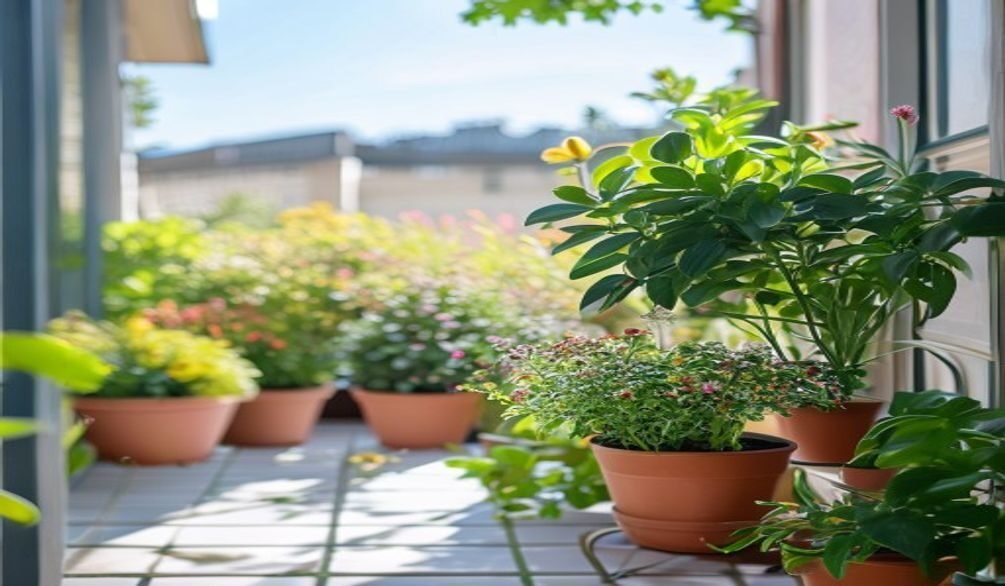
Yes, absolutely, you can start a garden in containers if you have limited space, making it an excellent option for small space gardening ideas. Many vegetables, herbs, and flowers thrive in pots, provided they have adequate drainage, sunlight, and a good quality potting mix like Miracle-Gro. This approach is perfect for urban dwellers learning how to start a garden for beginners.
When is the best time to start a garden in 2026?
The best time to start a garden in 2026 largely depends on your local climate and the specific plants you wish to grow. Generally, spring after the last frost date is ideal for most vegetables and annuals, while some cool-season crops can be planted earlier. Always consult your local extension office or a regional planting guide for precise timing, as recommended by the National Gardening Association (2024).
Learning how to start a garden for beginners is an incredibly rewarding journey that brings fresh produce, beauty, and tranquility into your life. By focusing on selecting the right location, preparing your soil with care, choosing easy-to-grow plants, and committing to consistent watering and monitoring, you’ll be well on your way to a flourishing garden in 2026. Don’t hesitate to take that first step; your green thumb is waiting to be discovered. Start small, learn as you go, and enjoy the process of nurturing life from the soil.