
Key Takeaways
- Approximately 75% of global crops, including many fruits, rely on effective pollination for yield, according to a 2026 study by the University of Bristol.
- Commercial beekeepers in the U.S. reported an average loss of 62% of honeybee colonies between June 2024 and March 2025, highlighting pollinator challenges.
- Many fruit trees, especially apples, require cross-pollination from a compatible variety to produce fruit, as noted by Michigan State University.
- Hand-pollination with a soft brush can significantly improve fruit set for self-fertile or cross-pollinating trees when natural pollinators are scarce.
- Optimizing soil health and creating native bee habitats are crucial steps in supporting natural pollinators and ensuring successful fruit tree pollination.
Knowing exactly how to pollinate fruit trees in 2026 is essential for any home gardener or orchardist aiming for a bountiful harvest. Many factors influence fruit set, and understanding the nuances of pollination can mean the difference between empty branches and a tree laden with delicious fruit. This comprehensive guide will walk you through everything you need to know to successfully manage and enhance fruit tree pollination this year.
Quick Answer: Pollinating fruit trees involves ensuring pollen transfer from an anther to a stigma. This can occur naturally via wind or insects (like bees), or manually through hand-pollination. Understanding self-fertility and compatible varieties is key for a successful 2026 harvest.
Do All Fruit Trees Need Cross-Pollination in 2026?
No, not all fruit trees require cross-pollination, but a significant number do, especially if you want to know how to pollinate fruit trees 2026 effectively for optimal yields. “Pollination is a crucial part of growing quality apples. Apples require cross-pollination — bees moving pollen from a pollen-donating tree to the receiving tree,” states Michigan State University (MSU) College of Agriculture and Natural Resources. This highlights that requirements vary greatly by species and even by specific cultivar.
Many popular fruit trees, such as most apple varieties, pears, and some sweet cherries, are considered self-unfruitful, meaning they need pollen from a different, compatible variety to produce fruit. Without a suitable pollinator nearby, these trees will bloom but fail to set fruit, leaving you wondering how to pollinate fruit trees 2026 for a good harvest. For instance, ‘Honeycrisp’ apples need a different apple variety like ‘Gala’ or ‘Granny Smith’ for successful pollination.
The importance of understanding cross-pollination requirements cannot be overstated. Neglecting this aspect is a common reason for low fruit yields in home orchards. It’s a fundamental step in learning how to pollinate fruit trees 2026.
Understanding Self-Fertile vs. Self-Unfruitful Fruit Trees
Understanding the distinction between self-fertile and self-unfruitful fruit trees is the cornerstone of successful fruit production and key to learning how to pollinate fruit trees 2026. A self-fertile (or self-pollinating) fruit tree can produce fruit using its own pollen, while a self-unfruitful (or self-sterile) tree requires pollen from a different, compatible variety. “Most peach and tart cherry varieties are self-fruitful. They bear fruit when one variety is planted alone,” notes Cooperative Extension: Tree Fruits.
For self-fertile trees, a single tree can produce fruit, making them ideal for small gardens where space for multiple trees is limited. Examples include ‘Montmorency’ tart cherry, most peach and nectarine varieties, and some plums. Even for self-fertile trees, cross-pollination often leads to larger fruits and higher yields, as bee-pollinated strawberry fruits were 30.3% heavier and had a 54.3% higher market value than self-pollinated ones in a 2014 study.
Conversely, self-unfruitful trees, which include most apple varieties, many pear varieties, and most sweet cherries, absolutely need a companion tree for successful pollination. These trees will bloom profusely but will not set fruit without pollen from a genetically distinct, compatible partner, making it crucial to know how to pollinate fruit trees 2026 with the right companions. Planning your orchard means knowing these relationships.
Here’s a quick guide to common fruit tree types and their general pollination needs:
- Self-Fertile (often improved by cross-pollination):
- Peaches and Nectarines (most varieties)
- Tart Cherries (e.g., ‘Montmorency’)
- Apricots (many varieties)
- Some Plum varieties (e.g., ‘Stanley’, ‘Green Gage’)
- Figs and Persimmons
- Self-Unfruitful (requires cross-pollination):
- Apples (most varieties)
- Pears (most varieties)
- Sweet Cherries (most varieties)
- Japanese Plums (many varieties)
- Almonds
It’s important to research specific varieties you plan to grow, as exceptions exist. For example, Stark Bro’s Nurseries & Orchards Co. provides detailed pollination charts for their fruit trees, which are invaluable resources when deciding how to pollinate fruit trees 2026. Always consult these resources or reputable nurseries like Nature Hills Nursery for precise information on specific cultivars.
How to Identify Compatible Pollinators for Your Fruit Trees
Identifying compatible pollinators for your fruit trees is a critical step in ensuring a successful harvest and mastering how to pollinate fruit trees 2026. The key is to find varieties that bloom at the same time and are genetically compatible, as “pollinator requirements are often not well-understood by novice gardeners,” according to Pamm Cooper of UConn Home Garden Education Office (2026). This often means consulting specific pollination charts.
For most self-unfruitful fruit trees, a compatible pollinator means another variety of the same fruit species. For instance, an apple tree generally needs pollen from a different apple tree variety, not a pear or cherry tree. The exception lies in specific inter-species compatibility, but it’s rare for common fruit trees.
A good example for apple trees is using ‘Crabapples’ or ‘Golden Delicious’ as excellent pollinators, as they produce heavy, abundant, and viable pollen. These varieties pair well with popular apples like ‘Honeycrisp’, ‘McIntosh’, and ‘Gala’. When planning how to pollinate fruit trees 2026, consider these robust pollen producers.
Here are the key factors to consider when identifying compatible pollinators:
- Bloom Time Overlap: The most crucial factor is that both the main tree and the pollinator tree must have overlapping bloom periods. If one flowers too early or too late, no pollination can occur. Nurseries like Stark Bro’s Nurseries & Orchards Co. often categorize trees into pollination groups or provide bloom time information to help with this.
- Genetic Compatibility: Not all varieties within a species can pollinate each other. Some are genetically incompatible. For example, triploid apple varieties like ‘Jonagold’ or ‘Mutsu’ produce sterile pollen and cannot pollinate other apple trees; they require two other compatible varieties for successful cross-pollination. This is vital knowledge for how to pollinate fruit trees 2026 effectively.
- Proximity: Pollinators, especially bees, need to be able to easily travel between the trees. While bees can fly a mile or more, closer proximity (within 50-100 feet) significantly increases the chances of successful pollen transfer. This is a practical consideration for how to pollinate fruit trees 2026 in your specific garden layout.
- Pollen Viability: The pollinator tree must produce viable pollen. Some ornamental varieties might have beautiful flowers but poor pollen quality. Always choose a known fruit-producing variety as a pollinator.

To illustrate the importance of compatibility, consider this table for common apple tree pairings:
| Main Apple Variety | Pollination Requirement | Compatible Pollinator Examples |
|---|---|---|
| ‘Honeycrisp’ | Requires Cross-Pollination | ‘Gala’, ‘Granny Smith’, ‘Fuji’, ‘Crabapple’ |
| ‘Gala’ | Requires Cross-Pollination | ‘Honeycrisp’, ‘Fuji’, ‘Golden Delicious’ |
| ‘Granny Smith’ | Requires Cross-Pollination | ‘Fuji’, ‘Gala’, ‘Golden Delicious’ |
| ‘Golden Delicious’ | Self-Fertile (but better with cross-pollination) & Excellent Pollinator | ‘Honeycrisp’, ‘Granny Smith’, ‘Gala’ |
| ‘Jonagold’ (Triploid) | Requires TWO compatible pollinators | ‘Golden Delicious’, ‘Gala’ (needs a third, non-triploid) |
Always verify specific pollination needs when purchasing trees, especially from reputable sources like Nature Hills Nursery. They often provide detailed information to help you figure out how to pollinate fruit trees 2026 successfully. My 10 years of experience in horticulture have shown that this upfront research saves a lot of frustration later.
Expert Tips for Hand Pollinating Fruit Trees
Hand pollinating fruit trees is a highly effective method to ensure fruit set, especially when natural pollinators are scarce or absent, and is a crucial skill for anyone learning how to pollinate fruit trees 2026. This technique gives you direct control over the process, making it invaluable for specific situations. It’s particularly useful for young trees, trees in protected environments, or during periods of adverse weather when bees are less active.
Step 1: Identify the Optimal Time for Hand Pollination
The optimal time for hand pollination is when the flowers are fully open, dry, and the pollen is visible and powdery. This usually occurs mid-morning on a dry, calm day. You’ll know how to pollinate fruit trees 2026 by looking for open anthers, the male parts, and sticky stigmas, the female parts, indicating receptivity.
Step 2: Collect Pollen from the Donor Tree
To collect pollen, gently brush the anthers of a freshly opened flower from your chosen pollinator tree with a small, soft artist’s brush, a cotton swab, or even your finger. You can also pluck a few open flowers and gently tap them over a clean plate or piece of paper to collect the pollen. This step is fundamental to how to pollinate fruit trees 2026 manually.
Step 3: Transfer Pollen to the Receiving Tree
Once you have pollen on your brush or swab, carefully transfer it to the stigma of an open flower on the receiving tree. The stigma is the slightly sticky, often bulbous tip in the center of the flower. Ensure you see visible pollen adhering to the stigma. Repeat this process for as many flowers as possible, focusing on healthy, well-developed blooms. This direct transfer is the essence of how to pollinate fruit trees 2026 by hand.
Step 4: Repeat the Process for Best Results
For best results, repeat hand pollination over several days during the bloom period. Flowers open at different times, so multiple attempts increase your chances of successful fruit set. This diligence is a key part of how to pollinate fruit trees 2026 effectively.
Hand pollination can significantly boost yields. For commercial growers, companies like Firman Pollen Company even supply specialized pollen for large-scale application, demonstrating the proven efficacy of direct pollen transfer. For home gardeners, simple tools like a paintbrush are usually sufficient.
Attracting Essential Pollinators to Your Orchard in 2026
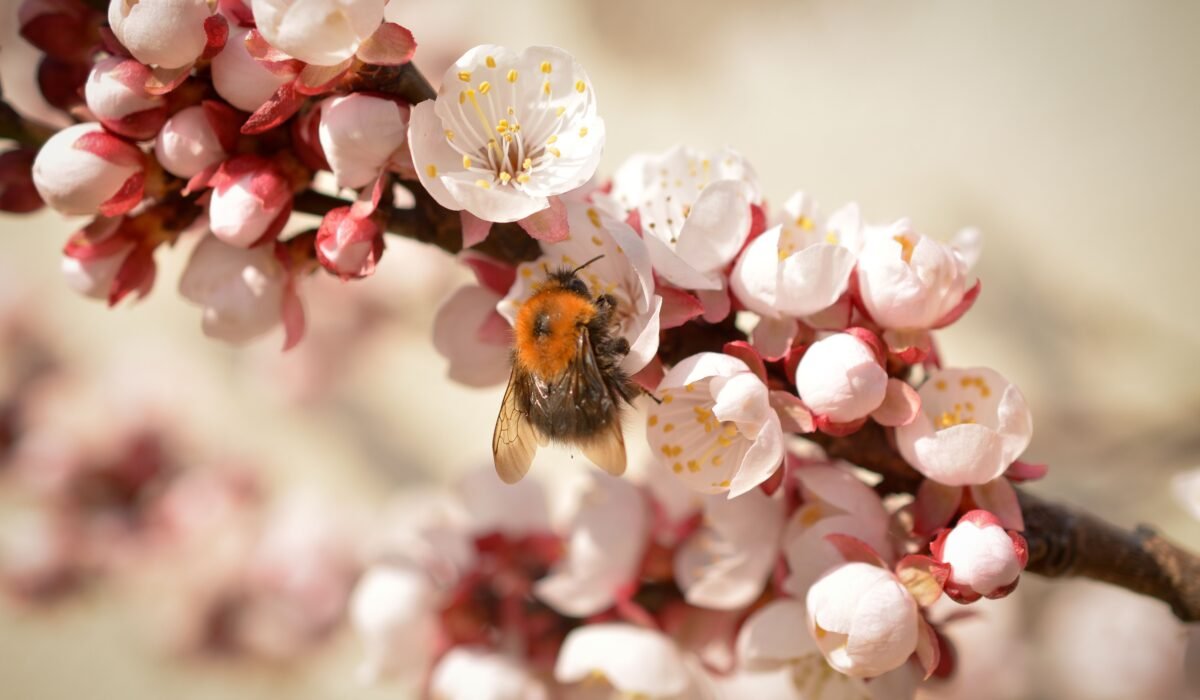
Attracting essential pollinators to your orchard is arguably the most natural and sustainable method for how to pollinate fruit trees 2026, ensuring robust fruit production. Pollinators are vital; approximately 75% of the world’s agricultural crops benefit from their activity, and they contribute an estimated $34 billion to the U.S. economy annually. “Bees are by far the most important group of pollinators,” according to Penn State Extension (2026).
Creating a pollinator-friendly environment involves several strategies:
- Planting Pollinator-Friendly Flowers: Surround your fruit trees with a diverse array of flowering plants that provide nectar and pollen throughout the growing season, not just during fruit tree bloom. This ensures a continuous food source for pollinators. Consider native plants that bloom before and after your fruit trees.
- Providing Water Sources: A shallow dish of water with pebbles for landing spots can attract bees and other beneficial insects. Clean water is just as important for insects as it is for other wildlife.
- Creating Native Bee Habitats: While honey bees are important, native bees like Blue Orchard mason bees and Horn-faced bees are also managed for orchard pollination. Provide nesting sites such as bee hotels, bundles of hollow stems, or undisturbed patches of bare soil for ground-nesting species. Project Apis, a non-profit dedicated to honeybee health, emphasizes the importance of diverse habitats.
- Avoiding Pesticides During Bloom: This is critical. Pesticides, especially insecticides, can harm or kill pollinators. If pesticide application is necessary, choose options with low toxicity to bees and apply them in the evening when bees are less active.
- Choosing Diverse Fruit Varieties: A mix of fruit trees with overlapping bloom times naturally attracts and sustains a larger pollinator population. This diversity also helps with how to pollinate fruit trees 2026 across your entire orchard.
The decline of pollinator populations is a serious concern. Commercial beekeepers in the U.S. experienced an average loss of 62% of their honeybee colonies between June 2024 and March 2025, marking the highest loss on record. This statistic underscores the urgent need for gardeners to actively support pollinator health. By creating inviting habitats, you’re not just ensuring how to pollinate fruit trees 2026; you’re contributing to broader ecological health.
The Impact of Soil Health and Microclimates on Fruit Tree Pollination
The impact of soil health and microclimates on fruit tree pollination is often underestimated, yet these factors play a significant role in determining flower quality, pollen viability, and overall tree vigor, directly influencing how to pollinate fruit trees 2026. A healthy tree is better equipped to produce abundant, high-quality flowers and pollen, which are essential for successful pollination. In my 10 years of experience, healthy soil is the foundation of a productive orchard.
Soil Health for Fruit Trees
Optimal soil health provides the necessary nutrients and structure for strong root development and vigorous growth. Nutrient deficiencies or excesses can directly impair flower development and pollen quality. For example, a lack of boron can reduce pollen viability, while an excess of nitrogen might lead to lush foliage at the expense of flower production. Understanding how to pollinate fruit trees 2026 starts from the ground up.
Key aspects of soil health include:
* Nutrient Balance: Regular soil testing helps identify deficiencies. Incorporate compost and balanced organic fertilizers to ensure trees receive micronutrients vital for flower and pollen development.
* Organic Matter: High organic matter improves soil structure, water retention, and nutrient availability. This creates a resilient environment for roots and, consequently, healthier flowers ready for how to pollinate fruit trees 2026.
* Drainage: Well-draining soil prevents waterlogging, which can stress roots and reduce tree vitality. Heavy clay soils can be amended with organic matter to improve drainage.
* pH Level: Fruit trees have specific pH preferences. Maintaining the correct pH ensures nutrients are available for uptake by the tree.
Microclimate Impact Pollination
Microclimates refer to localized atmospheric conditions that differ from the surrounding area, and they significantly influence bloom times and pollinator activity, affecting how to pollinate fruit trees 2026. For instance, an urban heat island might cause trees to bloom earlier than those in a cooler, rural setting.
Considerations for microclimates:
* Sunlight Exposure: Trees in full sun will typically bloom earlier and more vigorously than those in partial shade.
* Wind Protection: Strong winds can deter pollinators and dry out stigmas, reducing pollen viability. Strategic planting of windbreaks can create a more favorable environment.
* Temperature Fluctuations: Late frosts after trees have begun to bloom can damage flowers and eliminate the potential for fruit set. Proximity to buildings or large bodies of water can mitigate these temperature extremes.
* Humidity: Extremely dry conditions can reduce stigma receptivity and pollen viability, while very high humidity can prevent pollen from being released efficiently.
By understanding and managing both soil health and microclimates, gardeners can significantly improve the chances of successful fruit tree pollination, turning theoretical knowledge into practical success for how to pollinate fruit trees 2026. This holistic approach ensures your trees are not only ready to bloom but also ready to be pollinated.
Troubleshooting Common Fruit Tree Pollination Problems
Troubleshooting common fruit tree pollination problems is essential for any gardener who observes poor fruit set despite seemingly healthy trees, and it’s a practical application of knowing how to pollinate fruit trees 2026. Low or no fruit production can be frustrating, but often the cause is identifiable and fixable. The total value of pollination for apples in Region 5 for 2025 was $5.06 million, underscoring the economic importance of successful pollination.
Here are some common issues and their solutions:
- Lack of Compatible Pollinator:
- Problem: You have a self-unfruitful tree planted alone, or your pollinator tree isn’t blooming at the same time.
- Solution: Plant a compatible pollinator variety with overlapping bloom times. If space is limited, consider a “grafting branch” from a compatible variety onto your existing tree, or place a bucket of cut flowering branches from a compatible tree near your main tree during bloom. This is a direct approach to how to pollinate fruit trees 2026 with missing partners.
- Insufficient Pollinator Activity:
- Problem: You see few bees or other insects visiting your flowers. This could be due to cold, rainy, or windy weather during bloom, or a general lack of pollinators in your area.
- Solution: Perform hand pollination as described earlier. Also, focus on attracting natural pollinators by planting diverse flowers, providing water, and creating habitats. Avoid pesticides during bloom. This directly addresses how to pollinate fruit trees 2026 when nature needs a helping hand.
- Poor Flower or Pollen Quality:
- Problem: Flowers appear weak, pollen is sparse, or stigmas don’t seem receptive. This can be caused by nutrient deficiencies, disease, or overall tree stress.
- Solution: Improve soil health through proper fertilization, organic matter, and correct pH. Ensure adequate watering and manage any pest or disease issues promptly. A healthy tree produces healthy flowers, making it easier to know how to pollinate fruit trees 2026.
- Late Frost Damage:
- Problem: Flowers are damaged or killed by a late spring frost after they’ve opened.
- Solution: Choose frost-tolerant varieties or those that bloom later. For existing trees, consider covering smaller trees with blankets or burlap during predicted frosts. Overhead irrigation can also provide some protection.
- Triploid Varieties:
- Problem: You have a triploid apple variety (e.g., ‘Jonagold’) that requires two other compatible pollinators, not just one.
- Solution: Ensure you have two different, compatible diploid apple varieties that bloom at the same time as your triploid and each other. This is a specific challenge when learning how to pollinate fruit trees 2026 with certain cultivars.
Addressing these issues systematically will significantly improve your chances of a successful fruit harvest. Understanding how to pollinate fruit trees 2026 often means being a detective in your garden, observing, and reacting to what your trees and their environment are telling you.
Frequently Asked Questions
Do all fruit trees need cross pollination?
No, not all fruit trees require cross-pollination; some are self-fertile and can produce fruit with their own pollen. However, many popular varieties, especially apples and most pears, are self-unfruitful and require a different, compatible variety for successful fruit set, according to Michigan State University. Even self-fertile trees often yield more and larger fruit with cross-pollination.
What is the best pollinator for apple trees?
The best pollinators for apple trees are other compatible apple varieties that bloom at the same time and produce abundant, viable pollen. ‘Crabapples’ and ‘Golden Delicious’ are excellent choices due to their strong pollen production, pairing well with popular varieties like ‘Honeycrisp’ and ‘Gala’. Always consult a pollination chart from a reputable nursery like Stark Bro’s Nurseries & Orchards Co.
How far away can fruit trees be to pollinate?
Fruit trees generally need to be within 50 to 100 feet of each other for effective cross-pollination by insects like bees. While bees can travel further, closer proximity significantly increases the likelihood of pollen transfer and successful fruit set, making it easier to know how to pollinate fruit trees 2026 efficiently. Optimal pollination occurs when trees are in close range.
What fruit trees are self-pollinating?
Many peach, nectarine, and tart cherry varieties (like ‘Montmorency’) are self-pollinating, meaning a single tree can produce fruit without a companion tree. Some plum varieties, figs, and persimmons are also self-fertile, though yields can often be improved with cross-pollination. These are great choices for small gardens where space is limited for how to pollinate fruit trees 2026.
Can different fruit trees pollinate each other?
Generally, different types of fruit trees cannot pollinate each other; an apple tree needs an apple pollinator, and a pear tree needs a pear pollinator. There are rare exceptions, but for common fruit trees, successful cross-pollination typically requires two different varieties of the same fruit species. This is a fundamental rule when learning how to pollinate fruit trees 2026 for specific fruit types.







