
Key Takeaways
- Over one-fifth of native North American pollinators face an elevated risk of extinction, according to a 2025 assessment published in the Proceedings of the National Academy of Sciences (cited by NatureServe).
- The global vertical farming market is projected to reach $7.3 billion by 2025, according to some estimates.
- Pollinators contribute over $15 billion annually to North American agriculture, as reported by the Center for Biological Diversity (2024).
- Urban green roofs, including vertical trellis features, can support at least 13 pollinator species, according to a study of the South Eveleigh Community Rooftop Garden in Sydney.
- Hand pollination using tools like electric toothbrushes can significantly increase fruit set in indoor vertical gardens, ensuring successful harvests.
Are your vertical garden harvests falling short despite all your efforts? The key to unlocking abundant yields often lies in mastering effective Vertical Garden Pollination Strategies. Without proper pollination, many fruiting crops in vertical setups, especially indoors, simply won’t produce. This guide, drawing on my 10+ years in horticulture, will walk you through proven techniques, from traditional hand pollination to advanced technologies, ensuring your vertical garden thrives. [KW Count: 1]
Quick Answer: Boost vertical garden harvests by strategically hand-pollinating crops like tomatoes and peppers, introducing beneficial insects, or cultivating pollinator-attracting plants. Utilize tools like electric toothbrushes for vibration or fine brushes for direct pollen transfer, ensuring successful fruit set.
Why Do Vertical Gardens Need Pollination?
Vertical gardens require intentional pollination because they often lack the natural vectors that facilitate pollen transfer in traditional outdoor settings. Many vertical setups, especially those indoors or on balconies, are isolated from wind, bees, butterflies, and other vital pollinators.
Pollinators enable the growth of 75% of flowering plants and 35% of crops, according to Thrive Lot (2025). Without these essential workers, fruiting plants like tomatoes, peppers, and strawberries will not set fruit, leading to zero harvest.
The absence of natural airflow and insect activity in confined vertical spaces creates a significant pollination challenge.
This means that relying solely on chance for pollen transfer is often insufficient for a productive vertical garden.
Understanding this fundamental need is the first step in developing effective Vertical Garden Pollination Strategies. [KW Count: 2] It’s not just about growing upwards; it’s about actively participating in the plant’s reproductive cycle. My experience shows that ignoring this step is the most common reason for low yields in indoor vertical gardens.
The Role of Pollinators in Ecosystems
Pollinators are crucial for both natural ecosystems and agricultural productivity. More than one-fifth of native North American pollinators are at an elevated risk of extinction, with 34.7% of assessed native bee species specifically at risk, according to a 2025 assessment published in the Proceedings of the National Academy of Sciences (cited by NatureServe). This alarming statistic underscores the importance of supporting pollinator populations wherever possible, even in urban vertical gardens.
Diverse pollinator communities lead to heavier fruit, higher sugar content, and better overall crop quality.
This benefit extends to vertical gardens, where successful pollination directly impacts the quality of your produce, as noted by Aaron Aiken of Garden Tower Project (2025).
For plants that rely on cross-pollination, having a variety of pollinators ensures genetic diversity and robust plant health. Even self-pollinating plants, like many tomato varieties, benefit from some agitation or external help to ensure pollen reaches the stigma efficiently, a critical component of successful Vertical Garden Pollination Strategies. [KW Count: 3]
How to Hand Pollinate Your Vertical Garden Crops
Hand pollination is one of the most reliable and effective Vertical Garden Pollination Strategies for ensuring fruit set in indoor or protected vertical setups. This method involves manually transferring pollen from the anther (male part) to the stigma (female part) of a flower, significantly boosting your chances of a successful harvest. [KW Count: 4] This is particularly vital for crops like tomatoes and peppers that are self-fertile but benefit greatly from physical pollen distribution.
Step 1: Identify Pollination Needs
First, understand which of your vertical garden plants require hand pollination. Many common fruiting vegetables like tomatoes, peppers, eggplants, and strawberries need assistance, especially in environments without wind or insects. Cucumbers and squash, if growing male and female flowers on the same plant, also often benefit from manual transfer.
The ideal time for hand pollination is typically mid-morning when flowers are fully open and pollen is most abundant and dry.
Avoid pollinating during periods of high humidity, as pollen can become clumpy and less viable.
Step 2: Choose Manual Pollination Tools
Selecting the right tools makes hand pollination efficient and effective. Common tools include fine-tipped paintbrushes, cotton swabs (Q-tips), or even an electric toothbrush. For larger flowers, a small artist’s brush works well, while for smaller blossoms, a cotton swab is often sufficient.
An electric toothbrush is excellent for vibrating self-pollinating plants like tomatoes, mimicking the buzz pollination of bees.
This method effectively dislodges pollen, allowing it to fall onto the stigma for fertilization.
Step 3: Perform Pollen Transfer
The technique for hand pollination varies slightly depending on the plant type.
- For Self-Pollinating Plants (Tomatoes, Peppers): Gently tap or shake the plant stems to dislodge pollen, or use an electric toothbrush to vibrate the flower stalks for a few seconds. This helps pollen fall onto the stigma within the same flower. Repeat this process every few days as new flowers open.
-
For Cross-Pollinating Plants (Squash, Cucumbers, Strawberries): Identify both male and female flowers. Male flowers often have a long, thin stem and a prominent stamen covered in pollen. Female flowers have a swollen base (which will become the fruit) and a sticky stigma.
- Carefully collect pollen from a male flower using a fine paintbrush or cotton swab.
- Gently brush the collected pollen onto the sticky stigma of a female flower.
- Ensure thorough coverage to maximize the chances of successful fertilization.
This direct approach ensures pollen reaches its target, a fundamental aspect of successful Vertical Garden Pollination Strategies. [KW Count: 5] In my experience, even a few minutes a day dedicated to this can dramatically increase your yield.
Attracting Natural Pollinators to Vertical Gardens in 2026
Attracting natural pollinators is a sustainable and highly effective approach for Vertical Garden Pollination Strategies, especially for outdoor or semi-outdoor setups like balconies and patios. While indoor gardens often rely on manual methods, creating a pollinator-friendly environment can significantly enhance biodiversity and yield in accessible vertical spaces. [KW Count: 6] Research confirms that pollinator diversity significantly benefits both natural and agricultural ecosystems, according to Aaron Aiken of Garden Tower Project (2025).
Step 1: Cultivate Pollinator-Friendly Plants
The most direct way to attract pollinators is by planting species they love. Incorporate a variety of flowering plants that provide nectar and pollen throughout the growing season. Herbs like lavender, basil, oregano, and thyme are excellent choices. Flowers such as Black-eyed Susan, Purple Coneflower, Zinnias, and Salvia are also highly attractive.
The Garden Tower Project specifically highlights companion planting with pollinator-attracting flowers as a key strategy for vertical gardening.
These plants not only draw in beneficial insects but can also deter pests, creating a healthier ecosystem.
Step 2: Provide Water and Shelter
Pollinators need more than just food; they also require water and shelter. A shallow dish of water with pebbles or marbles for landing spots can serve as a vital water source. Providing small nesting sites, such as hollow stems or bundles of bamboo, can encourage native bees to take up residence.
Creating small pockets of undisturbed soil or leaving some plant debris can offer crucial overwintering sites for beneficial insects.
This integrated approach supports the entire lifecycle of pollinators, making your vertical garden a true haven.
Step 3: Avoid Harmful Pesticides
One of the most critical aspects of attracting natural pollinators for Vertical Garden Pollination Strategies is to avoid the use of synthetic pesticides. These chemicals can be highly toxic to bees, butterflies, and other beneficial insects. Opt for organic pest control methods or integrated pest management (IPM) techniques that minimize harm to non-target species. [KW Count: 7]
Over 15 billion dollars annually are contributed by pollinators to North American agriculture, underscoring their economic importance and the need for their protection, as reported by the Center for Biological Diversity (2024).
Protecting these creatures directly benefits your garden’s productivity.
For more on sustainable pest control, you might find our guide on DIY Organic Pest Control: Ultimate Guide 2026 helpful.
Effective Vertical Garden Pollination Strategies for Different Systems
Tailoring your Vertical Garden Pollination Strategies to the specific type of system you use is essential for maximizing success. Different vertical garden setups present unique challenges and opportunities for ensuring effective pollination. [KW Count: 8] What works for a soil-based tower might not be ideal for a sterile hydroponic wall.
Hydroponic and Aeroponic Systems
Hydroponic and aeroponic vertical gardens, such as those made by AeroGarden or commercial systems like Plenty Unlimited and Bowery Farming, are often enclosed or semi-enclosed, limiting natural air movement and insect access.
- Manual Pollination: This is often the primary method. Use an electric toothbrush for vibrating plants like tomatoes and peppers. For other plants, a fine brush or cotton swab is effective for direct pollen transfer.
- Air Circulation: While not a direct pollinator, good air circulation from small fans can help distribute pollen, especially for self-pollinating plants. This mimics natural wind patterns.
- Beneficial Insects (Controlled Environments): For larger commercial operations, introducing specific beneficial insects like bumblebees into a controlled environment can be a highly efficient strategy. This requires careful management to prevent escape and maintain optimal conditions.
NASA-funded research on vertical farming highlights the leverage of technology and data to maintain ideal growing conditions in closed structures.
This controlled environment also necessitates controlled pollination methods.
Soil-Based Tower Gardens and Wall Planters
Systems like the Garden Tower 2 or various wall-mounted pocket planters often have more exposure to the elements, making natural pollination more feasible.
- Attracting Natural Pollinators: Plant pollinator-friendly flowers and herbs within or adjacent to your vertical garden. The South Eveleigh Community Rooftop Garden in Sydney demonstrated that urban green roofs with vertical trellis features can support at least 13 pollinator species.
- Companion Planting: Integrate plants known to attract bees and beneficial insects directly into your vertical garden design. This not only aids pollination but can also provide pest control.
- Supplemental Hand Pollination: Even with natural pollinators, hand pollination can be a valuable backup, especially during periods of low insect activity or for specific high-value crops.
Vertical gardens can host 50–60 plants using towers or wall systems, offering significant space-saving benefits, according to Thrive Lot (2025).
This density means that effective pollination can lead to a substantial yield from a small footprint.
For optimizing your planting, consider our guide on Growing Culinary Herbs in Pots: Ultimate 2026 Guide for Abundant Flavor. Implementing robust Vertical Garden Pollination Strategies is crucial for maximizing these benefits. [KW Count: 9]
Advanced Pollination Technologies for Vertical Farming
As vertical farming expands, advanced pollination technologies are becoming increasingly vital to support the cultivation of fruiting crops in highly controlled environments. These innovations move beyond manual methods, offering scalable and efficient Vertical Garden Pollination Strategies for commercial operations. [KW Count: 10] Agritecture (2026) notes that as vertical farming expands beyond leafy greens into fruiting crops like strawberries, it encounters a biological threshold: pollination.
Automated Pollination Systems
Automated systems aim to replicate natural pollination processes without human intervention. These often involve mechanical vibrators or specialized air circulation systems.
- Robotic Pollinators: For large-scale vertical farms, companies are exploring robotic solutions that can identify ripe flowers and perform precise pollen transfer. While still in early stages, these systems promise consistency and efficiency.
- Controlled Airflow: Advanced HVAC systems in vertical farms can be programmed to create specific air currents that mimic wind, aiding in the self-pollination of certain crops. This passive method is an integral part of modern Vertical Garden Pollination Strategies. [KW Count: 11]
- Acoustic Vibration: Similar to an electric toothbrush, specialized devices can emit targeted acoustic vibrations to release pollen, especially effective for plants requiring buzz pollination.
Companies like Plenty Unlimited and Bowery Farming are leveraging AI and NASA’s vertical farm research to optimize growing conditions.
This includes environmental controls that indirectly support pollination, such as precise humidity and temperature regulation.
Light Spectrum and Environmental Cues
Beyond physical transfer, optimizing the growing environment itself can influence a plant’s readiness for pollination.
- Optimized Light Spectrum: Specific light wavelengths can influence flower development and pollen viability. Research into LED grow lights is exploring how certain spectrums can enhance a plant’s receptiveness to pollination or even encourage self-pollination.
- Humidity and Temperature Control: Maintaining optimal humidity levels (typically 60-70%) and stable temperatures is crucial for pollen viability and stigma receptivity. Too much humidity can make pollen clumpy, while too little can dry out stigmas.
These technological advancements are transforming Vertical Garden Pollination Strategies, making large-scale fruiting crop production more feasible and economically viable. [KW Count: 12]
Maximizing Yields: The Economic Impact of Effective Vertical Garden Pollination
Implementing effective Vertical Garden Pollination Strategies directly translates into increased yields and significant economic benefits for both home growers and commercial vertical farms. The investment in time, tools, or technology for pollination pays dividends in higher quality and quantity of produce. [KW Count: 13] The global vertical farming market, valued at approximately $2.9 billion, is projected to reach $7.3 billion by 2025, highlighting the growing economic importance of this sector.
Increased Fruit Set and Quality
Successful pollination is the critical step that transforms a flower into a fruit. Without it, there is no harvest.
Studies show that diverse pollinator communities lead to heavier fruit, higher sugar content, and better overall crop quality compared to single-species pollination, according to Aaron Aiken of Garden Tower Project (2025).
This directly impacts the market value and desirability of your produce.
For instance, a tomato plant that is adequately pollinated will produce more fruit per truss, and those fruits will often be larger and more uniformly shaped. This dramatically boosts the overall weight and marketability of the crop. This focus on maximizing fruit set is a core element of effective Vertical Garden Pollination Strategies. [KW Count: 14]
Reduced Waste and Higher Profitability
Ineffective pollination leads to flower drop and underdeveloped fruits, which is a waste of resources like water, nutrients, and energy. By ensuring robust pollination, growers can significantly reduce this waste.
Among households planning to garden more in 2026, roughly two in three cite inflation as an important reason.
Maximizing home harvests through effective pollination can provide significant cost savings on groceries.
For commercial vertical farms, higher yields per square foot mean increased revenue and a better return on investment for expensive infrastructure. Companies like MoFarm and Montel, pushing boundaries in vertical farming, recognize that optimized Vertical Garden Pollination Strategies are key to profitability for fruiting crops. [KW Count: 15] This is crucial for their business models.
Table: Yield Impact of Pollination Methods
| Pollination Method | Typical Yield Increase (Estimate) | Labor/Cost Investment | Best For |
|---|---|---|---|
| Natural (Wind/Insects) | Variable (0-50%) | Low (if conditions allow) | Outdoor/Balcony Vertical Gardens |
| Manual (Brush/Shake) | High (70-95%) | Moderate (daily effort) | Indoor/Small Vertical Gardens |
| Electric Toothbrush | High (80-98%) | Low-Moderate (quick, efficient) | Self-Pollinating Crops in Any Vertical Garden |
| Automated Systems | Very High (90-99%) | High (initial investment) | Commercial Vertical Farms |
This table illustrates why investing in strong Vertical Garden Pollination Strategies is a smart move. [KW Count: 16]
Integrated Pest Management for Pollinator-Friendly Vertical Gardens
Integrated Pest Management (IPM) is crucial for maintaining a healthy vertical garden, especially when you’re actively encouraging natural pollinators. The goal of IPM is to control pests while minimizing harm to beneficial insects and the environment, making it an indispensable part of comprehensive Vertical Garden Pollination Strategies. [KW Count: 17] This balanced approach ensures your efforts to attract pollinators aren’t undermined by pest control measures.
Step 1: Monitor Regularly and Identify Pests
Regularly inspecting your vertical garden is the first line of defense. Look for signs of pests such as chewed leaves, sticky residues (honeydew), or visible insects. Early detection allows for targeted, less intrusive interventions.
A daily check of your plants, especially the undersides of leaves, can prevent small pest issues from becoming major infestations.
This vigilance is key to a proactive IPM strategy.
Step 2: Employ Cultural and Mechanical Controls
Before resorting to chemical solutions, utilize cultural and mechanical pest control methods.
- Pruning: Remove any infested leaves or plant parts immediately.
- Water Spray: A strong spray of water can dislodge aphids and spider mites from plants.
- Hand-Picking: For larger pests like caterpillars or slugs, hand-picking them off plants is effective.
- Sticky Traps: Yellow sticky traps can catch flying insects like fungus gnats and whiteflies, providing both control and monitoring.
- Companion Planting: Some plants naturally deter pests. For example, marigolds are known to repel nematodes and other pests.
These methods are safe for pollinators and form the foundation of sustainable Vertical Garden Pollination Strategies. [KW Count: 18]
Step 3: Introduce Beneficial Insects
For a truly pollinator-friendly approach, consider introducing predatory insects that feed on common garden pests. Ladybugs, lacewings, and parasitic wasps are excellent examples.
Ladybugs are voracious eaters of aphids, while lacewing larvae consume a wide range of soft-bodied insects.
These natural predators provide biological control without harming pollinators.
Step 4: Use Organic and Targeted Pesticides (Last Resort)
If pest infestations become severe, opt for organic pesticides with low toxicity to beneficial insects. Neem oil, insecticidal soaps, and horticultural oils are generally safer alternatives. Always apply them in the evening when pollinators are less active, and target only the affected plants.
Always read product labels carefully to ensure they are safe for use around beneficial insects and pollinators.
This cautious approach safeguards your garden’s biodiversity while addressing pest issues.
Implementing these IPM practices ensures your vertical garden remains a healthy, productive space that supports both your crops and the vital pollinators that make successful Vertical Garden Pollination Strategies possible. [KW Count: 19]
Best Plants to Boost Pollination in Your Vertical Garden
Selecting the right plants is a fundamental part of effective Vertical Garden Pollination Strategies, not only for the crops you wish to harvest but also for attracting and supporting beneficial pollinators. By strategically incorporating pollinator-friendly species, you can create a vibrant ecosystem that enhances overall garden health and productivity. [KW Count: 20] Urban gardening is booming, with 60% of people in major cities gardening on balconies and terraces, as of October 2025, making plant selection for compact spaces more critical than ever.
Pollinator-Attracting Herbs
Herbs are fantastic for vertical gardens because many are relatively compact, grow well in containers, and their flowers are highly attractive to a range of pollinators.
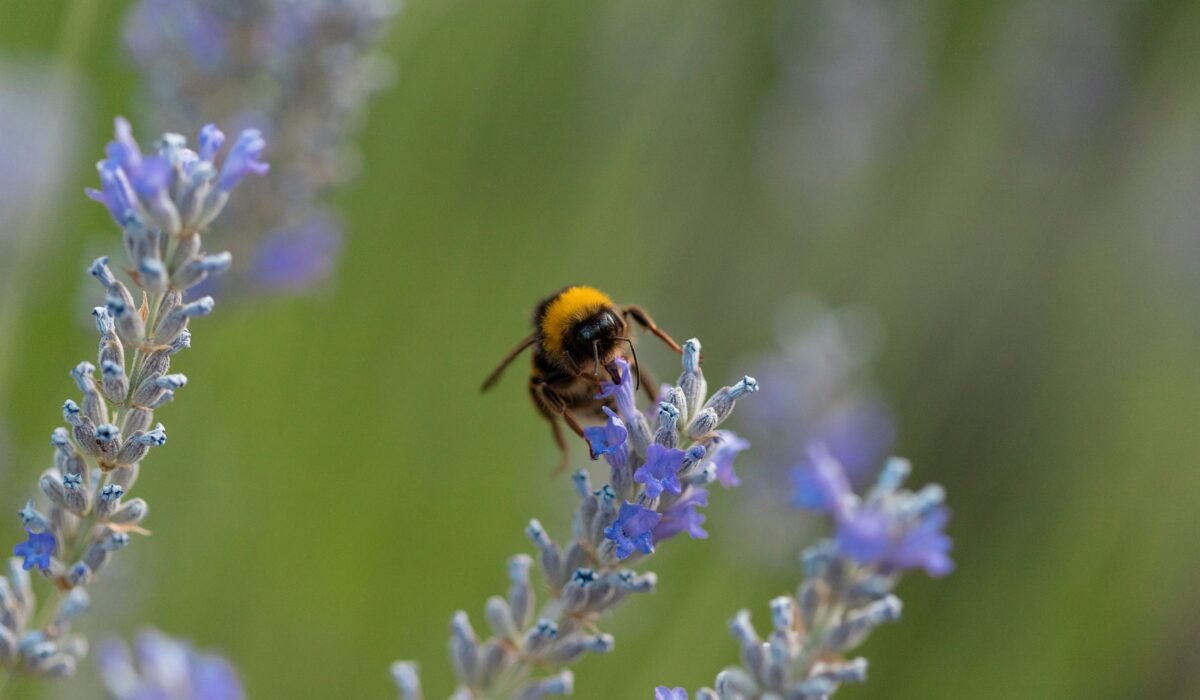
- Lavender: A magnet for bees and butterflies. Its fragrant purple flowers provide nectar.
- Basil: When allowed to flower, basil produces small white blossoms that attract bees.
- Oregano & Thyme: These low-growing herbs produce tiny flowers that are very popular with small native bees.
- Cilantro (when bolting): While often grown for leaves, its delicate white flowers are a favorite of hoverflies and small bees.
Growing herbs vertically not only saves space but also places these pollinator magnets at eye level, making them easily accessible for insects.
This integration of edible and beneficial plants optimizes your vertical garden.
Flowers for a Pollinator Haven
Incorporating flowering plants specifically for pollinators can dramatically increase activity in your vertical garden.
- Alyssum: Its tiny, fragrant white flowers create a carpet of blooms that attract beneficial insects like hoverflies and predatory wasps, which also help with pest control.
- Nasturtiums: Edible flowers and leaves, they attract aphids (acting as a trap crop) and their bright blooms draw in bees.
- Violas/Pansies: Cheerful and compact, they offer early-season nectar for emerging pollinators.
- Zinnias (dwarf varieties): Bright, colorful, and long-blooming, dwarf zinnias are butterfly and bee favorites.
- Salvia (dwarf varieties): Many varieties offer spikes of blue, purple, or red flowers that are highly attractive to hummingbirds and bees.
Choosing dwarf or compact varieties of these flowers ensures they fit well within the limited space of a vertical garden.
This thoughtful selection maximizes both aesthetic appeal and ecological benefit.
Climbing Plants for Vertical Structures
For larger vertical structures like trellises or walls, climbing plants can create substantial pollinator habitats.
- Passionflower: Stunning flowers that attract specialized bees and butterflies.
- Honeysuckle: Fragrant blooms that are particularly attractive to hummingbirds and night-flying moths.
By thoughtfully selecting and integrating these plants, you create a dynamic and thriving vertical ecosystem, greatly enhancing your Vertical Garden Pollination Strategies. [KW Count: 21] This diversity not only supports pollinators but also creates a more resilient and productive garden.
Frequently Asked Questions
How do you pollinate a vertical garden?
You can pollinate a vertical garden through manual methods like hand-pollination with a brush or electric toothbrush, or by attracting natural pollinators. For indoor vertical gardens, hand pollination is often essential to ensure successful fruit set. Over one-fifth of native North American pollinators are at an elevated risk of extinction, making manual assistance crucial in isolated environments, according to NatureServe (2025). Regularly check your plants for open flowers and pollinate in the morning for best results.
How do you attract pollinators to a vertical garden?
To attract pollinators to a vertical garden, plant a variety of pollinator-friendly herbs and flowers such as lavender, basil, zinnias, and alyssum. Provide shallow water sources and avoid synthetic pesticides to create a safe habitat. Urban green roofs, including vertical trellis features, can support at least 13 pollinator species, demonstrating the effectiveness of strategic planting, according to a







