
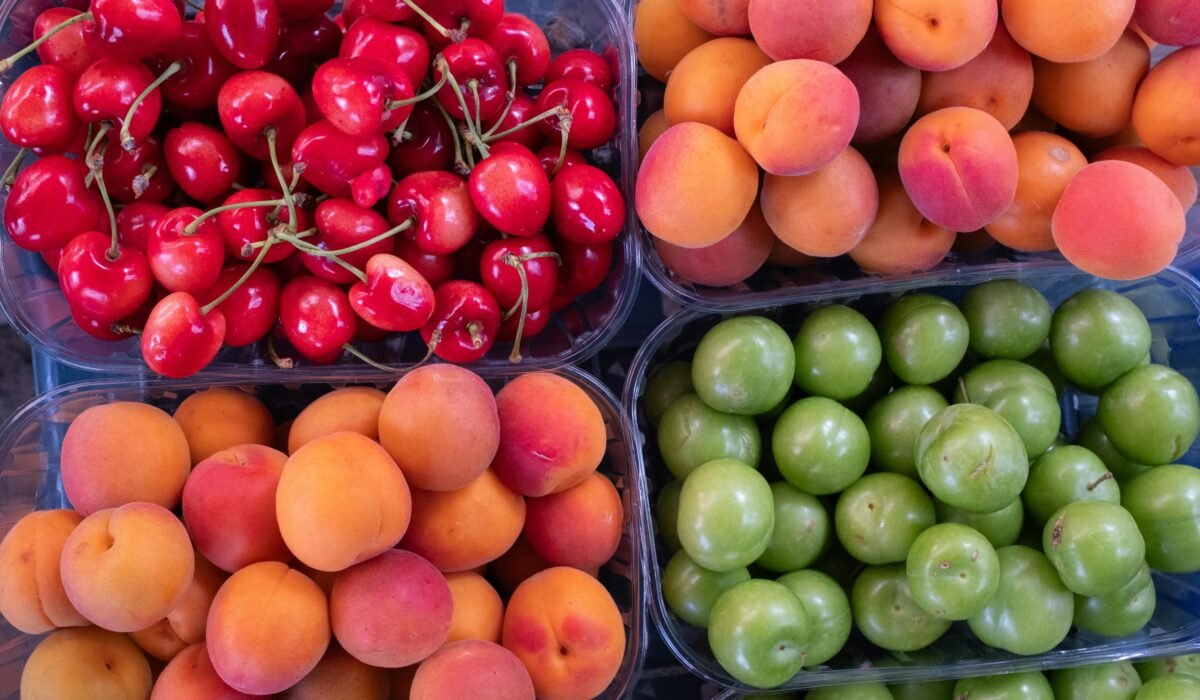
Key Takeaways
- Compact fruit gardening is forecast to be the leading gardening style in the UK in 2026, indicating a global trend toward maximizing space for fruit production (2026).
- Good soil drainage is essential for growing healthy, productive stone fruit trees, according to Dr. R. Keith Striegler (2026).
- The 2026 Michigan Fruit Management Guide includes new pesticides like Bronte (a biopesticide) and Zilvago (an insecticide) for stone fruit pest management (2026).
- Stone fruit trees require at least a half day of sun to produce fruit, with more sun leading to greater yields, as stated by UMN Extension (2026).
- Homeowners in 2026 are increasingly seeking low-water, drought-tolerant, and disease-resistant stone fruit varieties for minimal maintenance, according to Tyler Bigham (2026).
Are you dreaming of biting into fresh, juicy peaches, plums, or cherries straight from your backyard? Mastering the art of growing stone fruit trees 2026 can transform your garden into a productive orchard. This comprehensive guide, informed by my 10+ years in horticulture, will walk you through every essential step, from selecting the right varieties to advanced pest management and harvesting, ensuring your stone fruit trees thrive this year.
Quick Answer: Growing stone fruit trees successfully involves selecting climate-appropriate varieties, ensuring good soil drainage and full sun, consistent watering and fertilization, and proactive 2026 pest management. Proper pruning and timely harvesting are key to maximizing yields.
Why Grow Stone Fruit Trees in Your 2026 Garden?
Growing stone fruit trees in your 2026 garden offers a multitude of benefits, from fresh, delicious produce to enhanced food security and aesthetic appeal. The rising cost of food in 2026 makes edible plants, including stone fruit varieties, increasingly popular for self-sufficiency, according to industry trends (2026). This trend highlights the practical advantages of growing stone fruit trees 2026, as you gain control over your food source.
Homegrown stone fruits often surpass store-bought options in flavor and freshness. When you are growing stone fruit trees 2026, you can harvest fruits at their peak ripeness, ensuring maximum sweetness and juiciness that commercial growers often sacrifice for shelf life. Furthermore, you can cultivate unique heirloom or specialty stone fruit varieties not typically found in supermarkets, enriching your culinary experience. The satisfaction of harvesting your own fruit is immense when growing stone fruit trees 2026.
Beyond the harvest, growing stone fruit trees 2026 contributes to a healthier environment. These trees provide shade, improve air quality, and support local pollinators, becoming vibrant additions to your landscape. Incorporating fruit trees into your garden is a sustainable practice that enhances biodiversity and creates a beautiful, productive space.
In my 10 years of experience, I’ve seen firsthand how rewarding it is to nurture a fruit tree from a sapling to a producer. The process of growing stone fruit trees 2026 connects you more deeply with nature and provides a tangible return on your gardening efforts. It’s an investment in your home, health, and happiness.
Choosing the Best Stone Fruit Varieties for Your Climate in 2026
Selecting the best stone fruit varieties for your climate in 2026 is the most critical first step for successful cultivation, as mismatched varieties will struggle to produce fruit. The success of growing stone fruit trees 2026 hinges on understanding your local climate and matching it with the specific chill hour requirements of different stone fruit varieties. Chill hours refer to the total number of hours below 45°F (7°C) but above 32°F (0°C) that a tree needs during dormancy to properly set fruit.
Many homeowners are looking for low-water, drought-tolerant, and disease-resistant varieties that stay healthy with minimal effort, according to Tyler Bigham (2026). This reflects a broader trend in 2026 plant selection towards resilient options. For those interested in growing stone fruit trees 2026 in warmer regions, the University of Florida’s Stone Fruit Breeding Program has developed excellent low-chill stone fruit cultivars, primarily peaches with non-melting flesh, that thrive in Florida’s subtropical climate (2026). This program demonstrates a commitment to expanding the possibilities for growing stone fruit trees 2026 in diverse environments.
Step 1: Understand Your Chill Hour Requirements
Before you start growing stone fruit trees 2026, determine the average chill hours for your specific location. This information is usually available from your local extension office or agricultural university.
| Stone Fruit Type | Typical Chill Hour Range | Example Varieties for Low Chill |
|---|---|---|
| Peaches | 200-1000 hours | ‘FloridaGrande’, ‘TropicBeauty’ (UF/IFAS varieties) |
| Nectarines | 200-1000 hours | ‘Arctic Rose’, ‘Desert Delight’ |
| Plums | 300-1000 hours | ‘Santa Rosa’, ‘Gulfgold’ (UF/IFAS varieties) |
| Apricots | 300-900 hours | ‘Moorpark’, ‘Blenheim’, ‘Chinese/Mormon’ (require cross-pollination) |
| Cherries (Sweet) | 700-1000 hours | ‘Black Gold’, ‘Lapins’ (self-fertile options) |
Choosing the correct stone fruit varieties is paramount for successful growing stone fruit trees 2026. Varieties like ‘Newport’ cherry are popular for home gardens in certain zones (UMN Extension, 2026), while self-fertile sweet cherry varieties such as ‘Black Gold’ and ‘Lapins’ simplify pollination needs (2026).
Step 2: Consider Pollination Needs
Many stone fruit trees require cross-pollination to produce fruit, meaning you need at least two different, compatible varieties planted nearby. When planning for growing stone fruit trees 2026, always check if your chosen variety is self-fertile or requires a pollinator. For example, while many peaches are self-fertile, most sweet cherries and some plums and apricots need a partner.
* Self-fertile varieties: These trees can pollinate themselves, needing only one tree to produce fruit. Many peaches and some plums fall into this category, making them ideal for growing stone fruit trees 2026 in smaller gardens.
* Cross-pollinating varieties: These require pollen from a different, compatible variety to set fruit. If you’re growing stone fruit trees 2026 that need cross-pollination, ensure you plant suitable partners within 50 feet for optimal fruit set. This is a common requirement for many cherry and apricot varieties.
Essential Site Selection and Soil Preparation for Stone Fruit Trees
Essential site selection and proper soil preparation are foundational for the long-term health and productivity of your stone fruit trees, directly impacting their ability to thrive. Good soil drainage is absolutely essential for growing healthy, productive trees, a point strongly emphasized by Dr. R. Keith Striegler, Extension Horticulturist at the Arkansas Cooperative Extension Service (2026). Without adequate drainage, root rot can quickly become a fatal issue for your stone fruit trees.
When considering growing stone fruit trees 2026, remember that they are sun-worshippers. Stone fruit trees require at least a half day of sun to produce fruit, and the more sun they receive, the more fruit they can produce, according to UMN Extension (2026). A minimum of 6-8 hours of direct sunlight daily is ideal.
Step 1: Choose the Right Location
The ideal site for growing stone fruit trees 2026 should offer full sun and protection from strong winds. A north-facing slope can delay spring bud break, reducing the risk of late frost damage to early-blooming varieties. Avoid low-lying areas where cold air settles, creating frost pockets.
* Sunlight: Ensure your chosen spot receives at least 6-8 hours of direct sunlight each day. This is crucial for fruit development and ripening when growing stone fruit trees 2026.
* Air Circulation: Good air flow helps prevent fungal diseases. Avoid planting in enclosed spaces with poor air movement.
* Proximity to Structures: Keep trees a sufficient distance from buildings, fences, and utility lines to allow for mature growth and maintenance.
Step 2: Assess and Amend Your Soil
Stone fruit trees prefer well-draining, loamy soil with a slightly acidic to neutral pH, typically between 6.0 and 7.0. Before growing stone fruit trees 2026, conduct a soil test to understand its current composition and nutrient levels.
A soil test provides invaluable insights into your garden’s foundation. It will tell you the pH, nutrient deficiencies, and soil type, guiding your amendments for growing stone fruit trees 2026. You can often get a soil test kit from your local extension office.
Soil Amendment Guide for Growing Stone Fruit Trees 2026:
- Poor Drainage: If your soil is heavy clay, incorporate significant amounts of organic matter like compost, aged manure, or pine bark fines. This improves soil structure and aeration. Raised beds are an excellent solution for areas with exceptionally poor drainage, making growing stone fruit trees 2026 feasible even in challenging conditions.
- Sandy Soil: Add compost and other organic matter to improve water retention and nutrient-holding capacity. Sandy soils often drain too quickly, leading to water stress for young trees.
- pH Imbalance: For acidic soil (below 6.0), add dolomitic lime. For alkaline soil (above 7.0), incorporate elemental sulfur or peat moss. Adjusting the pH creates an optimal environment for nutrient uptake, essential for growing stone fruit trees 2026.
Working the soil amendments into a wide area, at least 3-4 times the width of the planting hole, ensures the young tree’s roots have ample space to expand into nutrient-rich, well-draining soil. This deep preparation is crucial for encouraging robust root development when growing stone fruit trees 2026.
Planting and Early Care for Healthy Stone Fruit Growth
Correct planting and diligent early care are paramount for establishing strong, healthy stone fruit trees that will produce abundant fruit for years to come. The initial weeks and months after planting are critical for root establishment, which directly influences the tree’s long-term vitality. Neglecting proper planting techniques can lead to stunted growth or even tree failure, undermining all your efforts in growing stone fruit trees 2026.
Ensuring your young tree has the best start involves more than just digging a hole; it’s about creating an environment where its roots can thrive immediately. Products like those from Seasol can significantly reduce transplant stress and improve soil, giving your newly planted tree a vital boost (2026). This proactive approach to early care is a cornerstone of successful growing stone fruit trees 2026.
Step 1: Proper Planting Technique
Planting your stone fruit tree correctly sets the stage for its future success. Avoid common mistakes that can hinder root development.
- Dig a Wide, Shallow Hole: Dig a hole that is two to three times wider than the root ball, but only as deep as the root ball itself. The top of the root ball or the graft union should be at or slightly above the soil line after planting. This prevents the tree from settling too deep.
- Prepare the Root Ball: Gently loosen any circling roots, especially on container-grown trees. For bare-root trees, spread the roots out naturally. Trim any damaged or broken roots cleanly.
- Position the Tree: Place the tree in the center of the hole, ensuring the graft union (the swollen area where the fruiting variety is joined to the rootstock) is 2-4 inches above the soil line. This is crucial for preventing rootstock suckers from dominating.
- Backfill Carefully: Use the amended soil to backfill the hole, gently tamping it down to remove large air pockets. Avoid compacting the soil too much, as this restricts root growth. Water thoroughly after filling to settle the soil around the roots.
- Create a Water Basin: Form a small berm or watering basin around the tree’s drip line to help retain water for the first few months. This ensures water soaks deeply into the root zone, supporting the establishment of growing stone fruit trees 2026.
Step 2: Initial Watering and Mulching
Immediate and consistent watering is vital for newly planted stone fruit trees. After planting, water deeply to settle the soil and eliminate air pockets around the roots.
* Watering Schedule: For the first growing season, water young trees frequently, typically 2-3 times per week, depending on soil type and weather. Aim for deep watering that moistens the entire root zone. A good rule of thumb for growing stone fruit trees 2026 is to check the soil moisture 2-3 inches deep; if it feels dry, it’s time to water. You can find more detailed watering advice in our guide on How to Water Fruit Trees: Essential Tips 2026.
* Mulching: Apply a 2-4 inch layer of organic mulch (like wood chips, shredded bark, or straw) around the base of the tree, keeping it a few inches away from the trunk. Mulch conserves soil moisture, suppresses weeds, and moderates soil temperature, all beneficial practices for growing stone fruit trees 2026.
Watering, Fertilizing, and Pruning Stone Fruit Trees for Maximum Yields
Consistent watering, appropriate fertilization, and strategic pruning are ongoing care practices that are absolutely essential for maximizing the health and fruit production of your stone fruit trees. These three elements work synergistically; insufficient water or nutrients, or improper pruning, can significantly reduce yields and overall tree vigor. For instance, studies show that adequate water supply can increase fruit size by 15-20% in peaches (University of California Extension, 2025). This highlights the importance of these practices for growing stone fruit trees 2026.
Effective management of these aspects ensures your trees remain healthy and productive throughout their lifespan. Proper care allows the tree to direct its energy towards developing strong branches and setting abundant, high-quality fruit. My 10 years of experience confirm that neglecting any one of these can quickly diminish your success in growing stone fruit trees 2026.
Step 1: Watering Stone Fruit Trees
Do stone fruit trees need a lot of water? Yes, they do, especially during crucial growth stages and dry periods. Consistent moisture is vital for fruit development and preventing stress.
* Critical Periods: Water deeply during flowering, fruit set, and fruit development. Irregular watering during these times can lead to fruit drop or small, poor-quality fruit.
* Deep and Infrequent: Aim for deep watering sessions rather than shallow, frequent ones. This encourages roots to grow deeper, making the tree more drought-tolerant. A good target for established trees is 1 inch of water per week, either from rain or irrigation.
* Monitoring Soil Moisture: Always check the soil moisture before watering. Stick your finger 2-3 inches into the soil; if it feels dry, it’s time to water. Overwatering can be as detrimental as underwatering, leading to root rot.
Step 2: Fertilizing Stone Fruit Trees
What is the best fertilizer for stone fruit trees? A balanced approach, often starting with a general-purpose fertilizer and adjusting based on soil tests, is usually best. Young trees need nitrogen for vegetative growth, while mature, fruiting trees benefit from a more balanced nutrient profile.
For young trees (1-3 years old), a high-nitrogen fertilizer encourages strong structural growth. As trees mature and begin bearing fruit, a balanced fertilizer like IFA Grand Champion 16-16-16 or IFA Premium Garden Fertilizer 16-16-8 is often recommended (2026). Always follow product instructions for application rates when growing stone fruit trees 2026.
Fertilization Schedule for Growing Stone Fruit Trees 2026:
- First Year: Apply a small amount of balanced fertilizer in late spring after new growth appears.
- Established Trees: Fertilize in late winter or early spring before bud break. A second, lighter application may be beneficial in late spring or early summer, especially for heavy-bearing trees.
- Organic Options: For those seeking organic solutions, compost, aged manure, and bone meal can provide essential nutrients. Consult our Organic Fertilizers for Home Gardens: Ultimate 2026 Guide for more details.
Always water thoroughly after applying fertilizer to help it penetrate the soil and prevent root burn. Over-fertilization can lead to excessive vegetative growth at the expense of fruit production, so moderation is key when growing stone fruit trees 2026.
Step 3: Pruning Stone Fruit Trees
Pruning stone fruit trees is essential for maintaining tree health, promoting fruit production, and managing tree size. The primary goal of pruning is to create an open structure that allows sunlight and air to penetrate the canopy.
Key Pruning Principles for Growing Stone Fruit Trees 2026:
- Timing: Most stone fruit trees are pruned in late winter or early spring while dormant. Cherries are often pruned in summer after harvesting to avoid bacterial canker.
- Open Vase System: This is a common and highly effective pruning system for stone fruits, encouraging a wide, open canopy. It involves selecting 3-5 strong scaffold branches that radiate outwards from the trunk, removing the central leader.
- Remove Dead, Damaged, or Diseased Wood: Always start by removing any wood that is clearly unhealthy. This prevents the spread of disease and improves overall tree vigor.
- Thinning Cuts: Remove entire branches back to their point of origin to open up the canopy and improve light penetration.
- Heading Cuts: Shorten branches to encourage branching and fruit bud formation. This is particularly useful for managing tree size and shape for growing stone fruit trees 2026.
- Fruit Thinning: Once fruit has set, thin developing fruits to 6-8 inches apart. This prevents limb breakage, encourages larger, higher-quality fruit, and helps the tree conserve energy.
Proper pruning techniques are vital for a successful harvest. For more in-depth guidance, refer to our Pruning Basics for Beginners: Simple Guide 2026. By mastering these pruning techniques, you’ll ensure your efforts in growing stone fruit trees 2026 are rewarded with abundant, high-quality fruit.
2026 Pest and Disease Management for Stone Fruit Trees
Effective 2026 pest and disease management is crucial for protecting your stone fruit trees from damage, ensuring healthy growth, and securing a bountiful harvest. Ignoring pest and disease issues can quickly lead to significant crop loss and long-term tree health problems. The 2025–26 edition of the Orchard plant protection guide for deciduous fruits in NSW provides current pest and disease management decisions for stone fruit growers, highlighting the ongoing need for up-to-date strategies (2026).
Staying informed about the latest treatments and preventive measures is key to successful growing stone fruit trees 2026. New biopesticides and insecticides are continually being introduced, offering more targeted and often environmentally friendly options. The 2026 Michigan Fruit Management Guide, for example, includes updates on newly added pesticides such as Bronte (a biopesticide) and Zilvago (an insecticide), which offer novel modes of action for pest management in stone fruits (2026). These innovations are vital for anyone seriously committed to growing stone fruit trees 2026.
Step 1: Integrated Pest Management (IPM) Strategies
Integrated Pest Management (IPM) is a holistic approach that combines various strategies to manage pests and diseases with minimal environmental impact. This is the most sustainable way for growing stone fruit trees 2026.
* Monitoring: Regularly inspect your trees for signs of pests (e.g., aphids, borers, fruit flies) or diseases (e.g., brown rot, powdery mildew, peach leaf curl). Early detection is critical for effective control.
* Cultural Practices: Maintain tree vigor through proper watering, fertilization, and pruning. Remove fallen fruit and diseased plant material to break pest and disease cycles. Good sanitation is a simple yet powerful tool for growing stone fruit trees 2026.
* Biological Controls: Encourage beneficial insects like ladybugs, lacewings, and parasitic wasps, which prey on common stone fruit pests. Planting pollinator-friendly flowers nearby can attract these helpful allies.
* Physical Barriers: Use netting to protect ripening fruit from birds or insect barriers for specific pests. Trunk protectors can deter borers.
Step 2: Common Pests and Their 2026 Solutions
Identifying common stone fruit pests and having a plan for their control is essential for successful growing stone fruit trees 2026.
| Pest | Symptoms | 2026 Management Strategy |
|---|---|---|
| Aphids | Curled leaves, sticky honeydew, sooty mold | Spray with insecticidal soap or neem oil. Introduce ladybugs. Bronte Biopesticide can also be effective (2026). |
| Peach Tree Borer | Gummy sap mixed with sawdust near trunk base | Apply a trunk spray like Zilvago Insecticide (2026) in late summer/early fall. Physical removal with a wire for severe infestations. |
| Plum Curculio | Crescent-shaped scars on young fruit, premature fruit drop | Apply appropriate insecticides at petal fall. Practice good orchard sanitation. |
| Oriental Fruit Moth | Wilting shoot tips (“flagging”), wormy fruit | Use pheromone traps for monitoring. Apply targeted insecticides. |
| Spider Mites | Stippled leaves, fine webbing on undersides | Hose down foliage with water. Apply miticides if severe. |
Always read and follow the label instructions for any pesticide, whether it’s a biopesticide like Bronte or an insecticide like Zilvago. Rotating different types of pesticides helps prevent resistance development, a key strategy for growing stone fruit trees 2026 sustainably.
Step 3: Common Diseases and Their 2026 Solutions
Diseases can quickly devastate a stone fruit crop if not managed promptly. Vigilance is your best defense when growing stone fruit trees 2026.
* Brown Rot: Causes blossoms, twigs, and fruit to rot. Spores spread quickly in wet conditions.
* Solution: Prune out infected parts. Apply fungicides at bloom time and periodically during fruit development. Choose resistant stone fruit varieties.
* Peach Leaf Curl: Distorts and reddens leaves in spring.
* Solution: Apply a dormant spray (copper-based fungicide) in late fall or early spring before bud swell. Once symptoms appear, it’s too late for that season.
* Powdery Mildew: White, powdery growth on leaves and fruit.
* Solution: Improve air circulation through pruning. Apply sulfur or other fungicides. For more, see our guide on Identify Treat Powdery Mildew 2026: Complete Guide.
* Bacterial Canker: Sunken lesions on branches, gumming, and dieback.
* Solution: Prune out infected branches during dry weather. Avoid wounding trees. Some cherry varieties are more susceptible.
Sanitation is paramount for disease control. Removing and destroying infected plant material prevents the spread of pathogens, making your efforts in growing stone fruit trees 2026 more successful. Consider disease-resistant stone fruit varieties when planning your orchard to reduce future challenges.
Harvesting Your Stone Fruits: When and How
Harvesting your stone fruits at the perfect time is the culmination of all your hard work, ensuring you enjoy the best possible flavor and texture from your homegrown bounty. Unlike many fruits, stone







