Key Takeaways
- A 2024 survey revealed a 37% increase in invasive species across North America.
- Recent studies show neem oil can reduce aphid populations by as much as 85 percent in a single season.
- Over 43% of Americans are now growing some kind of food at home, according to recent data.
- Healthy soil and balanced pH levels are the best preventative measures for a pest-free garden, per Farmers’ Almanac (2026).
- Integrated Pest Management (IPM) offers a tiered, natural approach to effectively manage garden pests.
Are you looking for effective, eco-friendly ways of **controlling garden pests naturally** in your backyard oasis? In my 10 years of experience as a horticulturist, I’ve seen firsthand how challenging pest outbreaks can be, but also how rewarding it is to manage them without harsh chemicals. This guide will equip you with practical, expert-backed strategies to keep your garden thriving, naturally.
Quick Answer: Keep pests out of your garden naturally by fostering healthy soil, practicing companion planting, attracting beneficial insects, using physical barriers, and applying homemade organic sprays like neem oil or soapy water at the first sign of trouble.
Why Choose Natural Garden Pest Control in 2026?
Choosing natural garden pest control methods is increasingly vital for environmental health, personal safety, and long-term garden sustainability in 2026. Over 70% of home gardeners prefer products labeled as organic or natural, highlighting a significant demand for chemical-free solutions. This preference reflects a growing awareness of the benefits of **controlling garden pests naturally**.
The shift towards organic pest control isn’t just a trend; it’s a responsible choice for both your family and the planet. As Rachel Carson reminded us in her groundbreaking work, nature works in balance, and by respecting that balance, pest control becomes a responsible partnership with nature, according to author Anuradha Sowmyanarayanan. Using chemical pesticides can disrupt this delicate ecosystem, harming beneficial insects, wildlife, and even contaminating water sources.
Embracing natural methods for **controlling garden pests naturally** protects the biodiversity of your backyard. A 2024 survey revealed a 37% increase in invasive species across North America, making ecological balance more critical than ever. Healthy ecosystems are more resilient to new threats.
Furthermore, with over 43% of Americans now growing some kind of food at home, the desire for healthy, homegrown produce is strong. Using natural pest control ensures that the fruits and vegetables you harvest are safe for your family to eat, free from synthetic residues. It’s about cultivating a garden that nourishes both body and soul.
Diagnosing Your Garden Pest Problem: A Beginner’s Visual Guide
Accurately diagnosing your garden pest problem is the crucial first step in **controlling garden pests naturally**, allowing you to apply targeted and effective treatments. Entomologist Marcus Griswold of Your Bugs Club emphasizes, “When you catch pests early, you can slow or halt their reproduction,” underscoring the importance of vigilance. Early detection prevents minor issues from escalating into major infestations, preserving your plants and reducing the effort required for remediation.
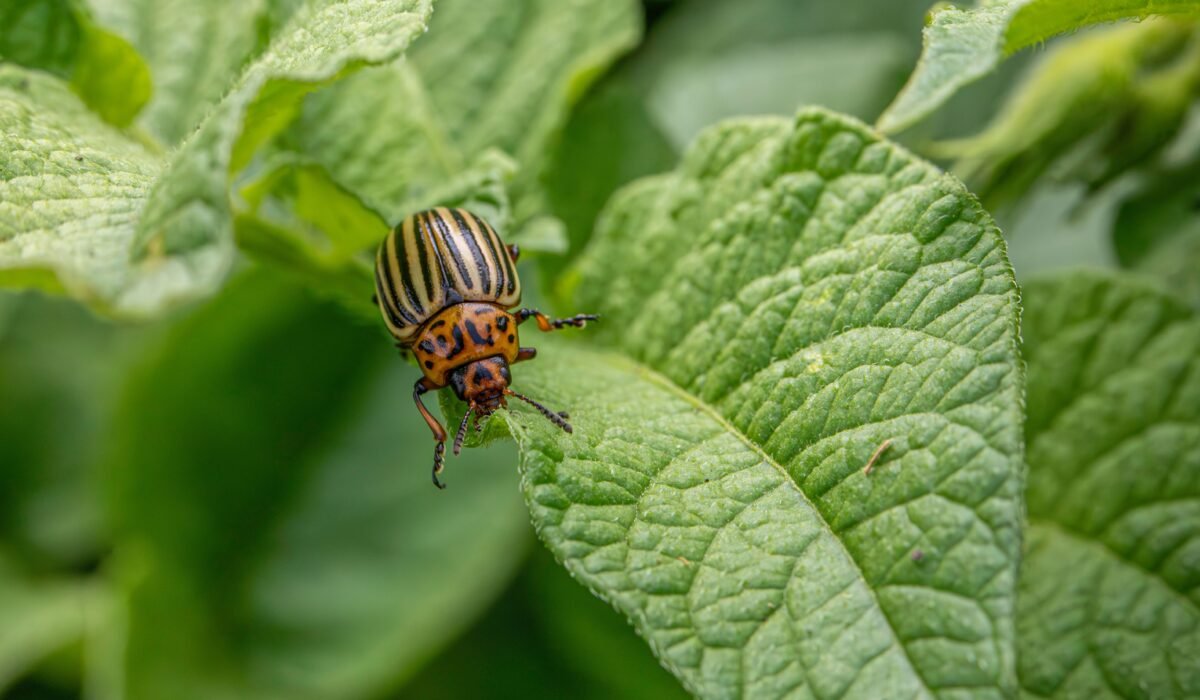
Identifying the specific pest is vital because different insects require different natural control methods. Look for characteristic signs of damage and observe the pests themselves. This proactive approach is key to successful organic pest control.
Here are common garden pests and their tell-tale signs:
- Aphids: Small, soft-bodied insects (green, black, red, or brown) clustered on new growth, underside of leaves, or flower buds. They cause distorted, yellowed, or stunted leaves and often leave behind sticky “honeydew” which can lead to sooty mold.
- Spider Mites: Tiny, spider-like pests often found on the underside of leaves. Their feeding creates tiny yellow or white stipples, and heavy infestations produce fine webbing, especially between leaves and stems.
- Slugs & Snails: Leave irregular holes in leaves, especially tender new growth, and a distinctive silvery slime trail. They are most active during damp conditions and at night.
- Cabbage Worms/Loopers: Green caterpillars that chew large, irregular holes in leaves of cabbage, broccoli, kale, and other brassicas. You might also find their dark green droppings on the leaves.
- Japanese Beetles: Metallic green and copper beetles that skeletonize leaves, leaving only the veins. They are particularly fond of roses, grapes, and many ornamental plants.
- Cucumber Beetles: Yellow-green beetles with black spots or stripes that chew holes in leaves and flowers, and transmit bacterial wilt. You can find a comprehensive guide for identifying and treating them at Identify & Treat Cucumber Beetles 2026: Complete IPM Guide.
Regular inspection of your plants, including the undersides of leaves and new shoots, will help you spot these invaders before they cause significant damage. A magnifying glass can be a valuable tool for identifying tiny pests like spider mites. Remember, **controlling garden pests naturally** starts with knowing your enemy.
Step 1: Regular Garden Patrols
Dedicate a few minutes each day to walk through your garden, closely examining your plants. This daily habit helps you catch pest problems when they are small and manageable. Early detection is paramount for effective organic pest control.
Step 2: Look for Clues
Don’t just look for the pests themselves; observe the symptoms of damage. Yellowing leaves, chewed edges, sticky residue, or stunted growth all signal a potential issue. These clues are essential for accurately diagnosing the problem and choosing the right natural remedy for **controlling garden pests naturally**.
What are the Best Natural Ways to Keep Bugs Off Plants?
The best natural ways to keep bugs off plants involve a multi-pronged approach that focuses on prevention, deterrence, and creating a robust garden ecosystem. This comprehensive strategy is highly effective for **controlling garden pests naturally**, as advocated by experts like UC Integrated Pest Management (UC IPM). By combining several methods, you create a less hospitable environment for pests while encouraging beneficial life.
Prevention is always easier than cure when dealing with garden pests. Strong, healthy plants are inherently more resistant to infestations. This holistic approach reduces reliance on any single method, offering greater long-term success in organic pest control.
Companion Planting for Pest Deterrence
Companion planting involves strategically placing different plant species near each other to deter pests, attract beneficial insects, or improve plant health. This age-old technique is a cornerstone of **controlling garden pests naturally**. It creates a diverse environment that confuses pests and provides refuge for their predators.
Here are some effective companion planting combinations:
- Marigolds (Tagetes spp.) are excellent deterrents for nematodes and aphids when planted near tomatoes, beans, and roses. Their strong scent confuses many insect pests.
- Basil repels flies and mosquitoes, making it a great companion for tomatoes. It is also believed to enhance the flavor of tomatoes.
- Nasturtiums act as a “trap crop” for aphids, drawing them away from more valuable plants. Once infested, the nasturtiums can be removed and disposed of.
- Dill and Alyssum attract beneficial insects like hoverflies and lacewings, whose larvae are voracious aphid hunters. These plants serve as nectar sources for adult predators.
- Garlic and Onions repel a wide range of pests, including aphids, slugs, and carrot rust flies, due to their pungent aroma. Plant them around susceptible crops.
Physical Barriers and Traps
Physical barriers create a protective shield around your plants, preventing pests from reaching them. This method is incredibly effective for **controlling garden pests naturally** without any sprays or chemicals. It’s a proactive measure that keeps pests at bay from the start.
Consider these physical barrier options:
- Row Covers: Fine gauge mesh netting, such as Enviromesh, can be draped over hoops to protect crops like carrots, cabbage, and squash from flying insects like carrot flies, cabbage moths, and squash vine borers. Ensure the edges are secured to the ground.
- Copper Tape: Effective against slugs and snails, copper tape creates a mild electrical charge that deters them. Apply it around raised beds or container rims.
- Diatomaceous Earth (DE): Food-grade Diatomaceous Earth acts as a physical barrier and desiccating agent against crawling insects. Sprinkle a fine layer around the base of plants or directly on pests like slugs, ants, and flea beetles. The sharp microscopic edges of DE cut through their exoskeletons, leading to dehydration.
- Hand-picking: For larger pests like Japanese beetles, tomato hornworms, or slugs, hand-picking them off plants and dropping them into a bucket of soapy water is a simple yet effective method. Do this in the early morning or evening when pests are less active.
Crop Rotation
Practicing crop rotation involves changing the location of your crops each season to prevent the buildup of pest populations and diseases in the soil. This strategy is a fundamental aspect of **controlling garden pests naturally** and maintaining soil health. Pests often specialize in certain plant families; rotating crops breaks their life cycle.
For instance, if you plant tomatoes in the same spot year after year, pests that feed on tomatoes will thrive in that area. By rotating to a different crop family, you deprive those pests of their food source, reducing their numbers. This method also improves soil fertility and reduces the need for synthetic inputs.
DIY Homemade Sprays for Effective Pest Control
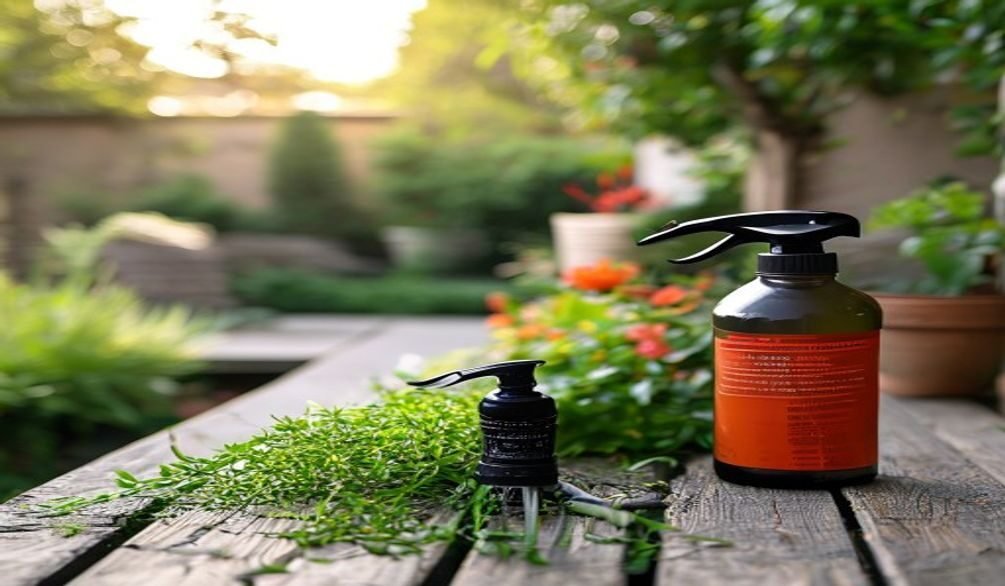
DIY homemade sprays offer an immediate, cost-effective, and non-toxic solution for **controlling garden pests naturally** once an infestation is detected. These solutions leverage common household ingredients to disrupt pest feeding, reproduction, or physical integrity. For instance, recent studies show neem oil can reduce aphid populations by as much as 85 percent in a single season.
These sprays are particularly useful for soft-bodied insects and can be applied directly to affected plants. Always test a small area of the plant first to ensure there’s no adverse reaction before full application. The key to success is consistency and early intervention.
Neem Oil Spray
Neem oil is a potent natural insecticide, fungicide, and miticide derived from the neem tree. It works as an antifeedant, growth disruptor, and repellent, making it highly effective for **controlling garden pests naturally**. Brands like Bonide Captain Jack’s Neem Oil and Natria Neem Oil Spray are popular organic options.
To make your own neem oil spray:
- Mix 1-2 tablespoons of 100% cold-pressed neem oil with 1 teaspoon of mild liquid dish soap (as an emulsifier) in 1 gallon of warm water.
- Shake well before each use, as the oil can separate.
- Spray all parts of the plant thoroughly, especially the undersides of leaves, until dripping. Apply in the evening to avoid burning foliage in direct sun and to minimize harm to beneficial insects, which are less active at night.
- Reapply every 7-14 days as needed, or after rain.
Insecticidal Soap Spray
Insecticidal soap sprays are excellent for soft-bodied insects like aphids, spider mites, whiteflies, and mealybugs. The soap dissolves the insects’ protective outer layer, causing dehydration. This is a gentle yet effective method for **controlling garden pests naturally**.
To make an all-purpose insecticidal soap spray:
- Combine 2 teaspoons of mild liquid dish soap (avoid detergents with degreasers or bleach) with 1 quart of warm water.
- Mix thoroughly.
- Spray directly onto pests, ensuring good coverage. The spray must come into direct contact with the insects to be effective.
- Reapply every 5-7 days until the infestation is under control.
Garlic or Pepper Spray
Pungent ingredients like garlic and cayenne pepper can deter pests through their strong smell and irritating properties. These sprays act as repellents and can be useful in **controlling garden pests naturally** that are sensitive to strong odors.
For a garlic spray:
- Blend 6-8 cloves of garlic with 1 quart of water.
- Let sit for 24 hours, then strain out the garlic solids.
- Add 1 teaspoon of liquid dish soap to the strained liquid.
- Spray on affected plants to deter pests like aphids, Japanese beetles, and slugs.
For a cayenne pepper spray:
- Mix 3 teaspoons of cayenne pepper (or other hot pepper powder) with 1 quart of water and a few drops of mild liquid dish soap.
- Let steep for an hour, then strain.
- Spray on plants to deter pests like cabbage loopers, squirrels, and rabbits.
Here’s a comparison of common natural spray ingredients:
| Natural Spray Ingredient | Primary Action | Target Pests | Application Notes |
|---|---|---|---|
| Neem Oil | Antifeedant, growth disruptor, repellent | Aphids, spider mites, whiteflies, caterpillars, scale | Apply in evening, full coverage, regular reapplication |
| Insecticidal Soap | Dehydrates soft-bodied insects | Aphids, spider mites, whiteflies, mealybugs | Direct contact needed, gentle on plants (test first) |
| Diatomaceous Earth | Physical desiccant | Slugs, ants, flea beetles, cockroaches | Apply as powder, effective when dry, reapply after rain |
| Garlic/Pepper Spray | Repellent, irritant | Aphids, cabbage loopers, squirrels, rabbits | Strong odor, can deter larger animals |
Integrated Pest Management for Home Gardeners
Integrated Pest Management (IPM) is a holistic, ecosystem-based strategy that focuses on long-term prevention of pests through a combination of techniques, making it the gold standard for **controlling garden pests naturally**. This approach prioritizes prevention and monitoring, only resorting to intervention when necessary and using the least toxic methods first. As Marcus Griswold wisely advises, “You want to encourage predators in your garden. Don’t accidentally kill the bugs that are eating your pests.”
IPM for home gardeners is about understanding the pest life cycle and using cultural, physical, biological, and only as a last resort, organic chemical controls. This systematic method minimizes risks to humans, beneficial organisms, and the environment. The UC Integrated Pest Management program provides extensive resources for implementing IPM effectively.
Step 1: Diagnose Your Pest Problem Accurately
The first step in IPM is to correctly identify the pest and understand its life cycle. This helps in choosing the most effective and least harmful control method. Misidentification can lead to ineffective treatments and wasted effort in **controlling garden pests naturally**.
Step 2: Monitor Your Garden Regularly
Consistent monitoring allows you to catch pest problems early and assess the severity of an infestation. Regular checks help you determine if action is needed and what type of intervention would be most appropriate. This vigilance is a cornerstone of preventative natural pest control.
Step 3: Implement Preventative Cultural Controls
Cultural controls involve practices that make your garden less appealing to pests and more resilient. This includes choosing pest-resistant varieties, practicing proper plant spacing, ensuring adequate watering, and maintaining healthy soil with organic fertilizers. The Farmers’ Almanac (2026 Guide) emphasizes, “The single best preventative measure for a pest-free garden is keeping the soil healthy and the pH levels balanced.”
Step 4: Utilize Physical and Mechanical Controls
These methods include hand-picking pests, using row covers, installing sticky traps, or applying barriers like copper tape or Diatomaceous Earth. These are highly effective for **controlling garden pests naturally** without introducing any substances into the environment. They provide immediate results for visible pests.
Step 5: Introduce or Encourage Biological Controls
Biological control involves using natural enemies—beneficial insects, birds, and other organisms—to manage pest populations. This step focuses on creating a habitat that attracts and sustains these helpful predators. Encouraging biodiversity is a powerful tool in organic pest control.
Step 6: Apply Organic Chemical Controls as a Last Resort
If other methods fail, apply organic-approved pesticides like neem oil, insecticidal soap, or pyrethrin-based sprays. Always follow label instructions carefully and target applications to minimize impact on beneficial insects. This step is a targeted intervention for **controlling garden pests naturally** when all else is insufficient.
Attracting Beneficial Insects: Your Garden’s Natural Allies
Attracting beneficial insects is one of the most powerful and sustainable strategies for **controlling garden pests naturally**, turning your garden into a self-regulating ecosystem. These natural predators and parasitoids actively hunt and consume common garden pests, drastically reducing the need for human intervention. For example,