Key Takeaways
- Drip irrigation can reduce water usage by up to 80% in vertical gardens compared to traditional watering, according to Green Success Stories (2024).
- Vertical gardens typically need more frequent watering than ground gardens because container media dries faster due to increased air exposure, according to gardening experts (2024).
- Automated irrigation systems are a must-have for water conservation, adjusting based on weather and plant needs, according to industry trends (2025).
- GreenStalk vertical planters use a patented internal watering system for even distribution across all tiers (2024).
- Checking soil moisture with your finger, rather than following a fixed schedule, prevents over or under-watering in varied climates, according to Gaurav, a horticulture graduate (2024).
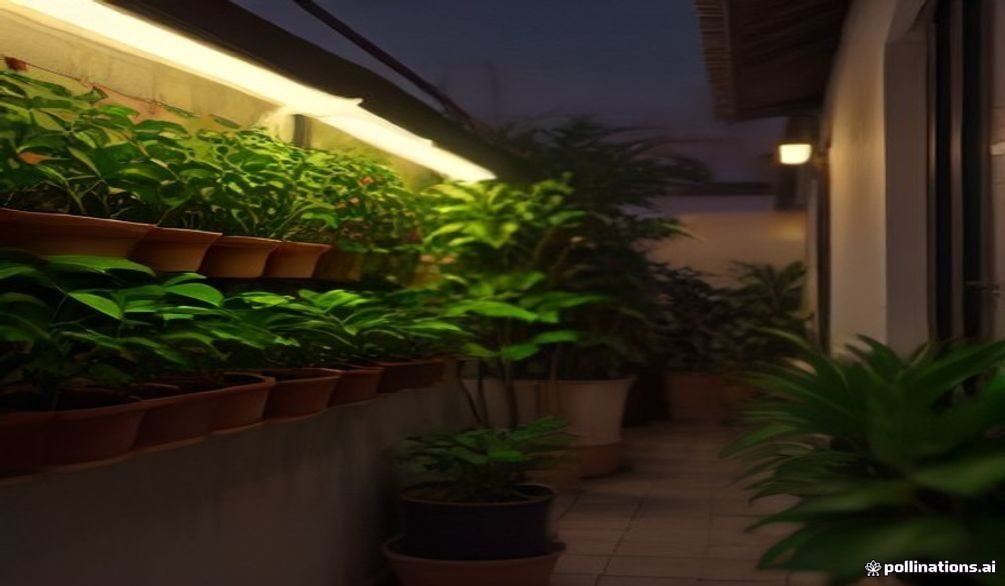
Most Mumbai balcony gardeners struggle to keep their pudina and dhania vibrant through the harsh pre-monsoon heat, often because their Vertical Garden Watering Techniques aren’t quite right for the intense sun. You’re not alone in finding this challenging; the vertical setup introduces unique hurdles compared to traditional ground beds. This guide will walk you through 8 smart ways to ensure your vertical garden thrives, from manual methods to automated solutions, keeping your plants healthy and conserving precious water.
Quick Answer: Effective vertical garden watering balances consistent moisture with water conservation, often achieved through drip irrigation, self-watering systems, or manual application tailored to plant needs and environmental factors.
Why are vertical garden watering techniques different?
Vertical garden watering techniques differ significantly from traditional ground gardening because of the unique structural challenges and increased exposure to air. Vertical gardens generally require more frequent watering than traditional gardens because the growing media in containers dries out faster due to increased air exposure, according to gardening experts (2024). You’re dealing with smaller soil volumes, which means less water retention, and usually more direct sun and wind exposure on all sides of the planter.
This setup also means gravity plays a bigger role, often leading to uneven water distribution where the top plants get plenty, but the lower ones might struggle. John Walker, a gardening expert, emphasizes that “Effective watering can make or break your vertical gardening efforts. Due to the vertical nature, water can sometimes have a hard time reaching all parts of your garden evenly.” In my 10 years of experience with Indian balcony gardens, I’ve seen countless times how quickly a lal mirch plant at the bottom of a stack can dry out while the top tulsi is perfectly moist. It’s all about understanding these differences to apply the right Vertical Garden Watering Techniques.
How do you water a tall vertical garden effectively?
To water a tall vertical garden effectively, you need to ensure consistent moisture reaches every tier, often by distributing water from the top down or using targeted irrigation for each level. Systems like the GreenStalk vertical planter, for instance, utilize a patented internal watering system that delivers water from a top reservoir down through each tier via slow-drip watering disks, ensuring even distribution (2024). This design prevents the common issue of lower plants going thirsty.
When you’re dealing with a tall structure, just pouring water on the top isn’t enough; the water often runs off the sides or saturates the very top layer, leaving the lower sections parched. Consider using a watering can with a long spout or a hose with a gentle shower setting if you’re watering manually. For taller setups, I’ve found that a simple plastic bottle with small holes poked in the cap, inverted and placed in the top pot, can provide a slow, steady drip to the layers below – it’s a DIY hack that works surprisingly well for small setups. Getting those Vertical Garden Watering Techniques right for height is key to preventing plant stress.
What is the best irrigation system for a vertical garden?
The best irrigation system for a vertical garden typically involves drip irrigation, as it offers precise water delivery, minimizes waste, and ensures consistent moisture. Drip irrigation can reduce water usage by up to 80% compared to traditional watering methods in vertical gardens, according to Green Success Stories (2024). This efficiency is crucial, especially in urban settings or during Indian summer heat.
For me, a drip irrigation vertical garden setup is a game-changer. Brands like Rain Bird and Netafim offer excellent components for creating a customized system. You’ll need a main line, smaller drip lines, and emitters that deliver water directly to the plant roots. This setup ensures that water isn’t lost to evaporation or runoff, making it one of the most effective Vertical Garden Watering Techniques. Plus, once it’s set up, it saves you a ton of time. ALTO Garden also champions automated irrigation systems, highlighting their popularity for maintaining consistent moisture without manual effort, which saves time and ensures plant health (2024).
Comparing popular vertical garden irrigation systems
| System Type | Pros | Cons | Best For |
|---|---|---|---|
| Drip Irrigation | Water-efficient, customizable, consistent moisture, automated potential | Initial setup cost & complexity, emitters can clog | Medium to large vertical gardens, busy gardeners |
| Self-Watering Planters | Consistent moisture, less frequent watering, easy for beginners | Limited to specific planter designs, can be expensive per unit | Small to medium vertical gardens, specific plant types |
| Ollas/Buried Reservoirs | Slow, steady release, promotes deep roots, water conservation | Requires burying in soil, limited water volume, manual refills | Smaller vertical gardens, specific plant pockets |
| Manual Watering | Low cost, direct control, simple for small setups | Time-consuming, inconsistent, prone to over/under-watering | Very small vertical gardens, attentive gardeners |
How often should you water a vertical garden?
You should water a vertical garden based on the specific needs of your plants, the type of growing media, and environmental conditions, rather than sticking to a rigid schedule. Watering on a fixed schedule is one of the worst habits an Indian balcony gardener can have — soil dries at completely different rates in summer versus monsoon, morning versus afternoon sun, terracotta versus plastic pots. Always check the soil with your finger, never follow a calendar, is my firm belief. This approach helps prevent both overwatering, which can lead to root rot, and underwatering, which stresses plants.
To check for moisture, simply stick your finger about an inch or two into the soil. If it feels dry, it’s time to water. If it still feels moist, hold off. During the intense Indian summer heat, like the 40°C+ temperatures we see in Delhi, you might need to water daily or even twice a day for plants like bhindi or cherry tomatoes. However, during the monsoon, you might only need to water once every few days, or not at all if there’s enough rain. Adjusting your Vertical Garden Watering Techniques to these fluctuating conditions is absolutely critical for plant health.
Do vertical gardens use a lot of water?
No, vertical gardens generally do not have to use a lot of water, especially when employing efficient Vertical Garden Watering Techniques like drip irrigation or self-watering systems. In fact, smart irrigation systems are becoming a must-have feature for homeowners looking to conserve water, allowing for adjustments based on weather forecasts, moisture levels, and plant needs, according to industry trends (2025). The goal is to maximize water efficiency.
While the open exposure means growing media can dry out faster, effective vertical garden water conservation strategies can significantly reduce overall consumption. For example, using ollas – unglazed terracotta pots buried in the soil – allows water to seep out slowly as needed, providing a balanced moisture level directly to the roots. This method drastically cuts down on water loss compared to overhead watering. Plus, for a garden in Madrid, evapotranspiration can be 6 liters per day per square meter in summer, highlighting the importance of targeted watering to combat such losses (2024).
Manual watering methods for vertical gardens
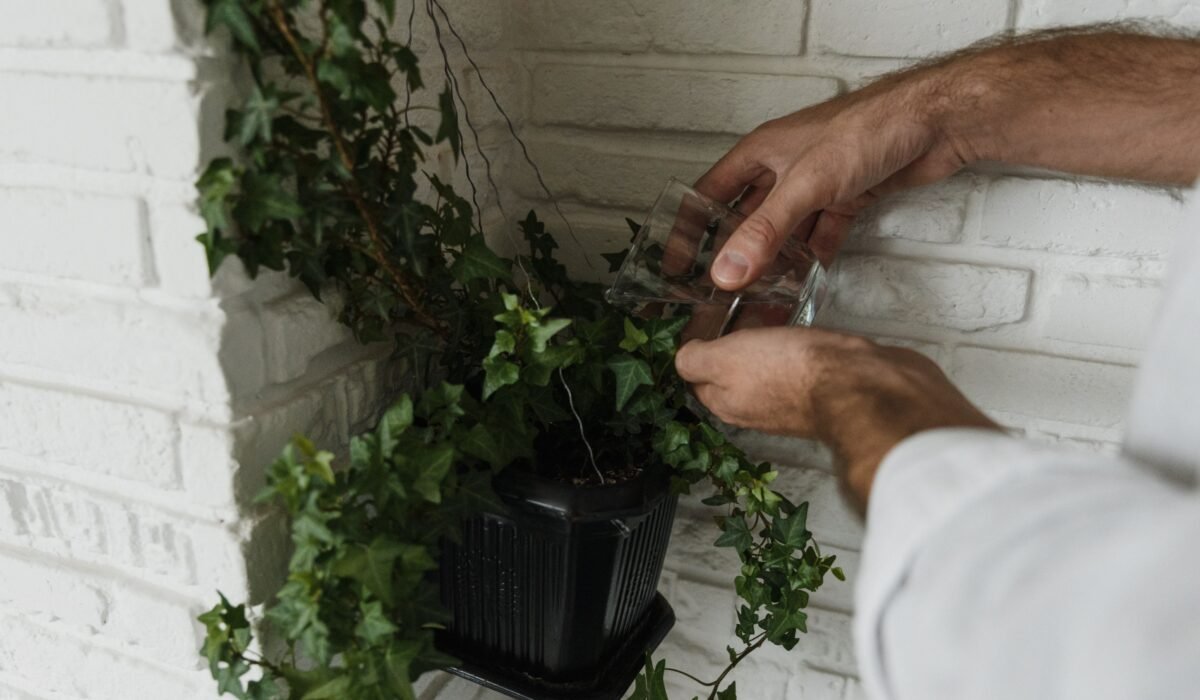
Manual watering methods for vertical gardens give you direct control over moisture levels, but they require consistent effort and careful application to be effective. For smaller vertical planters or individual pockets, a simple watering can with a long, narrow spout works wonders. This allows you to direct water precisely to the base of each plant, avoiding splashing leaves and minimizing runoff.
- Targeted Hand Watering: Use a small watering can to deliver water directly to the soil of each plant. This is ideal for smaller setups or when you want to give specific plants extra attention. It’s a key part of effective Vertical Garden Watering Techniques for many home growers.
- Bottom-Up Soaking (for removable pots): If your vertical garden uses individual pots that can be removed, you can place them in a tray of water for 15-20 minutes. The soil will absorb water from the bottom, ensuring thorough saturation without washing away nutrients. This method works great for small balcony succulents too.
- Ollas or Buried Bottles: As mentioned, burying an unglazed terracotta olla or even a plastic water bottle with small holes in the soil provides a slow release of water. You just refill the olla/bottle as needed. It’s a fantastic water saving vertical garden solution, especially for plants like bhindi or brinjals that need consistent moisture.
Honestly, manual watering can be tedious, especially if you have a large vertical garden. I remember one pre-monsoon season in Pune, I tried hand-watering a 3-tier vertical planter of pudina and dhania every morning. It was a chore, and I still found the lower plants wilting by afternoon because the top layers were absorbing most of the water. That’s when I realized that while manual methods are cheap, they might not be the best long-term Vertical Garden Watering Techniques for consistent plant health.
Automated vertical garden watering solutions
Automated vertical garden watering solutions provide consistent moisture delivery with minimal effort, making them ideal for busy gardeners or larger setups. These systems are increasingly popular for maintaining consistent moisture levels without manual watering, saving time and ensuring plant health, according to ALTO Garden (2024). Once installed, they take the guesswork out of watering.
The most common and effective automated system is a drip irrigation vertical garden setup. You can connect it to a timer, so it waters your plants at specific intervals. Rain Bird offers various drip irrigation options tailored for different garden sizes and needs, with straightforward installation involving main lines, drip lines, and emitters (2024). Netafim is another leader in drip technology, known for its precision and durability. These systems deliver water directly to the root zone, significantly reducing waste and ensuring uniform moisture. For example, my friend who runs a terrace garden in Bangalore uses a smart irrigation system for his array of flowering plants and vegetables. It adjusts watering times based on local weather forecasts, which is a key part of modern Vertical Garden Watering Techniques.
Tips for water conservation in your vertical garden
Implementing effective water conservation strategies in your vertical garden is crucial, not just for the environment but also for your plants’ health and your wallet. Drip irrigation, as we’ve discussed, is a primary method, reducing water usage by up to 80% compared to traditional watering, according to Green Success Stories (2024). But there are other smart choices you can make to enhance your Vertical Garden Watering Techniques.
- Choose the Right Growing Media: Use a high-quality, well-draining potting mix that retains moisture without becoming waterlogged. My experience with cocopeat from a local nursery taught me a lot; some loose brands have salt residue that can burn seedling roots, requiring you to wash it multiple times. Branded cocopeat, though costing ₹80–120 more per block, saves you from a ruined batch of seedlings and ensures better water retention.
- Mulch Your Pots: Adding a layer of mulch—like wood chips, shredded leaves, or even small pebbles—to the top of your vertical garden pots helps reduce evaporation from the soil surface. This keeps the soil cooler and moist for longer, especially during the hot Indian afternoons.
- Consider Rainwater Harvesting: Utilizing slimline barrels to collect rainwater can cover much of a vertical garden’s summer watering needs, promoting water efficiency, as highlighted by GOV.UK (2024). It’s an eco-friendly and cost-effective way to supplement your watering.
- Group Plants by Water Needs: Place plants with similar watering requirements together. This prevents overwatering drought-tolerant plants or underwatering moisture-loving ones. For instance, put your balcony succulents in one section and your water-loving pudina in another.
- Monitor Moisture Levels: Invest in a soil moisture meter, or simply use your finger, to check if plants actually need water before you give them more. This prevents wasteful overwatering and ensures optimal vertical garden plant health.
These water-saving vertical garden tips aren’t just about saving water; they’re about creating a more resilient and thriving vertical garden. It’s about being smart with your resources and understanding how to best support your plants in their unique vertical environment.
Frequently asked questions
How do you water a tall vertical garden?
You water a tall vertical garden by ensuring consistent water delivery to all tiers, often using a top-down approach with drip irrigation or integrated self-watering systems. GreenStalk planters, for example, distribute water evenly from a top reservoir through slow-drip disks to each level (2024). This prevents lower plants from drying out while upper ones are adequately watered.
How often should you water a vertical garden?
You should water a vertical garden based on soil moisture, plant type, and environmental conditions, not a fixed schedule. Vertical gardens often require more frequent watering than traditional gardens due to faster drying of container media, according to gardening experts (2024). Always check the soil with your finger before watering to avoid over or under-saturation.
What is the best irrigation system for a vertical garden?
The best irrigation system for a vertical garden is typically drip irrigation due to its efficiency and precise water delivery. Drip irrigation can reduce water usage by up to 80% compared to traditional methods, according to Green Success Stories (2024). Systems from brands like Rain Bird or Netafim allow for automated, targeted watering, ensuring consistent moisture for plant health.
Do vertical gardens use a lot of water?
No, vertical gardens do not necessarily use a lot of water if efficient watering techniques are employed. Smart irrigation systems, which adjust watering based on weather and plant needs, are becoming essential for water conservation, according to industry trends (2025). Utilizing methods like drip irrigation, self-watering planters, or mulching can significantly reduce water consumption.
What are some common mistakes in vertical garden watering?
Common mistakes in vertical garden watering include overwatering, underwatering, and inconsistent distribution. Overwatering leads to root rot, while underwatering causes plant stress, and both are common when not checking soil moisture regularly. A friend once lost a whole row of methi in his vertical planter because he was watering on a fixed schedule during a sudden cool spell, leading to root rot. He switched to checking the soil daily and the problem disappeared.
Mastering Vertical Garden Watering Techniques is perhaps the single most important step to a thriving green wall or balcony setup. By understanding the unique needs of vertical gardens and implementing smart strategies like drip irrigation, self-watering planters, and mindful manual application, you can ensure your plants get the right amount of water without waste. Remember, consistency is key, but adaptability to Indian weather conditions is even more crucial. So, get out there, check that soil, and watch your vertical garden flourish!