Key Takeaways
- Total spending in the gardening market reached an all-time high of $79.0 billion in 2025, according to Axiom (2025).
- Per-household spending on gardening climbed to a record $740 in 2025, an 18.3% increase, according to Axiom (2025).
- Choosing the right location with ample sunlight is crucial for successful small-space gardening.
- Healthy, well-draining soil is fundamental for plant growth, especially in containers or raised beds.
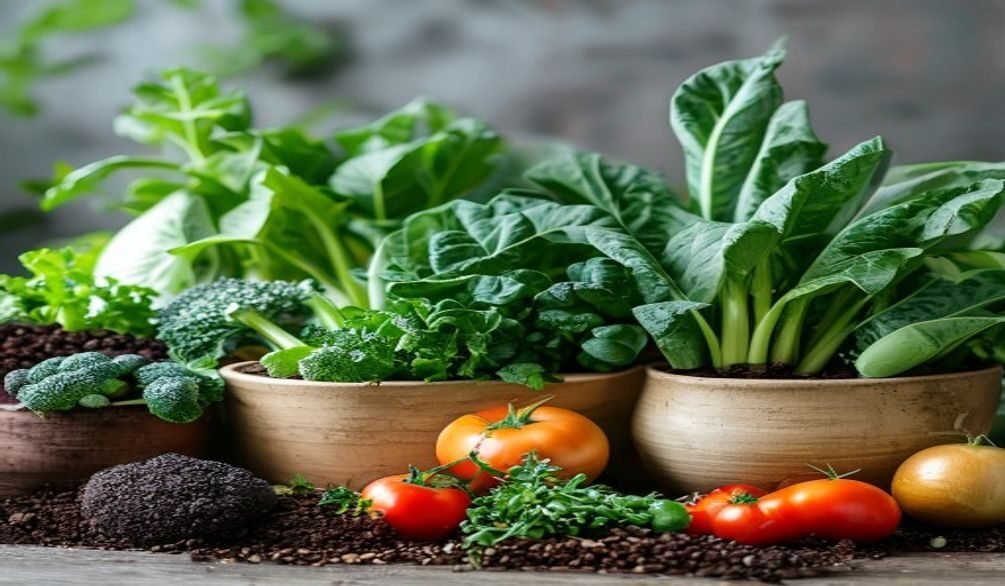
- Easy-to-grow plants like pudina, dhania, and cherry tomatoes are ideal for beginner gardeners.
Most Delhi balcony gardeners struggle with scorching Indian summer heat, which can turn lush greens into wilted regrets in May. But don’t worry, mastering gardening basics start small can transform your tiny space into a thriving oasis, even with these challenges. You’ll learn simple, actionable steps to get your first garden flourishing, no matter the size of your balcony or terrace.
Quick Answer: To start a small garden, choose a sunny spot, prepare healthy soil, select easy-to-grow plants suited for your climate, water consistently, and provide basic care like weeding and pest control.
What are the 5 basic steps of gardening for beginners?
The 5 basic steps of gardening for beginners are choosing a location, preparing your soil, selecting your plants, consistent watering, and providing essential care. These foundational steps are crucial for anyone looking to make gardening basics start small and succeed. In fact, 47.6% of gardeners spent more time gardening in 2025, the highest level since 2022, according to Axiom (2025), showing a growing interest in getting hands-on. It’s really about creating a solid foundation for your green friends.
- Location, Location, Location: Find a spot that gets plenty of sunlight – at least 6-8 hours daily for most vegetables.
- Soil Prep is Key: Healthy soil is the backbone of a thriving garden. You’ll want to amend it properly, especially for container gardening for beginners.
- Choose Wisely: Pick plants that are easy to grow and suited for your climate and small space. Think about what you love to eat or admire!
- Water Right: Consistent and appropriate watering prevents common plant problems. Don’t drown them, but don’t let them dry out either.
- Care & Maintenance: Regular weeding, pest checks, and occasional feeding keep your plants happy and productive.
These steps might sound simple, but getting them right from the start makes a huge difference. You’re not alone in finding this hard initially; most people feel exactly this way.
Choosing your small garden location: sun, space, and water
Selecting the right location is the very first and most critical decision when you want to make your gardening basics start small. Most edible plants, like tomatoes or bhindi, need at least 6-8 hours of direct sunlight each day to really thrive, as highlighted by countless gardening experts. If your balcony only gets morning sun, that’s okay, but it limits your plant choices.
* Sunlight: Track your chosen spot’s sun exposure throughout the day. A south-facing balcony in Mumbai or a terrace in Bangalore usually gets good sun.
* Space: Even a tiny corner can become a productive garden. Think about vertical gardening for beginners or container gardening for beginners. Raised garden beds are also excellent for small spaces, giving you better control over your growing environment.
* Water Access: Make sure you can easily water your plants. Hauling buckets across a large terrace gets old fast, trust me. A nearby tap or a conveniently placed watering can save you a lot of hassle.
I remember once trying to grow capsicum from seeds in December in Delhi. Germination was a fantastic 90%, but the plants stalled at 4 inches for six weeks because the soil temperature was just too low for root activity. It was a classic example of not considering the microclimate of my specific spot. I added a seedling heat mat, and they shot up to 12 inches in the next three weeks. That’s why understanding your specific location is so vital for success.
Preparing your soil for a thriving small garden
Preparing your soil properly is fundamental for successful gardening basics start small, as healthy soil directly translates to healthy plants. Good soil acts as a reservoir for water and nutrients, providing the perfect anchor for roots. You might have heard that any soil will do, but in practice, a rich, well-draining mix prevents root rot, which is the number one killer of container plants in India’s humid monsoon months.
Here’s how to get your soil ready:
- Start with a Good Base: Don’t just scoop up garden soil. For containers or raised beds, use a high-quality potting mix. I often blend cocopeat (like Cocogreen brand, available online or at local nurseries for ₹80–150 for a brick), compost, and perlite or sand.
- Add Organic Matter: Compost, vermicompost, or well-rotted cow dung manure enriches the soil, improving its structure and nutrient content. Aim for about 30-40% organic matter in your mix.
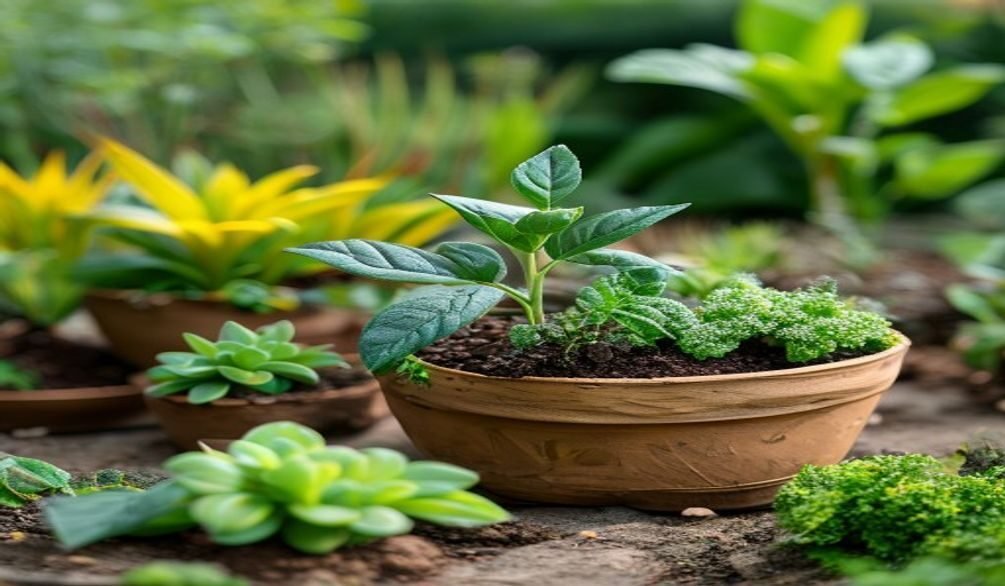
- Ensure Drainage: This is crucial. If water sits, roots rot. Mix in perlite, coarse sand, or even small brick pieces to ensure good aeration. In my experience, terracotta pots outperform plastic for most Indian balcony plants — yes, they dry faster and cost more (around ₹50–200 depending on size), but the breathability prevents root rot, especially during the heavy monsoon rains.
- Check pH: Most vegetables prefer a slightly acidic to neutral pH (6.0-7.0). While not strictly necessary for beginners, a simple soil test kit (available for ₹300–500) can give you insights for later improvements.
Honestly, investing time in soil preparation now saves you so much heartbreak later. It’s the silent hero of your small garden ideas.
Selecting the best easy-to-grow plants for small spaces
Choosing the right plants is key to making gardening basics start small and be enjoyable, especially for beginners. You want varieties that are forgiving, don’t demand too much space, and thrive in Indian conditions. Andrew Jager, Marketing Manager for Walters Gardens (Proven Winners Perennials), notes the skyrocketing demand for native plants, emphasizing their suitability for local conditions.
Here are some excellent choices for your first garden kit:
| Plant Name | Why It’s Easy & Good for Small Spaces | Growing Tips for India |
|---|---|---|
| Pudina (Mint) | Vigorous, tolerates partial shade, can be grown in small pots. | Keep in a separate pot as it spreads aggressively. Water daily in summer. |
| Dhania (Coriander) | Quick growing, essential for Indian cooking, thrives in cooler months. | Sow seeds directly. Needs consistent moisture. Best in winter in North India. |
| Cherry Tomatoes (e.g., Pusa Ruby) | High yield in small plants, perfect for containers, less prone to disease. | Needs 6+ hours sun. Support with a stake. Water regularly, especially in pre-monsoon heat. |
| Bhindi (Okra) | Heat-loving, produces continuously, vertical growth. | Sow directly after frost danger. Needs full sun and warm soil. |
| Lal Mirch (Chilli) | Compact plants, continuous harvest, adds spice to your food. | Loves sun and warmth. Can be grown in 8-10 inch pots. Protect from heavy monsoon rains. |
These easy garden plants are readily available as seeds or small saplings at local nurseries like Bhavani Nursery in Pune or online on Ugaoo and Nurserylive. Remember, starting with these varieties builds confidence, which is vital for any beginner gardening tips.
Watering and essential care for your new small garden
Consistent watering and basic care are non-negotiable for success when your gardening basics start small. It’s not just about pouring water; it’s about understanding what your plants need. A common mistake I see is overwatering during the monsoon, which can lead to root rot even in well-draining pots.
* Watering Schedule: This varies wildly by climate and pot size. In Indian summer heat (40°C+ in Delhi), you might need to water daily, sometimes twice. During the monsoon, once every 3-5 days might be enough, or even less if it’s raining consistently. Always check the soil moisture with your finger before watering.
* Weeding: Weeds compete for nutrients and water. Pull them out as soon as you spot them. For small gardens, hand-weeding is usually sufficient.
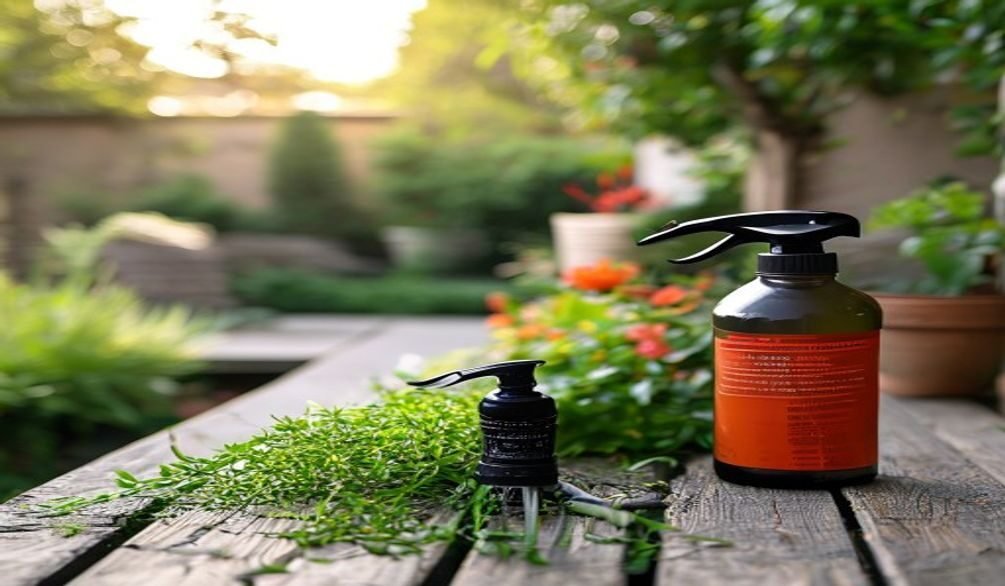
* Pest Patrol: Regularly inspect your plants for common pests like aphids or mealybugs. Neem oil spray (available for ₹150–250) is an excellent organic solution for beginners. My article on sick plants: 10 fast fixes for common plant problems has more details.
* Feeding: While good soil provides initial nutrients, container plants eventually need more. A balanced liquid fertilizer (like a 19:19:19 NPK solution, available for ₹100–300) every 2-4 weeks can boost growth. I tried liquid seaweed fertilizer on my hibiscus expecting faster flowering once – I got three new leaves and no flowers for eight weeks! The seaweed was pushing vegetative growth because the plant was already in nitrogen-rich soil. Lesson learned: understand what your plant needs before adding any fertilizer.
Troubleshooting common small garden problems
Even with the best intentions, you’ll encounter hiccups when your gardening basics start small, but most common problems have simple solutions. Don’t get discouraged if a plant looks sad; it’s part of the learning curve. Many beginners feel frustrated when leaves turn yellow or plants wilt, but often, the fix is straightforward.
Here’s a quick guide to some common issues:
- Yellowing Leaves: Often a sign of overwatering (roots aren’t getting air) or nutrient deficiency. Check soil moisture first. If dry, water. If wet, let it dry out. If neither, consider a balanced liquid feed.
- Wilting Plants: Usually underwatering, especially in hot Indian summers. Water deeply. Sometimes, it can be root rot from overwatering – check the soil again.
- Holes in Leaves: Pests! Inspect the underside of leaves. Aphids, caterpillars, or slugs are common culprits. Handpick larger pests or use neem oil spray.
- No Flowers/Fruit: Could be lack of sunlight, too much nitrogen (which promotes leafy growth), or insufficient pollination. Ensure 6+ hours of sun for fruiting plants and gently shake plants to encourage self-pollination.
Remember, gardening is a continuous learning process. Every problem is an opportunity to learn more about your plants.
What is the easiest way to start a small garden?
The easiest way to start a small garden is by focusing on simple, low-maintenance plants in containers, ensuring your gardening basics start small and manageable. This approach minimizes initial investment and effort, making it ideal for urban gardening or balcony gardening. Garden starter kits, like those from Annie’s Beginners Garden Kit or Garden Republic, often provide everything you need to begin, including seeds, grow bags, and soil disks.
Consider these simple steps:
1. Pick a Sunny Spot: Even a small balcony corner that gets 4-6 hours of sun can host herbs like pudina or tulsi.
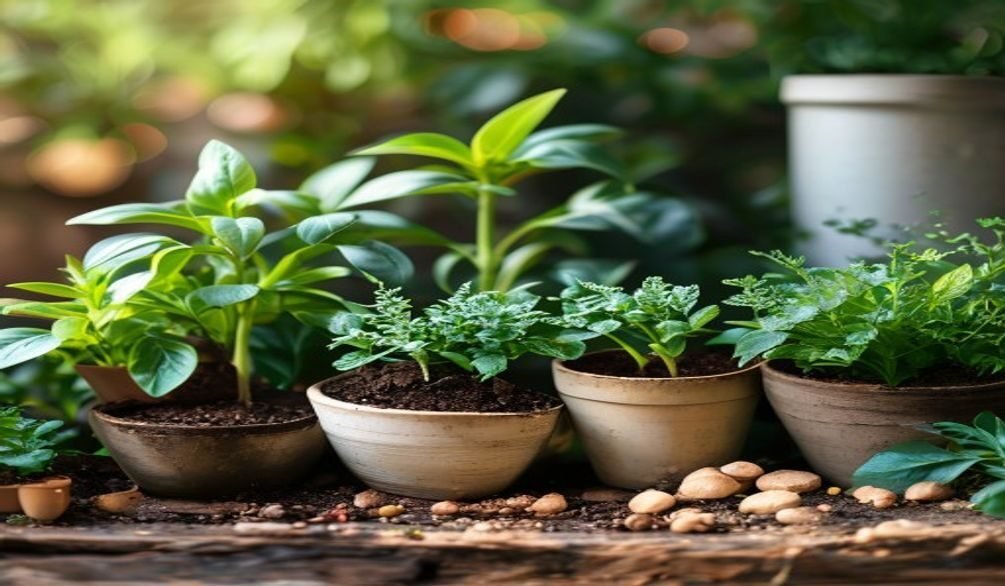
2. Use Containers: Terracotta pots (for breathability) or grow bags (lightweight and affordable, ₹20–₹80 each) are perfect. They give you control over soil and mobility.
3. Start with Seeds: Easy-to-grow, heirloom varieties of classic plants are great. MIgardener’s “Grow Your Own First Garden Kit” focuses on these.
4. Choose Resilient Plants: Dhania, pudina, methi, and lal mirch are incredibly forgiving. They don’t mind if you miss a watering or two.
5. Automate If Possible: For consistent watering, a simple drip irrigation system can be a game-changer for busy gardeners, especially in hot climates.
Beyond the basics: expanding your small garden efforts
Once you’ve mastered the gardening basics start small, you’ll naturally want to expand, and there are plenty of ways to grow your green thumb. The confidence you gain from your first successful plants will fuel your desire for more. Total spending in the gardening market reached an all-time high of $79.0 billion in 2025, a 13.5% increase over 2024, according to Axiom (2025), showing how much people love to expand their gardening endeavors.
Consider these next steps:
* Experiment with New Plants: Try growing more challenging vegetables like eggplant or even small fruit varieties for small spaces like dwarf citrus.
* Composting: Start a small composting system for your kitchen scraps. It’s an excellent way to create nutrient-rich soil amendments and reduce waste.
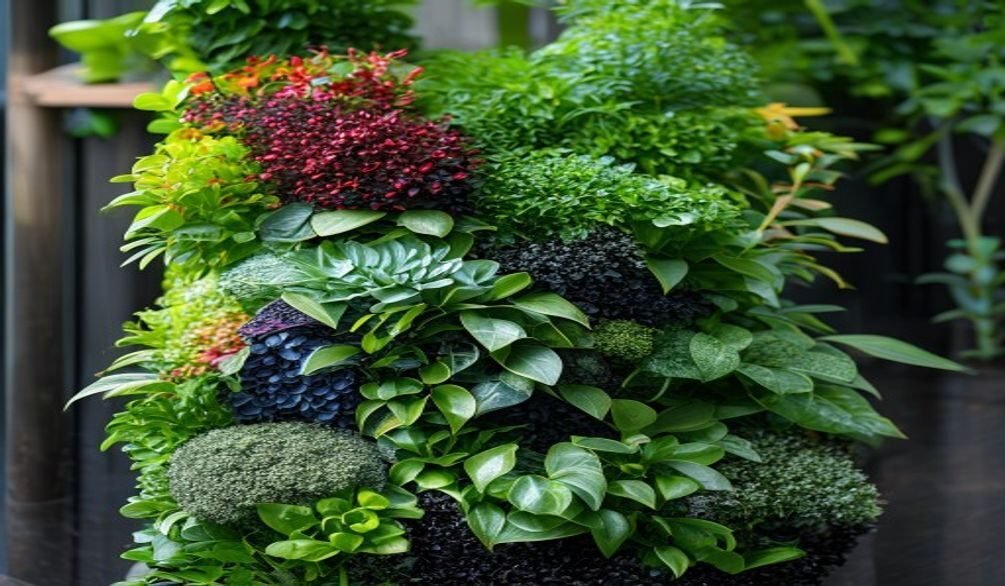
* Vertical Gardens: Utilize wall space with vertical planters. This is fantastic for maximizing yields in tiny urban spaces.
* Community Gardens: If available, joining a community garden can provide more space, resources, and shared knowledge.
* Learn About Companion Planting: Discover which plants grow well together to deter pests and improve growth naturally.
The journey of gardening is endless, and every season brings new opportunities to learn and grow.
Frequently asked questions
What are the 5 basic steps of gardening?
The 5 basic steps of gardening are choosing a location, preparing your soil, selecting your plants, consistent watering, and providing essential care. These steps ensure a strong foundation for any garden, especially when you’re just starting. According to Axiom (2025), 50.2% of people expect to spend more time gardening in 2026, indicating a growing interest in these fundamental practices. Focus on one step at a time to avoid feeling overwhelmed.
What is the easiest way to start a small garden?
The easiest way to start a small garden is by using containers and selecting easy-to-grow plants like pudina, dhania, or cherry tomatoes. This method provides flexibility and control, which is perfect for beginners. Garden Republic offers garden starter kits that include seeds and grow bags, making the initial setup straightforward. Begin with just a few plants to build confidence before expanding.
What are the 4 things a plant needs to grow?
A plant primarily needs sunlight, water, nutrients (from soil), and air to grow. These four elements are fundamental for photosynthesis and overall plant health. Without adequate sunlight, plants can’t produce enough energy, leading to stunted growth. Ensuring these basics are met is crucial for a thriving small garden.
What are the 7 steps to gardening?
While specific steps can vary, a common breakdown of 7 gardening steps includes planning your garden, choosing a site, preparing the soil, selecting plants, planting, watering and maintaining, and harvesting. This more detailed approach helps cover all aspects from conception to yield. Axiom (2025) reported that per-household spending on gardening climbed to a record $740 in 2025, an 18.3% increase, suggesting people are investing in comprehensive gardening efforts.
What are some beginner gardening tips for small spaces?
Beginner gardening tips for small spaces include using containers or raised beds, choosing compact plant varieties like bush beans or dwarf tomatoes, and utilizing vertical gardening techniques. Focus on maximizing vertical space with trellises or hanging planters to get the most out of your limited area. Starting with herbs or leafy greens is also a great way to learn the ropes.
Starting your gardening journey, especially with gardening basics start small, is an incredibly rewarding experience. You’ve learned about choosing the perfect sunny spot, preparing that vital healthy soil, picking forgiving plants, and understanding the rhythm of watering and care. Remember, every successful garden begins with a single seed and a little patience. So, pick up a pot, grab some seeds, and start growing your own piece of green paradise today!