
Key Takeaways
- The global beneficial insects market is expected to reach USD 2,745.0 million by 2033, according to DataM Intelligence (2026).
- Ladybugs can consume up to 5,000 aphids during their lifetime, making them potent natural pest controllers, according to Gitnux (2026).
- Nearly 75% of food crops grown globally rely on pollinators, highlighting their immense ecological and economic value, according to Pollinator Week 2025 reports (2025).
- Planting diverse herbs like dill and cilantro provides essential nectar, pollen, and shelter for beneficial insects, enhancing garden biodiversity.
- Avoiding chemical pesticides is crucial for creating a safe and thriving environment for beneficial insects in your herb garden.
Are you looking to cultivate a vibrant, healthy herb garden that thrives naturally without relying on harsh chemicals? The secret lies in **Attracting Beneficial Insects Herb Gardens 2026**, a holistic approach that harnesses nature’s own pest control and pollination services. As Gaurav, with over a decade of experience in horticulture, I’m here to guide you through creating an ecosystem where beneficial insects flourish, ensuring your herbs are robust and your garden remains productive throughout 2026.
Quick Answer: Attracting beneficial insects to herb gardens involves planting diverse herbs like dill, fennel, and cilantro, which offer nectar, pollen, and shelter. Avoid pesticides, provide water, and create varied habitats for natural pest control and enhanced garden health in 2026.
Why Attract Beneficial Insects to Your Herb Garden in 2026?
Attracting beneficial insects to your herb garden in 2026 is crucial for developing a resilient, self-sustaining ecosystem that minimizes pest issues and boosts overall plant health. These tiny garden allies save gardeners and farmers billions of dollars annually in pest control costs, keeping harmful chemicals out of our environment, according to Nature Hills Nursery (2026). My experience shows that a garden buzzing with diverse beneficial insects is a healthy garden.
The short answer is that beneficial insects perform vital ecological services, primarily pest control and pollination. While most people recognize the importance of bees, many other insects are equally beneficial by controlling pest insect populations, notes Ken Johnson, University of Illinois Extension horticulture educator. This natural partnership is key to successful and sustainable gardening.
Here are the primary reasons why **Attracting Beneficial Insects Herb Gardens 2026** should be a top priority:
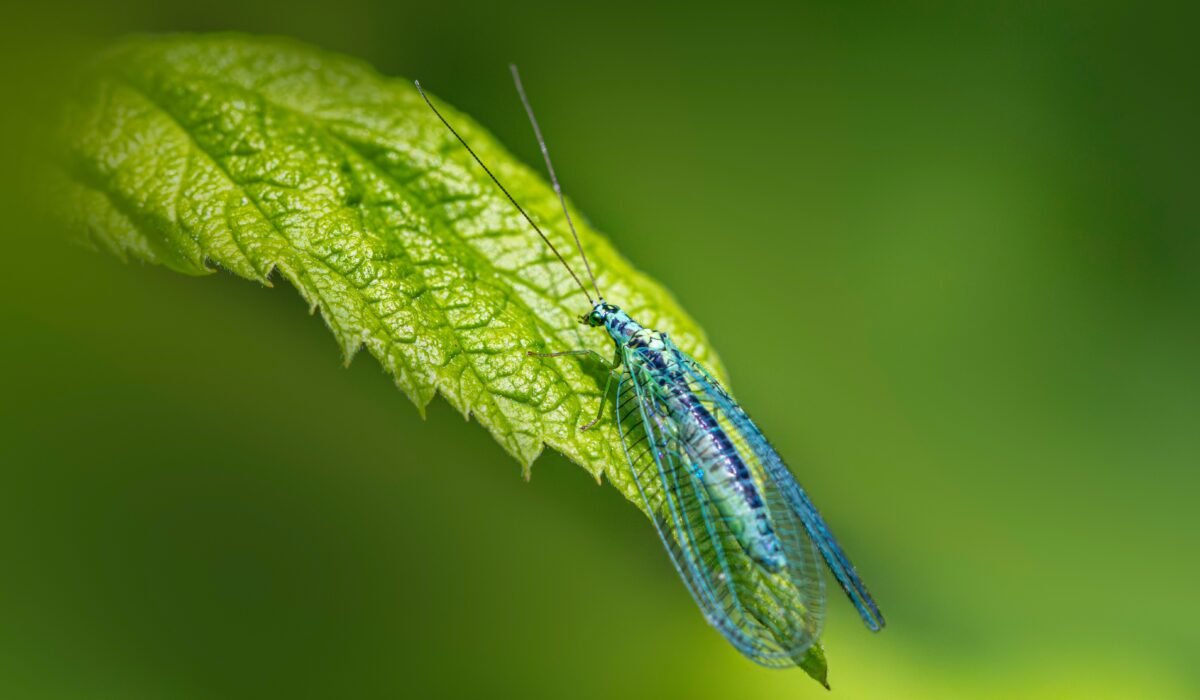
- Natural Pest Control: Beneficial insects, such as Ladybugs and Green Lacewings, prey on common garden pests like aphids, mites, and caterpillars, significantly reducing the need for chemical interventions. Ladybugs alone can consume up to 5,000 aphids during their lifetime, according to Gitnux (2026).
- Enhanced Pollination: Many beneficial insects, including various types of wasps and flies, also act as pollinators, which is vital for the fruiting of some herbs and the overall biodiversity of your garden. Nearly 75% of food crops globally depend on pollinators, with an economic value estimated between $235-$577 billion per year, according to Pollinator Week 2025 reports (2025).
- Improved Soil Health: Some beneficial insects, particularly ground beetles, contribute to soil aeration and decomposition, fostering a healthier root environment for your herbs.
- Reduced Chemical Use: By relying on biological pest control, you can drastically cut down on synthetic pesticides, making your herb garden safer for your family, pets, and the environment. This aligns with modern sustainable gardening practices for **Attracting Beneficial Insects Herb Gardens 2026**.
- Biodiversity Promotion: A garden designed to attract beneficial insects becomes a richer, more diverse habitat, supporting a wider array of wildlife and contributing to local ecological balance.
What most people miss is that 95% of insects found in a garden are either beneficial or harmless, according to Gitnux (2026). This insight encourages us to see insects not as a threat, but as an integral part of a thriving garden. Focusing on **Attracting Beneficial Insects Herb Gardens 2026** means working with nature, not against it.
What Herbs Attract Beneficial Insects?
Certain herbs are particularly effective at attracting beneficial insects because they offer specific resources like nectar, pollen, and shelter. When considering **Attracting Beneficial Insects Herb Gardens 2026**, selecting a diverse range of these plants is your first and most impactful step. These herbs typically feature small, accessible flowers, often in umbel or flat-topped clusters, which are perfect for tiny insect mouthparts.
Jessica Walliser, a renowned horticulturist and author, emphasizes the importance of diverse plantings to support a healthy insect population. Planting a variety of bloom shapes and sizes ensures different beneficial insects can access their food sources. For optimal **Attracting Beneficial Insects Herb Gardens 2026** results, consider these top choices:
| Herb | Key Beneficial Insects Attracted | Mechanism of Attraction | Notes for 2026 Planting |
|---|---|---|---|
| Dill | Ladybugs, Green Lacewings, Parasitic Wasps, Hoverflies | Tiny, clustered flowers (umbels) provide easy access to nectar and pollen. | Allow some plants to bolt and flower; excellent for successive plantings. |
| Fennel | Parasitic Wasps, Ladybugs, Swallowtail Butterflies | Similar to dill, its umbel flowers are highly attractive. | Can grow quite tall, so plan its placement carefully in your herb garden design. |
| Cilantro (Coriander) | Hoverflies, Parasitic Wasps, Ladybugs | Small white-pink flowers when allowed to bolt. | Plant in succession to ensure continuous blooms for **Attracting Beneficial Insects Herb Gardens 2026**. |
| Yarrow | Ladybugs, Lacewings, Parasitic Wasps, Bees | Flat-topped clusters of tiny flowers. | A hardy perennial that provides long-lasting blooms. |
| Mint (various) | Hoverflies, small Wasps, Bees | Small flowers packed with nectar. | Best grown in containers to control its spread, yet still effective for beneficial insects. |
| Chamomile | Hoverflies, Parasitic Wasps | Daisy-like flowers with accessible pollen. | Provides continuous blooms throughout the growing season. |
| Anise Hyssop | Bees, Butterflies, Hoverflies | Spikes of purple flowers rich in nectar. | A magnet for many pollinators and beneficials. |
The tiny, clustered flowers of herbs like Dill, Fennel, and Cilantro are particularly effective for small parasitic wasps and hoverflies, as their small size allows easy access to nectar and pollen. This floral architecture is a specific mechanism of attraction often overlooked. By including these in your herb garden, you’re not just growing herbs for culinary use, but actively **Attracting Beneficial Insects Herb Gardens 2026** for natural pest control.
Beyond Herbs: Creating a Holistic Beneficial Insect Habitat
Creating a holistic beneficial insect habitat goes beyond just planting attractor herbs; it involves designing an environment that supports every stage of a beneficial insect’s life cycle. This comprehensive approach is essential for truly successful **Attracting Beneficial Insects Herb Gardens 2026**. As Craig Mauney, an Extension Specialist, explains, Integrated Pest Management (IPM) focuses on long-term solutions, requiring engaged gardeners to prevent problems by planting the right plants and observing patterns.
This means considering shelter, water, and food sources beyond just nectar and pollen. A well-designed habitat provides refuge from predators, harsh weather, and overwintering sites. For example, leaving some plant debris or creating a small brush pile can offer crucial overwintering spots for Ladybugs.
Here are the key steps to creating a thriving habitat:
Step 1: Choose Diverse Attractor Herbs
The first step in **Attracting Beneficial Insects Herb Gardens 2026** is to strategically select a variety of herbs. Plant diverse flowering herbs that provide continuous blooms from early spring through late fall. This ensures a steady food supply for beneficial insects throughout their active seasons, a critical factor for sustained populations. Consider combining herbs with different bloom times, such as early-blooming cilantro and later-blooming fennel.
Step 2: Provide Year-Round Habitat
The second crucial step for **Attracting Beneficial Insects Herb Gardens 2026** is to offer diverse shelter and overwintering sites. Beneficial insects need places to live, breed, and hide from predators and harsh weather, especially during colder months. This includes leaving some plant stalks and leaf litter over winter, which provides vital refuge.
* Brush Piles: Small piles of twigs and leaves offer shelter for ground beetles and overwintering Ladybugs.
* Insect Hotels: Commercial or DIY insect hotels with hollow stems (like bamboo) or drilled wood blocks provide nesting sites for solitary bees and lacewings. ARBICO Organics offers “Beneficial Bug Nesting Habitats” specifically designed for this purpose.
* Native Plants: Incorporate native herbs and flowering plants, as they are often best adapted to local insects and provide excellent habitat.
* Bare Ground/Mulch: Some beneficial insects, like ground beetles, prefer to burrow in bare soil or under loose mulch.
Step 3: Avoid Chemical Pesticides
The third and arguably most critical step in **Attracting Beneficial Insects Herb Gardens 2026** is to eliminate or drastically reduce the use of synthetic pesticides. Pesticides, even “organic” ones, can harm beneficial insects just as effectively as they target pests. Pesticides don’t discriminate, often killing off the very allies you’re trying to attract.
Instead, opt for organic pest control methods. This includes hand-picking larger pests, using insecticidal soaps as a last resort, or deploying targeted biological controls. Integrated Pest Management (IPM) practices prioritize prevention and non-chemical solutions, reserving chemical treatments as a final option. For more details on natural pest control, you can check out our guide on Controlling Garden Pests Naturally: Ultimate Guide 2026.
Step 4: Offer Water Sources
The fourth step in **Attracting Beneficial Insects Herb Gardens 2026** is to provide a consistent and safe water source. Like all living creatures, beneficial insects need water to survive, especially during dry periods. A shallow dish with pebbles or marbles allows insects to drink without drowning.
A simple bird bath with stones or a saucer filled with water and small rocks can serve as an excellent “bug bath.” Ensure the water is changed regularly to prevent mosquito breeding. This small addition can make a significant difference in supporting insect populations.
Step 5: Implement Companion Planting
The fifth step for **Attracting Beneficial Insects Herb Gardens 2026** is to strategically use companion planting. This involves placing certain plants together to enhance growth, deter pests, or attract beneficial insects. For example, planting basil with tomatoes has been shown to reduce egg-laying behavior in adult tomato hornworms.
* Trap Cropping: Plant “sacrificial” crops like Nasturtiums to lure pests away from your valuable herbs. Nasturtiums are known to attract aphids, cabbage moths, and whiteflies, diverting them from other desired plants.
* Aromatic Repellents: Some herbs, while attracting beneficials, also deter specific pests with their strong scents. For instance, rosemary can deter cabbage moths.
* Habitat Creation: Combine herbs with other flowering plants, like marigolds or sweet alyssum, to create a dense, diverse habitat that offers both food and shelter.
Step 6: Monitor and Adapt Strategies
The final step in **Attracting Beneficial Insects Herb Gardens 2026** is consistent monitoring and adaptation. Regularly observe your garden for pest and beneficial insect activity. This vigilance allows you to understand the dynamics of your garden ecosystem and adjust your strategies as needed. My 10 years of experience have taught me that gardening is an ongoing learning process.
Keep a garden journal to track what works and what doesn’t. If you notice a particular pest problem, research which beneficial insect targets it and introduce more plants that attract that specific predator. This proactive and responsive approach ensures your efforts in **Attracting Beneficial Insects Herb Gardens 2026** remain effective.
Year-Round Support for Beneficial Insects
Providing year-round support for beneficial insects is fundamental to maintaining a stable and effective population in your herb garden, ensuring successful **Attracting Beneficial Insects Herb Gardens 2026**. This continuous effort ensures that beneficial insects have food, water, and shelter throughout their entire life cycle, not just during the peak growing season. Penn State Extension (2024) advises planting twice as much as you need, sharing half with pollinators, underscoring the need for abundant resources.
The key insight here is that beneficial insects don’t just disappear in winter; many overwinter as adults, larvae, or eggs in protected spots. Disturbing these sites can severely impact their numbers for the following year. Therefore, a holistic approach to **Attracting Beneficial Insects Herb Gardens 2026** considers seasonal needs.
Here’s how to offer continuous support:
- Spring: Early Blooms: Plant early-flowering herbs like chives, thyme, and borage to provide nectar and pollen as beneficial insects emerge from dormancy. These early food sources are crucial for supporting queen bees and other early-season beneficials.
- Summer: Diverse & Continuous Blooms: Ensure a succession of flowering herbs throughout summer. Incorporate Dill, Fennel, Cilantro, and Yarrow, allowing some to bolt and flower. This continuous bloom cycle is vital for sustaining populations of Ladybugs, Green Lacewings, and Parasitic Wasps.
- Autumn: Late-Season Nectar: Plant late-blooming herbs and flowers such as calendula, asters, and sedum (if you have space beyond herbs) to provide vital energy for beneficial insects preparing for winter. These late-season offerings are particularly important for migrating insects and those needing to build up reserves.
- Winter: Overwintering Sites: Resist the urge for a “clean” garden. Leave spent plant stalks, leaf litter, and undisturbed soil patches. Hollow stems provide nesting sites for solitary bees, while leaf litter offers refuge for Ladybugs and ground beetles. This practice is a cornerstone of **Attracting Beneficial Insects Herb Gardens 2026** sustainably.
- Water & Shelter: Maintain shallow water sources with landing spots year-round, especially during dry spells or mild winter days. Ensure your insect hotels are secure and undisturbed throughout the colder months, providing safe havens.
By adopting these year-round strategies, you are not just temporarily **Attracting Beneficial Insects Herb Gardens 2026**, but fostering a permanent, self-sustaining population that will benefit your garden for years to come. This commitment to an integrated ecosystem is what truly defines an expert gardener.
Targeting Specific Pests with Beneficial Insects
Targeting specific pests with beneficial insects involves understanding the predator-prey relationships within your garden ecosystem, a strategic component of **Attracting Beneficial Insects Herb Gardens 2026**. By knowing which beneficial insects specialize in consuming particular pests, you can tailor your planting and habitat creation to maximize their effectiveness. This precision helps in dealing with specific outbreaks.
The focus here is on selecting the right allies for the right battles. For instance, if aphids are a persistent problem, you’ll want to prioritize attracting Ladybugs and Green Lacewings. Monrovia Nurseries has successfully used beneficial nematodes for nearly 30 years and predatory mites for about 20 years in their large-scale pest control programs, demonstrating the power of targeted biological controls.
Here’s a breakdown of common pests and their beneficial insect predators:
- Aphids:
- Ladybugs: Both adult Ladybugs and their larvae are voracious aphid eaters.
- Green Lacewings: The larvae of Green Lacewings are known as “aphid lions” and consume vast numbers of aphids.
- Hoverflies: Hoverfly larvae are also effective aphid predators.
- Attractor Herbs: Dill, Fennel, Cilantro, Yarrow, Mint, Calendula.
- Caterpillars (e.g., Cabbage Worms, Tomato Hornworms):
- Parasitic Wasps: Tiny parasitic wasps lay their eggs inside or on caterpillars, eventually killing the host.
- Spined Soldier Bugs: These predatory stink bugs feed on various caterpillars.
- Attractor Herbs: Dill, Fennel, Parsley (for parasitic wasps), Basil (for hornworms).
- Spider Mites:
- Predatory Mites: These tiny mites specifically prey on spider mites.
- Green Lacewings: Lacewing larvae also feed on spider mites.
- Attractor Herbs: Dill, Fennel (indirectly by supporting lacewings).
- Whiteflies:
- Encarsia Formosa (Parasitic Wasps): A common parasitic wasp used in greenhouses to control whiteflies.
- Green Lacewings: Larvae will feed on whiteflies.
- Attractor Herbs: Cilantro, Dill, Fennel.
- Slugs & Snails (indirect control):
- Ground Beetles: Many species of ground beetles prey on slug and snail eggs and young.
- Attractor Herbs: Provide ground cover and shelter where ground beetles can thrive.
When you observe a particular pest problem, consider introducing specific beneficial insects from suppliers like ARBICO Organics, alongside improving your habitat for **Attracting Beneficial Insects Herb Gardens 2026**. This direct intervention can quickly bring pest populations under control, complementing your long-term strategies. Remember the old English proverb, “If you want to live and thrive, let the spider run alive,” as cited by Green Way Research – a testament to the value of every predator in your garden.
Regional Considerations for Your 2026 Herb Garden
Regional considerations are paramount for optimizing **Attracting Beneficial Insects Herb Gardens 2026**, as local climate, soil types, and native insect populations significantly influence which strategies will be most effective. What thrives in a humid southern climate might struggle in an arid western one, and the native beneficial insects will also differ. This adaptability is key to successful ecological gardening.
The University of Georgia’s Pollinator Program, for example, hosts an annual Pollinator Census and has enhanced thousands of square feet of habitat, showcasing localized efforts. When planning your herb garden, consider your specific USDA hardiness zone and average rainfall. This will inform your choice of herbs and the necessary support systems for beneficial insects.
Here’s how to tailor your approach:
- Native Herb Selection: Prioritize native herbs or native plant varieties that are well-adapted to your region. Native plants have co-evolved with local insects, often providing superior food sources and habitat. Research local extension offices or native plant societies for recommendations specific to your area for **Attracting Beneficial Insects Herb Gardens 2026**.
- Climate Adaptation:
- Hot, Dry Climates: Focus on drought-tolerant herbs like rosemary, thyme, and lavender. Provide consistent, shallow water sources, as dehydration can be a major stressor for insects. Consider shade cloth during peak summer heat.
- Humid, Wet Climates: Choose herbs that tolerate moisture, such as mint, lemon balm, and some varieties of basil. Ensure good air circulation to prevent fungal issues that can harm both plants and beneficial insect habitat.
- Cold Climates: Emphasize perennial herbs that can overwinter effectively, such as chives, sage, and mint. Provide extra overwintering habitat by leaving plant debris and offering sheltered insect hotels. Planning for early and late-season blooms is crucial here.
- Soil Conditions: Understand your soil type (sandy, clay, loamy) and amend it appropriately. Healthy soil supports healthy plants, which in turn attract more robust beneficial insect populations. For example, if you’re working with container gardens, you might find our guide on <a href="https://gardeningwithindia.com/balcony-garden-crop-rotation-2026/" target="_blank" rel="noopener







