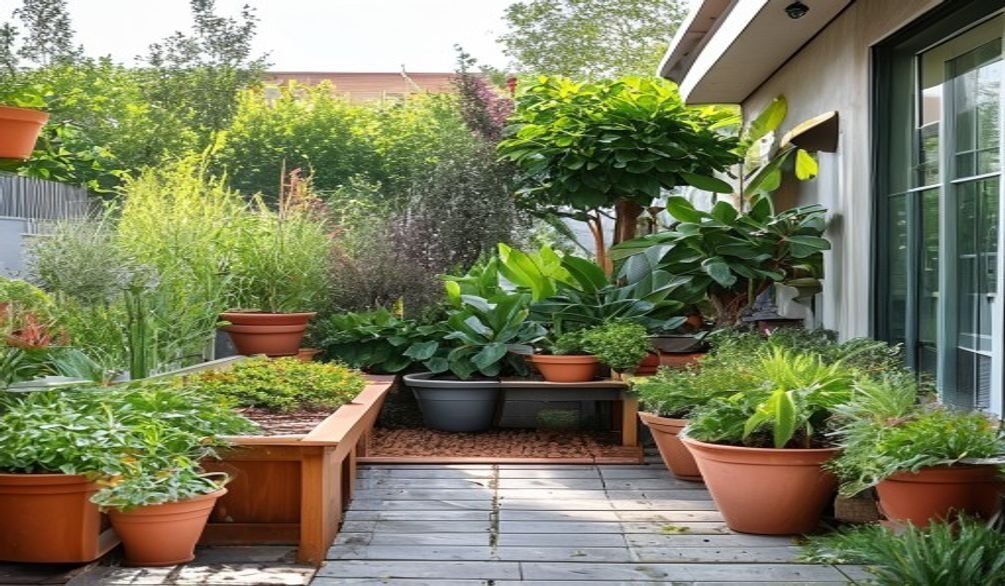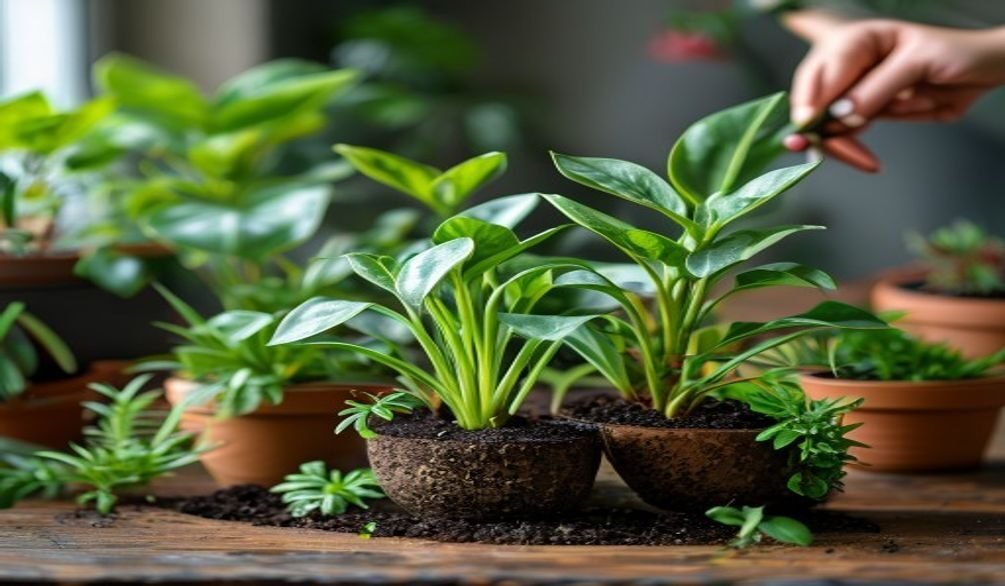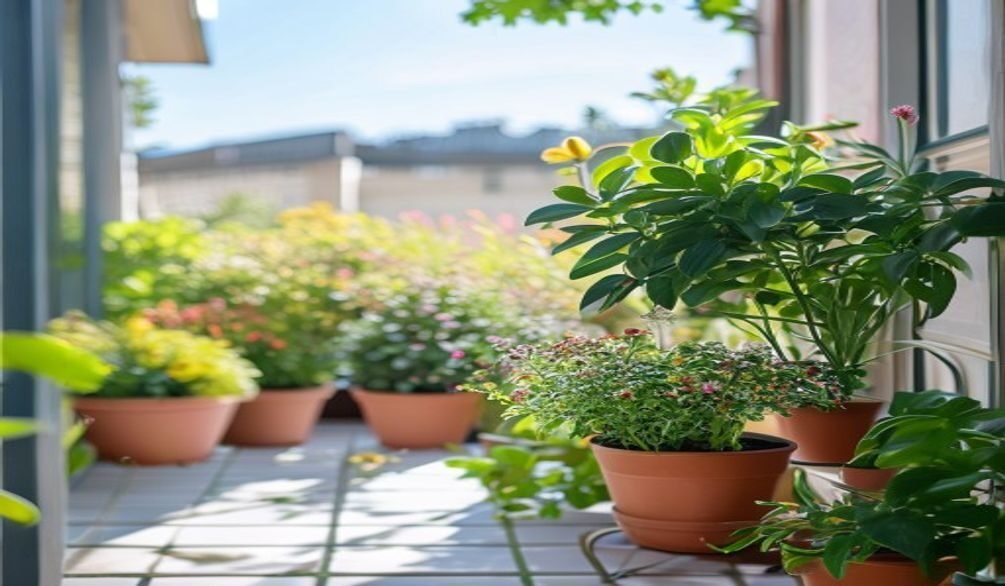
Are you a busy urban gardener whose balcony plants often suffer from inconsistent watering, leaving you feeling guilty and frustrated? An automatic watering system for balcony gardens is your ultimate solution, transforming your space into a thriving, low-maintenance oasis by ensuring your plants receive the precise hydration they need, exactly when they need it. This comprehensive guide will walk you through everything from basic setups to smart integration, empowering you to achieve true self-sufficiency and enjoy your green haven without constant worry.
What is the Best Way to Water Balcony Plants?
Traditionally, watering balcony plants involves a watering can and a daily commitment, which can be challenging for those with demanding schedules or frequent travel. While manual watering offers direct control, it often leads to inconsistent moisture levels, especially in exposed balcony environments where plants dry out quickly. The short answer for busy growers is that the best way to water balcony plants is through a system that minimizes manual effort while optimizing plant health.
What most people miss is that effective watering isn’t just about quantity; it’s about timing and consistency. Balcony gardens, often exposed to strong winds and intense sun, require a more precise approach than ground-level beds. This makes **automated plant care** incredibly appealing for **urban gardening solutions**.
Challenges of Manual Balcony Watering
Relying solely on manual watering presents several hurdles. Your plants might experience stress from under-watering during hot spells or inadvertently suffer from overwatering, which can lead to root rot. Furthermore, larger balcony gardens with numerous containers make manual watering a time-consuming chore, eroding the joy of gardening.
This is where **low-maintenance gardening** solutions, like an automatic watering system for balcony settings, truly shine. They address these challenges head-on, providing a consistent and measured approach to hydration.
Types of Automatic Watering Systems for Your Balcony
The market for **balcony garden irrigation** offers a diverse range of solutions, each catering to different needs, budgets, and technical savviness. From simple passive systems to sophisticated smart setups, there’s an option to ensure your plants thrive.
Self-Watering Planters
These are perhaps the simplest form of **automated plant care** and an excellent entry point for **container gardening watering**. Self-watering planters feature a built-in reservoir that holds water, which is then gradually drawn up to the plant’s roots via wicking action or a capillary system. This method ensures plants receive a steady supply of moisture, preventing both over and under-watering.
* Pros: Easy to use, great for individual plants, ideal for **self-watering planters for small balconies**, and often aesthetically pleasing. Brands like Lechuza (e.g., Lechuza Balconera, Classico 28 LS, Yula) are popular choices, known for their integrated water indicators and efficiency.
* Cons: Can be expensive for many plants, requires manual refilling of reservoirs, and some plants might still be susceptible to overwatering if not chosen carefully, as Weslie Etienne Pierre, owner of Wesleaf, cautions against a “set it and forget it” mindset.
Drip Irrigation Kits
A **drip irrigation kit** delivers water directly to the plant’s root zone through a network of tubes and emitters. These systems are highly efficient, minimizing water waste through evaporation and runoff. Many kits are specifically designed for **balcony garden irrigation**, offering solutions even without a direct outdoor tap.
* Pros: Highly water-efficient (saving up to 80% water compared to traditional methods, according to Rain Bird), customizable for different plant needs, and scalable for larger balcony gardens. Ideal for **balcony garden water conservation**.
* Cons: Initial setup can be more involved than self-watering planters, requires a water source (even if just a reservoir and pump), and emitters can sometimes clog.
Smart Irrigation Systems
Stepping into the future of **automated plant care**, **smart irrigation** integrates timers, sensors, and sometimes even weather data to deliver water with unparalleled precision. These systems often connect to your smartphone, allowing remote monitoring and control. The global automatic watering flowerpot market is projected to reach approximately $5.508 billion in 2026, highlighting this growing trend.
* Pros: Ultimate convenience and efficiency, remote control, **moisture sensors** prevent overwatering, and excellent for the “best holiday watering system for balcony” solution.
* Cons: Higher initial cost, requires some technical understanding for setup and integration, and relies on power and Wi-Fi connectivity.
How to Set Up a DIY Balcony Drip Irrigation System
Creating your own **DIY balcony drip irrigation without faucet** connection is more achievable than you might think, offering a cost-effective path to **balcony garden irrigation**. This approach allows for significant customization, making it perfect for unique balcony layouts and plant collections.
Here’s a simplified guide to get you started:
- Gather Your Components: You’ll need a water reservoir (a large bucket or rain barrel works great), a small submersible pump (if you don’t have a faucet), main tubing, smaller feeder lines, drip emitters (adjustable ones are best), T-connectors, end caps, and a programmable timer. For a gravity-fed system, elevate your reservoir.
- Plan Your Layout: Map out where each plant is located and how the tubing will run. Measure the distances to ensure you have enough materials. Remember to factor in elevation if you’re using a gravity-fed setup.
- Connect the Main Line: Attach the main tubing to your water source (either directly to a faucet via an adapter or to your submersible pump in the reservoir). Secure it along your balcony railing or floor.
- Install Feeder Lines and Emitters: Using a hole punch, insert T-connectors into the main line wherever you have a plant. Attach shorter feeder lines from the T-connectors to each plant’s pot. At the end of each feeder line, install a drip emitter, positioning it near the base of the plant.
- Add the Timer: If using a pump, connect it to an outdoor-rated programmable timer. For a faucet connection, attach a hose faucet timer. Set your watering schedule based on plant needs and local climate.
- Test and Adjust: Turn on the system and check for leaks. Adjust emitter flow rates to ensure each plant receives adequate water. Monitor your plants for a few days to fine-tune the schedule.
One Reddit user successfully built a DIY system for 51 balcony plants using a 300L rain barrel, a submersible pump, and ZigBee sensors for about 150 Euros – proving that effective **automated plant care** doesn’t have to break the bank. For simpler setups, a kit like the Raindrip R560DP with an Orbit 3-Outlet Programmable Hose Faucet Timer can manage multiple containers efficiently.
Smart Balcony Watering: Integrating Sensors & Automation
For the ultimate in **low-maintenance gardening** and **water conservation balcony** solutions, integrating smart technology into your **automatic watering system for balcony** gardens is a game-changer. This takes “set it and forget it” to a new level, offering precision and peace of mind.
The Power of Moisture Sensors
The core of smart watering lies in **moisture sensors**. These devices are inserted into the soil and detect the exact moisture level, sending data to a central controller. Instead of watering on a fixed schedule, your system only activates when the soil actually needs it. This prevents wasteful watering and, crucially, protects against root rot caused by overwatering. By 2026, over 60% of new flower pot watering systems are projected to feature integrated moisture sensors for precision irrigation, according to market data.
Integrating with Smart Home Ecosystems
Many modern **smart irrigation systems for urban gardens** can connect to your existing smart home setup. Imagine controlling your balcony irrigation with voice commands via Siri or Alexa, or having it automatically adjust based on local weather forecasts. The Eve Aqua smart water controller, for instance, combined with a Gardena Micro-Drip Starter Set, allows for iPhone-controlled automated watering. This level of integration truly embodies the “Smart & Sustainable Balcony Oasis for the Modern Urbanite” angle.
Weather-Responsive Automation
Advanced smart systems can access hyper-local weather data. If rain is predicted, the system can automatically delay or skip a watering cycle, saving water and preventing waterlogged plants. This dynamic adjustment is key to maximizing efficiency and plant health, contributing to significant **balcony garden water conservation**. Smart irrigation kits for potted plants are projected to reduce household water usage by up to 30% by 2025.
Maintaining Your Balcony Watering System: Tips & Troubleshooting
Even the most advanced **automatic watering system for balcony** gardens requires occasional attention to ensure peak performance and longevity. Regular maintenance prevents common issues and keeps your plants consistently hydrated.
Preventing Clogs and Algae
The most common culprit in drip irrigation systems is clogging. Mineral deposits from hard water or algae growth can block emitters.
- Filter Your Water: If using a reservoir, consider adding a simple filter at the pump intake.
- Flush Lines Regularly: Periodically run the system with the end caps removed to flush out any sediment.
- Clean Emitters: If an emitter is blocked, try soaking it in a vinegar solution to dissolve mineral buildup, or replace it if necessary.
- Prevent Algae: For reservoirs, use opaque containers to block sunlight, which inhibits algae growth. A small amount of hydrogen peroxide can also help keep water clean.
Avoiding Overwatering and Root Rot
While automated, systems aren’t foolproof. Overwatering remains a primary plant killer. As Weslie Etienne Pierre advises, a “set it and forget it” mindset can be detrimental without understanding plant needs.
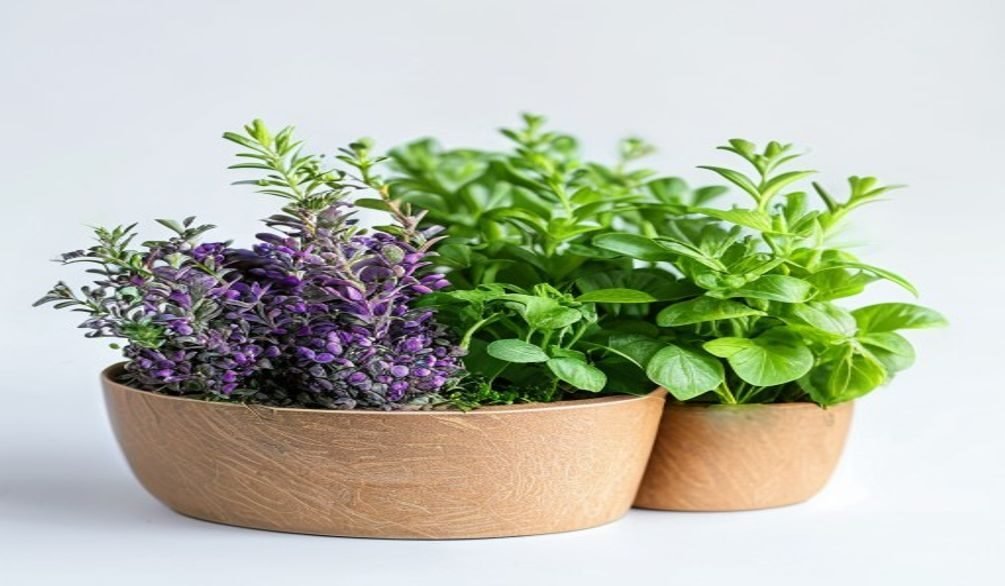
Ensure your timers are set appropriately for your plant types and climate. For instance, herbs like rosemary or lavender prefer drier conditions than, say, basil. If you’re using self-watering planters, monitor the water indicator and allow the reservoir to dry out periodically before refilling, especially for drought-tolerant species. Integrating moisture sensors is the best way to prevent this issue, as they ensure watering only occurs when truly needed. For more general watering advice, check out our guide on How to Water Herbs.
Winterization and Seasonal Checks
Before winter, especially in colder climates, it’s crucial to drain and disconnect your system to prevent freezing damage. Store pumps, timers, and delicate components indoors. In spring, before restarting, inspect all tubing for cracks or damage, clean emitters, and replace any worn-out parts.
Cost-Benefit Analysis: Is a Balcony Watering System Worth It?
Investing in an **automatic watering system for balcony** gardens might seem like an upfront expense, but a closer look reveals significant long-term benefits that make it a worthwhile consideration for the modern urban gardener. This analysis addresses the “busy grower” by highlighting true self-sufficiency and efficiency.
Initial Investment vs. Long-Term Savings
The cost of an **automatic watering system for balcony** gardens varies widely. Simple **self-watering planters** might cost $20-$100 per pot, while a basic **drip irrigation kit** can range from $50-$200. Advanced **smart irrigation systems for urban gardens** with sensors and Wi-Fi connectivity could be $200-$500+.
However, these costs are offset by:
- Water Savings: Drip irrigation can save up to 80% water compared to manual watering. This translates to lower water bills, especially in regions with high water costs. UC Marin Master Gardeners emphasize drip irrigation as the most water-conserving method.
- Time Savings: For busy individuals, the time saved from daily watering is invaluable. Automated systems free up hours each week, allowing you to enjoy your garden rather than constantly tending to it.
- Plant Replacement Savings: Consistent, optimal watering drastically reduces plant stress, disease, and death. This means fewer trips to the nursery to replace ailing plants, saving you money and effort.
- Holiday Peace of Mind: An automated system is the **best holiday watering system for balcony** gardens, ensuring your plants thrive even when you’re away, eliminating the need for plant sitters.
The global self-watering plant pot market is projected to reach $1.2 billion by 2032, and the automatic garden watering systems segment dominated the broader market, accounting for over 65% of the global share in 2024. These statistics, from reports by Credence Research and FACT.MR, underscore the growing value and adoption of these systems due to their efficiency and convenience.
Environmental and Personal Benefits
Beyond monetary savings, these systems offer significant environmental advantages through **balcony garden water conservation**. Precision watering reduces waste, making your urban garden more sustainable. Dr. Nick Becker, a sustainability expert associated with Lechuza, highlights how green technology blends with business acumen to create efficient solutions. Personally, the reduced stress of maintaining a garden and the consistent beauty of healthy plants contribute to overall well-being. This aligns perfectly with the “Smart & Sustainable Balcony Oasis” vision.
Choosing the Right Automatic Watering System for Your Balcony
Selecting the perfect **automatic watering system for balcony** gardens depends on several factors unique to your space and gardening style. Considering these points will help you make an informed decision and achieve true **self-sufficiency for busy growers**.
Consider Your Balcony Size and Plant Types
For small balconies with just a few plants, individual self-watering planters for small balconies might be the most straightforward solution. Products like the Glowpear Self-Watering Urban Garden Planter or Viva™ Self-Watering Balcony Railing Planter offer compact, efficient designs. For larger balconies with numerous containers, a scalable **drip irrigation kit** is often more practical. Remember, different plants have different water needs; a customizable system with adjustable emitters works best for a diverse collection. Gardena, Europe’s No. 1 watering brand, emphasizes their Micro-Drip-System for precise watering of potted plants.
Assess Your Water Source and Budget
Do you have an outdoor faucet accessible on your balcony? If so, a faucet-connected drip system is simple. If not, a **DIY balcony drip irrigation without faucet** using a reservoir and pump is a viable alternative. Your budget will also guide your choice; simple self-watering pots are budget-friendly, while **smart irrigation systems for urban gardens** represent a higher initial investment but offer unparalleled convenience and water efficiency in the long run.
Evaluate Your Tech Comfort Level
Are you comfortable with smartphone apps and sensor integration? If so, a **smart irrigation** system like the Eve Aqua with Gardena’s Micro-Drip Starter Set provides ultimate control and automation. If you prefer a simpler, more hands-off approach without complex tech, a basic timer-controlled drip system or **self-watering planters** are excellent choices for **low-maintenance gardening**.
Ultimately, the goal is to create a thriving balcony garden that complements your lifestyle, not complicates it. The right **balcony garden irrigation** system empowers you to enjoy your plants, knowing they are consistently cared for, even when life gets hectic.
Frequently Asked Questions
What is the best way to water balcony plants?
The best way to water balcony plants, especially for busy growers, is through an automated system like self-watering planters or a drip irrigation system. These methods ensure consistent moisture delivery directly to the roots, preventing both under and overwatering, which are common issues in exposed balcony environments. This approach minimizes manual effort while maximizing plant health and water conservation.
How do you water plants on a balcony without a tap?
Watering balcony plants without a tap can be achieved using several methods. Options include gravity-fed drip irrigation systems from an elevated reservoir, battery-powered pump systems drawing from a water barrel, or individual self-watering planters that hold their own water supply. These solutions provide excellent **automated plant care** even when a direct water source isn’t available.
How do you set up an automatic watering system for a balcony?
Setting up an automatic watering system for a balcony typically involves assembling a **drip irrigation kit** or installing **self-watering planters**. For a drip system, you connect a main line to a water source (faucet or reservoir with pump), run smaller feeder lines to each plant, and install drip emitters. A programmable timer is then added to automate the watering schedule, ensuring consistent **balcony garden irrigation**.
What are the 5 solutions for watering plants on the balcony without a tap?
Five effective solutions for watering plants on a balcony without a tap include: 1) **Self-watering planters**, which have built-in reservoirs; 2) **Gravity-fed drip irrigation systems**, using an elevated water barrel or bucket; 3) **Battery-operated pump systems**, drawing water from a container and distributing it via drip lines; 4) **Watering globes or spikes**, which slowly release water into the soil; and 5) **Capillary matting systems**, where plants absorb water from a damp mat connected to a reservoir. These options offer diverse ways to achieve **low-maintenance gardening** and consistent hydration.
Ready to transform your balcony into a vibrant, self-sufficient oasis? Investing in an **automatic watering system for balcony** gardens is a smart move that saves time, conserves water, and ensures your plants flourish. Explore the options discussed, consider your specific needs, and choose the system that best fits your lifestyle. Start enjoying the beauty of your urban garden without the daily chore of manual watering, and embrace the future of smart, sustainable plant care today!