Are you constantly wondering if you’re giving your beloved herbs enough water, or perhaps too much? Mastering how to water herbs is the single most critical skill for cultivating a thriving, flavorful garden, and it’s a common struggle for many gardeners. This comprehensive guide will equip you with the knowledge to understand your herbs’ unique hydration needs, ensuring they flourish in any environment.
Understanding Your Herbs’ Thirst: General Principles for Watering Herbs
Your herbs aren’t all the same; their watering needs are as diverse as their flavors. The key to healthy plants lies in understanding the foundational principles of soil moisture for herbs. What most people miss is that consistent, appropriate moisture—not just any moisture—is crucial for robust growth and potent essential oil production.
The Importance of Proper Drainage
No matter the herb, **proper drainage for herb pots is non-negotiable**. As The Old Farmer’s Almanac’s ‘Growing Herbs’ guide (updated 2024) wisely states, “A pot without drainage holes is a death sentence for most herbs, as standing water leads to root rot.” This is why choosing pots with adequate drainage holes is your first step to success. Good drainage ensures that excess water can escape freely, preventing roots from sitting in stagnant, oxygen-deprived conditions.
Factors Influencing Watering Needs
Several environmental and physical factors dictate how much and how often you’ll need to water your herbs:
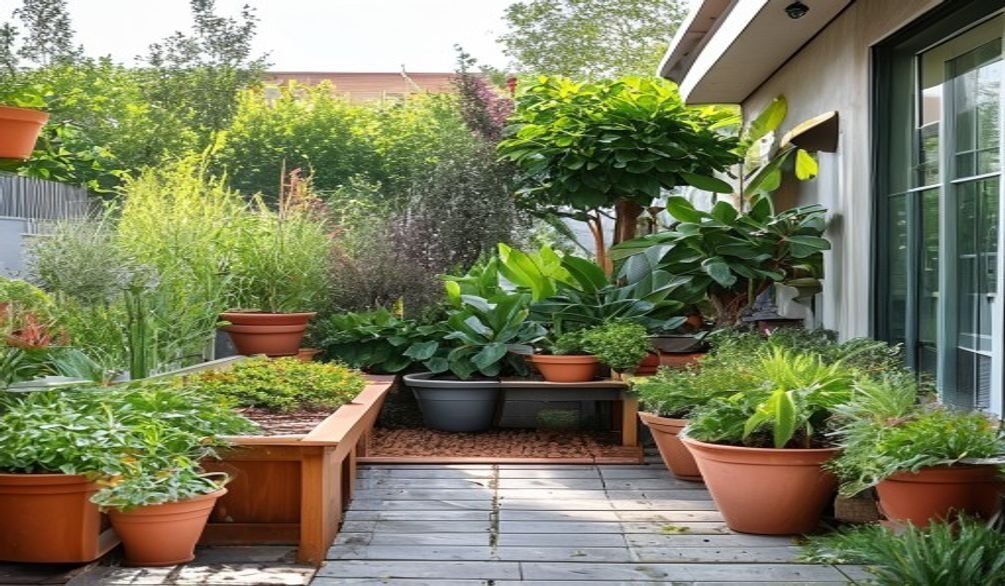
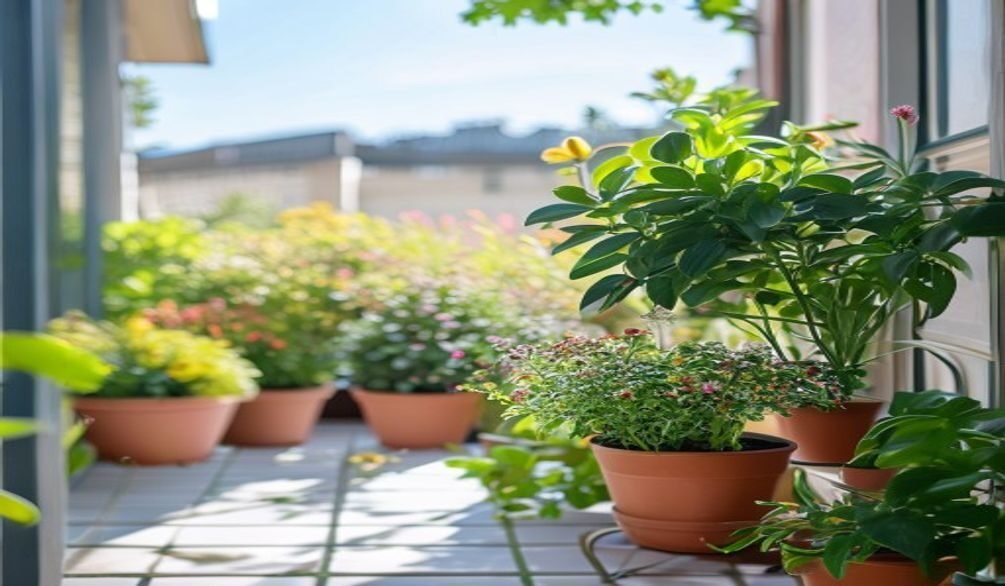
- Pot Size and Material: Smaller pots dry out faster than larger ones. Terracotta pots, while attractive, are porous and will cause soil to dry more quickly than plastic or glazed ceramic pots, meaning your watering herbs in terracotta pots will need more frequent attention.
- Climate and Location: Herbs grown outdoors in direct sun and hot, windy conditions will transpire more water than indoor herbs in a cooler, shadier spot. Humidity also plays a role; higher humidity reduces water loss from leaves.
- Soil Type: Well-draining potting mixes with perlite or sand dry out faster than heavy, clay-rich soils. A good quality, loose potting mix is essential for most herbs.
- Herb Type: As Dr. Leonard Perry, Extension Professor Emeritus, University of Vermont, notes, “Understanding your herb’s native habitat is key.” Mediterranean herbs, for example, prefer drier conditions, while tropical herbs enjoy more consistent moisture.
How Often Should You Water Potted Herbs?
The question of “how often should you water potted herbs?” doesn’t have a single answer, but rather a dynamic approach based on observation. Generally, during peak growing seasons (spring and summer), most potted herbs require watering every 1-3 days, according to research from Royal Horticultural Society (RHS) gardening experts. This is a guideline, not a strict rule.
Daily Checks, Not Daily Watering
Instead of sticking to a rigid “watering herbs every day” schedule, make it a habit to check your potted herbs watering frequency daily. During periods of intense heat, you might find yourself watering herbs in hot weather more frequently, sometimes even daily, especially for moisture-loving varieties. However, this is always dependent on the soil’s actual moisture level. For outdoor herbs watering, especially in sunny spots, daily checks become even more critical.
How Do You Know When Herbs Need Water?
Your herbs communicate their needs, you just need to learn their language. The most reliable way to determine if your herbs need water is to directly assess the soil moisture.
The Finger Test: Your Best Tool
“Always stick your finger an inch or two into the soil; if it feels dry, then it’s time to water,” advises horticulturist Jessica Walliser. This simple method is incredibly effective. For most herbs, you want the top inch or two of soil to feel dry to the touch before you water again. For drought-tolerant herbs, let it dry out a bit deeper.
The Help of a Moisture Meter for Herbs
For those who prefer a more scientific approach, a **moisture meter for herbs** can be incredibly helpful. Tools like the XLUX T10 Soil Moisture Meter (analog) or the Blumat Digital Moisture Meter provide an accurate reading of the soil’s volumetric water content. They take the guesswork out of watering, making it easier to maintain optimal soil moisture levels, typically between 30-60%, ideal for healthy growth in many culinary herbs, according to the Journal of Horticultural Science & Biotechnology (2023).
Watering Schedule by Herb Type: Specific Needs for Basil, Rosemary & More
This is where the “know your herb” approach truly shines. Each herb has unique preferences based on its native habitat. Understanding these specific herb watering needs is paramount for their success.
Common Herb Watering Schedule Guide
Here’s a breakdown of the watering schedule by herb type, focusing on their distinct soil moisture preferences:
- Basil: A tropical native, basil loves consistent moisture. Keep its soil consistently moist, but never soggy. In hot weather or small pots, it might need water daily. Wilting is a clear sign of underwatering.
- Rosemary: Hailing from the Mediterranean, rosemary is drought-tolerant and despises wet feet. Allow the soil to dry out almost completely between waterings. Overwatering is a common cause of root rot.
- Mint: These vigorous growers are water lovers. Mint thrives in consistently moist soil. Don’t let it dry out completely, especially during warm periods.
- Thyme & Oregano: Like rosemary, these Mediterranean herbs prefer drier conditions. Water thoroughly, then let the soil dry out significantly before watering again.
- Cilantro & Parsley: These biennials prefer consistently moist soil, similar to basil, but can tolerate slightly drier conditions than mint. Avoid letting them completely dry out, which can trigger bolting.
- Chives: Chives prefer consistently moist soil. They are more forgiving than some herbs but will produce better if not allowed to completely dry out.
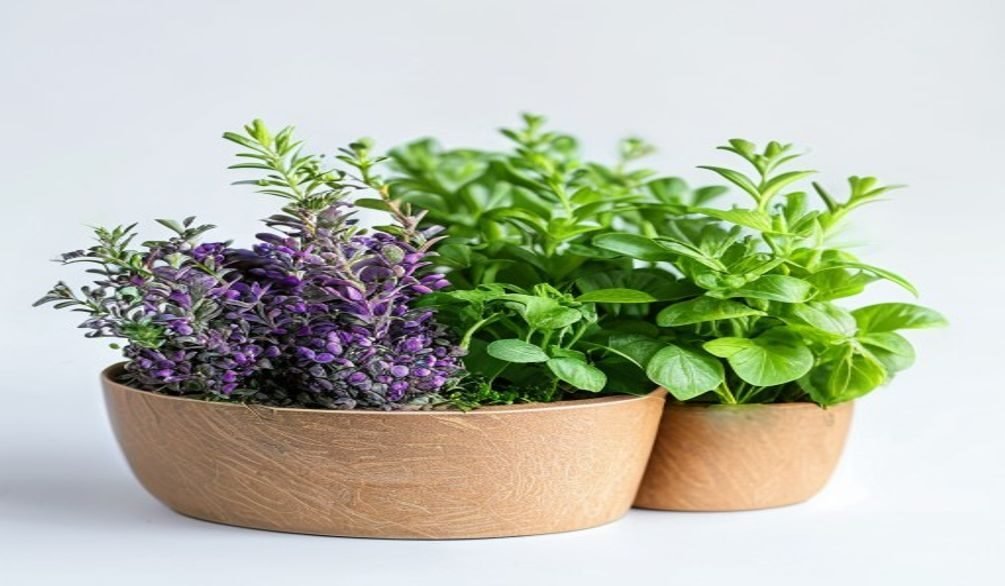
- Lavender: Another Mediterranean beauty, lavender is highly drought-tolerant once established. Water sparingly, allowing the soil to dry out completely between waterings.
- Dill: Dill prefers consistently moist soil but is sensitive to overwatering. Aim for even moisture without saturation.
- Sage: Similar to rosemary and thyme, sage is drought-tolerant. Let the soil dry out thoroughly between waterings to prevent root rot.
- Fennel: This herb prefers consistently moist soil, especially as it develops its bulb. Do not let it dry out completely.
The stark contrast between basil, which needs frequent hydration, and rosemary, which thrives on dryness, serves as a crucial real-world example. Many gardeners share stories of root rot in rosemary or wilted basil if these fundamental differences are ignored.
The Best Way to Water Herbs: Techniques & Tools for Optimal Growth
Beyond knowing when to water, how you deliver that water makes a significant difference. The best way to water herbs involves methods that ensure deep, even saturation without waterlogging.
Top Watering
This is the most common method for how to water herbs. Water slowly and evenly over the soil surface until water begins to drain from the bottom of the pot. This ensures the entire root ball gets hydrated. For established plants, aim to penetrate 6-8 inches into the soil, encouraging deeper, more resilient root growth. The best time to water herbs is typically in the early morning, allowing the foliage to dry before nightfall, which helps prevent fungal diseases.
Bottom Watering for Indoor Herbs
For many indoor herbs, especially those prone to fungus gnats or with dense foliage, bottom watering is an excellent technique. Place your potted herb in a tray or saucer filled with about an inch of water. The plant will absorb water through its drainage holes. Remove the pot after 15-30 minutes, or once the top of the soil feels damp, to prevent over-saturation. This is often the **best way to water indoor herbs** that prefer consistent moisture, like mint or basil.
Self-Watering Systems
For consistent moisture and reduced daily chores, self-watering systems are a game-changer. Products like LECHUZA self-watering planters or DIY wick systems are excellent for herbs that prefer consistent moisture, such as mint or basil. These systems reduce the need for daily manual watering and prevent stress from drying out, leading to increased yield and vitality for moisture-loving herbs.
Signs of Overwatering & Underwatering Herbs
Learning to read your plants is essential. Overwatering is cited as the leading cause of houseplant death, including potted herbs, accounting for an estimated 70% of reported failures by amateur gardeners, according to University Extension gardening surveys (2024).
Signs of Overwatering Herbs
When herbs get too much water, their roots can’t breathe, leading to root rot. Look for these signs:
- Yellowing Leaves: Often starting from the bottom leaves, turning yellow and sometimes translucent.
- Wilting, despite wet soil: This is confusing, but overwatered plants can wilt because their damaged roots can’t absorb water.
- Mushy Stems: The base of the stem might feel soft and squishy.
- Stunted Growth: The plant just stops growing or looks generally unhealthy.
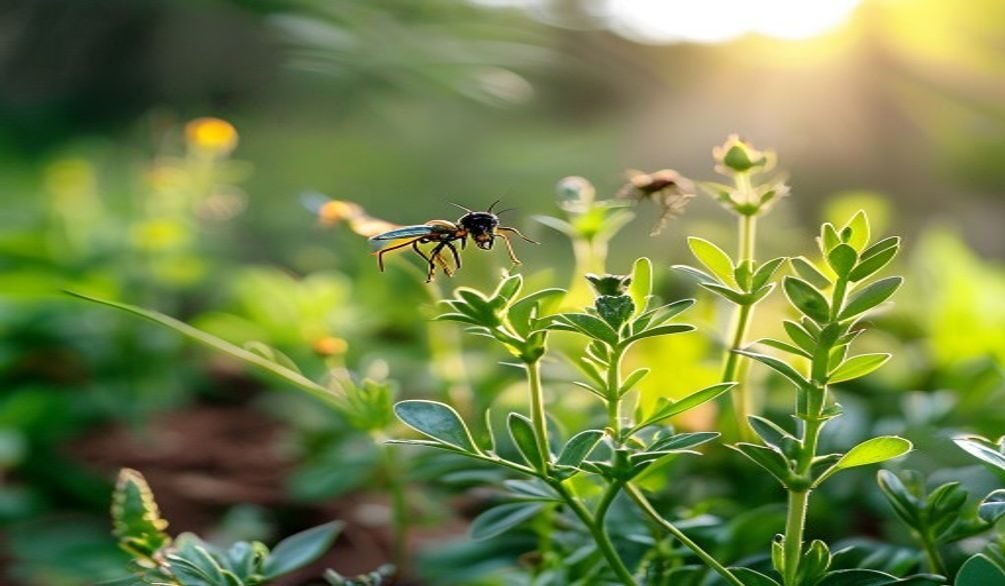
- Fungus Gnats: Small flying insects often indicate consistently wet soil.
- Moldy Soil Surface: A green or white mold on the soil surface is a sign of too much moisture.
Signs of Underwatering Herbs
Underwatering is usually easier to spot and quicker to remedy:
- Drooping or Wilting Leaves: The most obvious sign. Leaves will look limp and lifeless.
- Crispy, Dry Leaves: Leaves might turn brown and feel brittle, often starting at the tips or edges.
- Stunted Growth: Similar to overwatering, but often accompanied by dry soil.
- Lightweight Pot: The pot will feel noticeably lighter than usual.
- Dry, Cracking Soil: The soil pulls away from the edges of the pot.
Troubleshooting & Reviving Distressed Herbs
Don’t despair if your herbs are showing signs of distress; many can be brought back to health with prompt action. Knowing how to revive underwatered herbs or address overwatering is a critical skill.
Reviving Overwatered Herbs
If you suspect overwatering, act quickly to prevent irreversible root rot:
- Stop Watering Immediately: Do not add more water.
- Improve Drainage: If the pot lacks drainage, repot into one that does. Gently lift the plant and inspect roots for mushiness; trim any rotten roots with clean shears.
- Increase Airflow: Move the plant to a spot with good air circulation. You can also gently aerate the soil with a chopstick to help it dry faster.
- Wait: Allow the soil to dry out significantly before considering your next light watering. This might take several days or even a week.
Reviving Underwatered Herbs
Underwatered herbs often bounce back remarkably well:
- Water Thoroughly: Give the plant a deep, slow watering. Water from the top until it drains from the bottom. For severely dry plants, bottom watering can be very effective as it allows the soil to slowly rehydrate.
- Provide Humidity: For indoor herbs, a temporary humidity boost (like placing the pot on a pebble tray with water or covering loosely with a plastic bag for a few hours) can help leaves recover turgor.
- Prune Damaged Parts: Once the plant has recovered some vitality, prune off any crispy, completely dead leaves or stems to encourage new growth.
- Adjust Schedule: Re-evaluate your watering schedule to prevent future drying out. Consider pot size, location, and specific herb needs.
Expert Tips for Keeping Potted Herbs Alive and Thriving
Beyond the basics of how to water herbs, a few expert insights can make all the difference in keeping your potted herbs not just alive, but truly thriving.
- Water Deeply, Not Frequently: When you do water, make it count. Give enough water so that it flows out of the drainage holes. This encourages roots to grow deeper and stronger.
- Consider the Time of Day: Early morning is generally the best time to water herbs. This allows the plant to absorb water before the heat of the day, and foliage has time to dry, reducing the risk of fungal diseases. Watering in hot weather during midday can lead to rapid evaporation and leaf scorch.
- Rotate Your Plants: If your herbs are near a window, rotate them regularly to ensure even growth and exposure to light, which influences their water uptake.
- Fertilize Sparingly: Herbs generally don’t need heavy fertilization. Too much can lead to lush foliage but reduced flavor and can also make them more susceptible to disease.
- Embrace the “Know Your Herb” Philosophy: Always remember Dr. Leonard Perry’s advice: mimic their natural environment. A mint plant will indeed have different needs than a lavender plant. For long-term success, consider reading up on growing perennial herbs.
Frequently Asked Questions
How often should you water potted herbs?
You should generally check potted herbs daily, especially during warm weather, and water when the top 1-2 inches of soil feel dry to the touch. The actual frequency can range from every 1-3 days during peak growing seasons to weekly in cooler conditions, depending on factors like pot size, material, and specific herb type. Always prioritize checking the soil moisture over sticking to a rigid schedule.
How do you know when herbs need water?
The most reliable method is the finger test: stick your finger about an inch or two into the soil. If it feels dry, it’s time to water. Other signs include wilting or drooping leaves, crispy leaf edges, and the pot feeling noticeably lighter than usual.
Should you water herbs every day?
No, you should not necessarily water herbs every day, as this often leads to overwatering and root rot. While some moisture-loving herbs in small pots or hot weather might need daily checks and occasional daily watering, most herbs prefer their soil to dry out somewhat between waterings. Always check the soil moisture before watering to prevent problems.
Do herbs like wet soil?
No, most herbs do not like consistently wet or waterlogged soil. While some herbs like mint and basil prefer consistently moist soil, they still require good drainage to prevent their roots from suffocating and rotting. Mediterranean herbs, in particular, thrive in soil that dries out significantly between waterings.
Mastering the art of watering herbs transforms them from struggling plants into verdant, aromatic powerhouses. By understanding individual needs, observing your plants closely, and utilizing smart techniques, you’ll cultivate a thriving herb garden filled with flavor and life. Start implementing these strategies today and watch your herbs flourish like never before.