Key Takeaways
- Urban gardening is projected to reach nearly 49% across Asia-Pacific in 2026, boosting demand for balcony garden shade solutions.
- Approximately 63.6% of gardeners plan to expand their gardens in 2026, according to the Axiom 2026 Gardening Outlook Study.
- Shade sails, like those from Coolaroo, can block up to 95% of UV rays, providing effective balcony garden shade solutions.
- Full-spectrum LED grow lights, as highlighted by Cultivate Delight, effectively lengthen a plant’s ‘day’ for healthy photosynthesis.
- Choosing insulating containers or using reflective covers helps stabilize root temperatures in shaded balcony garden solutions.
Are you struggling to create a thriving green space on your balcony because of insufficient sunlight? Implementing effective balcony garden shade solutions is crucial for cultivating a lush, productive garden, even in low-light conditions. As an expert with over a decade in horticulture, I’ll guide you through transforming your shaded balcony into a vibrant oasis, ensuring your plants flourish.
Quick Answer: To grow plants in low light on a balcony, choose shade-tolerant varieties like ferns or peace lilies, implement structural shade solutions like sails or awnings, and optimize your microclimate with strategic plant placement and supplemental LED grow lights for 2026 success.
Understanding Your Balcony’s Low-Light Microclimate in 2026
Understanding your balcony’s unique microclimate is the foundational step for successful low-light gardening, as it dictates the types of plants and the most effective balcony garden shade solutions you can implement. In my decade of experience, I’ve found that even balconies with minimal direct sun can be optimized. Urban gardening participation is projected to reach nearly 49% across Asia-Pacific alone in 2026, with rooftop and terrace gardening trends fueling significant demand, highlighting the importance of microclimate management for small spaces.
To accurately assess your balcony’s light, observe it throughout the day, noting how many hours of direct sun it receives. A north-facing balcony, for example, typically receives the least direct sun, making robust balcony garden shade solutions essential. East-facing balconies get morning sun, which is less intense, while west-facing balconies receive harsh afternoon sun that may require different shade strategies.
Identifying the exact light conditions helps you select appropriate balcony garden shade solutions and plants. Rebecca Sweet, a Master Gardener from Harmony in the Garden, emphasizes a crucial distinction: “Just because a plant tolerates shade doesn’t mean it thrives in it—knowing the difference is key.” This insight is vital for choosing plants that will truly flourish.
Consider these factors when evaluating your balcony’s light:
- Orientation: North, South, East, or West.
- Obstructions: Nearby buildings, trees, or other structures that cast shadows.
- Reflected Light: Light bouncing off light-colored walls or windows can increase ambient brightness.
- Seasonal Changes: Sun paths shift throughout the year, affecting light intensity and duration.
This detailed assessment ensures you’re not just guessing but making informed decisions about your low light outdoor plants. Effective balcony garden shade solutions are tailored to these specific conditions, creating an ideal environment for your plants.
What Plants Grow Best in Full Shade on a Balcony in 2026?
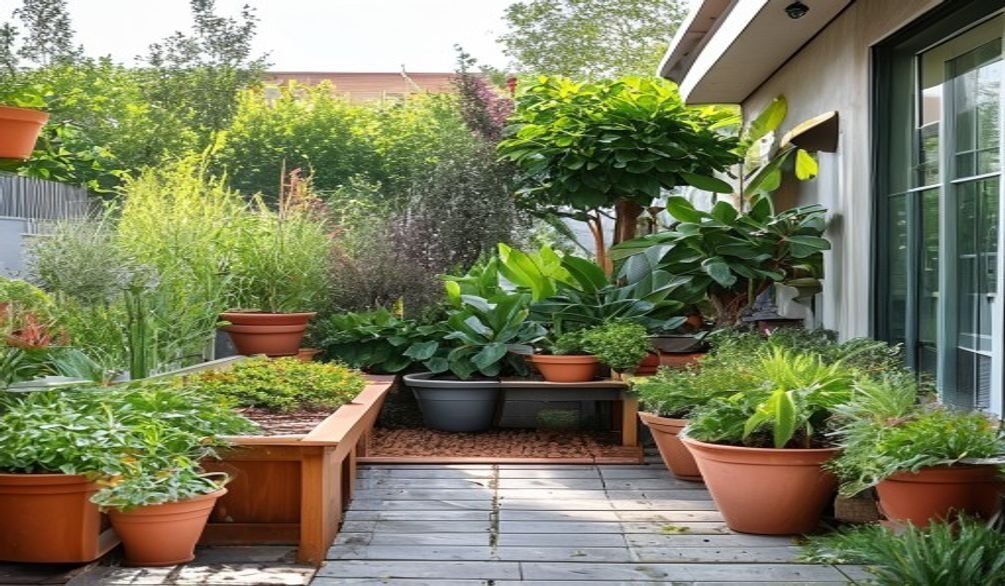
The plants that grow best in full shade on a balcony are those specifically adapted to low light outdoor plants, requiring less than three hours of direct sunlight daily. Many beautiful and resilient species can thrive in these conditions, providing lush greenery and even vibrant blooms as part of your balcony garden shade solutions. In 2026, small-space and container gardening is a major trend, with urban gardeners transforming balconies into lush oases, often relying on these shade-tolerant varieties.
When selecting plants, prioritize those known for their ability to perform well in limited light, which often means focusing on foliage rather than flowers. Robert Silver, Editor in Chief of Progardeningblog, advises, “Hanging balcony plants or potted plants can provide natural shade on a balcony. Vines, for example, can be trained to grow up a trellis or along a railing, providing shade and adding greenery to the space.” This approach not only provides plants but also contributes to your balcony garden shade solutions.
Here are some of the best shade-tolerant plants for your balcony:
- Ferns: Varieties like Boston, Maidenhair, or the robust Jurassic™ Ferns offer elegant, feathery foliage. These are excellent choices for a north-facing balcony.
- Hostas: Known for their diverse leaf shapes and colors, such as Hosta sieboldiana ‘Elegans’, they bring texture and visual interest.
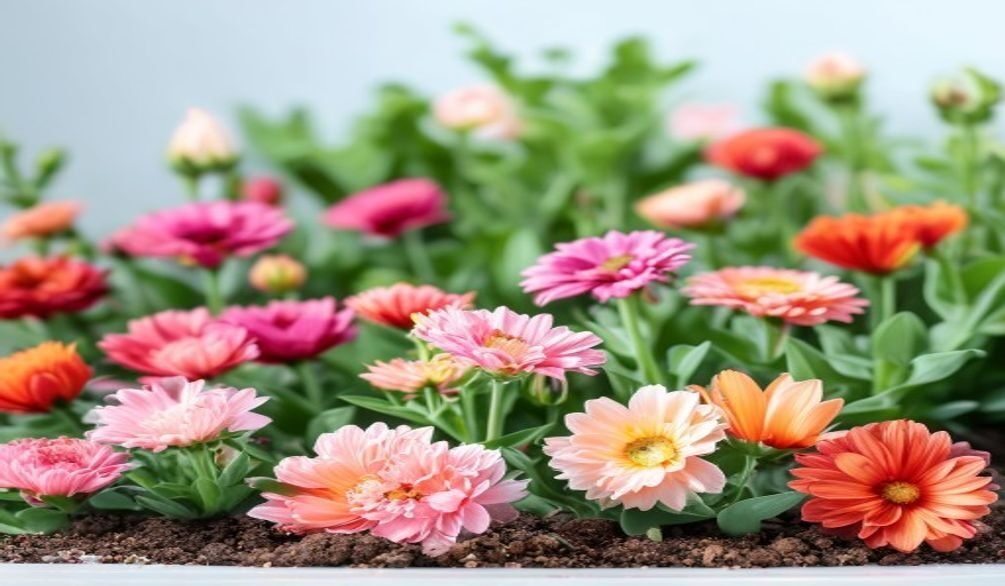
- Impatiens: Beacon Impatiens, in particular, are celebrated for their colorful blooms in shady spots, making them a vibrant component of balcony garden shade solutions.
- Caladiums: Their striking, variegated leaves provide splashes of color without needing much sun.
- Heuchera (Coral Bells): These offer an incredible range of foliage colors, from deep purples to bright limes, and are perfect for container gardening shade.
- Astilbe: With their feathery plumes and attractive foliage, varieties like ‘Fanal’ or ‘Astary White’ add elegance to shaded areas.
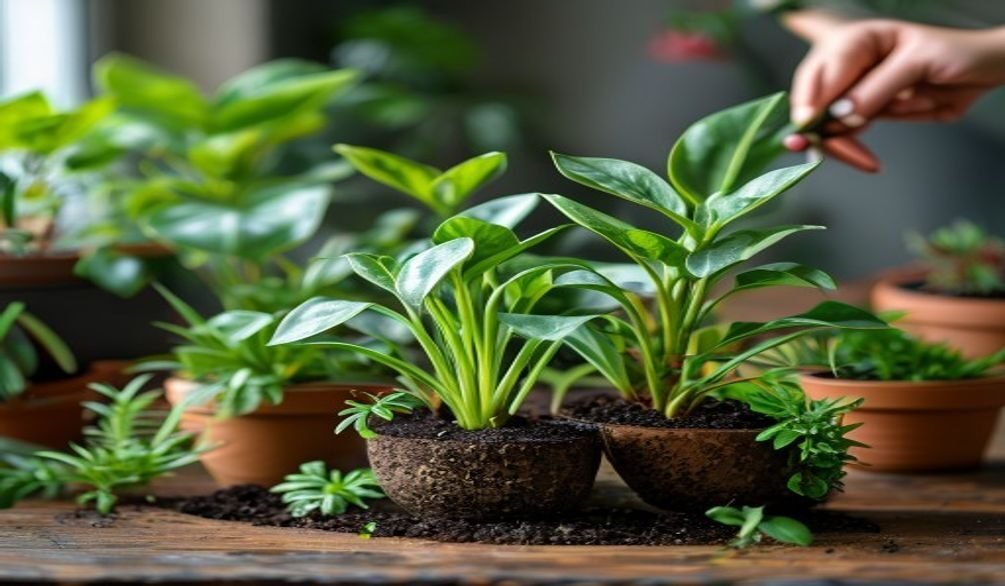
- Tropicals: Peace Lily, Snake Plant, Pothos, Philodendron (e.g., Xanadu, Selloum), ZZ Plant, and Spider Plant are also excellent low light outdoor plants that can be brought outside during warmer months.
These plants are not just survivors; many are truly beautiful and can create a stunning visual impact, enhancing your balcony garden shade solutions. My experience shows that selecting the right species is half the battle won against low light.
For those seeking to add small trees for shaded balcony spaces, consider dwarf Japanese maples or certain varieties of hydrangeas, such as Oakleaf Hydrangeas, which can tolerate partial to full shade and add structural height to your balcony garden shade solutions.
Can Herbs and Vegetables Thrive on a Shaded Balcony?
Yes, certain herbs and vegetables can absolutely thrive on a shaded balcony, particularly those that prefer cooler temperatures and less intense sunlight, expanding your options for productive balcony garden shade solutions. While most edibles prefer full sun, many can tolerate partial shade or even perform surprisingly well in low-light conditions, especially with strategic placement and care. According to the Axiom 2026 Gardening Outlook Study, approximately 63.6% of gardeners plan to plant more and expand their gardens in 2026, indicating a growing interest in making the most of all available spaces, including shaded balconies.
The key is to understand that “full shade” for edibles often means 3-4 hours of direct sun, or bright indirect light for most of the day. This makes it possible to grow vegetables for shaded balcony gardens.
Here’s a quick comparison of edibles suitable for shaded balconies:
| Plant Type | Light Requirement | Notes on Balcony Garden Shade Solutions |
|---|---|---|
| Leafy Greens (Lettuce, Spinach, Arugula, Kale, Swiss Chard) | Partial Shade (3-4 hours direct sun or bright indirect) | These thrive in cooler conditions; shade prevents bolting. Excellent candidates for balcony garden shade solutions. |
| Root Vegetables (Radishes, Carrots (short varieties), Beets) | Partial Shade (4-5 hours direct sun) | Growth may be slower, and roots smaller, but still yieldable. Ensure good drainage for these balcony plants no sun varieties. |
| Herbs (Mint, Parsley, Cilantro, Chives, Lemon Balm) | Partial Shade to Full Shade | These shade-tolerant herbs for pots often have better flavor and longer harvests in cooler, shadier spots. Perfect for enhancing balcony garden shade solutions. |
| Bush Beans | Partial Shade (4-5 hours direct sun) | Can produce a decent crop, though yields might be reduced compared to full sun. |
| Strawberries | Partial Shade (4-6 hours direct sun) | Will produce fruit, though perhaps less abundantly. Great for hanging baskets. |
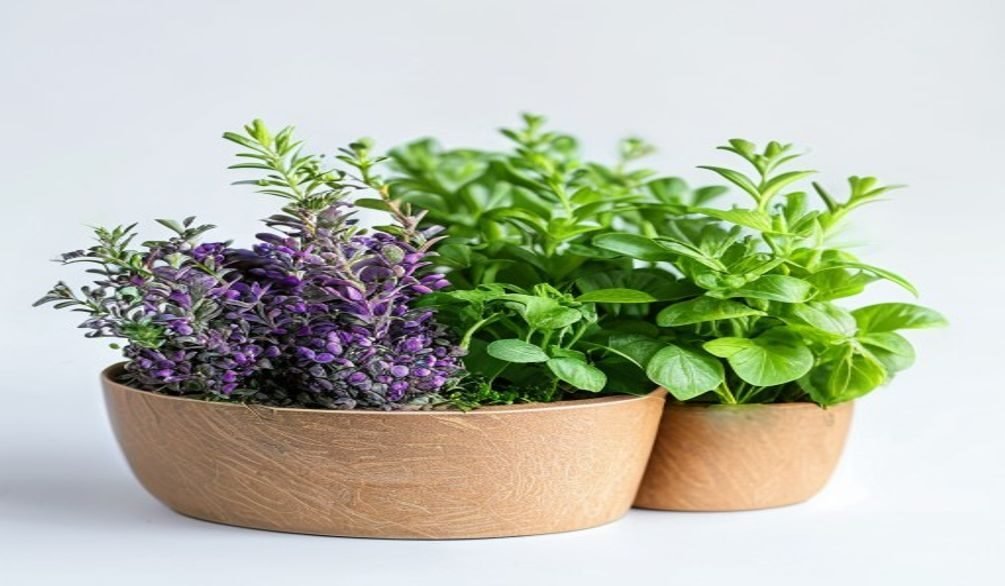
For herbs, specifically, growing herbs small apartment balconies with limited light is very feasible. Mint, parsley, and chives are particularly robust and can provide a steady supply for your culinary needs. I’ve found that these herbs often appreciate the respite from intense afternoon sun, which can prevent them from drying out too quickly.
While you might not get a bumper crop of tomatoes, focusing on leafy greens and shade-tolerant herbs can still make your balcony a productive food source. These choices are excellent ways to integrate edibles into your overall balcony garden shade solutions. For more information on growing herbs in small spaces, consider our guide on Growing Herbs Small Apartment: Easy Tips for 2026.
Innovative DIY Balcony Garden Shade Solutions for 2026
Implementing innovative DIY balcony garden shade solutions allows you to customize your space, control costs, and add a personal touch to your low-light balcony garden. While commercial options exist, creative DIY balcony shade solutions can be just as effective and often more aesthetically pleasing, especially for urban gardening in 2026. My experience shows that combining structural elements with living plants offers the best results.
One of the most effective structural balcony garden shade solutions is the use of shade sails. Brands like Coolaroo, Radiance, and Patio Paradise offer durable, UV-resistant shade sails that can block up to 90-95% of UV rays. These are cost-effective and come in various shapes and sizes, allowing for flexible installation. Another option is retractable awnings from companies like AECOJOY or Outsunny, providing on-demand shade control. John Weinstock, Executive Vice President of Marketing for Graber Blinds, highlights solar shades as a structured solution: “These weather-resistant and energy-efficient shades block UV rays, providing a barrier from the heat and add additional privacy.”
Consider these DIY and semi-DIY balcony garden shade solutions:
- Trellis with Climbing Plants: Install a simple wooden or metal trellis along your railing or against a wall. Train fast-growing, shade-tolerant vines like clematis, ivy, or even edible vines like certain types of grapes (which may produce less fruit in shade but still provide foliage) to grow over it. This creates a dynamic, living balcony privacy screen with plants. For more on edible vines, see our Edible Vines for Balcony Gardens: Ultimate 2026 Guide.
- Bamboo Screens or Reed Fencing: These natural materials can be easily attached to railings or existing structures to provide instant shade and a rustic aesthetic. They are particularly effective for north-facing balcony plants that need constant protection.
- Outdoor Curtains or Drapes: Use weather-resistant outdoor fabrics to create adjustable curtains that can be drawn or tied back as needed. This offers flexible UV protection balcony solutions and adds a soft, inviting feel.
- Portable Privacy Screens: Many decorative screens or partitions can be moved to block sun at different times of the day, offering versatile balcony garden shade solutions.
When creating these solutions, consider the wind factor and ensure all structures are securely fastened to prevent damage. A well-designed DIY shade solution not only protects your plants but also transforms your balcony into a more comfortable outdoor living space.
These creative approaches allow you to tailor your balcony garden shade solutions to your specific needs and aesthetic preferences, making your shaded balcony a truly personalized haven.
How to Integrate Supplemental Grow Lighting for Low-Light Balconies
Integrating supplemental grow lighting is an advanced yet highly effective strategy for boosting plant growth on low-light balconies, especially when natural balcony garden shade solutions aren’t enough to provide adequate light. This method is particularly beneficial for extending the “daylight” hours for edibles or encouraging more robust growth in ornamental plants, even in areas with balcony plants no sun. In 2026, compact and energy-efficient LED grow lights for balcony plants low light are more accessible than ever.
The primary goal of supplemental lighting is not to replace natural sunlight entirely but to enhance it, compensating for short periods of direct sun. Cultivate Delight notes, “Full-spectrum LEDs mimic natural sunlight and support all stages of plant growth,” and that timing lights to supplement natural light can effectively lengthen a plant’s ‘day’ for healthy photosynthesis. This insight is crucial for maximizing the benefits of your balcony garden shade solutions.
Consider these aspects when adding grow lights:
- Type of Grow Light: Full-spectrum LED grow lights are the most energy-efficient and effective option. They emit light across the entire visible spectrum, mimicking natural sunlight, which is ideal for plant health. Compact LED panels and clip-on grow lights are practical for balcony use.
- Placement: Position lights directly above your plants, typically 6-12 inches away, to ensure maximum light penetration without burning foliage. Adjustable fixtures are beneficial as plants grow.
- Timing: Use a timer to provide 4-8 hours of supplemental light daily, ideally during the darkest parts of the day or to extend natural light. For example, if your balcony gets morning sun, you might run lights in the late afternoon. This strategic timing complements your existing balcony garden shade solutions.
- Water Resistance: Ensure any lights chosen are rated for outdoor or damp conditions, especially for balcony use where they might be exposed to humidity or light rain.
While an upfront investment, supplemental grow lights can significantly improve the health and yield of your balcony plants, making previously challenging species viable. They offer a powerful tool in your arsenal of balcony garden shade solutions. For more general guidance on lighting, you might find our Garden Lighting for Beginners 2026: Simple Guide helpful.
From my experience, even just a few hours of well-placed LED light can make a dramatic difference, turning struggling plants into thriving specimens. This is an excellent way to push the boundaries of what’s possible with balcony garden shade solutions.
Choosing the Right Containers for Your Shaded Balcony Garden
Choosing the right containers for your shaded balcony garden is pivotal for plant health, as container choices directly impact root temperature, moisture retention, and overall plant vitality, especially when paired with effective balcony garden shade solutions. In 2026, container gardening shade is a prominent trend, emphasizing smart choices for urban spaces. Katie Tamony, Chief Marketing Officer for Monrovia, notes a trend towards “Patio Culture” where gardeners create whole gardens on their patios with beautiful containers, and this principle applies equally to balconies.
While shade reduces direct heat exposure, containers on balconies are still susceptible to temperature fluctuations and rapid drying out, particularly on sunny days or during heatwaves. Insulating containers and using reflective covers are strategies for stabilizing root temperatures in balcony pots, which are highly susceptible to rapid temperature swings.
Here’s a guide to container choices for your balcony garden shade solutions:
| Container Material | Pros for Shaded Balcony | Cons for Shaded Balcony | Best Use for Balcony Garden Shade Solutions |
|---|---|---|---|
| Terracotta/Clay | Porous, allows roots to breathe, rustic look. | Dries out quickly, heavy, can break. May require more frequent watering. | Good for moisture-sensitive plants if you’re diligent with watering. |
| Plastic/Resin | Lightweight, inexpensive, retains moisture well, wide variety of colors/styles. | Can overheat roots if exposed to any direct sun; less breathable. | Versatile for most plants. Choose lighter colors to reflect heat if any sun hits them. |
| Glazed Ceramic | Retains moisture, attractive, heavy (stable). | Can be expensive, heavy, less breathable than terracotta. | Good for plants needing consistent moisture. |
| Fabric Grow Bags | Excellent aeration, promotes root pruning, lightweight, portable. | Dries out faster than plastic, less aesthetic for some. | Ideal for vegetables and herbs where root health is critical, complementing balcony garden shade solutions. |
| Wood (e.g., Cedar planters) | Insulates roots well, natural aesthetic, durable. | Can be heavy, requires liners to prevent rot, can be expensive. | Excellent for perennial shade-tolerant plants or small trees for shaded balcony spaces. |
When choosing containers, always ensure they have adequate drainage holes to prevent waterlogging, which can be a common issue in shaded environments where evaporation is slower. Combining container choices with your structural balcony garden shade solutions will create the most stable environment for your plants.
From my experience, larger containers are generally better as they offer more soil volume, which insulates roots and holds moisture longer, benefiting your low light outdoor plants. This is a simple yet impactful aspect of successful balcony garden shade solutions.
Expert Tips for Maintaining Your Low-Light Balcony Garden
Maintaining your low-light balcony garden requires specific attention to watering, feeding, and pest management, ensuring your plants remain healthy and vibrant under your chosen balcony garden shade solutions. These expert tips are drawn from my years of practical experience and are tailored to the unique challenges of shaded urban environments. In 2026, 50.2% of gardeners expect to spend more time gardening, and 42.8% anticipate spending more money on their gardening activities, reflecting a dedication to proper maintenance.
Here are some essential maintenance tips for your shaded balcony:
- Watering Wisely: Plants in shade generally require less frequent watering than those in full sun because evaporation is slower. Always check the soil moisture before watering. Stick your finger about an inch into the soil; if it feels dry, it’s time to water. Overwatering is a common killer of low light outdoor plants.
- Fertilize Sparingly: Plants growing in lower light conditions grow slower and thus require less fertilizer. Use a balanced, slow-release granular fertilizer or a diluted liquid feed at half strength, typically once a month during the growing season. Too much fertilizer can burn roots.
- Monitor for Pests and Diseases: Shaded, humid environments can sometimes be more prone to certain pests like slugs, snails, or fungal diseases. Regularly inspect your plants, especially the undersides of leaves, for any signs of trouble. Prompt action is key to keeping your balcony garden shade solutions healthy.
- Rotate Plants: Even in shaded areas, rotating your plants periodically can ensure all sides receive some ambient light, promoting more even growth.
- Pruning and Deadheading: Remove any yellowing leaves or spent blooms to direct the plant’s energy towards new growth and maintain a tidy appearance. This helps the plant focus its energy on thriving in its low-light environment.
- Clean Foliage: Dust can accumulate on leaves, hindering photosynthesis. Gently wipe leaves with a damp cloth to keep them clean and efficient.
- Improve Air Circulation: Ensure good airflow around your plants to prevent fungal issues, especially important in potentially stagnant shaded spots. Strategic placement and proper spacing are part of comprehensive balcony garden shade solutions.
- Consider Winter Protection: Depending on your climate, even shade-tolerant plants may need extra protection during colder months. Move containers indoors or provide coverings if temperatures drop significantly.
By following these maintenance practices, you’ll ensure your low-light balcony garden remains a vibrant and healthy space, proving that effective balcony garden shade solutions extend beyond just blocking sun.
Frequently Asked Questions
What plants grow best in full shade on a balcony?
The best plants for full shade on a balcony are foliage-focused varieties like ferns, hostas, and peace lilies, along with flowering plants such as impatiens and astilbe. These species are naturally adapted to thrive with less than three hours of direct sunlight, making them ideal for north-facing balcony plants. For instance, the Jurassic™ Fern is known for its resilience in low-light conditions.
Can herbs grow on a shaded apartment balcony?
Yes, several herbs can grow successfully on a shaded apartment balcony, especially those that prefer cooler, less intense light. Mint, parsley, chives, cilantro, and lemon balm are excellent choices that often perform better in partial shade than in harsh full sun. These shade-tolerant herbs for pots can still provide flavorful harvests for your kitchen.
What can you grow on a shaded apartment balcony?
On a shaded apartment balcony, you can grow a variety of plants, including leafy greens (lettuce, spinach, kale), root vegetables (radishes, short carrots), and a range of ornamental plants like caladiums, heuchera, and philodendrons. Small-space and container gardening is a major trend for 2026, enabling urban gardeners to cultivate diverse flora even with limited light.
Can plants grow on a balcony without sunlight?
Plants cannot grow on a balcony with absolutely no sunlight, as all plants require some form of light for photosynthesis. However, many plants can thrive in conditions of bright indirect light or only a few hours of direct morning sun. Supplemental LED grow lights can also effectively extend “daylight” hours, as highlighted by Cultivate Delight, making growth possible where natural light is insufficient.