Key Takeaways
- The global vertical farming market is projected to reach $19.8 billion by 2026, according to a market analysis report (2026).
- Over 35% of urban gardeners reported growing food in containers or on balconies in 2024, according to the National Gardening Association (2024).
- Pole beans, cucumbers, and cherry tomatoes are top choices for edible vines for balcony gardens due to their vertical growth.
- Support structures like trellises are essential and should be installed before planting, advises Mark Johnson (2025).
- Integrated pest management is vital for balcony gardens to prevent rapid pest spread, states Sarah Chen, Master Gardener (2026).
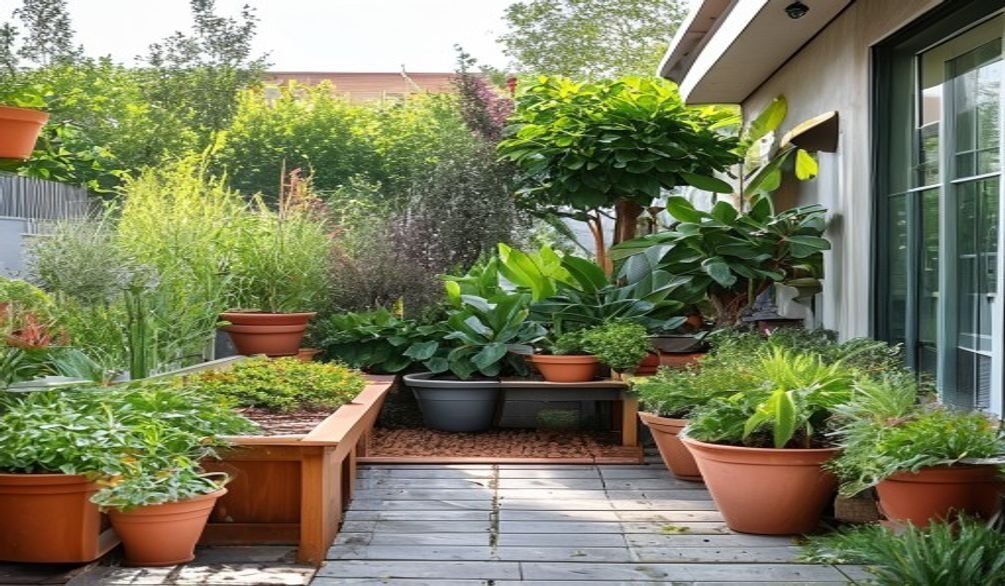
Are you looking to transform your compact urban space into a thriving food source? Cultivating **Edible Vines for Balcony Gardens** offers an innovative solution to maximize yield in limited areas, allowing you to “grow up, not out.” This guide, drawing on my 10+ years of experience in horticulture, will walk you through everything you need to know for a bountiful harvest in 2026, from selecting the perfect plants to advanced care techniques.
Quick Answer: Balcony garden edible vines like pole beans, cucumbers, and cherry tomatoes thrive vertically, maximizing small urban spaces. Use trellises, stakes, or vertical planters, ensuring adequate sunlight and appropriate container sizes for a bountiful 2026 harvest.
What are the Best Edible Vines for Balcony Gardens in 2026?
The best **Edible Vines for Balcony Gardens** in 2026 are those that offer high yields in limited vertical spaces and adapt well to container conditions. These typically include vining vegetables such as pole beans, cucumbers, and cherry tomatoes, which consistently rank as top choices for urban gardeners, according to the National Gardening Association (2024). Many urban gardeners, over 35%, reported success growing food in containers or on balconies in 2024.
Choosing the right varieties is paramount for success. Dwarf or bush varieties of vining plants are often ideal, as they provide the vertical growth without overwhelming a small balcony. For instance, specific determinate cucumber varieties are bred for compact growth, making them perfect **Edible Vines for Balcony Gardens**.
* **Pole Beans:** These are incredibly productive and come in various colors and flavors. They climb readily and offer continuous harvests throughout the growing season, making them excellent **Edible Vines for Balcony Gardens**.
* **Cucumbers:** Look for “bush” or “patio” varieties, or choose traditional vining types if you have ample support. Burpee, a well-known seed company, offers several compact cucumber varieties ideal for containers.
* **Cherry Tomatoes:** Indeterminate cherry tomato varieties can produce an astonishing amount of fruit on a single plant, provided they have sturdy support. They are among the most popular **Edible Vines for Balcony Gardens**.
* **Sugar Snap Peas:** These cool-season climbers are quick-growing and offer delicious, edible pods. They are fantastic for early spring or late fall harvests, adding versatility to your **Edible Vines for Balcony Gardens**.
* **Small Melons:** Varieties like ‘Minnesota Midget’ or ‘Bush Sugar Baby’ watermelons can be grown vertically with strong support for their developing fruits. This allows for a surprising addition to your **Edible Vines for Balcony Gardens**.
* **Passion Fruit (Passiflora edulis):** In warmer climates, passion fruit can be a beautiful and productive choice, offering exotic fruits and stunning flowers. It requires robust support but is a rewarding option for **Edible Vines for Balcony Gardens**.
* **Grapes (Dwarf Varieties):** Certain dwarf grape varieties can be trained to grow on a small trellis, providing both edible fruit and attractive foliage. These can be a long-term investment for your **Edible Vines for Balcony Gardens**.

Table of Top Edible Vines for Balcony Gardens
| Edible Vine | Growth Habit | Sunlight Needs | Container Size |
|---|---|---|---|
| Pole Beans | Vining (5-10 ft) | Full Sun | 3-5 gallons |
| Cucumbers (Bush/Patio) | Compact Vining (2-4 ft) | Full Sun | 5-7 gallons |
| Cherry Tomatoes (Indeterminate) | Vining (6-10 ft) | Full Sun | 7-10 gallons |
| Sugar Snap Peas | Vining (3-6 ft) | Partial to Full Sun | 3-5 gallons |
| Small Melons | Vining (4-8 ft) | Full Sun | 10-15 gallons |
For balcony vertical garden setups, selecting varieties specifically bred for containers or small spaces significantly increases your chances of success. It’s about matching the plant’s needs with your available resources.
How to Choose the Right Edible Climbing Plants for Small Balconies
Choosing the right **Edible Vines for Balcony Gardens** requires careful consideration of your specific balcony conditions and gardening goals. The most crucial factors include the amount of direct sunlight your balcony receives, the available physical space, and the size of containers you can accommodate. From my experience, understanding these limitations before selecting plants prevents common disappointments.
An important statistic to remember is that approximately 60% of urban consumers aged 25-40 desire to grow their own food but cite “lack of space” as the primary barrier, as revealed in a consumer study (2026). This highlights why space-saving edible plants for containers are so vital.
* **Sunlight Exposure:** Most **Edible Vines for Balcony Gardens** like pole beans, cucumbers, and tomatoes require at least 6-8 hours of direct sunlight daily. Observe your balcony throughout the day to determine its sun patterns. If your balcony receives less sun, opt for shade-tolerant edibles like certain varieties of peas or leafy greens that can tolerate partial shade.
* **Available Space:** Measure your balcony dimensions. This will dictate the number and size of containers, as well as the type of support structures you can install. Consider the mature size of the plant, not just its initial seedling size.
* **Container Size:** Vining plants generally have extensive root systems and require larger containers than bush varieties. For example, a single indeterminate tomato plant needs at least a 7-10 gallon pot to thrive. Inadequate container size is a common pitfall for new gardeners.
* **Climate Considerations:** Research the specific needs of your chosen **Edible Vines for Balcony Gardens** relative to your local climate zone. Some plants prefer cooler temperatures, while others thrive in heat. Choosing plants suited to your climate minimizes stress and maximizes yield.
* **Desired Yield:** Consider how much produce you realistically want and can manage. If you’re aiming for a high yield balcony plants, you’ll need to select vigorous varieties and potentially dedicate more space or containers.
For balcony gardeners, selecting the right vine variety is crucial, and support systems must be installed *before* planting, advises Mark Johnson, founder of GreenPillars Vertical Garden Systems (2025). This proactive approach ensures the plants have what they need from day one. When you’re growing climbing vegetables for containers, it’s about making smart choices early on.
Essential Support Structures and DIY Trellis Ideas for Balcony Vines
Effective support structures are absolutely non-negotiable for successful **Edible Vines for Balcony Gardens**, as they allow plants to grow vertically, maximizing your limited space and ensuring healthy air circulation. Without proper support, vining plants will sprawl, become susceptible to disease, and produce fewer fruits. Vertical gardening isn’t just a trend; it’s a necessity for urban food security, utilizing every inch of vertical space, states Dr. Eleanor Vance, Urban Horticulture Specialist (2026).
There are many types of support structures available, from commercial products to creative DIY trellis ideas for balconies. The key is to choose one that is sturdy enough to hold the mature weight of your plants and their produce.
* **Traditional Trellises:** These come in various materials like wood, metal, or plastic. They can be freestanding, wall-mounted, or integrated into planters. Gardener’s Supply Company offers a range of elevated grow bags with trellises that are perfect all-in-one solutions for **Edible Vines for Balcony Gardens**.
* **Stakes and Cages:** While more commonly used for determinate tomatoes, tall, sturdy stakes can support individual vines like pole beans. Tomato cages, if strong enough, can also work for some lighter **Edible Vines for Balcony Gardens**.
* **Netting or Mesh:** Heavy-duty garden netting can be strung between posts or attached to a railing, providing an expansive surface for peas, cucumbers, and lighter squash varieties to climb. This is an efficient way to create a balcony vertical garden.
* **GreenStalk Vertical Planters:** These stackable planters are an excellent solution for growing multiple **Edible Vines for Balcony Gardens** in a compact footprint. They are often seen on social media showcasing high yields from small spaces, demonstrating their effectiveness.
For renters or those looking for budget-friendly options, DIY vertical garden for apartment balcony solutions are abundant.
* **Tension Rod Trellis:** For balconies with an overhead ceiling, a strong tension rod can be placed between the ceiling and the floor, then netting or string can be draped from it. This provides flexible support structures for vines without permanent fixtures.
* **Railing Trellis:** Attach a small wooden or bamboo trellis directly to your balcony railing using zip ties or strong garden wire. Ensure it’s secure and won’t blow away in strong winds. This is a simple yet effective method for many **Edible Vines for Balcony Gardens**.
* **Repurposed Materials:** Old ladders, pallet wood, or even sturdy branches can be transformed into rustic trellises. Lowe’s or Home Depot often provide accessible materials and instructions for creating simple yet effective vertical supports, perfect for DIY projects aimed at growing **Edible Vines for Balcony Gardens**.
When installing any support, make sure it is anchored securely. A strong gust of wind can easily topple a top-heavy plant, especially if it’s laden with fruit. The “Urban Sprout” Project in Brooklyn, NY (2025), successfully converted 50 apartment balconies into productive edible vine gardens, highlighting the efficacy of combining repurposed materials with commercial vertical planters.
Planting and Care Tips for Thriving Balcony Edible Vines
Ensuring your **Edible Vines for Balcony Gardens** thrive requires attention to several key steps, from proper planting to consistent care. A well-executed planting and care regimen is the foundation for a productive vertical vegetable garden for renters, leading to healthy plants and abundant harvests. My years of experience show that small details make a big difference in container gardening.
Here, we break down the essential steps to cultivate flourishing **Edible Vines for Balcony Gardens**.
Step 1: Choose Edible Vine Varieties
Begin by selecting the right **Edible Vines for Balcony Gardens** that are well-suited to your specific balcony’s sunlight and space conditions. This ensures the plant has the best chance to flourish. Opt for dwarf or compact varieties when possible, as they are bred for smaller spaces, or be prepared for consistent pruning to manage vigorous growth, as advised by Mark Johnson (2025).
Step 2: Select Containers & Support Structures
Choose containers that are adequately sized for the mature plant’s root system and install support structures *before* planting. This prevents root disturbance later on and provides immediate support for the climbing vegetables for containers. For instance, a pole bean plant needs at least a 3-5 gallon pot, while indeterminate tomatoes demand 7-10 gallons.
Step 3: Prepare Soil & Plant Seeds/Starts
Fill your chosen containers with a high-quality, well-draining potting mix. This is critical because container plants rely entirely on the soil in their pot for nutrients and moisture. A good mix typically includes compost, perlite, and peat moss or coco coir for optimal aeration and water retention. For more detailed insights, you can consult resources on Vertical Garden Soil Mixes: Best Options for 2026. Plant seeds or starts according to package directions, ensuring proper depth and spacing.
Step 4: Provide Adequate Sunlight & Water
Place your containers where your **Edible Vines for Balcony Gardens** will receive the recommended amount of sunlight, typically 6-8 hours of direct sun daily for most fruiting vines. Consistent watering is crucial for container plants, which dry out faster than in-ground gardens. Check soil moisture daily by sticking your finger about an inch deep; water thoroughly until it drains from the bottom.
Step 5: Train Vines & Prune for Yield
As your **Edible Vines for Balcony Gardens** grow, gently guide their tendrils or stems onto the support structure. This training encourages vertical growth and prevents the plant from sprawling. Pruning is also vital, especially for indeterminate varieties, to encourage fruit production and maintain plant health. Remove suckers from tomatoes and trim back excessively long vines on cucumbers to redirect energy into fruit development.
Step 6: Implement Organic Pest Management
Regularly inspect your **Edible Vines for Balcony Gardens** for any signs of pests or diseases. Early detection is key to preventing major infestations. Utilize organic pest management strategies such as hand-picking pests, using insecticidal soap, or introducing beneficial insects where feasible. Sarah Chen, a certified Master Gardener, emphasizes that integrated pest management is particularly vital for balcony gardens (2026).
Step 7: Harvest Regularly
Harvesting your produce frequently encourages the plant to produce more. For example, picking pole beans every few days will prompt the plant to set more flowers and pods. This continuous harvesting cycle maximizes the yield from your balcony garden ideas 2026.
By following these steps, you can cultivate vibrant and productive **Edible Vines for Balcony Gardens** that provide fresh, homegrown produce right outside your door.
Maximizing Yield and Harvesting Your Balcony Garden Edible Vines
Maximizing the yield from your **Edible Vines for Balcony Gardens** in a confined space requires strategic pruning, consistent feeding, and timely harvesting. It’s not enough to just grow the plants; you need to actively manage them to encourage continuous production. From my observations, many balcony gardeners underestimate the power of thoughtful intervention.
By implementing specific techniques, you can significantly increase the amount of fresh produce you gather from your high yield balcony plants.
* **Strategic Pruning:** For indeterminate tomatoes and cucumbers, regularly remove “suckers” (small shoots that emerge in the crotch of a leaf and stem). This directs the plant’s energy into main stem growth and fruit production, rather than excess foliage. For pole beans, “pinching” back the growing tips once they reach the top of their support can encourage branching and more flower development, leading to more **Edible Vines for Balcony Gardens** produce.
* **Succession Planting:** To ensure a continuous harvest, especially for quick-growing **Edible Vines for Balcony Gardens** like peas or bush beans, consider succession planting. Plant a new batch of seeds every 2-3 weeks during the growing season. This staggers maturity and prevents a glut of produce all at once, ensuring a steady supply.
* **Support Heavy Fruits:** As melons, squash, or even large tomatoes develop, their weight can strain the vine and the support structure. Use slings made from old stockings, fabric strips, or specialized netting to cradle the developing fruits and distribute their weight. This prevents snapped vines and damaged produce, protecting your **Edible Vines for Balcony Gardens**.
* **Consistent Fertilization:** Container plants deplete soil nutrients faster than in-ground plants. Supplement your watering with a balanced liquid fertilizer every 2-4 weeks, especially once flowering and fruiting begin. Follow package directions carefully to avoid over-fertilization, which can burn roots.
* **Timely Harvesting:** This is perhaps the most straightforward way to maximize yield. Harvest vegetables as soon as they reach their optimal size and ripeness. Leaving mature fruits on the vine signals to the plant to stop producing, effectively slowing down your **Edible Vines for Balcony Gardens** production. For example, picking cucumbers when they are small and tender encourages more flowers.
Vertical gardening allows city dwellers to connect with their food source and significantly reduce their carbon footprint, as Dr. Eleanor Vance, Urban Horticulture Specialist, highlighted in 2026. This connection is deepened when you actively engage in maximizing your harvest.
Organic Pest and Disease Management for Balcony Vines
Organic pest and disease management is paramount for **Edible Vines for Balcony Gardens** because limited space can allow pests to spread rapidly, and chemical treatments can be problematic in close living quarters. Integrated pest management (IPM) focuses on prevention and uses environmentally friendly solutions to maintain plant health, ensuring your produce remains safe to eat. Sarah Chen, a certified Master Gardener and author, states that IPM is particularly vital for balcony gardens (2026).
Effective management starts with understanding common balcony garden challenges and implementing proactive measures.
* **Prevention is Key:**
* **Healthy Soil:** Begin with high-quality, sterile potting mix. Healthy soil fosters strong plants that are more resilient to pests and diseases.
* **Proper Air Circulation:** Space your plants adequately and prune dense foliage to improve airflow. This reduces humidity around the leaves, which can deter fungal diseases.
* **Regular Inspection:** Inspect your **Edible Vines for Balcony Gardens** daily for early signs of pests (e.g., sticky residue, tiny bugs on undersides of leaves) or disease (e.g., spots, wilting, discoloration). Early detection makes treatment much easier.
* **Quarantine New Plants:** Before introducing new plants to your balcony, keep them separate for a week or two to ensure they aren’t carrying any hidden pests or diseases.
* **Organic Treatment Options:**
* **Hand-Picking:** For larger pests like tomato hornworms or slugs, simply pick them off by hand.
* **Insecticidal Soap:** A gentle, organic solution effective against soft-bodied insects like aphids, spider mites, and whiteflies. Always follow label instructions and test on a small area first.
* **Neem Oil:** A natural pesticide and fungicide that disrupts pest life cycles. It’s effective against a wide range of pests and some fungal issues. Apply in the evening to avoid harming beneficial insects and during cooler temperatures.
* **Companion Planting:** Strategically planting certain herbs or flowers can deter pests. For example, marigolds are known to repel nematodes and other pests, while nasturtiums can act as a trap crop for aphids. This is a clever approach for organic pest management balcony.
* **Water Blasting:** A strong stream of water can dislodge aphids and spider mites from leaves. Ensure you do this in the morning so leaves have time to dry.
For more information on organic gardening practices, consider resources like Organic Vertical Gardening: Ultimate Space Saver 2026. By integrating these organic strategies, you can maintain a healthy and productive environment for your **Edible Vines for Balcony Gardens**, minimizing reliance on harsh chemicals.
FAQs About Balcony Garden Edible Vines
What edible plants can grow vertically?
Many edible plants can grow vertically, especially vining varieties that naturally climb. Examples include pole beans, cucumbers, peas, indeterminate tomatoes, small melons, and some squash varieties. These plants thrive when provided with adequate support structures.
What is the best climbing vegetable for a small garden?
Pole beans are often considered the best climbing vegetable for a small garden due to their high productivity, relatively compact footprint, and ease of growth. They offer continuous harvests throughout the season, maximizing yield from a small space. Over 35% of urban gardeners reported growing food in containers or on balconies in 2024, according to the National Gardening Association (2024).
What is the easiest climbing vegetable to grow?
Sugar snap peas are generally regarded as one of the easiest climbing vegetables to grow, especially for beginners. They are relatively low-maintenance, tolerate cooler temperatures, and produce delicious, edible pods with minimal effort. They are fantastic **Edible Vines for Balcony Gardens** for early harvests.
What plants can grow on a trellis on a balcony?
A wide variety of plants can grow on a trellis on a balcony, including most **Edible Vines for Balcony Gardens** such as cherry tomatoes, pole beans, cucumbers, and even some lightweight gourds. The key is to match the plant’s mature size and weight with a sturdy and appropriately sized trellis. Mark Johnson, founder of GreenPillars Vertical Garden Systems, advises installing support systems *before* planting (2025).
How do you maximize yield from balcony vines?
To maximize yield from balcony vines, implement strategic pruning (like removing suckers), ensure consistent watering and fertilization, and harvest regularly. Succession planting for quick-growing varieties can also provide a continuous supply of produce. These techniques are crucial for getting the most from your **Edible Vines for Balcony Gardens**.
Cultivating **Edible Vines for Balcony Gardens** is a truly rewarding endeavor, transforming even the smallest urban spaces into vibrant, productive foodscapes. By carefully selecting the right varieties, providing robust support structures, and implementing consistent organic care, you can enjoy a continuous supply of fresh, homegrown produce throughout the growing season. Embrace the vertical challenge and discover the immense satisfaction of harvesting your own bounty right on your balcony in 2026. Start planning your vertical garden today and taste the difference!