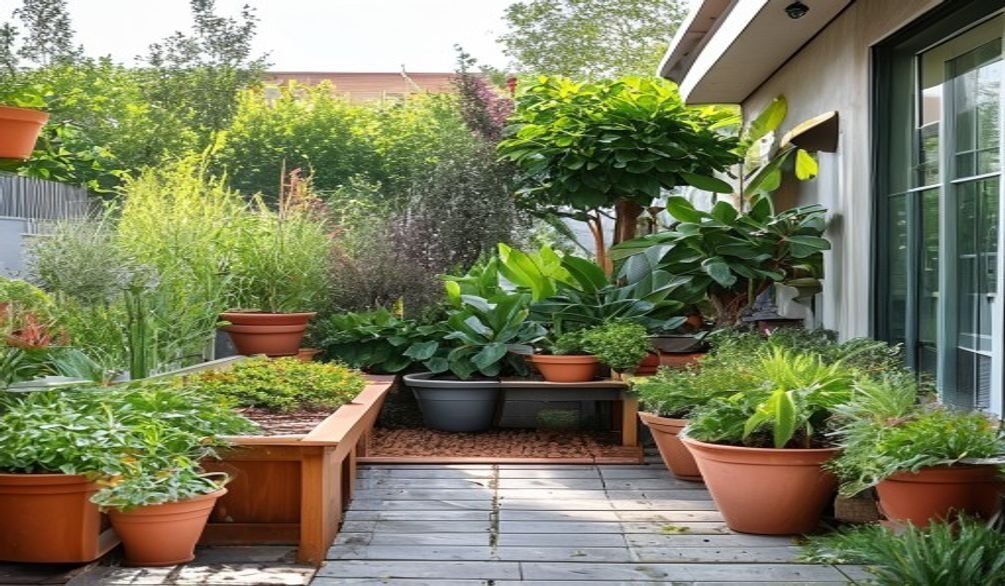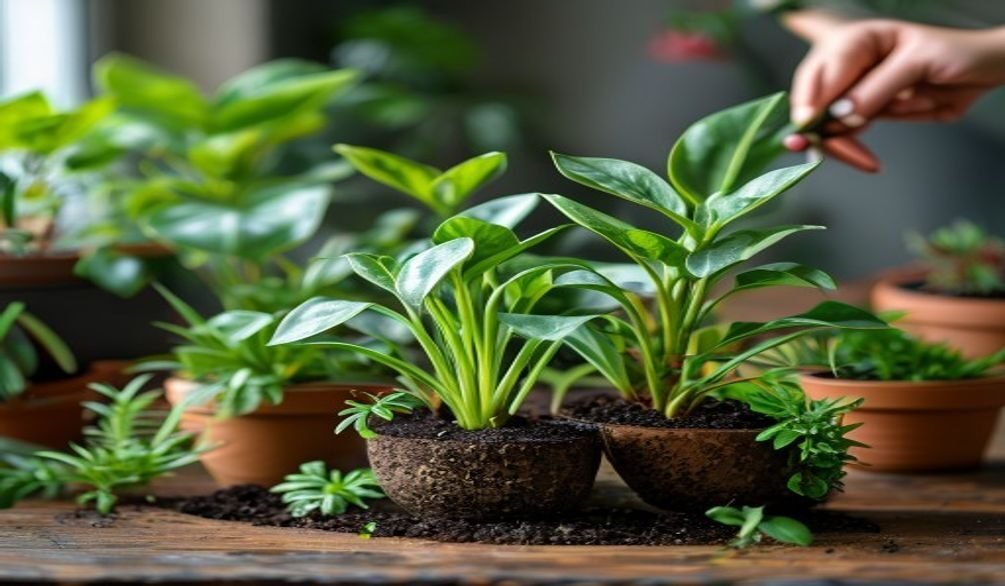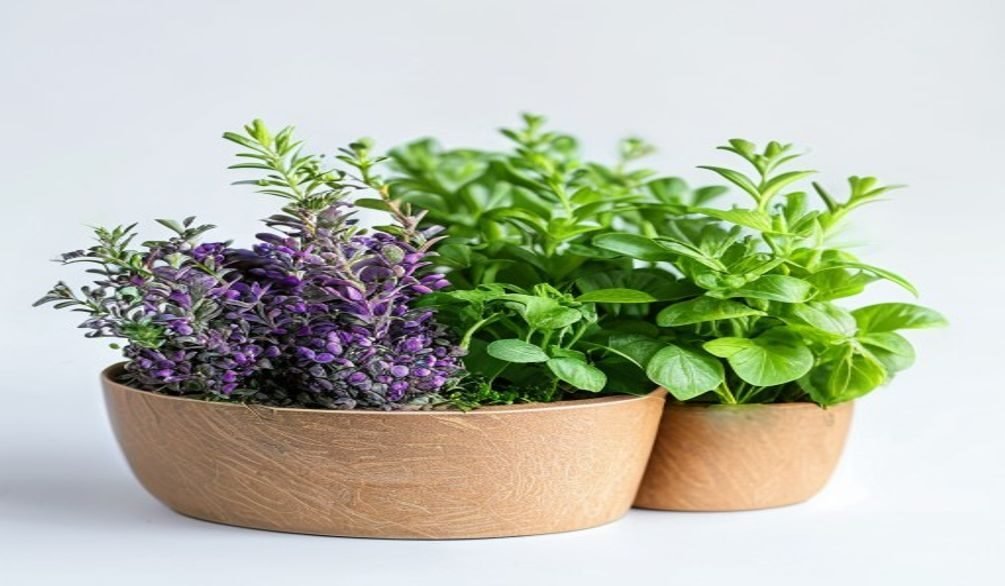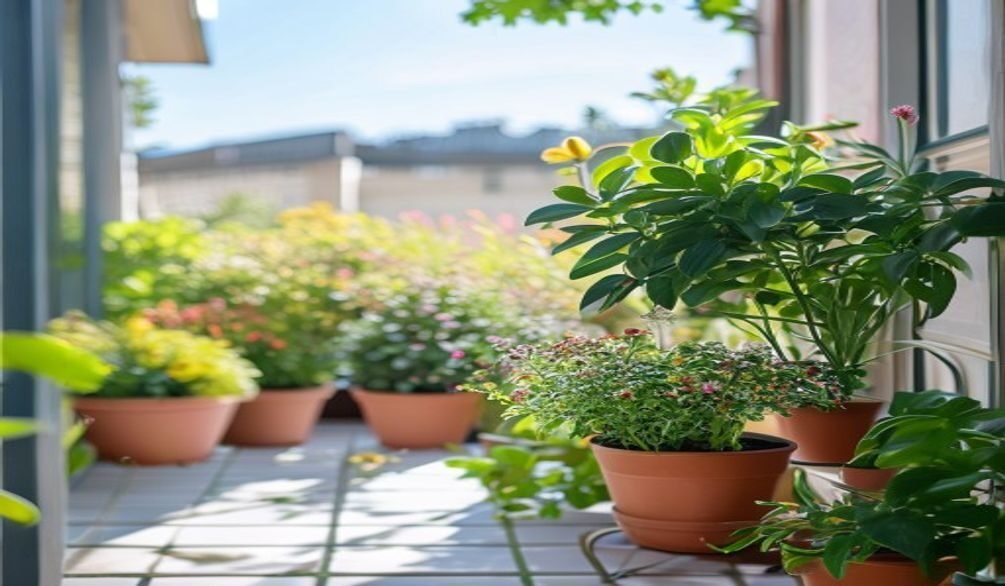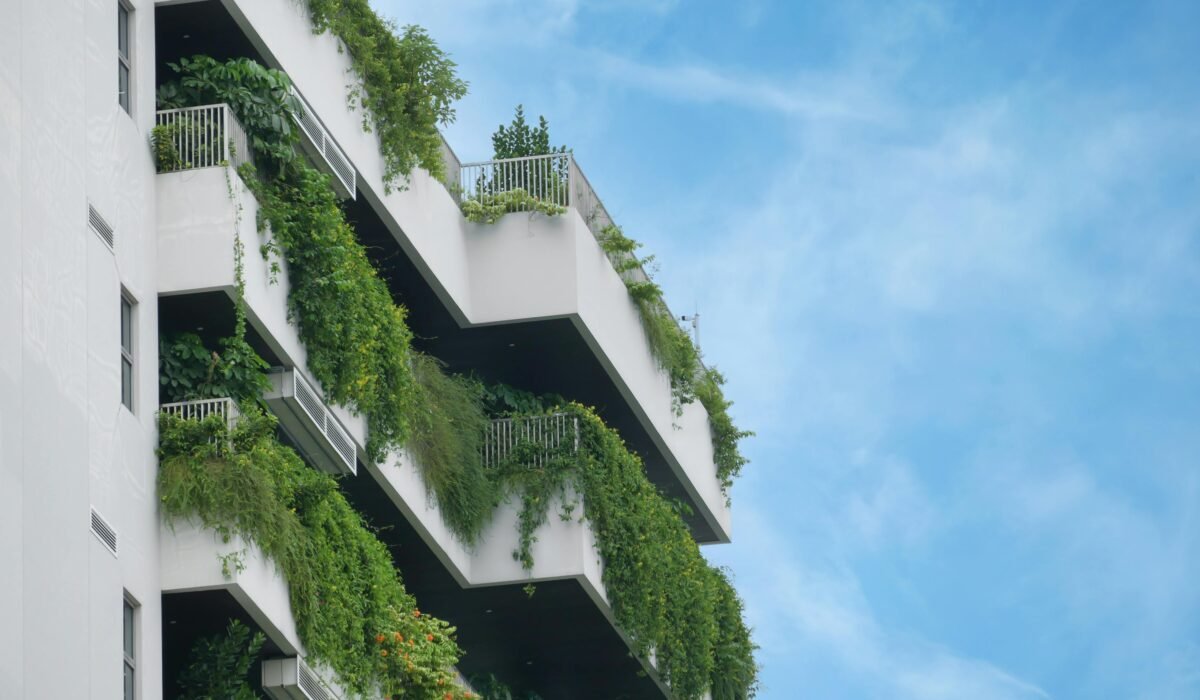
Dreaming of lush greens and fresh produce but limited to a small outdoor space? Transforming your compact urban area is entirely possible, and these balcony vertical garden ideas offer the perfect solution to maximize small space harvests, turning even the tiniest balcony into a thriving, productive oasis.
Why Choose Vertical Gardening for Your Balcony?
Vertical gardening isn’t just a trend; it’s a smart, efficient way to cultivate plants when horizontal space is at a premium. For anyone with a balcony, this approach unlocks incredible potential, allowing you to grow more in less area. This is particularly relevant given that households engaging in container gardening increased by approximately 200% between 2022 and 2023, reflecting a growing desire for urban gardening solutions.
The primary benefit of a vertical garden system is its ability to transform unused wall space into productive growing zones. As Derek Fell, author of *Vertical Gardening*, aptly puts it, “Vertical gardening is an innovative, effortless, and highly productive growing system that uses bottom-up and top-down supports for a wide variety of plants in both small and large garden spaces.” This means you can enjoy fresh herbs, vegetables, and flowers without needing a sprawling backyard.
Beyond simply saving space, vertical gardens contribute significantly to urban biodiversity and can even boost morale, as noted by Lee Anderson of the University of Arkansas System Division of Agriculture. They offer aesthetic appeal, creating a living wall that can enhance your balcony’s ambiance and provide a sense of connection to nature. For apartment dwellers, it’s often the only practical path to a thriving garden.
Creative Balcony Vertical Garden Ideas for Every Space
When it comes to balcony vertical garden ideas, the possibilities are as varied as the plants you can grow. The key is to assess your balcony’s size, sun exposure, and structural limitations to choose the best vertical garden system for your small balcony. Many innovative products and DIY options make small space gardening accessible to everyone.
Consider these popular and effective vertical garden systems:
- Wall-Mounted Pocket Planters: These fabric or felt systems, like the HilarityMax 36-Pocket Vertical Garden, are excellent for growing herbs, succulents, or shallow-rooted greens. They attach directly to a wall or railing, instantly adding greenery without taking up floor space.
- Tiered or Stackable Planters: Designed to stack pots on top of each other, these systems create a compact tower of plants. The Happy Place Products Stackable Planter is a budget-friendly entry point, perfect for beginners looking for easy container gardening balcony solutions.
- Trellises and Arbors: For climbing plants like beans, peas, or small cucumbers, a simple trellis offers vertical support. You can attach them to a wall or use freestanding options to create a green privacy screen.
- Pallet Gardens: Repurposed wooden pallets can be transformed into rustic vertical planters by adding fabric lining or small pots. This is a popular DIY vertical garden project that offers a charming, sustainable aesthetic.
- Shelving Units: A sturdy shelving unit can hold multiple pots, effectively creating a vertical display. This allows for flexibility in plant arrangement and easy access for care, making it a versatile option for any apartment balcony garden.
What most people miss is how easily these systems can be adapted. Don’t be afraid to mix and match; combining a pocket planter for herbs with a small trellis for cherry tomatoes can maximize your yield and visual appeal.
Best Plants for Balcony Vertical Gardens: From Herbs to Veggies
Choosing the right balcony plants is crucial for a successful vertical garden. The best candidates are those with compact growth habits, shallow root systems, and a preference for consistent moisture. This focus on space-saving plants ensures a productive harvest even in limited conditions.
Herbs: The Vertical Garden Staples
Herbs are perhaps the easiest and most rewarding plants for vertical gardens. Their relatively small size and frequent harvesting make them ideal. Consider:
- Basil: Loves sun and consistent moisture.
- Mint: Grows vigorously; best kept in its own pocket or container to prevent spreading.
- Chives: Easy to grow and adds a mild onion flavor.
- Parsley: Both flat-leaf and curly varieties thrive.
- Thyme & Rosemary: Drought-tolerant once established, excellent for sunny spots.
These are fantastic choices for a vertical herb garden for apartment balcony spaces, providing fresh flavor year-round.
Leafy Greens & Small Vegetables
Many popular vegetables can flourish in a vertical setup, offering small space vegetable garden ideas balcony dwellers will appreciate. Focus on compact, quick-growing varieties:
- Lettuce & Spinach: Harvest outer leaves for continuous growth.
- Swiss Chard & Kale: Resilient and productive, harvest young leaves.
- Radishes: Quick turnaround from seed to harvest.
- Bush Beans: Look for dwarf or bush varieties that don’t vine excessively.
- Strawberries: Perfect for hanging pockets, allowing berries to cascade.
- Cherry Tomatoes: Choose determinate (bush) varieties and provide sturdy support.
For plants for vertical balcony garden full sun exposure, consider Mediterranean herbs, peppers, and determinate tomato varieties. Always ensure your chosen plants’ light requirements match your balcony’s sun patterns.
Setting Up Your Balcony Vertical Garden: A Step-by-Step Guide
Building a thriving vertical garden on your balcony doesn’t have to be daunting. With a clear plan, you can create a beautiful and productive space. Here’s how to build a vertical garden on a tiny balcony, ensuring success from the start.
- Assess Your Balcony: Before anything else, understand your space. Measure available wall space, observe sun exposure throughout the day (morning sun, afternoon sun, shade), and check for any weight restrictions or landlord rules. Knowing your sun patterns is critical for plant selection.
- Choose Your System: Based on your assessment and preferred balcony vertical garden ideas, select a system. Will it be a wall-mounted pocket planter, a stackable tower, or a trellis? Consider factors like durability, ease of watering, and aesthetic appeal.
- Gather Materials: You’ll need your chosen vertical garden system, high-quality potting mix (lightweight is often best for balconies), appropriate plants or seeds, and basic gardening tools like a small trowel and watering can.
- Assemble and Install: Follow the manufacturer’s instructions for assembling your vertical garden system. Ensure it’s securely mounted or placed to withstand wind and plant growth. For wall-mounted systems, use appropriate anchors for your balcony material.
- Prepare Your Soil: Fill your pockets, containers, or tiers with a good quality, well-draining potting mix. Avoid heavy garden soil, as it can compact and become too heavy for vertical structures. You can amend with compost for added nutrients. Terrace Garden Composting Guide: Make Rich Soil at Home offers great insights into creating nutrient-rich soil.
- Plant Your Garden: Gently remove plants from their nursery pots and place them into your vertical system. Space them according to their mature size. If planting seeds, follow package directions for depth and spacing. Water thoroughly after planting.
In practice, taking the time to plan will save you headaches later. A little preparation goes a long way in ensuring your small space gardening effort yields abundant results.
Overcoming Balcony Challenges: Wind, Weight, and Sun Exposure
Balconies, by their nature, present unique challenges that can impact your vertical garden’s success. Addressing these head-on is key to a thriving urban oasis. What most people miss is that a proactive approach to these issues can turn potential problems into opportunities for innovative solutions.
Managing Wind Exposure
Wind can be a significant adversary, especially on higher floors. Strong gusts can dehydrate plants quickly, damage delicate foliage, and even topple lightweight vertical garden systems. To mitigate this:
- Choose Sturdy Systems: Opt for robust vertical garden systems made from durable materials. Secure wall-mounted planters firmly.
- Create Windbreaks: Use strategically placed taller, wind-tolerant plants on the windward side, or install permeable screens or trellises that break up wind flow without completely blocking air circulation.
- Select Resilient Plants: Prioritize plants with flexible stems and smaller leaves that are less prone to wind damage.
Addressing Weight Limits
Balconies have structural weight limits, and a fully watered vertical garden can become surprisingly heavy. This is a critical safety consideration for any apartment balcony garden. Always verify your balcony’s capacity if you plan a large installation.
- Use Lightweight Materials: Choose plastic or fabric planters over heavy ceramic or terracotta.
- Opt for Soilless Mixes: Consider coco coir or perlite-based potting mixes, which are lighter than traditional soil.
- Distribute Weight Evenly: Avoid concentrating all your heaviest planters in one small area.
Optimizing Sun Exposure
Balconies often have varying sun patterns throughout the day, with some areas receiving full sun and others partial shade. This requires thoughtful placement of your balcony plants.
- Observe and Map: Spend a day observing how sunlight moves across your balcony. Map out areas that receive full sun (6+ hours), partial sun (3-6 hours), and shade (less than 3 hours).
- Rotate Plants: If possible, rotate your vertical garden sections or individual pots to ensure all plants get adequate light.
- Match Plants to Light: Place sun-loving plants like tomatoes or peppers in the brightest spots, and shade-tolerant greens or herbs in less intense areas.
Watering & Maintaining Your Vertical Garden for Continuous Harvests
Consistent watering and thoughtful maintenance are the backbone of a successful vertical garden, particularly for ensuring continuous harvests. Due to increased exposure to air and sun, vertical gardens often dry out faster than traditional in-ground beds, making a reliable vertical garden watering strategy essential.
Efficient Watering Techniques
The challenge with vertical garden systems is often ensuring even moisture distribution to all plants without overwatering the lower tiers or letting the upper ones dry out. Here are effective methods:
- Top-Down Watering: Manually water from the top-most plants, allowing excess water to trickle down through the system. This requires careful monitoring to ensure lower plants receive enough moisture.
- Drip Irrigation Systems: For larger setups, a simple drip irrigation system with a timer can automate watering, delivering precise amounts of water directly to each plant. This is ideal for a low maintenance vertical balcony garden.
- Self-Watering Planters: Some vertical systems incorporate reservoirs that provide water to plants as needed, reducing the frequency of manual watering. Best Self-Watering Planters for Indoor Plants: Ultimate Guide offers great insights into these systems.
Always check soil moisture with your finger before watering. Overwatering can be just as detrimental as underwatering.
Nutrient Management & Fertilization
Because vertical gardens use limited soil volume, plants quickly deplete available nutrients. Regular feeding is vital for continuous growth and maximizing yields. Here’s the thing: plants are heavy feeders, especially in confined spaces.
- Liquid Fertilizers: Use a balanced liquid fertilizer diluted to half strength every 2-4 weeks, especially for fruiting vegetables.
- Slow-Release Granules: Incorporate slow-release granular fertilizer into your potting mix at the beginning of the season for a steady supply of nutrients.
- Compost Tea: A natural, nutrient-rich boost that can be easily applied during watering.
For more detailed information on plant nutrition, refer to Plant Nutrition for Beginners: Guide to Healthy Growth.
Pest & Disease Management
Dense vertical plantings can sometimes create microclimates conducive to pests and diseases. Regular inspection is your best defense.
- Daily Checks: Look for discolored leaves, holes, or the presence of insects.
- Pruning: Remove any diseased or yellowing leaves promptly to improve air circulation and prevent spread.
- Organic Pest Control: Use insecticidal soaps or neem oil for common pests like aphids or spider mites.
Maintaining a healthy environment helps ensure a continuous supply of fresh produce from your balcony.
Exploring Hydroponic & Aeroponic Systems for Balcony Growers
For those seeking to truly maximize their balcony’s harvest and embrace cutting-edge small space gardening, hydroponic and aeroponic systems offer incredible efficiency. These methods grow plants without soil, using nutrient-rich water solutions, often resulting in faster growth and higher yields. The vertical farming market itself is projected to reach USD 53.3 million by 2033, highlighting the growing interest in these advanced techniques.
Hydroponic Balcony Garden Systems
Hydroponics involves growing plants with their roots directly in a nutrient solution or an inert medium like rockwool or coco coir. This method uses significantly less water than traditional soil gardening and eliminates soil-borne pests. Several ready-to-use systems are perfect for a balcony hydroponic garden DIY project:
- Lettuce Grow The Farmstand: A popular choice that supports 12 to 36 plants, known for its efficiency and versatility for both novices and experienced gardeners. It’s an excellent example of a best vertical garden system for small balcony spaces.
- Gardyn Home Kit 3.0: Designed for indoor enthusiasts, this system accommodates up to 30 plants with smart technology, though it can be adapted for sheltered balconies.
- ExoTower 20-Plant Hydroponic Kit: Ideal for very small spaces, this sleek, compact solution provides a great entry point into hydroponic growing.
Setting up a hydroponic system can seem complex, but many balcony-specific kits simplify the process for beginners. The core principle is providing plants with precisely balanced nutrients directly to their roots. For more information on plant nutrients, check out Hydroponic Plant Nutrients Explained: Master Guide.
Aeroponic Systems for High Yields
Aeroponics takes soil-less gardening a step further by suspending plant roots in the air and misting them with a nutrient solution. This provides maximum oxygen to the roots, often leading to even faster growth rates than traditional hydroponics. While typically more advanced, compact aeroponic units are emerging for home growers.
“Vertical gardening is a great way to take advantage of empty vertical space such as walls or fences, or even free-standing structures, and is particularly beneficial for seniors or those in apartments with only a balcony.” – David Hillock, Oklahoma State University Extension consumer horticulturist.
These advanced vertical garden systems represent the cutting edge of small space gardening, offering a path to abundant harvests with minimal footprint. While the initial investment might be higher, the long-term benefits in yield and water savings can be substantial.
Troubleshooting & Maximizing Yields in Your Small Space Garden
Even with the best planning, every gardener encounters challenges. Knowing how to troubleshoot common issues and employ strategies for maximizing yields will keep your small space garden productive. The goal is not just to grow, but to thrive and harvest continuously.
Common Troubleshooting Scenarios
Addressing problems quickly is key to plant health and continuous harvests:
- Yellowing Leaves: This often signals a nutrient deficiency (e.g., nitrogen) or overwatering. Check your watering schedule and ensure regular fertilization. If using hydroponics, test your nutrient solution’s pH.
- Wilting Plants: Usually indicates underwatering, but can also be a sign of root rot from overwatering. Feel the soil; if dry, water thoroughly. If soggy, improve drainage.
- Pest Infestations: Small, confined spaces can be hotbeds for pests. Regularly inspect plants and treat with organic solutions like insecticidal soap at the first sign of trouble. Identify and Treat Leaf Miners: A Gardener’s Guide offers specific pest advice.
- Slow Growth: Could be insufficient light, lack of nutrients, or incorrect temperature. Review your balcony’s sun exposure and feeding routine.
A little daily observation can prevent small issues from becoming big problems, helping you maintain a low maintenance vertical balcony garden.
Strategies for Maximizing Yields
Beyond basic care, several techniques can significantly boost your harvests from a balcony vertical garden:
- Succession Planting: Instead of planting all seeds at once, sow small batches every 2-3 weeks. This ensures a staggered harvest, providing fresh produce over a longer period.
- Pruning & Pinching: For many herbs and vegetables (like basil or indeterminate tomatoes), pinching back growth encourages bushier plants and more fruiting points. Remove spent flowers to encourage new blooms and harvests.
- Companion Planting: Strategically pairing plants can deter pests and improve growth. For example, marigolds can help protect nearby vegetables.
- Optimize Light: If some areas of your vertical garden receive less light, rotate plants or consider supplemental Vertical Garden Lighting: Natural vs. Artificial Smart Guide.
- Harvest Regularly: The more you harvest leafy greens and herbs, the more they produce. This signals the plant to create new growth.
By actively troubleshooting and implementing these yield-maximizing strategies, your balcony vertical garden can become an incredibly productive source of fresh food, proving that even a small space can yield big results.
Frequently Asked Questions
What plants are best for vertical gardening on a balcony?
The best plants for vertical gardening on a balcony are typically those with compact growth habits and shallow root systems. Excellent choices include leafy greens like lettuce and spinach, herbs such as basil and mint, and small fruiting plants like strawberries or bush beans. Always consider your balcony’s specific sun exposure when selecting plants.
How do you set up a vertical garden on a balcony?
Setting up a vertical garden on a balcony involves assessing your space’s sun and weight limits, choosing a suitable vertical garden system (like wall-mounted pockets or stackable planters), and gathering lightweight potting mix and plants. Securely install your system, fill with soil, plant your chosen species, and water thoroughly. Planning is crucial for success.
What are the benefits of vertical gardening for small spaces?
Vertical gardening offers numerous benefits for small spaces, primarily maximizing planting area by utilizing vertical surfaces. It allows urban dwellers to grow a diverse range of plants, enhances aesthetic appeal, and can improve air quality and mood. This method makes gardening accessible even with limited square footage, transforming unused walls into productive green spaces.
How do you water a vertical garden on a balcony?
To water a vertical garden on a balcony, you can manually water from the top down, allowing water to trickle through the system to lower plants. For larger or more efficient setups, consider installing a drip irrigation system with a timer, which delivers precise amounts of water to each plant. Always check the soil moisture before watering to prevent over or under-hydration.
Embracing balcony vertical garden ideas is a fantastic way to green your urban living and enjoy fresh, home-grown produce. By choosing the right system, selecting suitable plants, and applying smart maintenance, your small space can flourish. Start planning your vertical oasis today and discover the immense satisfaction of maximizing your harvests.