Key Takeaways
- Approximately 40% of insect pollinators face substantial threats, according to the Center for Biological Diversity.
- Native flowers attract pollinators 42 times more often than non-native species, as reported by FMR monitoring (2023).
- The University of Georgia enhanced 1,686 square feet of pollinator habitat in 2024-2025.
- Over three-quarters of flowering plants rely on animal pollinators for reproduction, states NC State University (2019).
- Pollinator gardens, rich in diverse plants, transform traditional yards into vital wildlife habitats.
Are you eager to transform your garden into a vibrant haven teeming with life? Discovering the Best Nectar-Rich Flowers for Butterflies is the first crucial step to attracting these beautiful pollinators and supporting their vital life cycle. As a gardener with over 10 years of experience in horticulture, I’ve seen firsthand how the right plant choices can make a profound difference, and in this guide, I’ll share my knowledge to help you cultivate a thriving butterfly sanctuary. You’ll learn which specific flowers provide the most energy for adult butterflies and how to design a garden that supports them from egg to adult.
Quick Answer: The best nectar-rich flowers for butterflies include Zinnia, Coneflower, Milkweed, Lantana, and Salvia. These vibrant blooms provide essential energy, attracting a diverse range of butterfly species and supporting their life cycle in your garden.
What are the Best Nectar-Rich Flowers for Butterflies?
The best nectar-rich flowers for butterflies are those that offer easily accessible nectar, vibrant colors, and bloom consistently throughout the growing season, providing a critical energy source for adult butterflies. Pollinators visited native flowers 42 times more often than non-native and invasive flower species at restoration sites in 2023, as reported by FMR monitoring. When selecting plants, consider a diverse range to support various butterfly species and ensure a continuous food supply.
A well-planned selection of pollinator-friendly flowers ensures a steady buffet for butterflies. The key is diversity in bloom times, flower shapes, and colors, which caters to different butterfly species and their proboscis lengths.
In my 10 years of gardening, I’ve found that a mix of annual and perennial butterfly flowers creates the most dynamic and attractive habitat. These plants not only sustain butterflies but also enrich your garden’s biodiversity.
Step 1: Select Best Nectar & Host Plants
To create a truly effective butterfly garden, you must focus on both nectar sources for adult butterflies and specific host plants for their caterpillars. This dual approach supports the entire butterfly life cycle, transforming your garden into a complete ecosystem.
Top Annual Nectar Plants
Annuals provide continuous blooms and are excellent for filling gaps in your garden. They are often among the Best Nectar-Rich Flowers for Butterflies due to their prolific flowering.
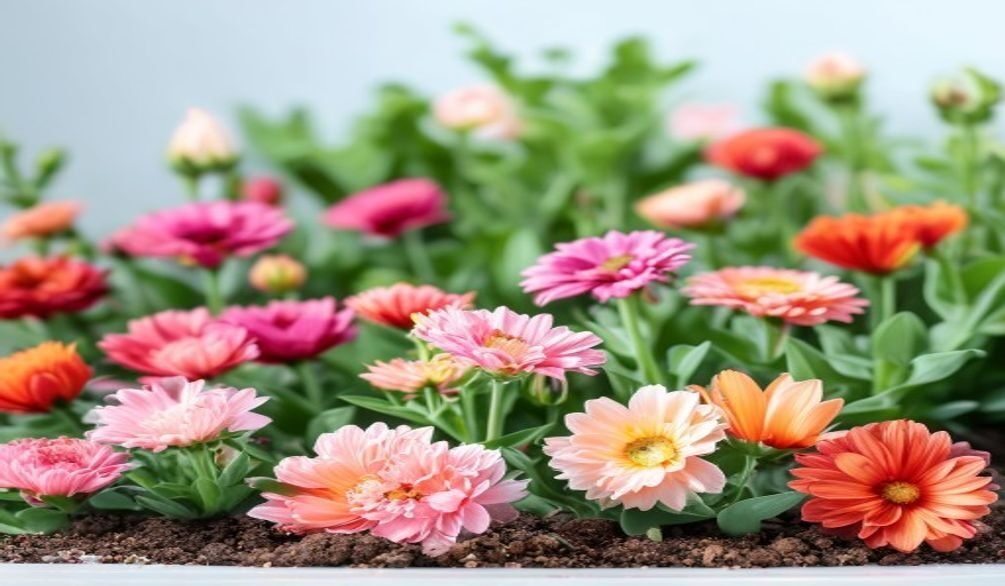
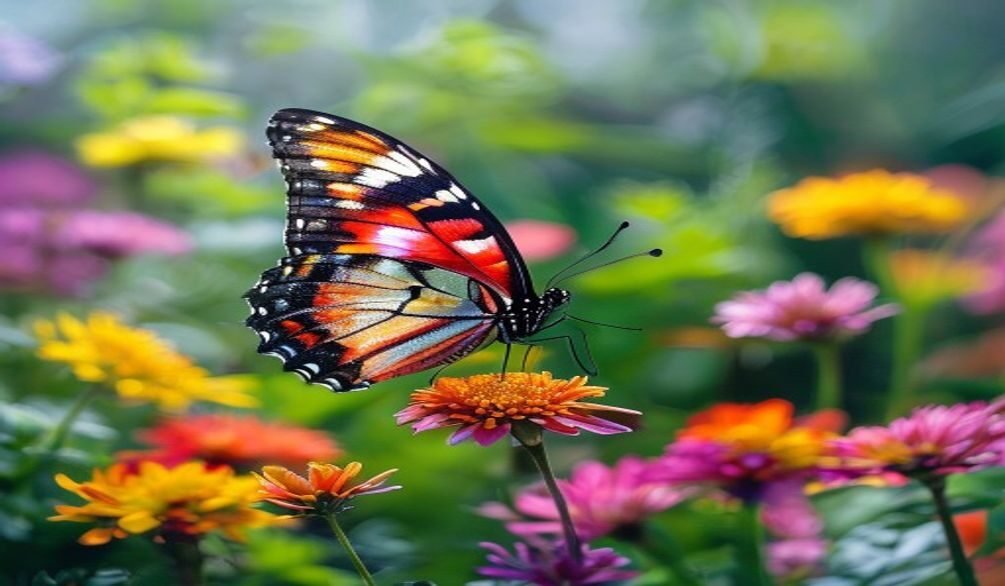
- Zinnia (Zinnia elegans): These cheerful flowers come in many colors and sizes, offering broad landing pads and abundant nectar. Their long blooming season from summer to frost makes them a butterfly magnet.
- Lantana (Lantana camara): Known for their clusters of small, colorful flowers, lantanas are drought-tolerant and provide a steady nectar supply. They are particularly attractive to Monarchs and Swallowtails.
- Cosmos (Cosmos bipinnatus): With their daisy-like flowers, cosmos are easy to grow and provide ample nectar. Taller varieties create a beautiful backdrop for your butterfly garden design.
- Pentas (Pentas lanceolata): Also known as Egyptian Starcluster, Pentas produce star-shaped flowers in shades of pink, red, and purple. They are a favorite of many butterfly species, including Swallowtails.
Annual butterfly plants are perfect for adding splashes of color and ensuring a consistent nectar flow, especially if your perennial beds are still establishing. They bridge bloom gaps effectively.
Top Perennial Nectar Plants
Perennials return year after year, forming the backbone of a sustainable butterfly garden. Many of these are considered the Best Nectar-Rich Flowers for Butterflies for their reliability and rich nectar content.
- Coneflower (Echinacea purpurea): These sturdy, daisy-like flowers are a staple for any pollinator garden. They attract a wide range of butterflies and bloom from mid-summer into fall.
- Milkweed (Asclepias spp.): Essential for Monarch butterflies, Milkweed serves as both a nectar source for adults and the *only* host plant for Monarch caterpillars. Kim Bailey, owner of Milkweed Meadows Farm, a specialist in raising monarchs, states, “I can’t imagine watching monarch metamorphosis could ever get old, especially seeing the larva shedding its skin to reveal the pupa underneath or watching the butterfly emerging from the chrysalis and expanding its wings.”
- Salvia (Salvia spp.): With numerous varieties, Salvia offers long-lasting blooms and tubular flowers perfect for butterflies with longer proboscises. Varieties like ‘May Night’ and ‘Hot Lips’ are particularly popular.
- Bee Balm (Monarda spp.): A member of the mint family, Bee Balm produces unique, shaggy flowers that are highly attractive to butterflies and hummingbirds. It also adds a lovely fragrance to the garden.
- Phlox (Phlox paniculata): Tall garden phlox provides large clusters of fragrant flowers in late summer, a critical time for migrating butterflies. Its broad flower heads offer excellent landing platforms.
Bill Reynolds, Research Supervisor and Entomologist at Plant Delights Nursery, underscores the importance of continuous nectar sources, stating that native bees, bumblebees, and solitary wasps need plants that provide a lot of nectar. This applies equally to butterflies, emphasizing the need for a diverse and long-blooming selection.

Beyond Nectar: Why Host Plants are Essential for Butterflies
Host plants are absolutely essential for butterflies because they are the specific plants on which butterflies lay their eggs, and which their caterpillars then feed upon exclusively. Without host plants, the butterfly life cycle cannot be completed, regardless of how many nectar plants are available for adults. More than three-quarters of the world’s flowering plants, including many fruits and vegetables, depend on animal pollinators for reproduction, as highlighted by NC State University (2019).
Many gardeners focus solely on nectar plants, but what most people miss is that a butterfly garden is incomplete without larval host plants. Caterpillars are often very picky eaters, sometimes only feeding on one or two specific plant species.
For example, the iconic Monarch butterfly relies entirely on Milkweed (Asclepias spp.) as its host plant. Planting Milkweed is not just about attracting adult Monarchs; it’s about providing a nursery for the next generation, making it one of the most vital monarch butterfly plants.
Key Host Plants for Popular Butterfly Species
Understanding which host plants support which butterfly species is crucial for a comprehensive butterfly garden.
- Milkweed (Asclepias spp.): The indispensable host plant for Monarch caterpillars. Different species of Milkweed, such as Common Milkweed or Butterfly Weed, can be chosen based on your region.
- Parsley, Dill, Fennel, & Queen Anne’s Lace (Daucus carota): These herbs and wild carrot are host plants for Black Swallowtail caterpillars. Planting them ensures you’ll see these beautiful swallowtail host plants in action.
- Pussy Willow (Salix discolor) & Spicebush (Lindera benzoin): These are host plants for Viceroy and Spicebush Swallowtail caterpillars, respectively. Incorporating small trees or shrubs can significantly enhance your garden’s host plant diversity.
- Nettle (Urtica dioica): Believe it or not, common nettles are host plants for several butterfly species, including the Red Admiral and Question Mark butterflies. Consider a small, out-of-the-way patch if you’re serious about supporting a wide range of species.
Susan Carpenter, Native Plant Garden Curator at the University of Wisconsin-Madison Arboretum, emphasizes, “Traditional yards with pristine lawns and few plants act as ecological deserts. However, it doesn’t have to be this way. Installing a pollinator garden is one effective way to make your yard better for wildlife.” This underscores the importance of both nectar and host plants in creating a truly beneficial habitat.
Designing Your Butterfly Garden: Aesthetics Meets Wildlife Needs
Designing your butterfly garden successfully involves balancing visual appeal with the specific requirements of butterflies, creating a space that is both beautiful for you and highly functional for wildlife. This means considering sun exposure, shelter, water sources, and bloom succession to support the butterfly life cycle effectively.
The challenge of butterfly garden design often lies in combining a tidy aesthetic with the natural needs of insects. Many homeowners associations, for instance, prefer manicured lawns, which can conflict with leaving leaf litter for overwintering insects.
However, with strategic planning, you can create a gorgeous garden that is also a thriving ecosystem. It’s about smart plant placement and understanding how butterflies interact with their environment. For more organic garden planning tips, you might find our Organic Garden Planning Guide helpful.
Step 2: Plan Your Butterfly Garden Layout
A thoughtful layout is key to maximizing your garden’s appeal to butterflies and your enjoyment of the space. Consider factors like sun exposure, shelter, and water.
- Sunny Location: Butterflies are cold-blooded and need sunlight to warm up before they can fly. Choose a spot that receives at least 6 hours of direct sunlight daily.
- Shelter from Wind: Plant taller shrubs or trees on the windward side of your garden to provide shelter. Butterflies struggle to feed in strong winds. You can also incorporate structures or fences for wind protection.
- Puddling Areas: Create shallow puddling spots with wet sand or mud where butterflies can extract minerals. A shallow dish with wet sand and a few rocks works perfectly.
- Mass Planting: Plant flowers in large drifts or clusters rather than single specimens. Large patches of color are more easily spotted by butterflies and provide a more efficient foraging area.
When planning your layout, remember that a diverse range of plant heights and textures can also provide shelter and resting spots. This comprehensive approach to butterfly garden design ensures every element serves a purpose.
Choosing Native Plants: Find the Best for Your Region
Choosing native plants is the single most effective way to provide the best nectar-rich flowers for butterflies and other local pollinators, as these plants are specifically adapted to your region’s climate and soil, and have co-evolved with local insect species. This adaptation ensures they thrive with minimal intervention and offer the most beneficial food and habitat.
One of the biggest content gaps in many gardening guides is actionable advice on finding hyper-local native plant recommendations. Simply saying “plant natives” isn’t enough; gardeners need tools to identify what’s best for their specific area.
In practice, native plants support local ecosystems far more effectively than exotics. FMR monitoring (2023) showed that pollinators visited native flowers 42 times more often than non-native and invasive flower species at restoration sites, a clear indicator of their superior ecological value.
Step 3: Choose Native Plants for Your Region
Identifying and integrating native plants into your garden is crucial for creating a truly pollinator-friendly habitat.
- Utilize the USDA Plants Database: This invaluable online resource allows you to search for native plants by state, county, and even specific characteristics. It’s an excellent starting point for finding the Best Nectar-Rich Flowers for Butterflies that are native to your area.
- Consult Local Native Plant Societies: These organizations often have extensive knowledge of local flora and can provide lists of plants suitable for your specific ecoregion. They may also host plant sales or educational workshops.
- Visit Local Arboretums & Botanical Gardens: Institutions like the University of Wisconsin-Madison Arboretum often feature native plant sections. Observing these plants in person can give you ideas for your own garden.
- Consider Local Nurseries Specializing in Natives: Many nurseries now focus on native plants, ensuring you get species that are well-suited to your climate and soil conditions. Ask their experts for advice on pollinator garden plants.
By prioritizing native plants, you’re not only providing the most nutritious food sources for butterflies, but you’re also creating a resilient garden that requires less water and fewer fertilizers. This approach aligns perfectly with sustainable gardening practices, and you can learn more about this in our How to Create a Pollinator-Friendly Balcony Garden post.
Step 4: Prepare Your Garden Soil
Proper soil preparation is fundamental for the health and vigor of your butterfly garden plants, ensuring they establish quickly and provide abundant nectar for years to come. Healthy soil leads to healthy plants, which in turn attract more butterflies.
Most native plants are adapted to local soil conditions, but enhancing the soil’s structure and fertility can still be beneficial. Good drainage and adequate organic matter are universal requirements for thriving plants.
In my experience, improving soil health naturally boosts plant resilience. For advice on amending your soil, our guide on the Best Soil Mix for Vegetable Gardens offers principles that apply to flower beds as well.
- Test Your Soil: Before adding amendments, conduct a soil test to understand its pH and nutrient composition. Local extension offices can often provide testing services.
- Incorporate Organic Matter: Amend heavy clay soils or sandy soils with 2-4 inches of compost. This improves drainage in clay and water retention in sand, while also adding essential nutrients.
- Avoid Chemical Fertilizers: Chemical fertilizers can harm beneficial soil microorganisms and may not be necessary, especially if you’re using compost. Focus on building healthy soil naturally.
- Ensure Good Drainage: Most butterfly garden plants prefer well-draining soil. If your soil is prone to waterlogging, consider creating raised beds or amending with grit or perlite.
Year-Round Care: Maintaining Your Butterfly Garden
Year-round care for your butterfly garden is crucial for sustaining a thriving ecosystem, as it ensures continuous nectar sources, provides overwintering habitat, and addresses the evolving needs of both plants and insects through every season. This holistic approach supports the entire butterfly life cycle, not just the fleeting adult stage.
Many gardeners think of butterfly gardens as seasonal projects, but true support for pollinators requires continuous attention. This means understanding seasonal tasks beyond just planting and blooming.
The University of Georgia (UGA) enhanced 1,686 square feet of pollinator habitat and hosted 21 pollinator-related events in 2024-2025, demonstrating a commitment to year-round pollinator protection. This comprehensive approach is what we should aim for in our own gardens.
Step 5: Plant Your Chosen Flowers
Once your garden bed is prepared and you’ve selected your Best Nectar-Rich Flowers for Butterflies, it’s time to get them in the ground.
- Timing is Key: Plant perennials in spring or fall when temperatures are moderate. Annuals can be planted after the last frost date for your region.
- Proper Spacing: Give plants enough room to grow to their mature size, ensuring good air circulation and reducing competition for resources. Check plant tags for specific spacing recommendations.
- Watering After Planting: Water newly planted flowers thoroughly to help them settle into their new home. Consistent moisture is vital during the establishment phase.
Step 6: Implement Year-Round Maintenance
Effective maintenance extends beyond the summer months, providing critical support for the butterfly life cycle.
- Spring:
- Light Cleanup: Resist the urge to “spring clean” too early. Wait until sustained temperatures are above 50°F (10°C) for several days. This allows overwintering caterpillars, chrysalises, and other beneficial insects to emerge from leaf litter and hollow stems.
- Pruning: Trim back dead perennial stems, but leave some hollow stems for solitary bees and other insects to nest in.
- New Plantings: Add new perennial butterfly flowers and sow annual seeds to ensure a succession of blooms.
- Summer:
- Deadheading: Remove spent blooms from annuals and some perennials (like Zinnias and Coneflowers) to encourage continuous flowering and more nectar plants.
- Watering: Water deeply during dry spells, especially for newly established plants. Aim for consistent moisture, but avoid overwatering.
- Pest Management: Monitor for pests, but avoid pesticides. Hand-picking caterpillars from non-host plants or using organic insecticidal soap on severe infestations is preferable. Remember, some “pests” are butterfly larvae!
- Fall:
- Leave the Leaves: Instead of raking, leave a layer of fallen leaves in your garden beds. This provides crucial insulation and overwintering habitat for many butterfly species and other beneficial insects.
- Seed Heads: Allow seed heads to remain on plants like Coneflower and Sunflower. They provide food for birds and can also offer overwintering sites.
- Late Nectar Sources: Ensure you have late-blooming nectar plants like Asters and Goldenrod to support migrating butterflies.
- Winter:
- Minimal Disturbance: Allow your garden to remain undisturbed. The dormant period is essential for the overwintering stages of many insects.
- Planning: Use this time to plan next year’s additions, researching new perennial butterfly flowers or monarch caterpillar host plants.
Implementing this year-round schedule helps you maintain a garden that is not only beautiful but also a vibrant, living habitat. It’s about working with nature, not against it, to support the delicate balance of the ecosystem.
Troubleshooting Common Butterfly Garden Challenges
Troubleshooting common butterfly garden challenges means identifying and addressing issues like plants not thriving, pest outbreaks without using harmful chemicals, or lack of butterfly activity, all while maintaining a healthy, balanced ecosystem. The goal is to nurture your garden so it consistently provides the best nectar-rich flowers for butterflies.
In my experience, even the most well-planned gardens can encounter issues. The key is to approach problems with a “wildlife-first” mindset, avoiding solutions that might inadvertently harm the very creatures you’re trying to attract.
Approximately 40% of insect pollinators are under substantial threat, according to the Center for Biological Diversity. This statistic underscores the importance of thoughtful, non-toxic troubleshooting in our gardens.
Step 7: Monitor and Troubleshoot Issues
Being observant and responsive is critical for a thriving butterfly garden.
- Plants Not Thriving:
- Issue: Yellowing leaves, stunted growth, or lack of blooms.
- Solution: Check soil moisture (too wet or too dry?), sunlight exposure (enough sun?), and nutrient levels (consider a soil test). Ensure the plant is suited to your USDA hardiness zone.
- Insight: Sometimes, the plant simply isn’t in the right spot. Don’t be afraid to move it if it’s struggling.
- Pest Outbreaks (Aphids, Spider Mites):
- Issue: Visible insects, sticky residue, or damaged foliage.
- Solution: First, tolerate minor damage – it’s part of a healthy ecosystem. Introduce beneficial insects (ladybugs, lacewings) or use a strong stream of water to dislodge pests. Neem oil or insecticidal soap can be used as a last resort, applied carefully.
- Caution: Avoid broad-spectrum pesticides, which kill butterflies and beneficial insects.
- Lack of Butterfly Activity:
- Issue: Your garden is blooming, but few butterflies are visiting.
- Solution: Re-evaluate your plant selection – do you have enough of the Best Nectar-Rich Flowers for Butterflies? Is there a continuous bloom from spring to fall? Do you have host plants? Check