
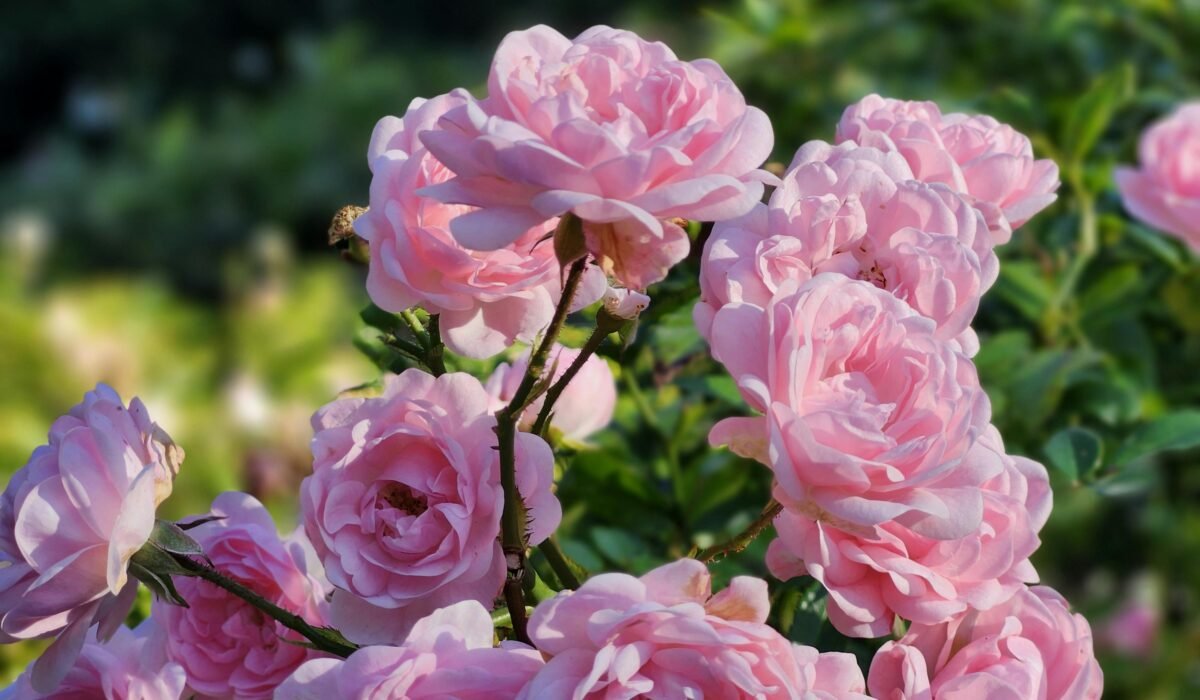
Imagine stepping into your garden and being greeted by the intoxicating fragrance and vibrant beauty of freshly bloomed roses. For many, the idea of growing these exquisite flowers seems daunting, reserved only for seasoned gardeners with green thumbs and endless hours to spare. However, thanks to modern breeding efforts, roses are now more resilient and easier to care for than ever before, making them perfectly accessible for novices.
This comprehensive guide will demystify **beginner rose care**, showing you how to cultivate stunning roses without the fuss. We’ll cover everything from selecting the perfect variety to mastering essential techniques, ensuring your rose garden thrives and brings you joy season after season.
Choosing the Best Rose Varieties for Beginners
The secret to successful rose gardening, especially for beginners, starts with selecting the right plants. Forget the old stereotypes of fragile, demanding roses; modern varieties are bred for vigor, disease resistance, and continuous blooms, making them incredibly “easy to grow roses.”
Look for varieties explicitly labeled as disease resistant roses. These plants naturally fend off common issues like black spot and powdery mildew, significantly reducing the need for chemical treatments and making your gardening experience much more enjoyable. Popular choices include the renowned Knock Out® Roses, celebrated for their continuous blooms and minimal maintenance.
Other excellent beginner-friendly options include Flower Carpet® Roses, which are groundcover types perfect for mass plantings, and varieties from the Easy Elegance® series. The “Earth-Kind” rose designation is also a fantastic indicator, highlighting varieties that thrive with minimal care, irrigation, and chemical inputs.
When selecting your roses, consider the space you have and the amount of sunlight available. Roses generally require a minimum of six hours of full, direct sunlight daily to produce abundant blooms. Also, decide whether you prefer bare-root roses (often more economical and offer a wider selection) or container-grown roses (easier to establish, especially for first-timers).
Keep an eye out for exciting new introductions too! For 2026, varieties like ‘Ruffled Romance’ (a floribunda with strong disease resistance) and ‘Enchanted Meadow’ (a multicolor landscape shrub) are promising additions that continue the trend of low-maintenance beauty, offering even more options for your garden.
Planting Your Roses for Success
Once you’ve chosen your perfect rose varieties, proper planting is the next crucial step in your **beginner rose care** journey. The right foundation sets your roses up for years of vibrant health and abundant blooms. The best time to plant roses is typically in late winter or early spring, after the last frost, or in the fall, giving them time to establish roots before extreme weather.
Roses thrive in well-draining soil that is rich in organic matter. Before planting, it’s highly recommended to amend your soil with plenty of compost, well-rotted manure, or other organic materials. This improves soil structure, drainage, and nutrient content. Roses prefer a slightly acidic soil pH, ideally ranging from 6.0 to 7.0, with 6.5 being optimal for most varieties. You can test your soil pH at home to ensure it’s within this range. Learn how to test soil pH at home in India.
Here’s a simple **rose planting guide** to ensure success:
- Choose Your Spot: Select a location that receives at least six hours of full sun daily and has good air circulation.
- Prepare the Hole: Dig a hole that is wide enough to accommodate the rose’s roots comfortably and deep enough so that the bud union (the knobby part where the rose was grafted) is at or slightly above ground level in warmer climates, or 1-2 inches below ground in colder regions.
- Amend the Soil: Mix the excavated soil with a generous amount of compost or other organic matter.
- Position the Rose: If planting a bare-root rose, create a small mound of soil in the center of the hole and spread the roots over it. For container roses, carefully remove the plant from its pot and gently loosen any circling roots.
- Backfill and Water: Fill the hole with the amended soil, gently firming it around the roots to remove air pockets. Water thoroughly immediately after planting to help settle the soil.
- Mulch: Apply a 2-3 inch layer of organic mulch (like wood chips or shredded bark) around the base of the plant, keeping it a few inches away from the main stem. This helps retain moisture, regulate soil temperature, and suppress weeds.
Proper planting sets the stage for a healthy, vibrant rose bush. Give your roses a good start, and they will reward you with abundant beauty.
Watering and Fertilizing Your New Roses
Effective watering and feeding are fundamental aspects of **beginner rose care**, ensuring your plants receive the hydration and nutrients they need to flourish. Roses are heavy feeders and appreciate consistent moisture, but not soggy roots.
When it comes to watering, the key is to water deeply and infrequently. Aim to provide the equivalent of about one inch of rainfall per week, either from rain or irrigation. Instead of frequent, shallow watering, which encourages surface roots, deep watering promotes a strong, extensive root system. Always water at the base of the plant, avoiding wetting the foliage, especially in the evening, as wet leaves can encourage fungal diseases like black spot. For more detailed watering plants tips, check out our comprehensive guide.
Roses are hungry plants, so regular fertilization is essential for continuous blooming. Start fertilizing after your roses have established themselves, usually a few weeks after planting or after their first major pruning in spring. You can choose between organic and inorganic fertilizers.
For an **organic rose fertilizer** approach, consider options like:
- Compost: Provides a slow release of nutrients and improves soil structure.
- Well-aged Manure: Rich in nitrogen and other essential nutrients.
- Alfalfa Meal: Contains natural growth stimulants.
- Fish Emulsion: A quick-acting liquid fertilizer for a nutrient boost.
- Bone Meal: Excellent for phosphorus, promoting root and bloom development.
- Coffee Grounds: Can add a slight acidity and nitrogen, beneficial for roses.
If you prefer inorganic options, a balanced granular fertilizer (like a 10-10-10) or a slow-release rose-specific formula can be very effective. Always follow the product instructions carefully to avoid over-fertilizing, which can burn the roots. Generally, fertilize every 4-6 weeks throughout the growing season, stopping in late summer to allow the plants to harden off before winter. Mulching around the base of your roses with organic materials will also help retain soil moisture, suppress weeds, and slowly release nutrients as it breaks down.
Mastering Rose Pruning Techniques
Pruning might seem intimidating, but it’s a vital aspect of **beginner rose care** that promotes plant health, encourages vigorous growth, and ensures an abundance of beautiful blooms. Think of it as giving your rose a regular haircut to keep it looking its best. The main pruning is typically done in early spring, just as the buds begin to swell but before new growth fully emerges.
The primary goals of pruning are to remove dead, diseased, or damaged wood, improve air circulation, maintain a desirable shape, and encourage new flowering canes. Don’t be afraid to make cuts; roses are quite resilient and will bounce back. For a deeper dive into pruning, including tips that apply to many flowering plants, you might find our guide on Master Pruning Backyard Fruit Trees for Big Harvests helpful for understanding the general principles.
Here are the fundamental steps for **rose pruning for beginners**:
- Gather Your Tools: You’ll need sharp bypass pruners for smaller stems, loppers for thicker canes, and sturdy gloves.
- Remove Dead, Diseased, or Damaged Wood: Start by cutting out any canes that are black, shriveled, or broken. Cut back to healthy, green wood.
- Eliminate Crossing Branches: Remove any branches that are rubbing against each other, as this can create wounds and entry points for disease.
- Open Up the Center: Prune away any weak, spindly growth in the center of the bush to improve air circulation and allow more light to reach the interior.
- Shape the Plant: Aim for an open, vase-like shape. Cut back about one-third to one-half of the previous year’s growth on healthy canes.
- Make Proper Cuts: Always make cuts at a 45-degree angle, approximately 1/4 inch above an outward-facing bud. This directs new growth outward, away from the center of the plant.
- Remove Suckers: These are vigorous shoots that grow from below the graft union. Cut them off as close to the rootstock as possible.
Throughout the growing season, practice “deadheading” – removing spent blooms. This redirects the plant’s energy from seed production back into creating more flowers, ensuring a continuous display. Simply snip off the faded flower just above the first set of five leaves with a strong, outward-facing bud.
Common Rose Pests and Diseases: Prevention & Cure
Even with the most diligent **beginner rose care**, pests and diseases can sometimes appear. The good news is that prevention is often the best cure, especially when you’ve chosen robust, **disease resistant roses** from the start. Healthy plants are naturally more resilient.
One of the most common rose diseases is Black Spot (Diplocarpon rosae). This fungal disease causes black spots with yellow halos to appear on leaves, eventually leading to defoliation. Prevention is key: choose resistant varieties, ensure good air circulation by proper spacing and pruning, and avoid overhead watering. If black spot appears, promptly remove and dispose of affected leaves (do not compost them). Organic treatments like neem oil or specific fungicidal sprays can help control severe outbreaks.
Another prevalent issue is Powdery Mildew (Podosphaera pannosa), which appears as a white, powdery coating on leaves, stems, and buds. It thrives in humid conditions with poor air circulation. Again, select resistant varieties, ensure good air flow, and water at the base. Neem oil can also be effective against powdery mildew.
Less common but more serious is Rose Rosette Disease (RRD), a viral disease spread by tiny mites. Symptoms include distorted, reddish new growth, excessive thorniness, and witches’ brooms (dense clusters of shoots). Unfortunately, there is no cure for RRD, and affected plants must be removed and destroyed immediately to prevent spread to other roses. Monitor your roses regularly for any unusual growth.
Common pests include aphids, spider mites, and Japanese beetles. Aphids are small, soft-bodied insects that cluster on new growth and suck sap. A strong spray of water can dislodge them, or you can use insecticidal soap or neem oil. Spider mites thrive in hot, dry conditions and cause stippling on leaves. Regular misting and neem oil can help. For Japanese beetles, hand-picking them off plants in the early morning is an effective organic solution.
Regular inspection of your roses will help you catch any issues early, making them much easier to manage. Remember, a healthy, well-cared-for rose is your best defense against most problems.
Sustainable Tips for Thriving Rose Gardens
Embracing sustainable and eco-friendly practices not only benefits the environment but also leads to healthier, more resilient rose bushes. Integrating these tips into your **beginner rose care** routine will help you cultivate beautiful roses while minimizing your ecological footprint.
One of the easiest ways to be sustainable is by using **organic rose fertilizer**. Instead of synthetic chemicals, rely on natural amendments like compost, well-rotted manure, alfalfa meal, or fish emulsion. These not only feed your plants but also improve soil health and foster a thriving soil microbiome. Compost, in particular, is a fantastic all-rounder, slowly releasing nutrients and enhancing water retention.
Water conservation is another cornerstone of sustainable gardening. Implement efficient watering methods such as drip irrigation or soaker hoses, which deliver water directly to the root zone, reducing evaporation and preventing fungal diseases on foliage. Water early in the morning to allow leaves to dry before nightfall. Consider collecting rainwater in barrels for an even more eco-conscious approach.
Mulching plays a dual role in sustainability. A 2-3 inch layer of organic mulch around your roses significantly reduces water evaporation, meaning you’ll need to water less frequently. It also suppresses weeds, eliminating the need for chemical herbicides, and as it breaks down, it enriches the soil with organic matter.
Here are some key sustainable practices to adopt:
- Embrace Organic Matter: Regularly amend your soil with compost and other organic materials to build soil health naturally.
- Practice Smart Watering: Water deeply and at the base of the plant, utilizing drip irrigation or soaker hoses to conserve water.
- Mulch Generously: Apply organic mulch to retain moisture, suppress weeds, and enrich the soil.
- Encourage Biodiversity: Plant companion flowers that attract beneficial insects (like ladybugs and lacewings) to naturally control pests, reducing reliance on pesticides.
- Choose Resilient Varieties: Prioritize disease-resistant and “Earth-Kind” roses to minimize the need for chemical interventions from the start.
- Compost Yard Waste: Turn your garden trimmings and kitchen scraps into nutrient-rich compost to feed your roses.
By adopting these sustainable methods, you’ll not only grow stunning roses but also create a healthier, more vibrant garden ecosystem that benefits both your plants and the planet. It’s a win-win for everyone.
You’ve now got a solid foundation in **beginner rose care**, from choosing the perfect variety to implementing sustainable practices. The myth of the fussy rose has been debunked; with modern hybrids and the right knowledge, growing beautiful roses is an achievable and incredibly rewarding endeavor for any gardener.
Remember, gardening is a journey of learning and discovery. Don’t be afraid to experiment, observe your plants, and adjust your care as needed. With these tips and a little patience, you’re well-equipped to embark on a rewarding journey. Don’t hesitate to start your rose adventure today and transform your garden into a fragrant, colorful haven that you can cherish for years to come!







