
Key Takeaways
- The global indoor plant market was valued at approximately $20–21 billion in 2025, reflecting significant consumer interest.
- Low-light tolerant species commanded 46.05% of the indoor plants market share in 2025, highlighting their popularity, according to Mordor Intelligence.
- Snake plants can photosynthesize efficiently even at low light levels, absorbing as little as 0.1 micromoles per square meter per second, according to Gitnux.
- Online plant sales are projected to grow at a 10.05% compound annual growth rate through 2031, outpacing traditional retail, as noted by Terrarium Tribe.
- Assessing actual light levels with a light meter helps ensure you choose the right plant for a truly low-light environment.
Are you struggling to find plants that genuinely flourish in those dimmer corners of your home or office? Many people believe their spaces are too dark for greenery, but the truth is, there are many **Best Low-Light Indoor Plants** that not only survive but truly thrive, adding beauty and improving air quality. As an expert gardener with over 10 years of experience, I’m here to guide you through selecting and caring for these resilient species, ensuring your indoor garden flourishes even in minimal light.
Quick Answer: Best low-light indoor plants like Snake Plants, ZZ Plants, and Pothos thrive in minimal sunlight. These resilient species enhance air quality and aesthetics in dim rooms, requiring less frequent watering and tolerating indirect light to flourish.
What Does “Low Light” Really Mean for Indoor Plants?
“Low light” for indoor plants refers to spaces receiving indirect light for only 2-3 hours a day, typically found several feet from a north-facing window or in the interior of a room. It’s crucial to understand that “low light” is not “no light,” as all plants require some level of light for photosynthesis. Melvin Cubian, a plant expert at the plant care app PlantIn, advises always assessing the amount of light a space gets before choosing a plant.
Many people overestimate the light levels in their homes, leading to disappointment when plants struggle. A common misconception is that if you can read a book, there’s enough light for any plant. In my 10 years of experience, I’ve seen countless plants decline because they were placed in what seemed like a bright spot to a human, but was actually insufficient for their needs.
A truly low-light environment typically means less than 75 foot-candles of light, which is significantly dimmer than what most people imagine. Plants in such conditions adapt by developing larger, darker leaves to maximize light absorption.
Understanding the difference between tolerating low light and thriving in it is key to successful indoor gardening. Some plants simply survive, while others, the **Best Low-Light Indoor Plants**, actively grow and produce new foliage in these dimmer settings.
10 Best Low-Light Indoor Plants That Truly Thrive
When searching for the **Best Low-Light Indoor Plants**, you want species known for their resilience and ability to flourish without constant direct sunlight. These plants have adapted to conditions similar to forest floors, making them ideal for dim indoor spaces. Sarah Gibson, a green thumb and blogger at Room For Tuesday, emphasizes that true low-light thriving plants are rarer than often advertised.
Here are 10 of the **Best Low-Light Indoor Plants** that genuinely excel in dimmer conditions, offering beauty and ease of care:
1. Snake Plant (Dracaena trifasciata)
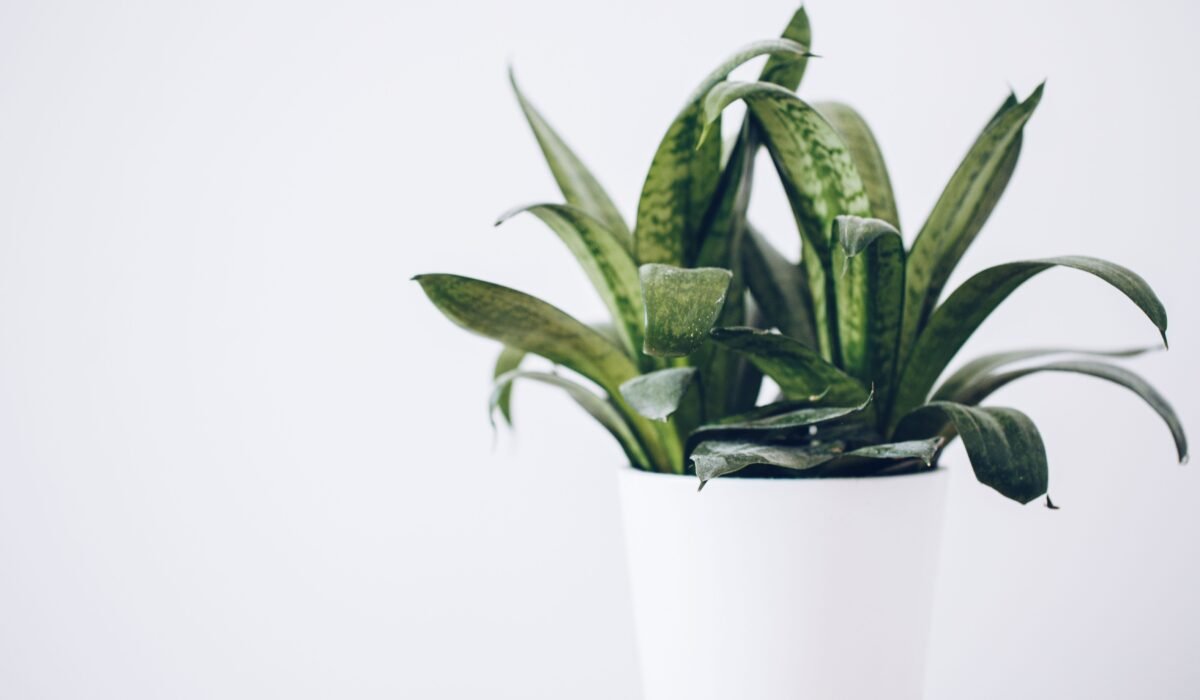
The Snake Plant, formerly known as Sansevieria trifasciata, is arguably one of the **easiest indoor plants for low light**, renowned for its architectural upright leaves. It can absorb up to 0.1 micromoles per square meter per second of photosynthetically active radiation while maintaining photosynthesis efficiency above 80%, according to Gitnux. Sarah Gibson states that Snake Plants tolerate low light, irregular watering, temperature fluctuations, and general neglect.
These plants are also excellent air purifiers, removing toxins like formaldehyde and benzene from indoor air, according to Dr. B.C. Wolverton’s NASA Clean Air Study (1989). Dracaena varieties, in general, are robust and make some of the **best low-light indoor plants** for beginners.
2. ZZ Plant (Zamioculcas zamiifolia)
The ZZ Plant is celebrated for its incredible resilience, making it one of the **best low-light indoor plants** for even the most forgetful gardener. This plant stores water in its bulbous fleshy rhizomes, allowing it to go long periods without watering, often weeks or even months. Jacob from GrowTropicals observes a “clear interest in darker foliage plants like Begonia, Anthurium, Geogenanthus, ZZ Raven,” noting that “the moodier, the better” (2025).
The ‘Raven’ or ‘Obscura’ varieties of ZZ Plant are particularly striking with their dramatic, nearly-black foliage, making them stylish choices among the **best low-light indoor plants**. Its waxy leaves reflect light, helping it make the most of limited illumination.
3. Pothos (Epipremnum aureum)
Often called “Devil’s Ivy” because of its almost indestructible nature, Pothos is an incredibly forgiving plant that thrives in low light indoor conditions. It tolerates neglect and can remove indoor air pollutants like carbon monoxide and formaldehyde, enhancing your living environment. The “Shangri La” Pothos, a cultivar by Japanese grower Terunoworld, is predicted to be a trendy variety in 2025 for its rich green leaves that stay partially curled inwards, offering a unique aesthetic among the **best low-light indoor plants**.
4. Peace Lily (Spathiphyllum spp.)
The Peace Lily is unique among the **best low-light indoor plants** because it offers elegant white blooms in addition to lush green foliage. It performs exceptionally well in shaded indoor spaces and communicates its watering needs clearly by noticeably drooping its leaves when thirsty. This visual cue makes it easy to care for, even for novice plant enthusiasts.
5. Cast Iron Plant (Aspidistra elatior)
Living up to its name, the Cast Iron Plant is nearly indestructible and thrives in low light, shrugging off neglect with remarkable ease. This Victorian-era favorite is one of the **best low-light indoor plants** for those who need a truly robust option. New cultivars like ‘Ginga Giant’, ‘Milky Way’, and ‘Big Spotty’ offer speckled or striped leaves, adding visual interest to its tough demeanor.
6. Chinese Evergreen (Aglaonema)
Chinese Evergreens are among the most versatile and **best low-light indoor plants**, known for their wide range of colorful foliage patterns. Varieties exist with silver, red, or pink variegation, making them attractive additions to any dim room. They are relatively low-maintenance and can tolerate infrequent watering, making them suitable for busy individuals.
7. Spider Plant (Chlorophytum comosum)
Spider Plants are not only easy to care for but also produce charming “spiderettes” that can be easily propagated, making them excellent choices for sharing. They are tolerant of various light conditions, including low light, and are known for their air-purifying qualities. These classic houseplants are definitely among the **best low-light indoor plants** for those seeking simple propagation.
8. Dracaena (Corn Plant)
While Snake Plants are a type of Dracaena, the broader Dracaena genus offers other excellent options for low light. The Corn Plant (Dracaena fragrans) is a popular choice, growing into a tall, tree-like form with a woody stem and arching, strappy leaves. Sarah Gibson successfully used a Dracaena as a low-light tree in her living room, after other aesthetically preferred options were deemed unsuitable by garden experts. These are some of the **best low-light indoor plants** for adding vertical interest.
9. Philodendron
Philodendrons, particularly vining types like the Heartleaf Philodendron, are fantastic **best low-light indoor plants** that can adapt to various light conditions. Andy Little, houseplant buyer at British Garden Centres, notes that Philodendrons are popular with younger gardeners due to their striking leaves, health benefits, and easy care. Their lush, heart-shaped leaves bring a tropical feel to any dimly lit space.
10. Moss Amigos
For a truly unique and minimal-effort option, Moss Amigos are small, low-maintenance living spheres that fit perfectly into dim corners. These fascinating organisms only require water changes every few weeks, with some even living for up to 200 years. They are a novel choice among the **best low-light indoor plants** for those seeking a conversation starter with virtually no care demands.
Flowering Low-Light Indoor Plants: Adding Color to Dim Spaces
Yes, you can absolutely enjoy flowering plants even in low-light conditions, bringing vibrant color and texture to typically dim areas. While most **Best Low-Light Indoor Plants** are foliage-focused, a select few can produce beautiful blooms without requiring bright sunlight. The Peace Lily (Spathiphyllum spp.) is the quintessential example, known for its elegant white spathes that emerge against glossy green leaves.
Another excellent option for adding a splash of color is the **Bromeliad**. While they typically prefer medium light, some varieties can tolerate lower light levels, especially after they have already bloomed. Their vibrant, long-lasting bracts (modified leaves) provide a stunning display, even if the plant itself might not re-bloom as readily in very dim conditions.
The African Violet (Saintpaulia spp.) is another surprisingly good choice for **flowering low-light indoor plants**. These charming plants prefer consistent, indirect light, often blooming profusely in north-facing windows or under gentle artificial light. They dislike cold drafts and direct sun, making them perfect candidates for slightly shadier spots.
To encourage blooms in these **best low-light indoor plants**, ensure consistent watering and consider a balanced liquid fertilizer during their growing season. Adequate humidity also plays a crucial role in the successful flowering of many indoor species.
Pet-Friendly Low-Light Houseplants: Safe & Beautiful Choices
Finding **pet-friendly low-light indoor plants** is essential for many households, ensuring your beloved companions stay safe while you enjoy lush greenery. Many popular low-light plants can be toxic if ingested by pets, so choosing wisely is paramount. The global indoor plant market was valued at approximately $20–21 billion in 2025, and a significant portion of consumers prioritize pet safety in their choices.
Here are some of the **best low-light indoor plants** that are generally considered safe for cats and dogs, according to the ASPCA:
* **Prayer Plant (Maranta leuconeura):** Known for its beautifully patterned leaves that fold up at night, the Prayer Plant is a vibrant and safe choice.
* **Polka Dot Plant (Hypoestes phyllostachya):** With its distinctive spotted foliage, this plant adds a playful touch to dim spaces.
* **African Violet (Saintpaulia spp.):** As mentioned, these flowering beauties are non-toxic and thrive in indirect light.
* **Christmas Cactus (Schlumbergera spp.):** This succulent offers seasonal blooms and is safe for pets, preferring bright indirect light but tolerating lower levels.
* **Boston Fern (Nephrolepis exaltata ‘Bostoniensis’):** While needing higher humidity, Boston Ferns are non-toxic and can adapt to medium-low light.
When selecting **pet-friendly low-light indoor plants**, always double-check their toxicity status with reliable sources like the ASPCA. Even non-toxic plants can cause mild stomach upset if consumed in large quantities, so it’s always best to deter pets from munching on foliage.
For homes with pets, these **best low-light indoor plants** offer peace of mind without compromising on aesthetic appeal. They are beautiful, resilient, and most importantly, safe for your furry friends.
Beyond Survival: How to Make Your Low-Light Plants Thrive Long-Term
To truly make your **Best Low-Light Indoor Plants** thrive long-term, you must move beyond simply keeping them alive and focus on optimal conditions that encourage growth and vitality. This means understanding their specific needs for sustained health, not just basic survival. Sarah Gibson’s experience, shared on Room For Tuesday, highlights that many plants advertised as “low light” merely tolerate it, rather than flourishing.
The key insight here is that “low light” doesn’t mean “no care.” Even the **best low-light indoor plants** benefit from consistent, albeit less frequent, attention to their environment.
Long-term growth for **low light plants for offices** or homes involves understanding their natural growth cycles and providing gentle support. This might include rotating plants periodically to ensure even light exposure, even in dim areas.
Repotting is another critical aspect of long-term plant health. As an expert gardener, I recommend repotting your **best low-light indoor plants** only when they become root-bound, typically every 2-3 years, into a pot only slightly larger than the previous one. This prevents waterlogging, which is a common issue for plants in lower light.
Signs of prolonged low-light stress include leggy growth, smaller new leaves, faded variegation, and a general lack of vigor. If you notice these symptoms in your **best low-light indoor plants**, consider moving them to a slightly brighter spot or supplementing with a grow light.
Caring for Low-Light Indoor Plants: Essential Tips
Proper care for **Best Low-Light Indoor Plants** focuses on moderation and observation, as their needs differ significantly from those of sun-loving species. Overwatering is the most common killer of low-light plants, so it’s crucial to adapt your watering schedule accordingly. Experts from the Royal Horticultural Society (RHS) shared updates about plant growth in low-light rooms in 2017, emphasizing the need for careful watering.
- Watering Wisely: Always check the soil moisture before watering. For most **best low-light indoor plants**, the top inch or two of soil should be dry to the touch. Less light means less water is transpired, so plants use water much slower.
- Humidity Matters: Many **plants that thrive in low light indoor conditions** originate from tropical understories, where humidity is naturally high. Grouping plants together or using a pebble tray can increase local humidity.
- Fertilize Sparingly: Plants in low light grow slower and require less fertilizer. Feed your **best low-light indoor plants** only during their active growing season (spring and summer) and at half the recommended strength.
- Clean Foliage: Dust can accumulate on leaves, blocking precious light. Regularly wipe the leaves of your **best low-light indoor plants** with a damp cloth to ensure maximum light absorption.
- Pest Vigilance: Low-light environments can sometimes lead to different pest pressures. Mealybugs and spider mites can still be an issue. Regular inspection is key. If you need to treat pests, consider organic garden pest control methods, which are gentler on your plants and environment.
Understanding these essential care tips will help you keep your **low light plants healthy** and vibrant for years to come. In my experience, a consistent routine, rather than sporadic bursts of attention, yields the best results.
Can Any Plant Survive in a Room with No Windows?
No, no plant can truly survive in a room with absolutely no natural light, as all plants require some form of light for photosynthesis to produce energy. While some species are the **best low-light indoor plants**, “low light” is not synonymous with “no light.” Melvin Cubian, a plant expert, stresses the importance of understanding actual light levels.
However, you can successfully grow plants in windowless rooms by providing artificial illumination, such as grow lights. These specialized lights mimic the spectrum of natural sunlight, allowing photosynthesis to occur. The global indoor plants market size is expected to grow from USD 13.12 billion in 2025 to USD 13.61 billion in 2026, partly driven by innovations in artificial lighting for plants.
For truly dark spaces, full-spectrum LED grow lights are your best friend. They are energy-efficient and can provide the necessary light intensity and spectrum for your **best low-light indoor plants** to not just survive, but flourish.
Even in rooms with minimal natural light, a supplemental grow light can significantly boost the health and growth of your **best low-light indoor plants**. This is particularly true for flowering varieties or plants with vibrant variegation that might fade in insufficient light.
Low-Light Plants for Specific Spaces: Office & Bedroom
Choosing the **best low-light indoor plants** for specific spaces like offices and bedrooms requires considering factors beyond just light, such as air quality, aesthetics, and maintenance. For offices, **low light plants for offices** should be resilient and low-maintenance, while bedroom plants can also prioritize air purification and calming aesthetics. Demand for low-maintenance indoor plants has surged by 33% among millennials in urban regions, according to recent market analysis.
| Space | Recommended Best Low-Light Indoor Plants | Key Benefits |
|---|---|---|
| Office | ZZ Plant, Snake Plant, Pothos, Chinese Evergreen | Extremely low maintenance, tolerate neglect, improve air quality, professional appearance. |
| Bedroom | Snake Plant, Peace Lily, Spider Plant, Prayer Plant | Air purifying (especially at night for Snake Plants), calming aesthetics, easy care, some are pet-friendly. |
| Bathroom | Peace Lily, Ferns (e.g., Boston Fern), Pothos | Thrive in high humidity, tolerate low light, add natural spa-like feel. |
For an office setting, you want **low light plants for offices** that can withstand inconsistent care and varying temperatures. The ZZ Plant, for instance, is perfect because it stores water and can go weeks without attention. Snake Plants are also excellent, offering a clean, modern look.
In bedrooms, the **best low-light indoor plants** are those that contribute to a serene environment. Snake Plants are famous for releasing oxygen at night, making them ideal bedroom companions. Peace Lilies add a touch of elegance and can also help purify the air.
Consider the size and growth habit as well. For small desks, a small Pothos or a Moss Amigos sphere might be perfect. For a larger office corner, a tall Dracaena could make a statement.
Frequently Asked Questions
What plants thrive in low light?
Plants that truly thrive in low light include the Snake Plant, ZZ Plant, Pothos, and Peace Lily, which are celebrated for their resilience and ability to grow in indirect light conditions. Snake plants can maintain photosynthesis efficiency above 80% even in very low light, according to Gitnux. These species are among the **best low-light indoor plants** because they actively grow new foliage rather than just surviving.
What is the easiest small plant to take care of?
The easiest small plant to take care of is often considered the ZZ Plant, closely followed by the Snake Plant, due to their exceptional tolerance for neglect and infrequent watering. These are among the **easiest indoor plants for low light**, making them perfect for beginners or those with busy schedules. Their ability to store water means they can go long periods between waterings without issue.
Do low-light indoor plants need humidity?
Many low-light indoor plants, especially those originating from tropical regions, benefit from moderate to high humidity, though it’s not always strictly necessary for survival. Peace Lilies and Ferns, for example, show improved vigor and foliage quality with higher humidity. Grouping your **best low-light indoor plants** together can create a microclimate with increased humidity.
Are there flowering low-light indoor houseplants?
Yes, there are flowering low-light indoor houseplants, with the Peace Lily (Spathiphyllum spp.) being the most prominent and reliable option, producing elegant white blooms in dim conditions. Other options like African Violets and certain Bromeliads can also flower with adequate indirect light. These **flowering low-light indoor plants** add a beautiful splash of color to shadier spots.
Can plants survive in a room with no windows?
No plant can survive indefinitely in a room with zero natural light, as photosynthesis requires a light source to produce energy. However, plants can thrive in windowless rooms if supplemented with artificial grow lights, which provide the necessary light spectrum. The global indoor plant market is projected to reach $25.2 billion by 2035, partly due to the increasing adoption of grow lights for indoor cultivation, according to a market analysis.
In conclusion, bringing the beauty of nature indoors doesn’t require a sun-drenched space; with the right choices, you can cultivate vibrant **Best Low-Light Indoor Plants** that truly flourish. By understanding what “low light” really means and selecting resilient species like Snake Plants, ZZ Plants, and Pothos, you can transform dim corners into lush havens. Embrace these **best low-light indoor plants** and enjoy the benefits of a greener, healthier home. Start your low-light plant journey today and watch your space come alive!







