
Key Takeaways
- Urban gardening participation reached nearly 49% across Asia-Pacific in 2026, driven by terrace gardening trends.
- The home gardening market is projected to grow to approximately USD 16.71 billion in 2026.
- Proper drainage is critical for terrace gardens, as “the problem isn’t plants. It’s drainage,” according to a gardening expert (2026).
- A record 64% of respondents in a 2025 study planned to expand their gardens in 2026.
- Container choice significantly impacts plant health; black plastic pots can cook roots in direct sun, unlike terracotta.
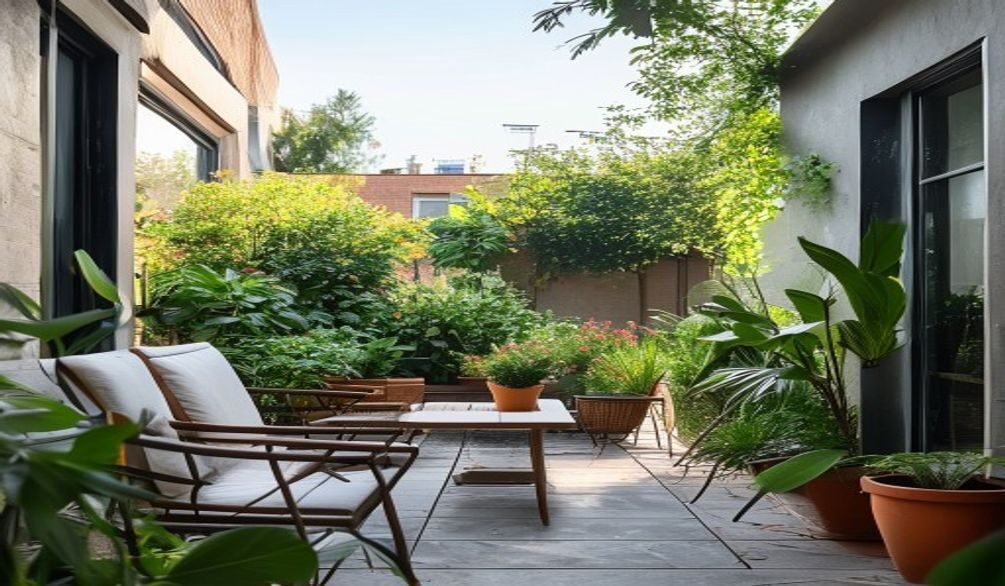
Most urban gardeners in India face the common challenge of limited ground space, often leading to frustration when trying to grow fresh produce. But don’t worry, diving into terrace gardening for beginners can transform your unused rooftop or balcony into a lush, productive green space. We’ll walk you through five simple, actionable steps to ensure your terrace garden thrives, even in challenging Indian climates.
Quick Answer: Terrace gardening involves cultivating plants on rooftops or balconies. Success for beginners hinges on proper planning, selecting suitable plants, ensuring excellent drainage, choosing the right containers, understanding sun exposure, and consistent care.
What is terrace gardening and why start one?
Terrace gardening is simply the practice of growing plants on rooftops, balconies, or any elevated outdoor space. It’s an increasingly popular solution for urban dwellers, with urban gardening participation reaching nearly 49% across Asia-Pacific alone in 2026, according to Axiom Marketing (2026).
This trend is fueling significant demand for rooftop and terrace gardening solutions. For many of us living in cities like Mumbai or Delhi, a terrace garden isn’t just a hobby—it’s a way to reconnect with nature, grow fresh food, and make the most of limited space. You’re not alone in wanting to bring some green into your concrete jungle!
The beauty of a terrace garden is its versatility. You can cultivate everything from vibrant flowers to essential herbs like pudina and dhania, and even a variety of vegetables. It’s a rewarding experience, and you’ll find that it significantly enhances your living environment.
How do you start a terrace garden for beginners? (5 simple steps)
Starting a terrace garden for beginners doesn’t have to be complicated; it boils down to five key steps that, if followed correctly, will set you up for success. Many people feel exactly this way when they first consider gardening in a small space.
From my 10 years of experience with Indian balcony and terrace gardens, these steps address the most common pitfalls and help you avoid the frustration of failed plants. The home gardening market is projected to reach approximately USD 16.71 billion in 2026, showing just how many people are getting into this (Axiom Marketing, 2026).
Here’s a quick overview of what we’ll cover:
- Planning Your Space: Understanding sunlight, weight, and layout.
- Choosing the Right Plants: Selecting varieties that thrive in containers and your climate.
- Ensuring Proper Drainage: The most crucial step for container gardening.
- Providing Essential Care: Watering, feeding, and protecting your plants.
- Troubleshooting Common Issues: Dealing with pests, diseases, and other problems.
Step 1: planning your terrace garden space
Careful planning is the foundation of any successful terrace garden for beginners, ensuring you make the most of your available area and prevent future headaches. Before you buy a single pot or seed, take some time to observe your space.
Firstly, understand your sun exposure. Does your terrace get full sun all day, or is it partially shaded? Most vegetables need at least 6-8 hours of direct sunlight. In hot Indian summers, you might even need to consider shade nets for delicate plants. Secondly, think about weight. Your terrace needs to support the weight of pots, soil, water, and plants. If you’re unsure, consult a structural engineer, especially for larger setups.
Consider the layout as well. Where will you place larger planters, and where can you incorporate vertical garden solutions? Brands like Livspace offer great design ideas for optimizing small spaces. Think about pathways, seating areas, and how you’ll access your plants for watering and harvesting. For instance, using wall-mounted planters or hanging baskets can free up floor space, making your garden feel larger and more accessible. Orientbell Tiles also provides inspiration for creating beautiful, functional flooring that can withstand the elements.
Step 2: choosing the best plants for your terrace garden
Selecting the right plants is crucial for successful terrace gardening for beginners, as some varieties are simply better suited to container life and urban conditions. A record 64% of respondents in a 2025 study stated they would plant more and expand their gardens in 2026, indicating a growing interest in diverse plant choices (Axiom Marketing, 2026).
For beginners, I always recommend starting with low-maintenance terrace plants that are tolerant of varying conditions. Herbs like pudina, tulsi, and dhania are excellent choices; I’ve found pudina especially easy to grow from cuttings – 9 out of 10 rooted in water in just 6 days from a sabziwala bunch, ready for soil by day 8. Seeds are rarely worth the effort for pudina when cuttings work so well.
Vegetables like cherry tomatoes (Pusa Ruby is a good container variety), bhindi, and lal mirch also do well. You could even try dwarf banana cultivars in large grow bags, as seen in some successful terraced perennial garden zones. The Jay Scotts Collection offers practical ideas for selecting plants that thrive on rooftops and provide privacy. Avoid plants that need deep root systems or grow too large, unless you have exceptionally big containers.
Here’s a quick comparison of easy-to-grow plants for your terrace:
| Plant Type | Recommended Varieties | Sunlight Needs | Container Size (Min.) |
|---|---|---|---|
| Herbs | Pudina, Tulsi, Dhania, Methi | Partial to Full Sun | 6-8 inch pot |
| Vegetables | Cherry Tomatoes (Pusa Ruby), Bhindi, Lal Mirch | Full Sun | 10-12 inch pot (per plant) |
| Flowers | Marigolds, Portulaca, Petunias | Full Sun | 6-10 inch pot |
Step 3: setting up your terrace garden with proper drainage
Proper drainage is arguably the single most critical factor for a thriving terrace garden for beginners, as excess water is a silent killer for container plants. As an expert on a YouTube video from April 20, 2026, rightly emphasized, “Your terrace garden won’t fail on top. It fails underneath. The problem isn’t plants. It’s drainage.”
Every pot or container you use must have drainage holes at the bottom. And I mean proper holes, not just a tiny pinprick. Without them, water collects, suffocating roots and leading to rot. This is especially true during the Indian monsoon season, where consistent heavy rain can quickly waterlog your plants.
Beyond the holes, consider elevating your pots slightly using pot feet or bricks. This ensures water can freely escape and doesn’t sit flush against the terrace surface. When choosing containers, terracotta pots are fantastic because they’re porous and allow excess moisture to evaporate through their sides. My neighbour in Mumbai learned this the hard way: her tomatoes failed two summers in a row in black plastic pots because the direct sun heated the soil to 55°C, cooking the roots. Switching to terracotta with the same soil mix gave her a harvest in 8 weeks. Black plastic is just too hot for roots in our climate.
For larger planters, consider adding a layer of broken pottery or coarse gravel at the bottom before adding your potting mix. This isn’t strictly necessary if your potting mix is well-draining, but it adds an extra layer of protection. When it comes to soil, use a good quality, lightweight potting mix that drains well but also retains some moisture. Don’t just use garden soil from the ground; it’s too heavy and compacts easily in pots. A mix of cocopeat, compost, and perlite works wonders.
Step 4: essential care and maintenance for terrace gardens
Consistent care and maintenance are non-negotiable for a flourishing terrace garden for beginners, ensuring your plants receive the nutrients and attention they need. This includes regular watering, appropriate feeding, and timely pest management.
Watering: This is where most beginners struggle. You need to water thoroughly until you see water drain from the bottom of the pot, but don’t overwater. In Indian summer heat (40°C+), you might need to water daily, sometimes twice. During monsoon, reduce watering significantly – once every 5 days or even less. Always check the soil moisture with your finger; if the top inch is dry, it’s time to water.
Feeding: You might have heard that organic fertilizers are always best. In practice, for small container gardens, organic fertilizers are overrated. The soil volume in a 12-inch pot is too small for slow-release nutrients to work the way they do in ground soil. Liquid fertilizers like diluted jeevamrit or seaweed extract work faster and are easier to control in pots. Brands like Scotts Miracle-Gro offer liquid plant foods that are easy for beginners to use.
Pest and Disease Control: Keep an eye out for common pests like aphids or mealybugs. A simple neem oil spray can often take care of them. Check out our guide on terrace garden pest control for more specific tips. For winter in North India, protect sensitive plants from frost by moving them indoors or covering them. In general, healthy plants are more resistant to pests and diseases, so focus on good soil and consistent care.
Step 5: troubleshooting common terrace gardening issues
Even with the best planning, every terrace gardener, especially beginners, will face issues; knowing how to troubleshoot them can save your plants and your sanity. You’re not alone in finding this hard, as gardening often presents unexpected challenges.
Here are some common problems and their solutions:
- Yellowing Leaves: This often indicates overwatering (roots are suffocating) or nutrient deficiency. Check soil moisture first. If it’s consistently wet, reduce watering and ensure drainage. If dry, water more. If neither, consider a balanced liquid fertilizer.
- Wilting Plants: Usually a sign of underwatering or extreme heat. Water immediately if the soil is dry. If it’s very hot, move the plant to a shadier spot during peak sun hours or provide a temporary shade cloth.
- Slow Growth: Could be insufficient sunlight, poor nutrition, or incorrect pot size. Ensure your plant gets enough sun, feed it regularly (remember my point about liquid fertilizers for pots!), and make sure it’s not root-bound in a tiny pot.
- Pests: Small holes in leaves, sticky residue, or visible insects are all signs. Identify the pest and use appropriate organic solutions like neem oil or insecticidal soap. My personal observation: early detection is key; a small infestation is much easier to manage than a large one.
A common mistake I’ve seen is beginners using too much fertilizer, thinking more is better. It’s not. Too much fertilizer can burn roots. Always follow the instructions on the package, or if using jeevamrit, dilute it properly. If you’re struggling with weak plant stems, we have some proven fixes you can check out here.
What are the benefits of terrace gardening?
The benefits of terrace gardening extend far beyond just growing plants, offering significant environmental, personal, and aesthetic advantages for urban dwellers. “To plant a garden is to believe in tomorrow,” as Audrey Hepburn beautifully put it, capturing the hope and optimism that gardening brings.
Firstly, it’s great for the environment. Terrace gardens help reduce the urban heat island effect by absorbing sunlight rather than reflecting it. They also improve air quality by filtering pollutants and producing oxygen. Secondly, there are immense personal benefits: gardening is a proven stress-reliever, offering a peaceful escape from city life. Growing your own food means access to fresh, organic produce, reducing your reliance on market-bought items.
Aesthetically, a well-designed terrace garden can transform an otherwise drab space into a vibrant oasis, increasing your property’s appeal and value. It’s a fantastic way to utilize unused space, turning a concrete slab into a productive, beautiful area. The rising trend of “mini gardens,” which hit an all-time high in search interest in 2026, according to Axiom Marketing (2026), highlights how much people crave these green spaces.
Frequently asked questions
What is the best way to waterproof a terrace for gardening?
The best way to waterproof a terrace involves applying a robust waterproofing membrane before setting up your garden, often followed by a protective layer. This step is critical to prevent structural damage to your building, with professional installations typically lasting many years. Always consult a waterproofing expert to assess your specific terrace structure and recommend suitable materials.
How much does a basic terrace garden cost to set up?
A basic terrace garden for beginners can cost anywhere from ₹5,000 to ₹20,000 to set up, depending on the size and materials chosen. This includes pots (terracotta or grow bags), soil mix, seeds/saplings, and basic tools. Many gardeners spent more money on gardening in 2025, with a 11.5% increase from 2024, according to Axiom Marketing (2026), indicating a willingness to invest.
What are the disadvantages of terrace gardening?
The main disadvantages of terrace gardening include the initial setup cost, the need for consistent watering, potential weight load concerns on the structure, and exposure to harsh weather elements like intense sun or heavy monsoon rains. You’ll also need to be vigilant about pest control, as enclosed spaces can sometimes encourage infestations.
What are the best plants for a terrace garden in indian climates?
The best plants for a terrace garden in Indian climates are those that tolerate heat and humidity, such as bhindi, lal mirch, tomatoes (especially cherry varieties), brinjal, and a wide range of herbs like tulsi, pudina, and dhania. Many flowering plants like marigolds and petunias also thrive, adding color and attracting pollinators. Consider local varieties from your nearest Bhavani Nursery.
How do you maintain a terrace garden effectively?
Maintaining a terrace garden effectively involves daily checks for soil moisture, regular feeding with liquid fertilizers for container plants, timely pruning to encourage bushier growth, and consistent monitoring for pests and diseases. During pre-monsoon and summer months, increased watering is crucial, while during monsoon, focus on ensuring excellent drainage to prevent root rot.
Starting your own terrace garden for beginners is an incredibly rewarding journey, transforming unused space into a vibrant, productive oasis. By focusing on these five simple steps—careful planning, smart plant choices, impeccable drainage, consistent care, and proactive troubleshooting—you’ll build a resilient garden that thrives. Don’t let initial doubts hold you back; every expert gardener started exactly where you are. So, grab some pots, get your hands dirty, and enjoy the incredible satisfaction of growing your own green haven. Happy gardening!







