Key Takeaways
- Over one-fifth of native North American pollinators face extinction risk, according to a 2025 assessment.
- Native bee species are particularly vulnerable, with 34.7% at risk of extinction.
- Pollinators contribute over $15 billion annually to North American agriculture, as reported in 2025.
- Urban green spaces, including roof gardens, attract thousands of flower-visiting insects, per a 2024 London survey.
- 28% of U.S. adults purchase plants beneficial for native bees, butterflies, and birds, based on a 2024 survey.
Are you wondering how to transform your urban dwelling into a vibrant ecosystem? This guide will show you **how to create a pollinator-friendly balcony**, turning even the smallest space into a vital haven for bees, butterflies, and other essential insects. As an expert gardener with over 10 years of experience, I’ll share practical steps and proven strategies to help you cultivate a thriving pollinator paradise right outside your door.
Quick Answer: Transform your balcony into a pollinator haven by planting diverse native, nectar-rich flowers blooming season-long. Provide water sources and nesting spots like hollow stems or bee hotels. Small container gardens support urban bees and butterflies.
Why Your Balcony Can Be a Pollinator Paradise
Your balcony offers a critical opportunity to support struggling pollinator populations, even in dense urban environments. More than one-fifth of native North American pollinators are at an elevated risk of extinction, according to a comprehensive 2025 assessment published in the Proceedings of the National Academy of Sciences. Creating a small urban pollinator garden provides essential food and shelter that these insects desperately need.
Cities can surprisingly become a refuge for bee species and other insects facing significant declines, as highlighted by a 2017 study by biologist Rebecca Tonietto at the University of Michigan-Flint. These small spaces act as stepping stones, connecting larger natural areas and offering crucial resources. Jennifer Hopwood, a senior pollinator conservation specialist at the Xerces Society for Invertebrate Conservation, notes, “There’s just a lot more happening than we might expect in those small spaces,” referring to the vibrant pollinator activity observed on fire escapes and in small planters.
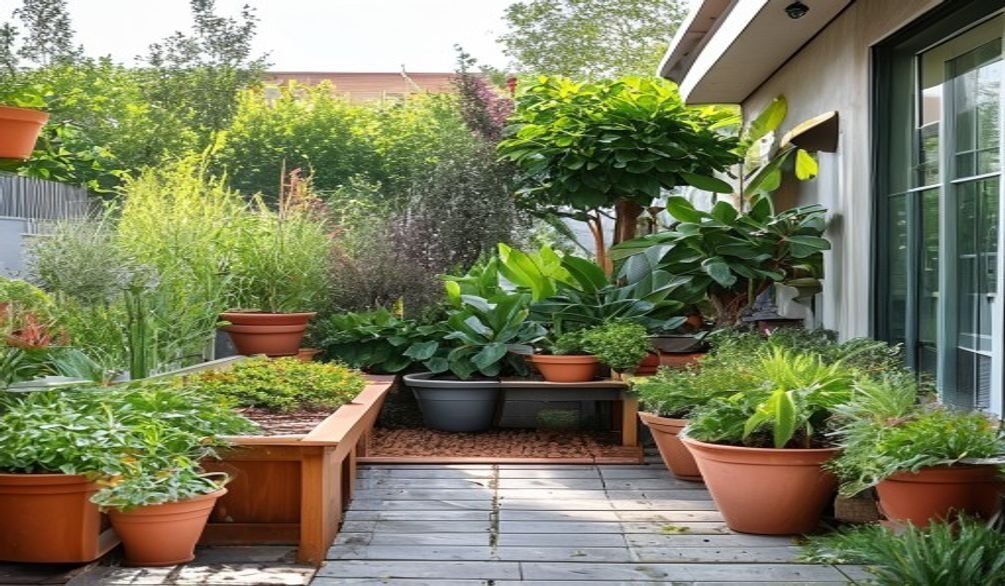
Every balcony, no matter its size, can contribute to biodiversity. Even a few well-chosen container plants for pollinators can make a significant difference. Pollinator gardens provide food for bees, butterflies, moths, wasps, and other helpful species, according to Diane Blazek, executive director at National Garden Bureau. This effort is vital for the ecosystem and our food supply.
What Attracts Pollinators to Small Urban Spaces?
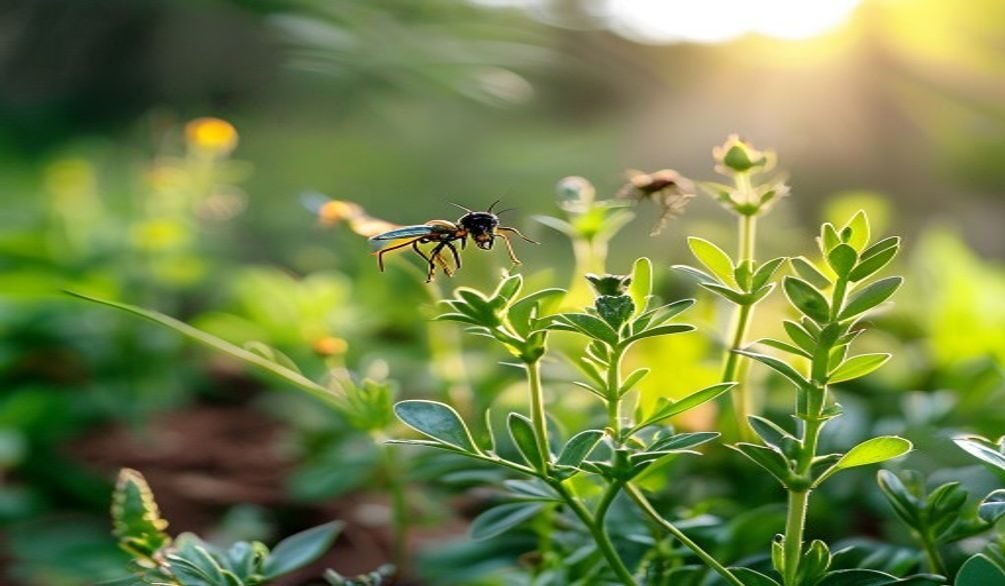
Pollinators are primarily attracted to small urban spaces by the presence of diverse, nectar-rich flowering plants. These plants provide the essential food sources that fuel their daily activities and support their life cycles. A 2024 survey in the City of London recorded 3,448 flower-visiting insects across 45 green spaces, including roof gardens, showing that urban areas can be bustling with pollinator activity.
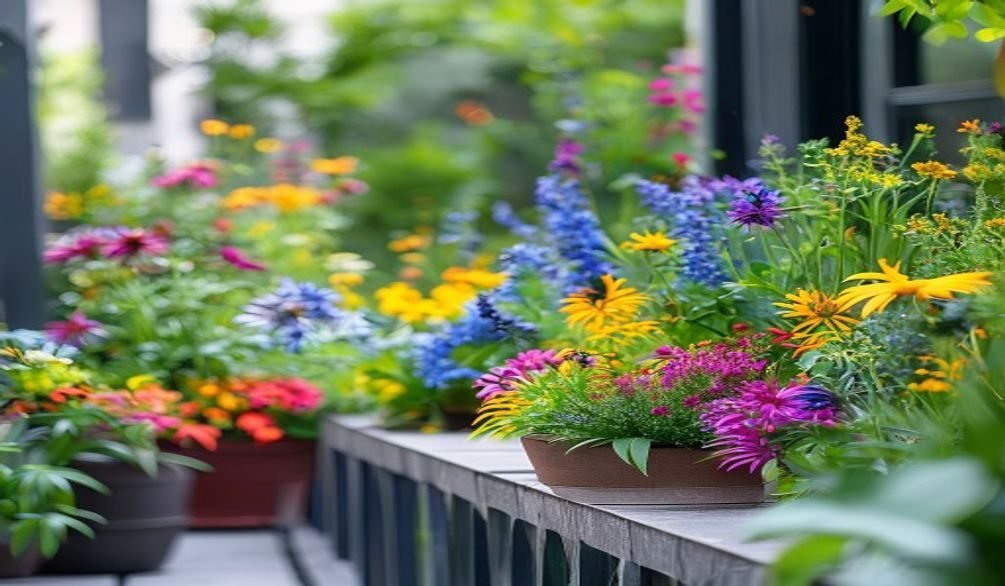
The key is to offer a continuous bloom cycle, ensuring food is available from spring through fall. Roger Lang, Chairman of the Pollinator Partnership, emphasizes that “Flowering plants across wild, farmed and even urban landscapes actually feed the terrestrial world, and pollinators are the great connectors who enable this giant food system to work for all who eat… including us.” Providing a variety of flower shapes and colors also caters to different pollinator species.
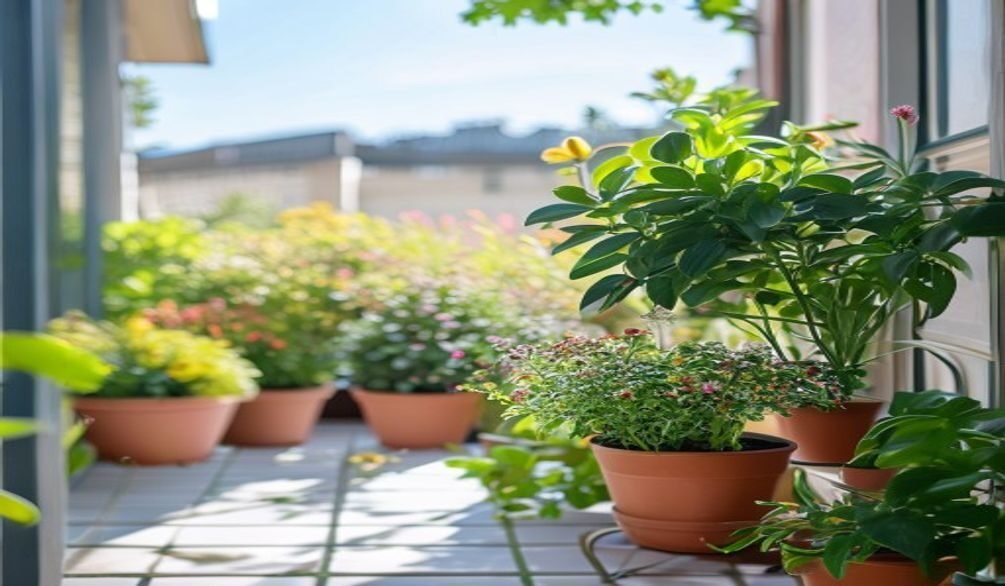
Pollinators also seek out shelter and nesting sites, which can be incorporated into a balcony garden. Small patches of undisturbed soil in larger pots, hollow plant stems, or even simple bee hotels can provide crucial habitat. Creating a diverse environment that mimics natural habitats will significantly increase your success in attracting these beneficial insects.
Top Plants for Your Pollinator-Friendly Balcony
To successfully create a pollinator-friendly balcony, selecting the right plants is paramount, focusing on native species and those that offer abundant nectar and pollen. Native plants are always the best choice to support pollinators because their lifecycles are in sync with each other, according to the National Wildlife Federation. These plants have evolved alongside local pollinators, providing the most suitable food and habitat.
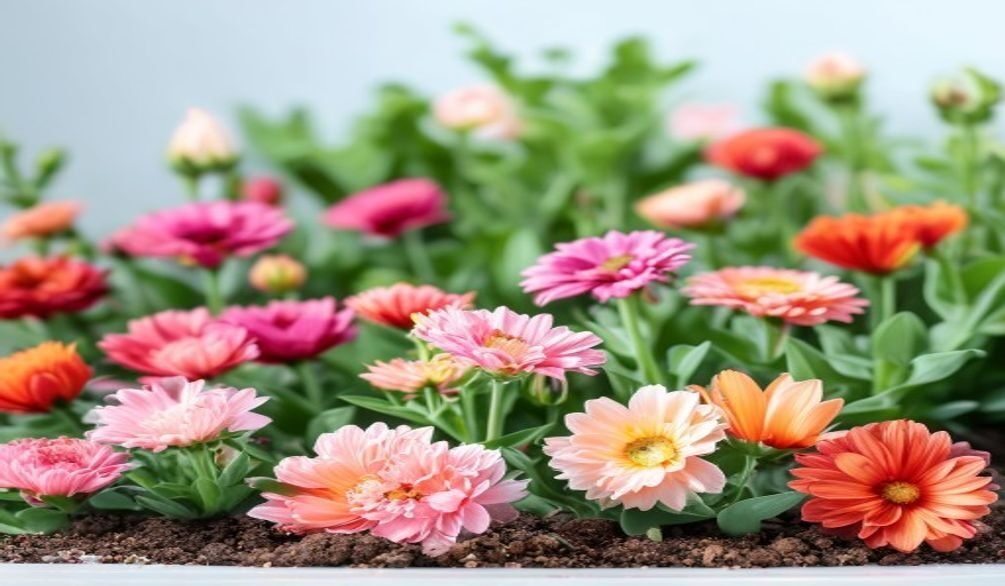
When choosing container plants for pollinators, prioritize those with continuous or staggered bloom times to ensure a season-long food supply. Consider plants that are well-suited to containers and your balcony’s sun exposure. Monrovia offers a range of colorful pollinator container garden ideas, showcasing plants specifically bred for smaller spaces.
Here are some excellent choices for your urban pollinator garden:
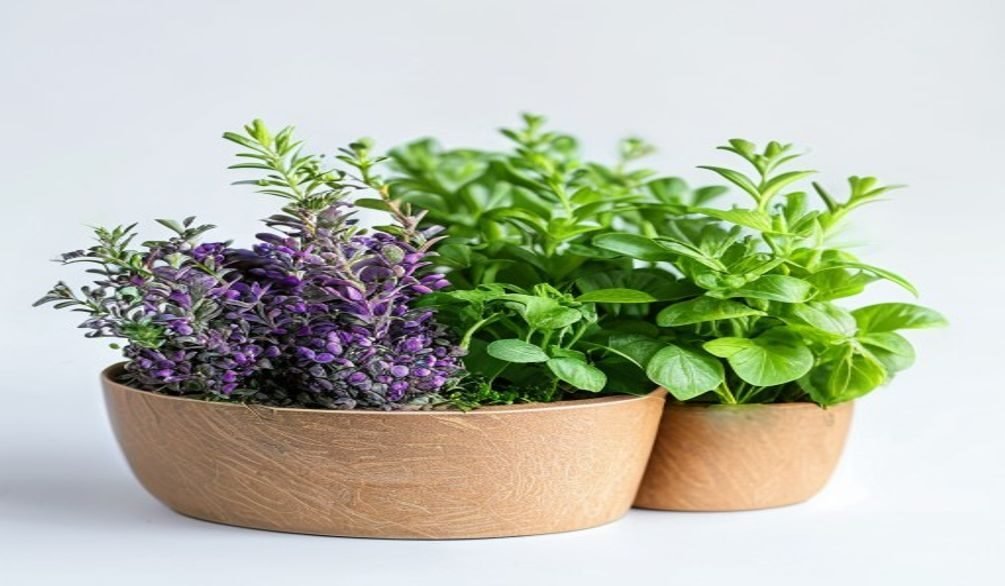
- Lavender (Lavandula spp.): Varieties like ‘Dwarf Munstead’ are compact and highly attractive to bees and butterflies. They also provide a beautiful fragrance.
- Bee Balm (Monarda didyma): ‘Petite Delight’ is a dwarf variety perfect for containers, known for attracting hummingbirds and various bee species.
- Coneflower (Echinacea purpurea): A resilient native plant that thrives in pots and is a favorite of butterflies and bees.
- Sedum (Hylotelephium spectabile): Late-season bloomers like ‘Autumn Joy’ provide crucial nectar when other flowers fade.
- Sunflowers (Helianthus annuus): Dwarf varieties such as ‘Teddy Bear’ are excellent for attracting bees and provide seeds for birds.
- Herbs: Many pollinator-friendly herbs like basil, oregano, thyme, and borage are fantastic for attracting bees when allowed to flower.
Consider using specialized mixes like Earthwise Seed’s “Pollinator Paradise Native Mix” or Organo Republic Wildflower Seeds Mix to ensure diverse offerings. These mixes can be grown in larger containers or window boxes, providing a rich tapestry of blooms. For more ideas on resilient plants, consult our guide to Best Drought-Tolerant Flowers.
Creating a Complete Pollinator Habitat Beyond Just Flowers
Beyond providing nectar and pollen, a truly pollinator-friendly balcony offers comprehensive habitat support, including water sources, nesting sites, and host plants for larvae. Pollinators contribute over $15 billion annually to North American agriculture, highlighting their critical economic importance, according to a 2025 report. Supporting their full life cycle on your balcony maximizes your impact.
Step 1: Provide Essential Water Sources
Pollinators need access to fresh water, especially in urban environments where natural sources are scarce. A shallow dish filled with pebbles or marbles, allowing insects to drink without drowning, makes an ideal bee bath. Change the water regularly to prevent mosquito breeding.
Step 2: Establish Nesting and Host Habitats
Many native bees are solitary and nest in hollow stems or tunnels. Leave some hollow stems from spent plants over winter or incorporate a small bee hotel into your balcony design. For butterflies, include specific butterfly host plants like milkweed for monarchs. The Xerces Society emphasizes the critical need for nesting habitat for many native bee species.
Step 3: Consider Vertical Pollinator Gardens
If horizontal space is limited, look up! Vertical pollinator gardens are an excellent way to maximize plant diversity in a small footprint. Plants like nasturtiums, sweet peas, or even dwarf fruit vines can climb trellises or hang from vertical planters, adding more nectar sources. For more inspiration, explore our Balcony Vertical Garden Ideas.
Solving Common Challenges for Terrace Pollinator Gardens
Terrace and balcony gardens face unique challenges that, when addressed proactively, ensure a thriving pollinator haven. These challenges include wind exposure, weight considerations for containers, and efficient watering. In my 10 years of experience, I’ve found that anticipating these issues is key to long-term success.
Step 1: Mitigate Wind Exposure
Balconies can be windy, which stresses plants and makes it difficult for pollinators to navigate. Create windbreaks using taller, sturdier plants, trellises with climbing vines, or even a small screen. Grouping containers together can also create a microclimate that reduces wind impact. Choose robust plants that can withstand breezy conditions.
Step 2: Manage Container Weight and Material
The weight of soil and plants can be substantial, so choose lightweight containers like fiberglass or resin for structural safety. Use a high-quality, lightweight potting mix, which often includes perlite or vermiculite. For guidance on selecting the best soil, refer to our Best Potting Mixes for Balcony Gardening guide. Dark-colored containers can absorb more heat, potentially stressing roots; consider lighter colors or insulating pots.
Step 3: Implement Smart Watering Solutions
Container plants dry out faster than in-ground gardens. Consistent watering is crucial. Consider self-watering planters or a drip irrigation system designed for pots. This ensures plants remain hydrated, which is vital for continuous blooming and nectar production. Overwatering, however, can be just as detrimental as underwatering.
Smart Gardening: Technology for Your Pollinator Balcony
Integrating technology into your balcony garden can enhance efficiency and optimize conditions for your pollinator plants. Modern gardening tools simplify maintenance and help you respond effectively to plant needs. This approach allows you to maintain a thriving urban pollinator garden with less effort.
Step 1: Utilize Smart Irrigation Systems
Automated drip irrigation systems are ideal for balcony container gardens. They deliver water directly to the plant roots, minimizing waste and ensuring consistent moisture levels. Many systems can be programmed or even controlled via smartphone apps, adapting to weather changes. For inspiration, check out our guide on the Best Self-Watering Planters for Indoor Plants, many of which are suitable for balconies.
Step 2: Employ Soil Moisture Sensors
Small, affordable soil moisture sensors can take the guesswork out of watering. These devices alert you when your plants genuinely need water, preventing both over- and under-watering. This precision helps maintain optimal conditions for flowering and overall plant health.
Step 3: Leverage Plant Identification Apps
Apps like PictureThis or iNaturalist can help you identify local native plants suitable for your area or even track the types of pollinators visiting your balcony. This information can guide your plant choices and deepen your connection to the ecosystem you’re cultivating. Urban pollinator gardens benefit greatly from data-driven decisions.
Maintaining Your Thriving Pollinator Haven and How to Create a Pollinator-Friendly Balcony
Consistent maintenance is essential for ensuring your pollinator-friendly balcony remains a vibrant and effective habitat throughout the seasons. Proper care fosters continuous blooms, healthy plants, and an inviting environment for pollinators. This ongoing effort is key to sustaining your efforts on how to create a pollinator-friendly balcony.
Step 1: Practice Deadheading and Pruning
Regularly remove spent flowers (deadhead) to encourage new blooms and extend the flowering season. This simple practice ensures a steady supply of nectar and pollen for your visiting insects. Pruning leggy plants also promotes bushier growth and more flowers.
Step 2: Avoid Pesticides and Herbicides
This is perhaps the most crucial maintenance tip for a pollinator garden. Any chemical pesticides, even organic ones, can harm or kill pollinators. Opt for natural pest control methods like hand-picking pests or introducing beneficial insects. A 2024 survey showed that 28% of U.S. adults are purchasing plants beneficial for native bees, butterflies, and birds, highlighting a growing awareness of pesticide-free gardening.
Step 3: Fertilize Thoughtfully
Container plants often require regular feeding due to nutrient leaching. Use organic, slow-release fertilizers or liquid feeds at half strength. Over-fertilizing can lead to lush foliage at the expense of flowers, which defeats the purpose of a pollinator garden. Always follow product instructions carefully.
Frequently Asked Questions
What attracts pollinators to a garden?
Pollinators are primarily attracted to gardens by a diverse array of flowering plants that provide nectar and pollen. A 2024 survey in the City of London recorded 3,448 flower-visiting insects across 45 green spaces, including roof gardens, demonstrating that floral resources are key. Providing continuous blooms from spring to fall, along with water and shelter, maximizes appeal.
What flowers attract bees and butterflies in pots?
Flowers such as lavender, coneflower, bee balm, sedum, and dwarf sunflowers are excellent for attracting bees and butterflies in pots. Native plants are particularly effective because their lifecycles are in sync with local pollinators, according to the National Wildlife Federation. Herbs like basil and oregano, when allowed to flower, also serve as great attractants.
How do you attract pollinators to a small garden?
To attract pollinators to a small garden, focus on planting native, nectar-rich flowers in containers or vertical planters that bloom across seasons. Jennifer Hopwood of the Xerces Society notes “There’s just a lot more happening than we might expect in those small spaces.” Additionally, provide shallow water sources and consider simple bee nesting sites like hollow stems to create a complete habitat.
What is the best food source for pollinators?
The best food source for pollinators is a diverse selection of flowering plants that produce abundant nectar and pollen. These plants should ideally be native to your region, as they have co-evolved with local pollinator species. Pollinators contribute over $15 billion annually to North American agriculture, underscoring the vital importance of these food sources.
Cultivating a pollinator-friendly balcony is a rewarding endeavor that contributes significantly to local biodiversity and ecosystem health. By carefully selecting native plants, providing essential water and shelter, addressing urban gardening challenges, and embracing smart technology, you can successfully **create a pollinator-friendly balcony**. Start small, observe your visitors, and enjoy the vibrant life your efforts bring to your urban oasis.