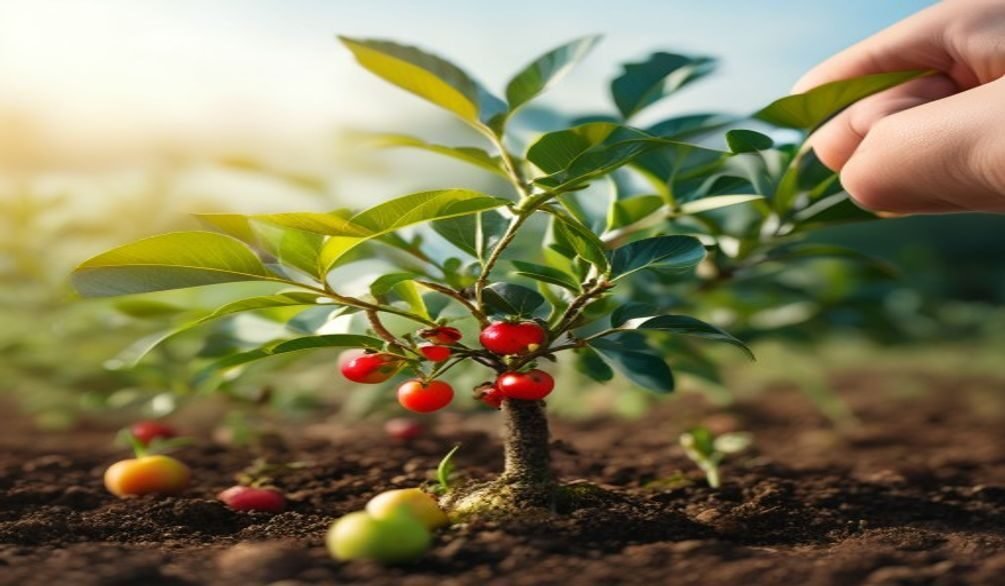
Understanding the best time to plant fruit trees for success is the foundational knowledge every aspiring orchardist needs to cultivate a thriving garden. Without proper timing, your efforts could be wasted, leading to stunted growth or even tree loss. As someone with over 10 years of experience in horticulture, I’ll guide you through the optimal seasons, regional considerations, and essential practices to ensure your fruit trees flourish from day one.
What is the Best Time to Plant Fruit Trees for Success?
The short answer for the best time to plant fruit trees for success is generally late winter to early spring. This period allows the tree’s root system to establish itself before the intense heat and stress of summer arrive. Planting during dormancy minimizes shock and provides the roots with ample time to grow in cool, moist soil.
As Dr. Tim Hartmann from the Texas A&M AgriLife Extension Service emphasizes, “The idea is to plant fruit trees as early as possible to give their roots time to grow during those mild winter days. That strong root establishment sets the foundation, and it pays off when the heat and drought of summer conditions set in.” This expert insight highlights the critical role of early root development.
Understanding Optimal Fruit Tree Planting Times by Climate Zone
While early spring is a general guideline, the exact timing for the best fruit tree planting depends heavily on your specific climate and USDA hardiness zone. Warmer regions have different windows than colder ones, and understanding these nuances is key to success.
Cold and Temperate Climates (Zones 3-7)
For regions experiencing cold winters and distinct seasons, early spring (typically March to May, after the last hard frost) is paramount. This timing ensures the young trees avoid harsh freezes while benefiting from spring rains and gradually warming soil. Fall fruit tree planting can also be successful for container-grown trees if done at least 4–6 weeks before the ground freezes, giving roots a head start.
Warm Climates (Zones 8-10)
In warmer zones, planting fruit trees in spring can expose them to intense summer heat too quickly. Here, late fall to early winter often provides the ideal conditions. For instance, in areas like Texas, “December through February is the best time to plant most fruit trees,” according to AgriLife Today. This allows roots to establish during cooler, wetter months before summer’s peak.
Tropical and Subtropical Climates (Zones 10-11+)
These regions often lack a true dormant period, offering more flexibility. The best time to plant fruit trees for success here is typically during the cooler, drier season, avoiding periods of heavy rain or extreme heat. Consistent moisture and protection from intense sun are crucial for newly planted trees in these zones.
Bare-Root vs. Container Fruit Trees: When to Plant Each Type
The form in which you purchase your fruit tree significantly influences its optimal planting time. Understanding these differences is crucial for maximizing your chances of success.
Bare-Root Trees
Bare-root trees are typically sold dormant, without soil around their roots. These are usually 1–2 years old. They are highly economical and generally establish quickly if planted correctly. The ideal window for bare-root trees is early spring, as soon as the soil is workable and before buds break. This allows them to wake up in their new home, ready to grow.
Container Trees
Container-grown fruit trees offer more flexibility because their root systems are already intact within a soil medium. You can plant container trees from spring through fall in most climates, though avoiding the peak heat of summer is always wise. For fall fruit tree planting, ensure there are at least 4-6 weeks before the ground freezes solid, allowing some root development.
When planting container trees, it’s important to gently tease apart any circling roots to encourage outward growth once in the ground. This simple step can prevent girdling roots later in the tree’s life.
Essential Pre-Planting Steps: Soil Health & Site Preparation
Before you even think about putting a tree in the ground, proper site and soil preparation are non-negotiable for the best time to plant fruit trees for success. This groundwork makes all the difference in your tree’s long-term health and productivity.
Choosing the Right Site
Most fruit varieties need at least 6 plus hours of direct sunlight daily for optimal fruit production and overall health. Good air circulation is also important to deter fungal diseases. Avoid low spots where cold air and water can collect, as this can lead to frost damage and root rot.
Soil Testing and Amendments
This is where my 10+ years of gardening experience really come into play: never skip a soil test. A professional soil test will tell you your soil pH for fruit trees and nutrient levels. Most fruit trees thrive in a soil pH range of 6.0 to 7.0. However, specific fruit tree varieties like blueberries require significantly more acidic conditions, ideally 4.8 to 5.2 pH. Knowing your soil’s composition allows you to make targeted amendments.
- For pH adjustment: Add elemental sulfur to lower pH or agricultural lime to raise it. Do this several months before planting if possible.
- For drainage: If your soil is heavy clay, consider building a raised bed or amending with organic matter, but be careful not to create a ‘bathtub effect’ by amending only the planting hole. Improve the entire area.
- Nutrient boost: Incorporate compost or well-rotted manure to improve soil structure and fertility.
For more detailed insights on building nutrient-rich soil, you might find our Terrace Garden Composting Guide helpful, even for in-ground applications.
Crucial First-Year Care for Long-Term Fruit Tree Success
Planting is just the beginning; the first year of care is vital for establishing a strong foundation. This initial period directly impacts the tree’s ability to thrive and bear fruit in the future.
Watering Newly Planted Trees
Newly planted fruit trees require consistent watering to establish their root systems. A general rule is to provide 5-10 gallons of water to each tree per week, especially during dry spells. Check the soil moisture regularly by sticking your finger a few inches down. If it feels dry, it’s time to water. Deep, infrequent watering is better than shallow, frequent watering, as it encourages roots to grow deeper.
Mulching
Apply a 2-4 inch layer of organic mulch (like wood chips or straw) around the base of the tree, keeping it a few inches away from the trunk. Mulch helps retain soil moisture, suppresses weeds, and moderates soil temperature. This is a simple yet incredibly effective aspect of fruit tree care.
Protection and Support
Consider using tree guards to protect young trunks from rodents, sunscald, and weed whackers. Staking might be necessary for very young or exposed trees, but ensure stakes are removed after the first year to encourage the trunk to strengthen naturally. Also, consider attracting pollinators to your vegetable garden, which will also benefit your fruit trees.
Common Fruit Tree Planting Mistakes to Avoid
Even with the best intentions, gardeners can make mistakes that hinder their fruit tree’s development. Being aware of these common pitfalls can help you ensure the best time to plant fruit trees for success truly pays off.
- Planting Too Deep or Too Shallow: The root flare (where the trunk widens at the base) should be at or slightly above soil level. Planting too deep can suffocate roots, while planting too shallow can lead to roots drying out.
- Not Preparing the Soil: As discussed, ignoring soil pH for fruit trees or poor drainage will inevitably lead to problems. A little preparation goes a long way.
- Trimming Roots to Fit the Hole: As expert organic gardener Susan Poizner advises, “As soon as you trim off roots, you’re trimming off stored nutrition that the tree needs because the tree stores its nutrition in its root system. So you’re taking away fruit as soon as you clip those roots.” Always dig a wide enough hole to accommodate the roots naturally.
- Inconsistent Watering: The first year is critical for watering newly planted trees. Don’t let them dry out completely, but also avoid waterlogging.
- Ignoring Rootstock Selection: The rootstock determines the tree’s size, disease resistance, and adaptability to soil types. Choosing the right rootstock for your climate and desired tree size is a key part of fruit tree planting guide success.
When Will Your Fruit Trees Bear Fruit? (Fruiting Age)
After all your careful planning and planting, patience becomes a virtue. It’s natural to wonder, “When will your fruit trees bear fruit?” The answer varies significantly depending on the fruit tree varieties and the rootstock used.
Generally, a young fruit tree (1–2 years old when planted) can take 2–6 years or more to bear fruit. Here’s a quick overview of typical fruiting ages for common fruit trees:
| Fruit Tree Variety | Typical Fruiting Age (Years After Planting) |
|---|---|
| Apple trees | 2-5 years (depending on rootstock) |
| Peach trees | 2-4 years |
| Cherry trees | 3-5 years |
| Pear trees | 4-6 years |
| Plum trees | 3-6 years |
| Fig trees | 1-3 years |
| Citrus trees | 2-5 years |
Dwarf rootstocks often bear fruit earlier than standard varieties. While waiting, focus on consistent fruit tree care, including pruning and pest management, to ensure your tree is strong and healthy when it’s ready to produce.
Frequently Asked Questions
What month is best to plant fruit trees?
The best month to plant fruit trees varies by climate zone. For cold and temperate regions, early spring (March-May) is ideal. In warmer climates, late fall to early winter (December-February) is often preferred, allowing roots to establish during cooler periods.
What is the best time to plant apple trees?
The best time to plant apple trees is typically in early spring, after the danger of hard frost has passed but before the weather gets too hot. This allows their roots to settle in cool, moist soil before the growing season fully kicks in. Fall planting can also work well for container apple trees, provided it’s done several weeks before the ground freezes.
What time of year do you plant fruit trees?
You generally plant fruit trees in late winter to early spring when they are dormant, or in the fall for container-grown varieties, ensuring sufficient time for root establishment before extreme temperatures set in. The goal is to avoid planting during periods of active growth when the tree is most susceptible to transplant shock.
What is the best time to plant fruit trees in Texas?
For Texas and other warm climates, the best time to plant fruit trees is from December through February. This period provides mild winter days that allow the tree’s roots to grow and become well-established before the intense heat and potential drought conditions of summer arrive.
Mastering the best time to plant fruit trees for success is a cornerstone of bountiful harvests and healthy orchards. By aligning your planting schedule with your local climate, understanding tree types, and committing to diligent first-year care, you’re setting your trees up for a lifetime of productivity. Embrace the journey, and remember the wisdom of the Chinese proverb: “The best time to plant a tree was 20 years ago. The second best time is now.” So, get out there and plant your fruit trees!